IṢẸ́ ỌNÀ
ẸWÀ ÀTI ÌLERA
IṢẸ́ ỌWỌ́
ÀṢÀ ÀTI ÌTÀN
ÌṢERÉ
ÀYÍKÁ
OÚNJẸ ÀTI OHUN MÍMU
REVERSE ENGINEERING
SÁYẸ́ǸSÌ
ERÉ ÌDÁRAYÁ
ÌMỌ̀-Ẹ̀RỌ
ÀWỌN OHUN WÍWỌ̀
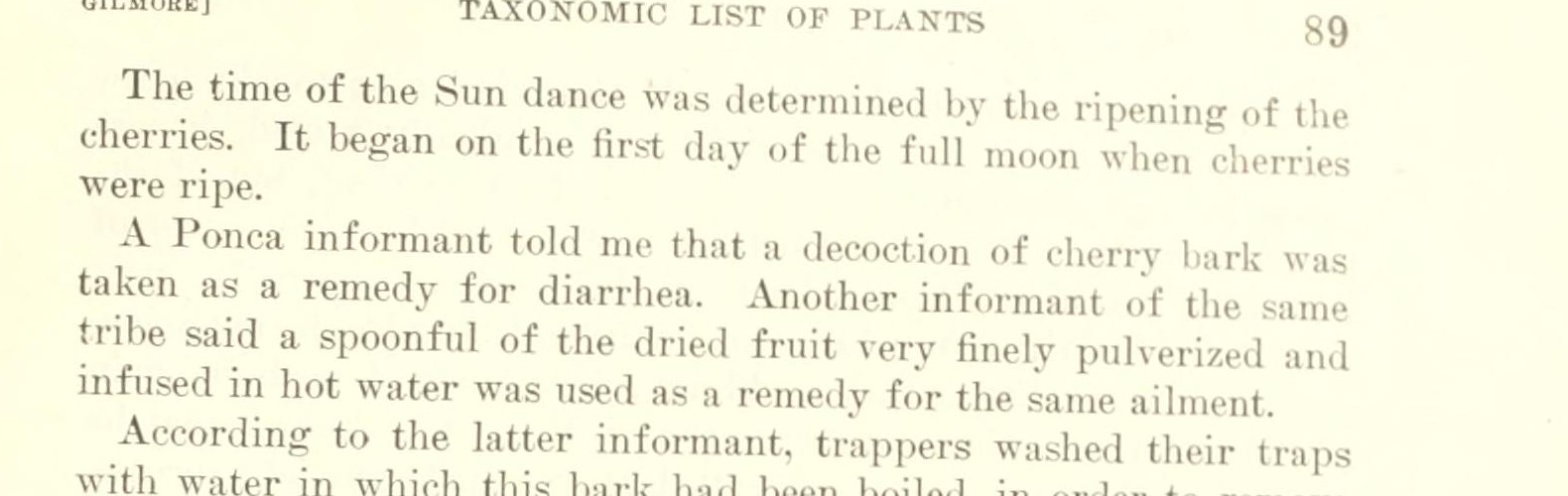

Diarrhea and Bowel Remedies of the Missouri River Tribes: Oak Root Bark, Raspberry Root, Chokecherry Bark and Dried Cherries, Golden Prairie Clover, Blazing Star, Sumac (Gilmore, 1919)
Remedies for diarrhea and bowel trouble Melvin Gilmore recorded on the Missouri: scraped oak root bark boiled for children, raspberry root (Omaha), chokecherry bark or a spoonful of dried, pounded chokecherries in hot water (Ponca), golden prairie clover leaves (Oglala) and blazing star leaves and corm for children (Pawnee). Recorded use, not medical advice.
Olùbẹ̀rẹ̀
An hour
Ìlànà
1
1
Read Gilmore
Read Gilmore
Bowel remedies from Gilmore's list of plants, credited to the tribes he names. Recorded use, not medical advice: a child with diarrhea can dry out fast; give fluids and see a doctor (ours).
2
2
Oak root bark
Oak root bark
"The bark of the root of any species of oak was scraped off and boiled and the decoction given for bowel trouble, especially in children."
Àwọn ohun èlò fún ìgbésẹ̀ yìí:
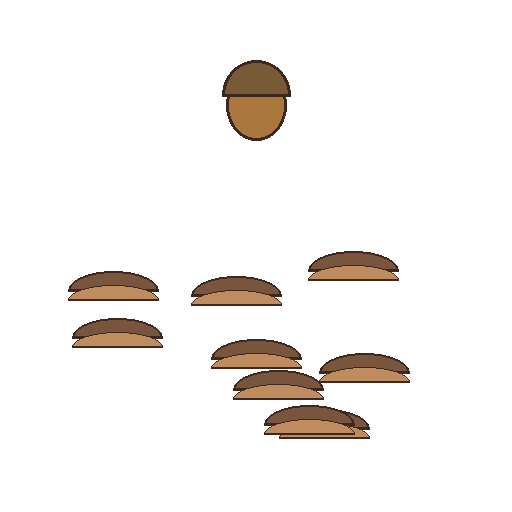 Oak Root Bark1 ẹyọ
 Omi1 ẹyọ
Àwọn irinṣẹ́ tí a nílò:
 Ọ̀pá ìwalẹ̀
 Ọ̀bẹ
 Ìkòkò amọ̀
 Ihò iná
 Aṣọ wàrà-dídì
3
3
Raspberry root
Raspberry root
Omaha: scrape and boil the root; "the decoction was given to children as a remedy for bowel trouble."
Àwọn ohun èlò fún ìgbésẹ̀ yìí:
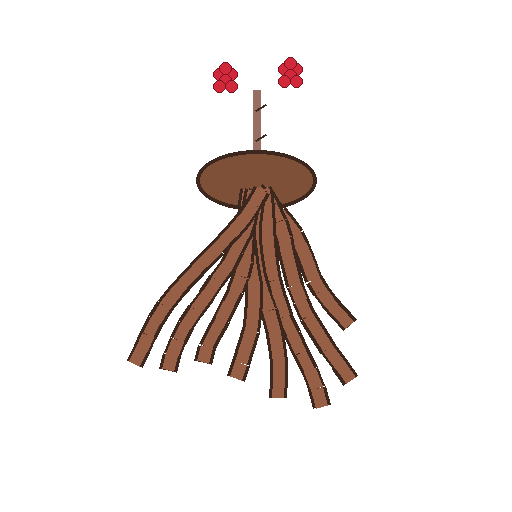 Red Raspberry Root1 ẹyọOmi1 ẹyọ
Àwọn irinṣẹ́ tí a nílò:
Ọ̀pá ìwalẹ̀Ọ̀bẹÌkòkò amọ̀Ihò iná4
4
Chokecherry, two ways
Chokecherry, two ways
Ponca: boil cherry bark and drink it for diarrhea. Or pound a spoonful of the dried fruit very fine and infuse it in hot water (the cherries were dried as sun-dried cakes, pounded pits and all).
Àwọn ohun èlò fún ìgbésẹ̀ yìí:
 Chokecherry Bark1 ẹyọ
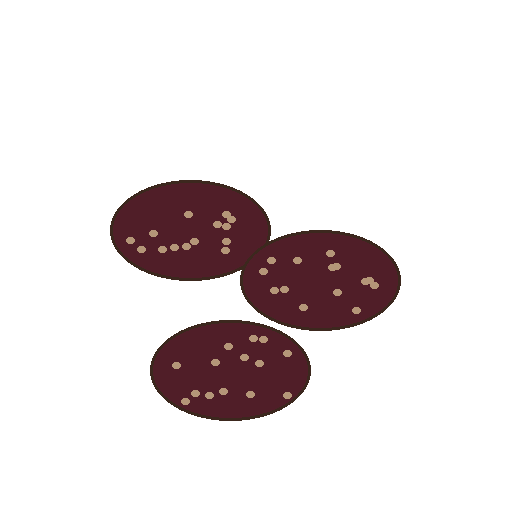 Dried Chokecherries1 ẹyọOmi1 ẹyọ
Àwọn irinṣẹ́ tí a nílò:
Ọ̀bẹ Odó àti Ọmọ Odó Òkúta
 Ṣíbí ìwoÌkòkò amọ̀Ihò iná
5
5
Golden prairie clover and blazing star
Golden prairie clover and blazing star
Oglala: a decoction of golden prairie clover leaves "for colic and dysentery." Pawnee: boil blazing star leaves and corm together and give the decoction to children for diarrhea. Pawnee: boil smooth sumac fruits, a remedy "for bloody flux."
Àwọn ohun èlò fún ìgbésẹ̀ yìí:
 Golden Prairie Clover Leaves1 ẹyọ
 Blazing Star Leaves and Corm1 ẹyọ
 Smooth Sumac Fruits1 ẹyọOmi1 ẹyọ
Àwọn irinṣẹ́ tí a nílò:
Ọ̀pá ìwalẹ̀Ìkòkò amọ̀Ihò ináAṣọ wàrà-dídì6
6
Troubleshooting
Troubleshooting
Diarrhea safety.
Flow
Loading...
7
7
History and honest limits
History and honest limits
From Melvin R. Gilmore, *Uses of Plants by the Indians of the Missouri River Region*, **33rd Annual Report of the Bureau of American Ethnology** (1919), pp. 75, 77, 85, 88-89, 94, 99, 100 and 133 (checked on the archive.org scan usesofplantsbyin00gilm). Gilmore wrote down what Omaha, Ponca, Pawnee, Dakota, Winnebago and Oto people told him; each remedy is credited to the tribe he names. Pawnee and Wichita used canaigre root for diarrhea; Gilmore gives no preparation. Left out: an Omaha treatment rubbing spurge leaves into a child's cut belly, and a croton leaf bath for babies (both plants are poisonous). Safety lines are ours. Recorded use, not medical advice.
Àwọn ohun-èlò
8- 1 ẹyọÀyè
- 4 ẹyọÀyè
- 1 ẹyọÀyè
- 1 ẹyọÀyè
- 1 ẹyọÀyè
- Àyè
- Àyè
- 1 ẹyọÀyè
Ìtọ́nisọ́nà yìí ń ṣe

Blueprint tó jọra
Àwọn blueprint wọ̀nyí pín ìmọ̀ — ọ̀nà, ohun-èlò tàbí ìlànà
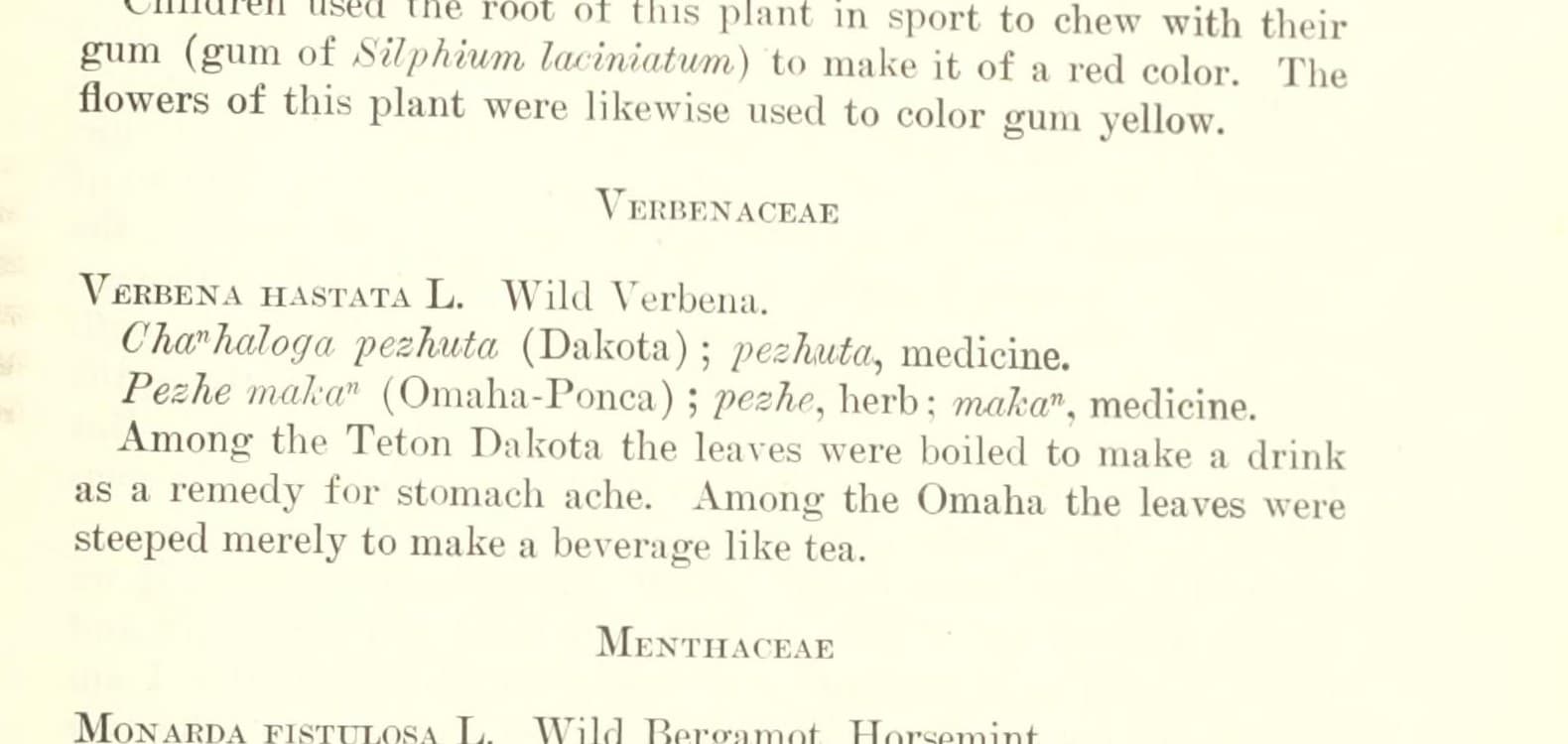
Stomach Ache and Colic Remedies of the Missouri River Tribes: Calamus, Sweetened Wild Mint, Verbena, Wild Bergamot, Gumweed and a Rattle-pod Ointment (Gilmore, 1919)
láti ọwọ́ Bob
Ìṣègùn
8
0
0
0
0
0
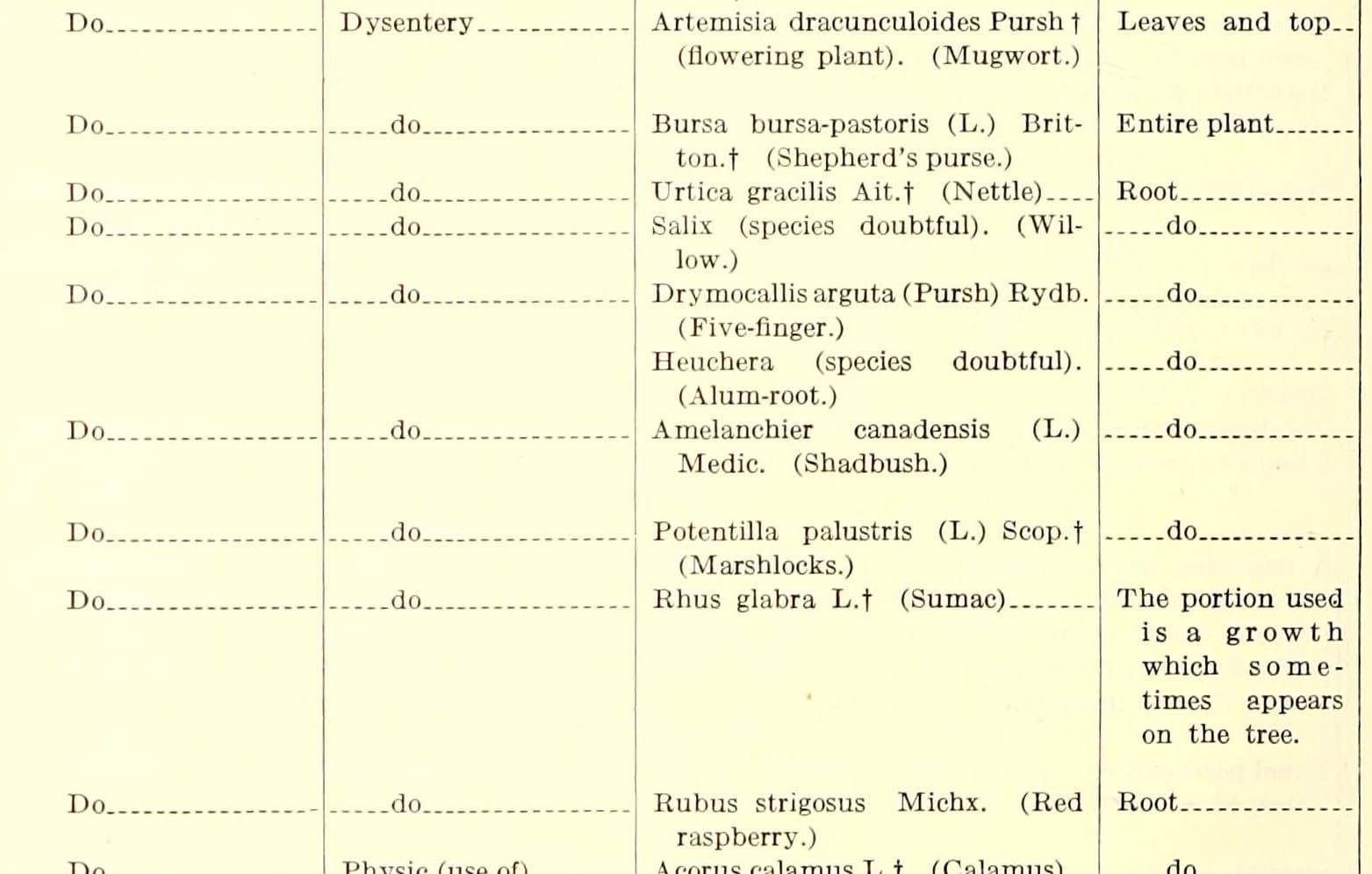
Chippewa Remedies for Dysentery: Mugwort, Shepherd's Purse, Nettle, Five-Finger, Marshlocks, Sumac Gall, and Cherry and Strawberry Root for Infants (Densmore, 1928)
láti ọwọ́ Bob
Ìṣègùn
11
0
0
0
0
0
CC0 Àgbègbè Gbogbogbò
Blueprint yìí ti jáde lábẹ́ CC0. O lè ṣe àdàkọ, yí padà, pín, àti lò láìsí ìyọ̀ǹda.
Ṣàtìlẹ́yìn Olùṣẹ́dá nípa rírà àwọn ọjà nipasẹ̀ Blueprint wọn Ẹ̀san Olùṣẹ́dá tí àwọn Olùtajà gbé kalẹ̀, tàbí ṣẹ̀dá àtúnṣe tuntun ti Blueprint yìí kí o sì fi sínú Blueprint rẹ gẹ́gẹ́ bí ìsopọ̀ láti pín owó-wíwọlé.