IṢẸ́ ỌNÀ
ẸWÀ ÀTI ÌLERA
IṢẸ́ ỌWỌ́
ÀṢÀ ÀTI ÌTÀN
ÌṢERÉ
ÀYÍKÁ
OÚNJẸ ÀTI OHUN MÍMU
REVERSE ENGINEERING
SÁYẸ́ǸSÌ
ERÉ ÌDÁRAYÁ
ÌMỌ̀-Ẹ̀RỌ
ÀWỌN OHUN WÍWỌ̀


Fever Remedies of the Missouri River Tribes: Calamus, Hops, Wild Four-o'clock, Wild Licorice, Beardtongue and Herb Washes (Gilmore, 1919)
Fever remedies Melvin Gilmore recorded among the Omaha, Ponca, Teton Dakota, Pawnee, Winnebago and Oto: calamus decoction, steeped hop fruits, wild four-o'clock and wild licorice root, beardtongue leaves for chills and fever, and washes of big bluestem, blazing star juice and wild tarragon tops. Recorded use, not medical advice.
Olùbẹ̀rẹ̀
An hour
Ìlànà
1
1
Read Gilmore
Read Gilmore
Fever remedies from Gilmore's list of plants, each credited to the tribe that told him. Recorded use, not medical advice: a high or lasting fever, or any fever in a baby, needs a doctor (ours).
2
2
Drinks: calamus, hops, four-o'clock
Drinks: calamus, hops, four-o'clock
Calamus (all the tribes): "a decoction was drunk for fever". Teton Dakota: hop fruits "steeped ... to make a drink to allay fevers and intestinal pains", and wild four-o'clock root "boiled to make a decoction to drink in case of fever."
Àwọn ohun èlò fún ìgbésẹ̀ yìí:
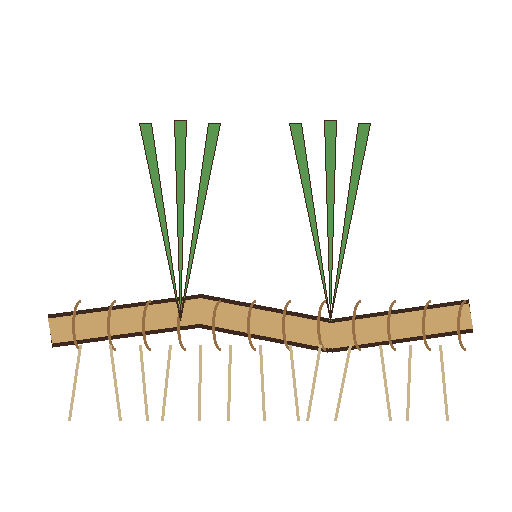 Calamus Rootstock1 ẹyọ
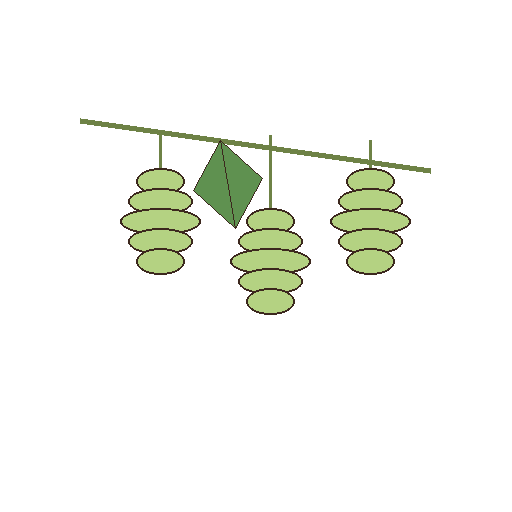 Wild Hop Fruits1 ẹyọ
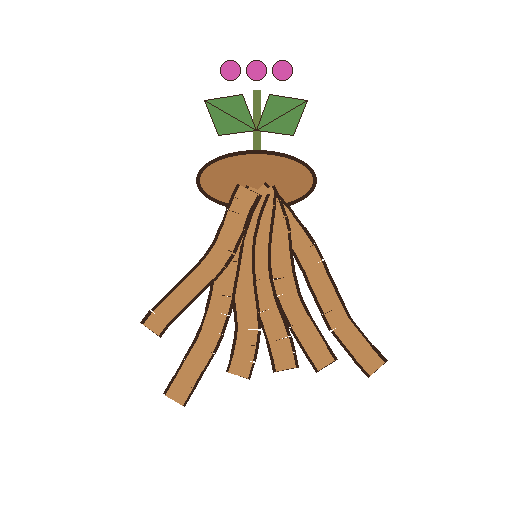 Umbrella-Plant Root1 ẹyọ
 Omi1 ẹyọ
Àwọn irinṣẹ́ tí a nílò:
 Ọ̀pá ìwalẹ̀
 Ọ̀bẹ
 Ìkòkò amọ̀
 Ihò iná
 Aṣọ wàrà-dídì
3
3
Wild licorice for children
Wild licorice for children
Teton Dakota: "A decoction of the root is used as a remedy for fever in children."
Àwọn ohun èlò fún ìgbésẹ̀ yìí:
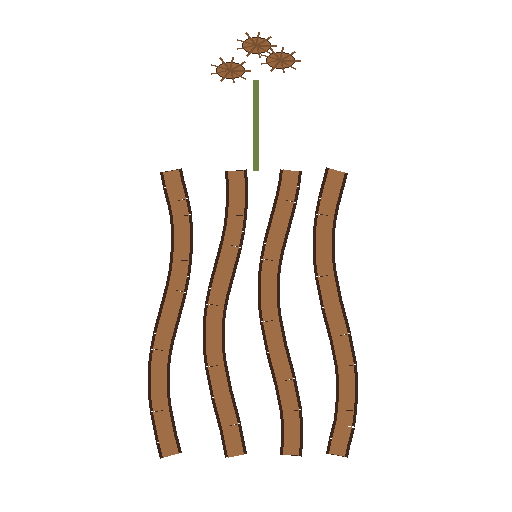 Wild Licorice Root1 ẹyọOmi1 ẹyọ
Àwọn irinṣẹ́ tí a nílò:
Ọ̀pá ìwalẹ̀Ọ̀bẹÌkòkò amọ̀Ihò iná4
4
Beardtongue for chills and fever
Beardtongue for chills and fever
A Pawnee used it for chills and fever, "but it is not of common knowledge and use. The preparation is a decoction of the leaves, taken internally."
Àwọn ohun èlò fún ìgbésẹ̀ yìí:
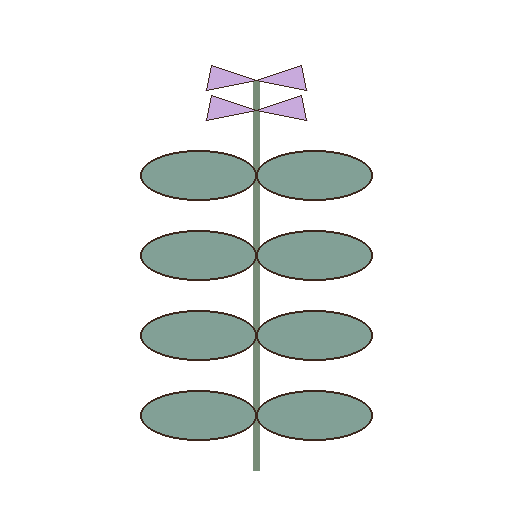 Large Beardtongue Leaves1 ẹyọOmi1 ẹyọ
Àwọn irinṣẹ́ tí a nílò:
Ìkòkò amọ̀Ihò ináAṣọ wàrà-dídì5
5
Washes on the body
Washes on the body
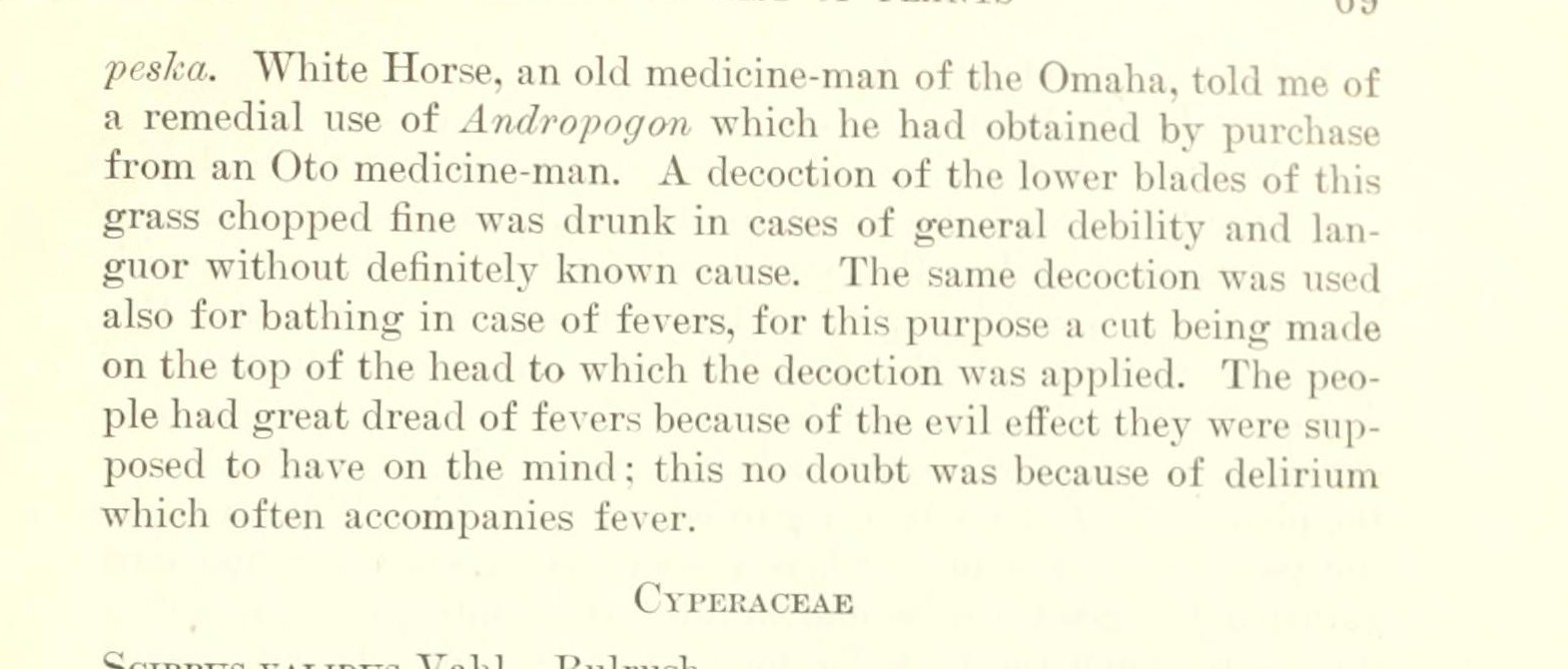
Blazing star (Gilmore gives only its Dakota name): strip the stems of their leaves and pound them for the gummy yellow juice; boil and strain it and apply it outside. Winnebago: dip a handful of wild tarragon tops in warm water and sprinkle the body. Oto, via the Omaha White Horse: a decoction of big bluestem lower blades, chopped fine, was used for bathing in fevers (and drunk for weakness); it was put on a cut made on top of the head (history only, ours: do not cut).
Àwọn ohun èlò fún ìgbésẹ̀ yìí:
 Bractless Blazing Star Stems1 ẹyọ
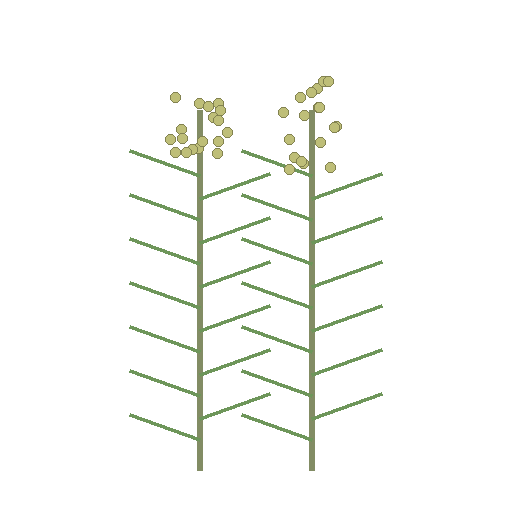 Wild Tarragon Tops1 ẹyọ
 Big Bluestem Leaf Blades1 ẹyọOmi1 ẹyọ
Àwọn irinṣẹ́ tí a nílò:
 Odó àti Ọmọ Odó ÒkútaỌ̀bẹÌkòkò amọ̀Ihò ináAṣọ wàrà-dídì
6
6
Troubleshooting
Troubleshooting
Fever safety.
Flow
Loading...
7
7
History and honest limits
History and honest limits
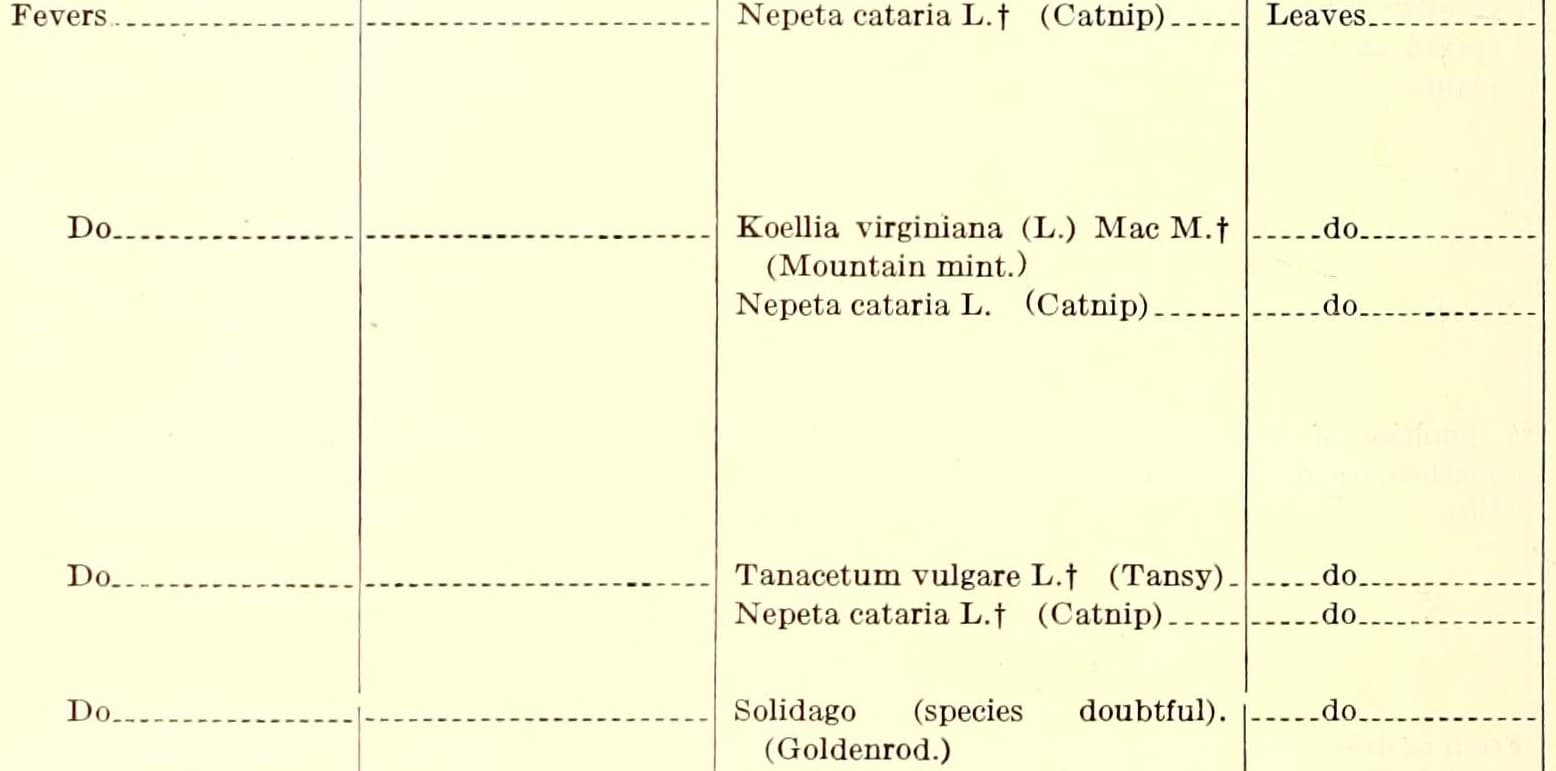
From Melvin R. Gilmore, *Uses of Plants by the Indians of the Missouri River Region*, **33rd Annual Report of the Bureau of American Ethnology** (1919), pp. 69, 70, 77, 78, 92, 103, 114 and 134 (checked on the archive.org scan usesofplantsbyin00gilm). Gilmore wrote down what Omaha, Ponca, Pawnee, Dakota, Winnebago and Oto people told him; each remedy is credited to the tribe he names. Left out: crushed columbine seeds (Pawnee), blue cohosh root (Omaha) and little rattle-pod root (Teton Dakota), because those plants are poisonous. Safety lines are ours. Recorded use, not medical advice.
Àwọn ohun-èlò
9- 1 ẹyọÀyè
- 1 ẹyọÀyè
- 1 ẹyọÀyè
- 4 ẹyọÀyè
- 1 ẹyọÀyè
- Àyè
- Àyè
- 1 ẹyọÀyè
- Àyè
Ìtọ́nisọ́nà yìí ń ṣe
Blueprint tó jọra
Àwọn blueprint wọ̀nyí pín ìmọ̀ — ọ̀nà, ohun-èlò tàbí ìlànà
CC0 Àgbègbè Gbogbogbò
Blueprint yìí ti jáde lábẹ́ CC0. O lè ṣe àdàkọ, yí padà, pín, àti lò láìsí ìyọ̀ǹda.
Ṣàtìlẹ́yìn Olùṣẹ́dá nípa rírà àwọn ọjà nipasẹ̀ Blueprint wọn Ẹ̀san Olùṣẹ́dá tí àwọn Olùtajà gbé kalẹ̀, tàbí ṣẹ̀dá àtúnṣe tuntun ti Blueprint yìí kí o sì fi sínú Blueprint rẹ gẹ́gẹ́ bí ìsopọ̀ láti pín owó-wíwọlé.