IṢẸ́ ỌNÀ
ẸWÀ ÀTI ÌLERA
IṢẸ́ ỌWỌ́
ÀṢÀ ÀTI ÌTÀN
ÌṢERÉ
ÀYÍKÁ
OÚNJẸ ÀTI OHUN MÍMU
REVERSE ENGINEERING
SÁYẸ́ǸSÌ
ERÉ ÌDÁRAYÁ
ÌMỌ̀-Ẹ̀RỌ
ÀWỌN OHUN WÍWỌ̀

Remedies for Nervousness, Bad Dreams, Fainting and Headache of the Missouri River Tribes: Pawnee Whirlwind Medicine, Cedar Smoke, Cow Parsnip Tops, Echinacea (Gilmore, 1919)
Remedies Melvin Gilmore recorded on the Missouri for nervousness and bad dreams, fainting, convulsions and headache: the Pawnee "whirlwind medicine" root of bush morning-glory in the smoke treatment or dusted on with a deer tail, cedar twig smoke (Pawnee), cow parsnip tops (Winnebago), echinacea smoke and ground cherry root for headache. Recorded use, not medical advice.
Olùbẹ̀rẹ̀
An hour
Ìlànà
1
1
Read Gilmore
Read Gilmore
Remedies for the nerves and head from Gilmore's list of plants, credited to the tribes he names. Recorded use, not medical advice: fainting, a fit or a sudden severe headache needs emergency help (ours).
2
2
Whirlwind medicine
Whirlwind medicine
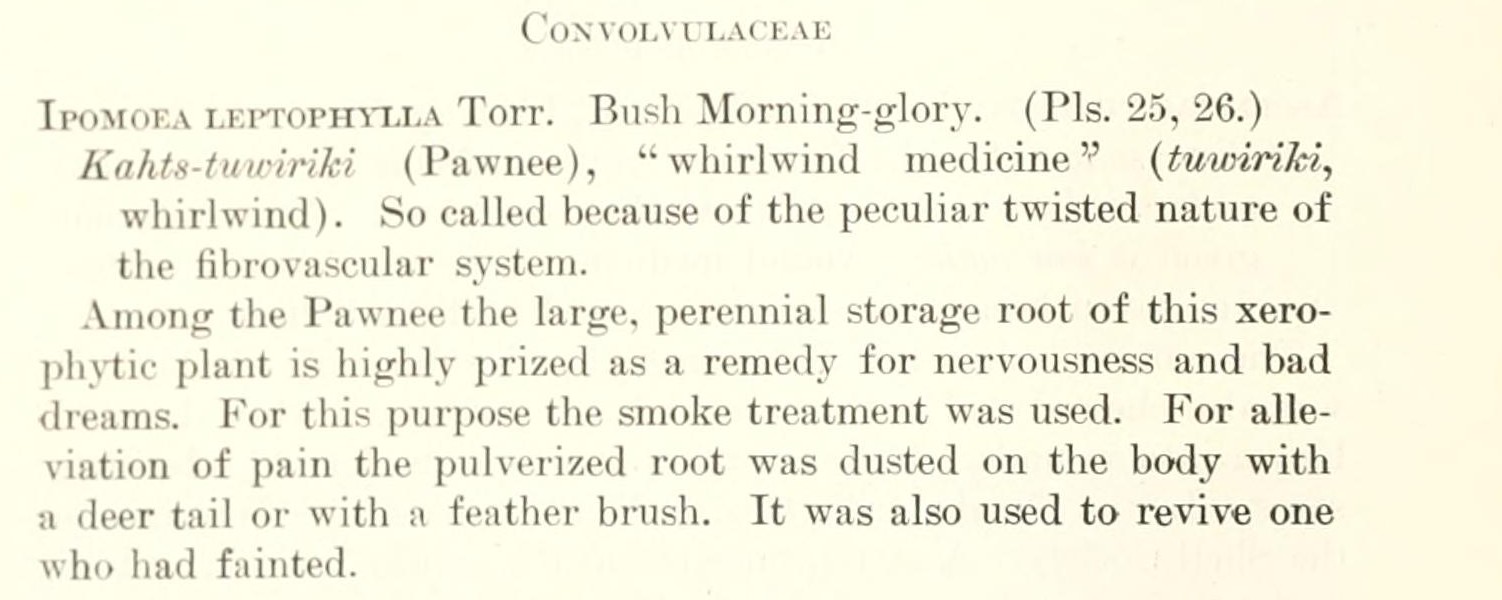
Pawnee: the large storage root of bush morning-glory, named for its twisted fibres, was "highly prized as a remedy for nervousness and bad dreams", used in the smoke treatment. "For alleviation of pain the pulverized root was dusted on the body with a deer tail or with a feather brush." It was also used to revive one who had fainted.
Àwọn ohun èlò fún ìgbésẹ̀ yìí:
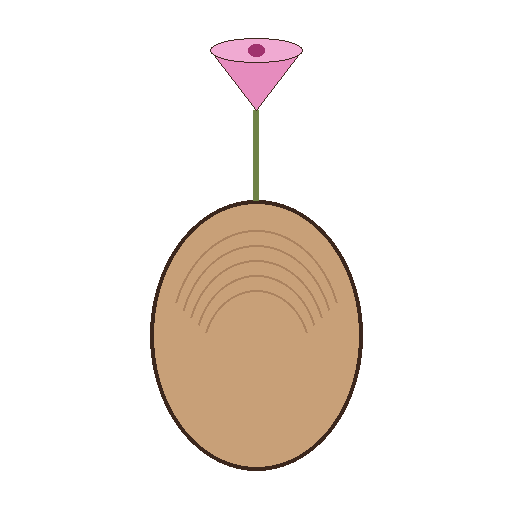 Bush Morning-glory Root1 ẹyọ
Àwọn irinṣẹ́ tí a nílò:
 Ọ̀pá ìwalẹ̀
 Ọ̀bẹ
 Odó àti Ọmọ Odó Òkúta
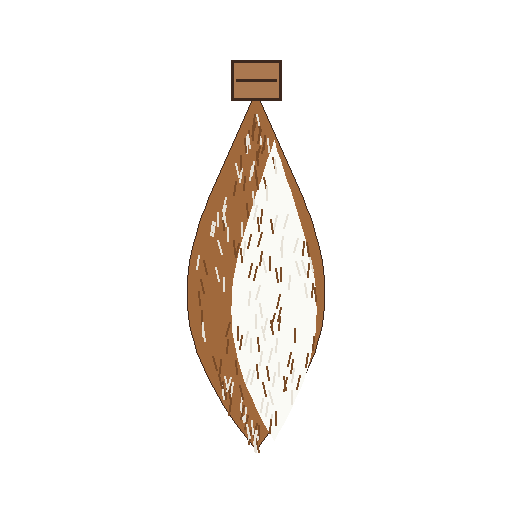 Deer Tail
 Ihò iná
 Iná àti òkúta gbígbóná
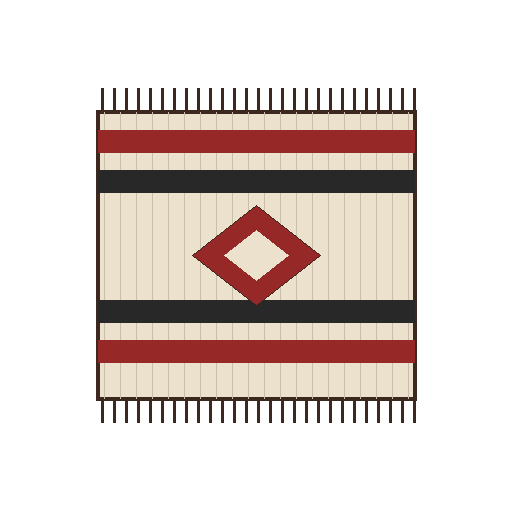 Woven Wool Blanket
3
3
Cedar smoke
Cedar smoke
Pawnee: burn cedar twigs in the smoke treatment for nervousness and bad dreams.
Àwọn ohun èlò fún ìgbésẹ̀ yìí:
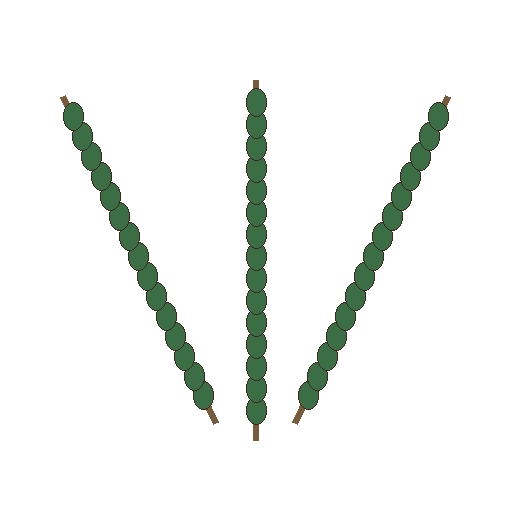 Red Cedar Twigs1 ẹyọ
Àwọn irinṣẹ́ tí a nílò:
Ihò ináWoven Wool Blanket4
4
Cow parsnip tops
Cow parsnip tops
Winnebago: the tops "were used in the smoke treatment for fainting and convulsions." Ours: gloves, the sap burns skin in sunlight.
Àwọn ohun èlò fún ìgbésẹ̀ yìí:
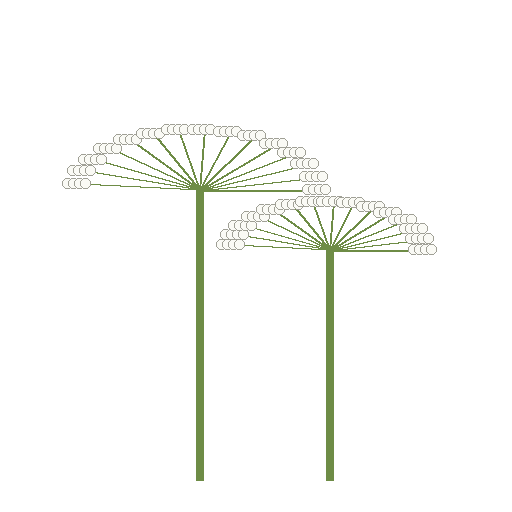 Cow Parsnip Tops1 ẹyọ
Àwọn irinṣẹ́ tí a nílò:
Ọ̀bẹIhò ináIná àti òkúta gbígbóná5
5
Headache
Headache
Echinacea "was employed in the smoke treatment for headache". A decoction of prairie ground cherry root "was used for stomach trouble and for headache."
Àwọn ohun èlò fún ìgbésẹ̀ yìí:
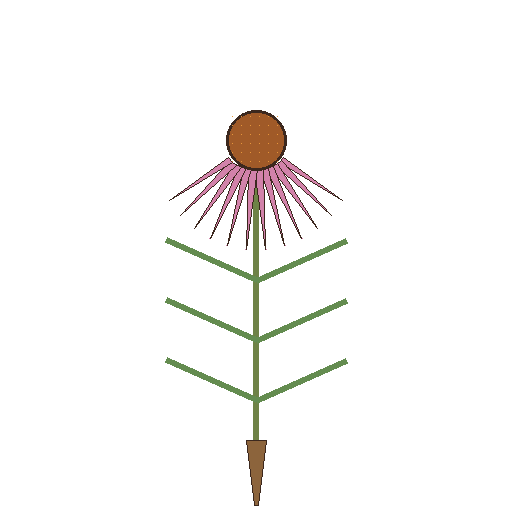 Narrow-leaved Purple Coneflower Plant1 ẹyọ
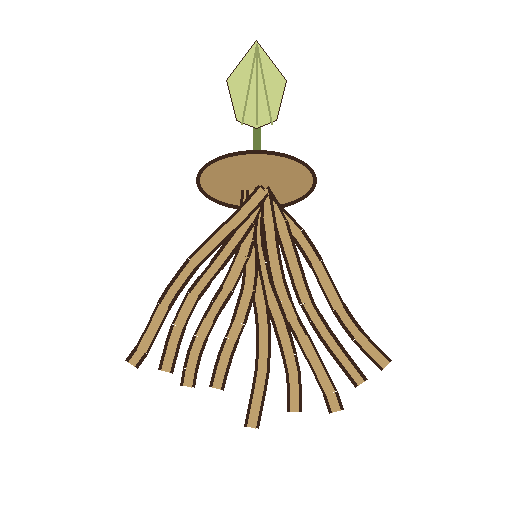 Prairie Ground Cherry Root1 ẹyọ
 Omi1 ẹyọ
Àwọn irinṣẹ́ tí a nílò:
Ọ̀pá ìwalẹ̀Ihò iná Ìkòkò amọ̀
6
6
Troubleshooting
Troubleshooting
Safety.
Flow
Loading...
7
7
History and honest limits
History and honest limits
From Melvin R. Gilmore, *Uses of Plants by the Indians of the Missouri River Region*, **33rd Annual Report of the Bureau of American Ethnology** (1919), pp. 64, 69, 90, 107, 110, 113, 117, 131 and 133 (checked on the archive.org scan usesofplantsbyin00gilm). Gilmore wrote down what Omaha, Ponca, Pawnee, Dakota, Winnebago and Oto people told him; each remedy is credited to the tribe he names. History only: Pawnee dusted powdered Jack-in-the-pulpit corm on the head and temples, and snuffed powdered Kentucky coffee-tree pod to sneeze (both poisonous plants); the Omaha snuffed fetid marigold to bring on a nosebleed for headache; wild gourd root was used by the doctrine of signatures, the top of the root for the head, with no preparation given. Safety lines are ours. Recorded use, not medical advice.
Àwọn ohun-èlò
6- Àyè
- 1 ẹyọÀyè
- 1 ẹyọÀyè
- Àyè
- 1 ẹyọÀyè
Ìtọ́nisọ́nà yìí ń ṣe
Blueprint tó jọra
Àwọn blueprint wọ̀nyí pín ìmọ̀ — ọ̀nà, ohun-èlò tàbí ìlànà
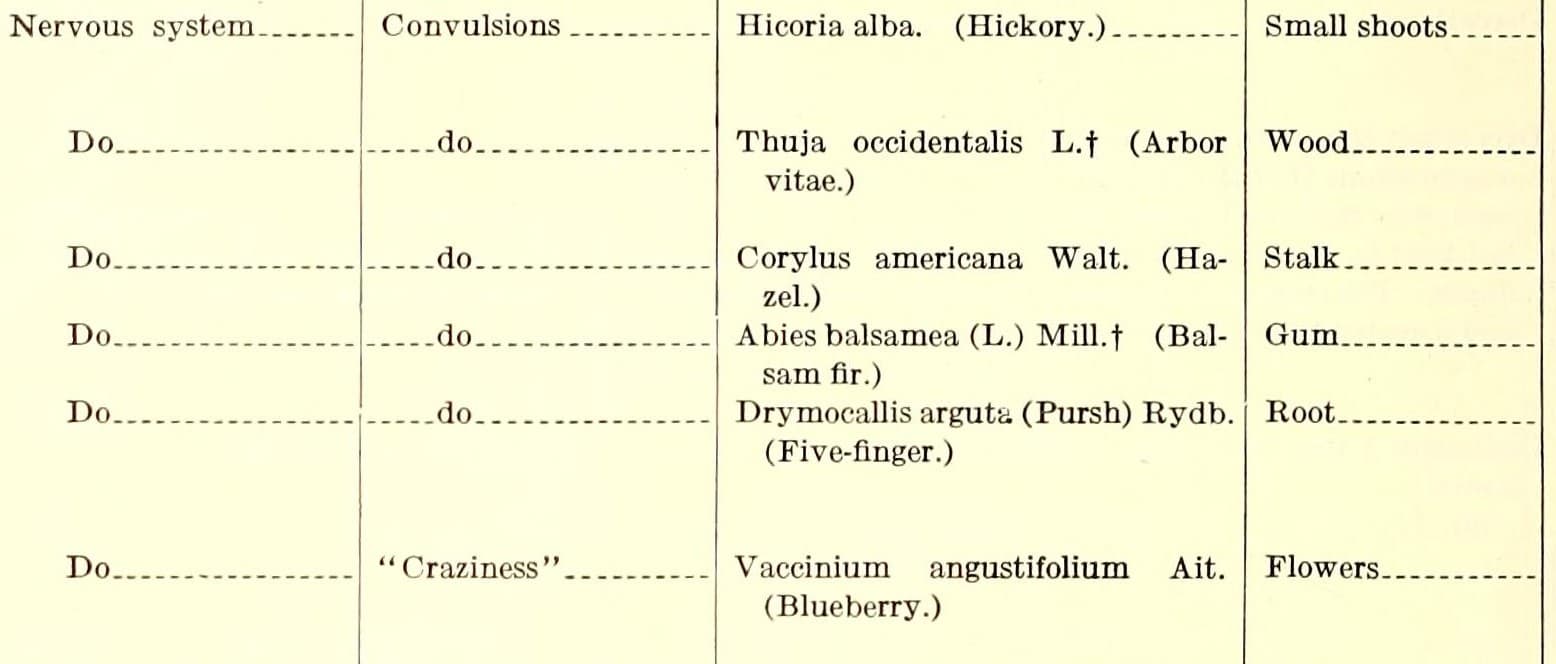
Chippewa Remedies for Convulsions: Fumes of Hickory Shoots, Balsam Gum and Blueberry Flowers on Hot Stones, and Charcoal Pricked into the Temples (Densmore, 1928)
láti ọwọ́ Bob
Ìṣègùn
9
0
0
0
0
0
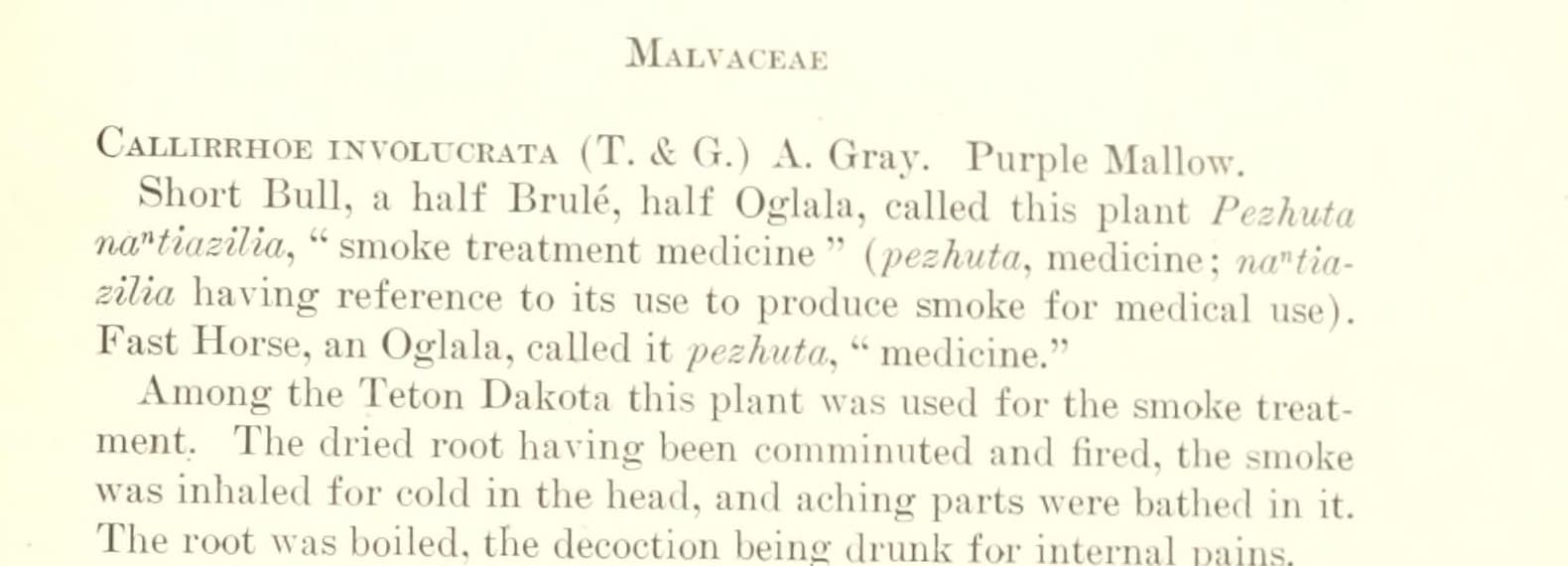
Smoke Treatments and Teas for Colds and Chest of the Missouri River Tribes: Cedar Twigs, Purple Mallow, Cup Plant, Calamus, Pennyroyal, Sunflower, Burdock (Gilmore, 1919)
láti ọwọ́ Bob
Ìṣègùn
9
0
0
0
0
0
CC0 Àgbègbè Gbogbogbò
Blueprint yìí ti jáde lábẹ́ CC0. O lè ṣe àdàkọ, yí padà, pín, àti lò láìsí ìyọ̀ǹda.
Ṣàtìlẹ́yìn Olùṣẹ́dá nípa rírà àwọn ọjà nipasẹ̀ Blueprint wọn Ẹ̀san Olùṣẹ́dá tí àwọn Olùtajà gbé kalẹ̀, tàbí ṣẹ̀dá àtúnṣe tuntun ti Blueprint yìí kí o sì fi sínú Blueprint rẹ gẹ́gẹ́ bí ìsopọ̀ láti pín owó-wíwọlé.