IṢẸ́ ỌNÀ
ẸWÀ ÀTI ÌLERA
IṢẸ́ ỌWỌ́
ÀṢÀ ÀTI ÌTÀN
ÌṢERÉ
ÀYÍKÁ
OÚNJẸ ÀTI OHUN MÍMU
REVERSE ENGINEERING
SÁYẸ́ǸSÌ
ERÉ ÌDÁRAYÁ
ÌMỌ̀-Ẹ̀RỌ
ÀWỌN OHUN WÍWỌ̀
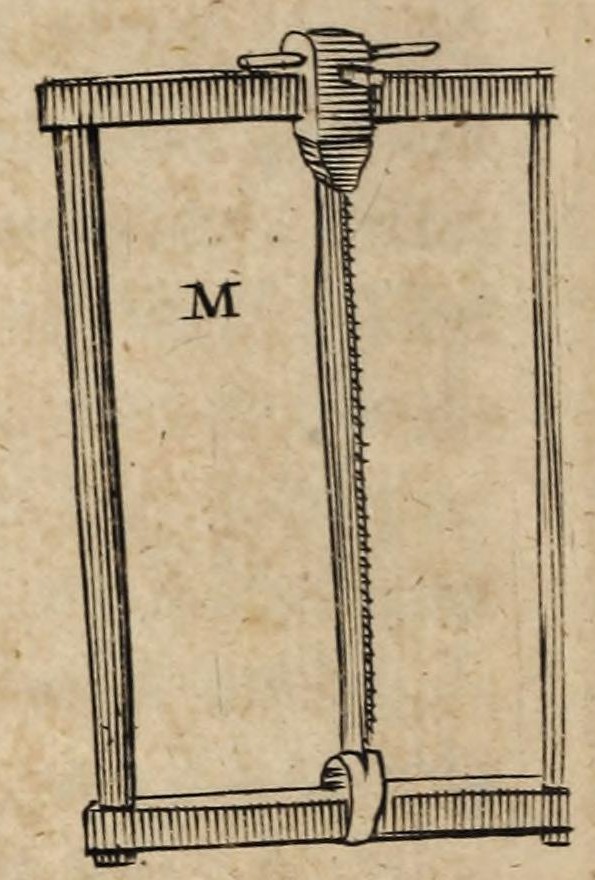


Pit-Sawing Square Timber and Battens from a Log (Moxon, 1678)
How sawyers and joiners in Moxon's day ripped a log into squares, quarters and battens: lines struck with a chalked string, the log wedged over a saw-pit or on high trestles and plumbed true, and a framed pit-saw worked by a top-man and a pit-man, with wedges in the kerf to keep it open.
Àárín
A day per log (two people)
Ìlànà
1
1
Setting off a scantling
Setting off a scantling
Ń ṣí ìwé Jupyter…
2
2
Read Mechanick Exercises
Read Mechanick Exercises
"If they would take any Square, Quarter, or Batten, &c. off, they first set off their Scantlin."
3
3
Set off the size
Set off the size
Open the compasses to the size you want plus the saw's kerf (e.g. 70 mm + kerf for a 70 x 70 mm square) and prick that distance from one side at both ends of the log. Set off exactly the size and the piece comes out half a kerf thinner.
Àwọn ohun èlò fún ìgbésẹ̀ yìí:
 Àwọn igi rírọ̀1 ẹyọ
Àwọn irinṣẹ́ tí a nílò:
 Kọ́mpàsì olójú méjì
 Okùn Ìdíwọ̀n
4
4
Line the stuff
Line the stuff
Chalk a line hard, hold it on the pricks at both ends, strain it stiff, lift the middle straight up and let it snap down to leave a chalk line. Mark the underside the same way. Working alone, hook the line on a compass point or a nail at one end.
Àwọn irinṣẹ́ tí a nílò:
 Okùn ìsàmì ẹfunKọ́mpàsì olójú méjì
5
5
Set up over the pit
Set up over the pit
Wedge the log fast over a saw-pit, or on two strong trestles a little more than man-high with four spreading legs. Plumb the side the lines were set from so it hangs exactly upright, or the piece will be thicker at top or bottom.
Àwọn irinṣẹ́ tí a nílò:
 Àwọn ìgé igi
 Ohun ìdọ́gba tí ó rọ̀
6
6
Saw
Saw
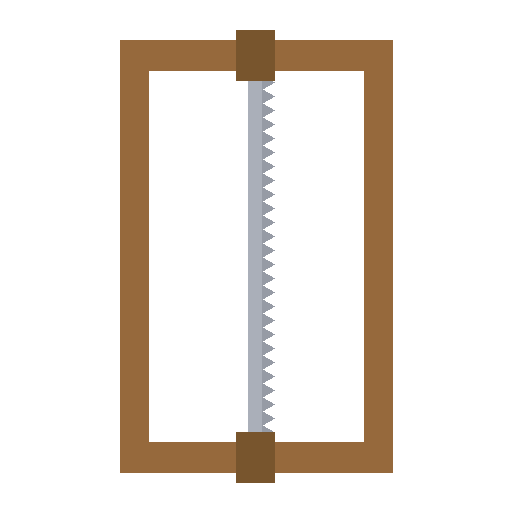
Enter the pit-saw at one end: the top-man on the log guides it exactly in the line and draws it a little towards him on the down stroke; the pit-man below pulls straight down with all his strength, not so far that the handles drop out of reach. On the up stroke bear the teeth off the wood. When the sawn pieces pinch the blade, drive a wedge into the kerf, as far as you dare without splitting it.
Àwọn irinṣẹ́ tí a nílò:
 Pit SawÀwọn ìgé igi
 Òòlù Igi
7
7
Square and batten
Square and batten
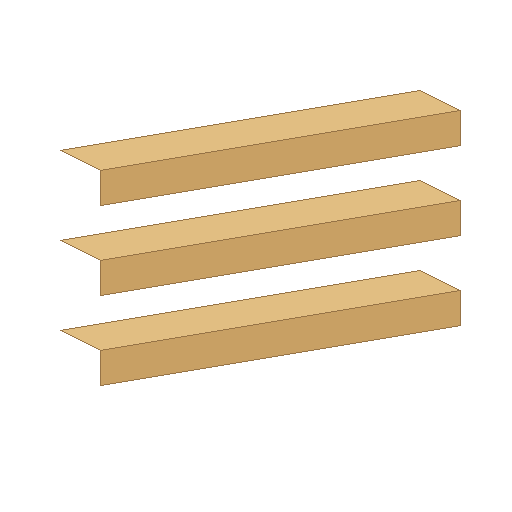
Turn the log and line and saw the other faces the same way to get squares (70 x 70 mm here) and thinner battens.
Àwọn irinṣẹ́ tí a nílò:
Pit SawOkùn ìsàmì ẹfunKọ́mpàsì olójú méjì8
8
Troubleshooting
Troubleshooting
Pit-sawing troubleshooting.
Flow
Loading...
9
9
History and honest limits
History and honest limits
From Joseph Moxon, **Mechanick Exercises**, Numb. V, Joinery (1678), §27, pp. 96-98, and Plate 4 M (checked on the archive.org scan mechanickexercis00moxo). Softwood, the 70 mm size and the kerf figure are ours.
Àwọn ohun-èlò
1- 1 ẹyọÀyè
Ìtọ́nisọ́nà yìí ń ṣe
CC0 Àgbègbè Gbogbogbò
Blueprint yìí ti jáde lábẹ́ CC0. O lè ṣe àdàkọ, yí padà, pín, àti lò láìsí ìyọ̀ǹda.
Ṣàtìlẹ́yìn Olùṣẹ́dá nípa rírà àwọn ọjà nipasẹ̀ Blueprint wọn Ẹ̀san Olùṣẹ́dá tí àwọn Olùtajà gbé kalẹ̀, tàbí ṣẹ̀dá àtúnṣe tuntun ti Blueprint yìí kí o sì fi sínú Blueprint rẹ gẹ́gẹ́ bí ìsopọ̀ láti pín owó-wíwọlé.