IṢẸ́ ỌNÀ
ẸWÀ ÀTI ÌLERA
IṢẸ́ ỌWỌ́
ÀṢÀ ÀTI ÌTÀN
ÌṢERÉ
ÀYÍKÁ
OÚNJẸ ÀTI OHUN MÍMU
REVERSE ENGINEERING
SÁYẸ́ǸSÌ
ERÉ ÌDÁRAYÁ
ÌMỌ̀-Ẹ̀RỌ
ÀWỌN OHUN WÍWỌ̀
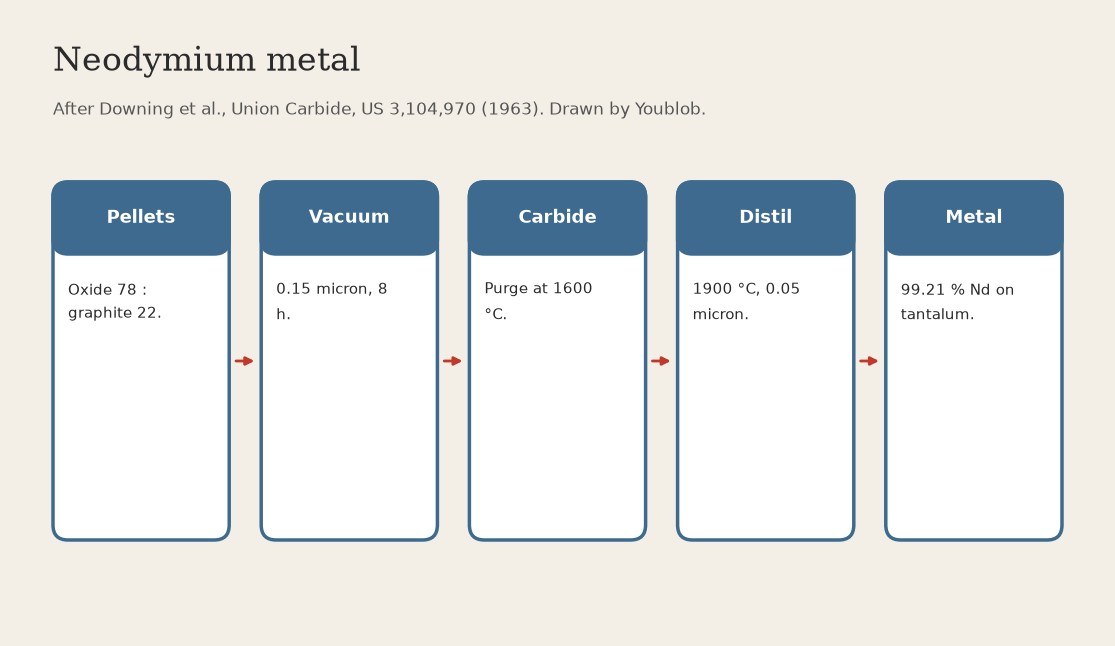


Neodymium Metal: Oxide Reduced by Graphite in Vacuum, Distilled at 1900 °C onto Tantalum (Downing, Union Carbide, US 3,104,970)
Carbon cannot pull neodymium out of its oxide in an ordinary furnace. In a hard vacuum it can: the oxide and graphite turn into neodymium carbide, and at 1900 °C the neodymium itself boils off and condenses as metal on a cool tantalum plate.
Result: neodymium metal, 99.21 % Nd and 0.83 % carbon in Union Carbide's run.
Source: Downing, Gorski and Koerner, US 3,104,970 (Union Carbide, 1963), Example II. That example starts from a samarium-neodymium mixture; using it for pure neodymium oxide is ours. Picture drawn by Youblob.
Ilọsíwájú
2 days
Ìlànà
1
1
Mix with graphite and pelletise
Mix with graphite and pelletise
Mix the oxide intimately with powdered graphite (Example II: 78 % oxides to 22 % graphite by weight, 1.8 % carbon over theory; the patent allows 1-15 %, prefers 5-10 %), particles under about 50 microns, and press into 0.75 in pellets.
Àwọn ohun èlò fún ìgbésẹ̀ yìí:
 Neodímíọ̀mù ọ́síìdì78 parts
 Ẹ̀kù Graphite22 parts
Àwọn irinṣẹ́ tí a nílò:
 Òǹwọ̀n ìdọ́gba
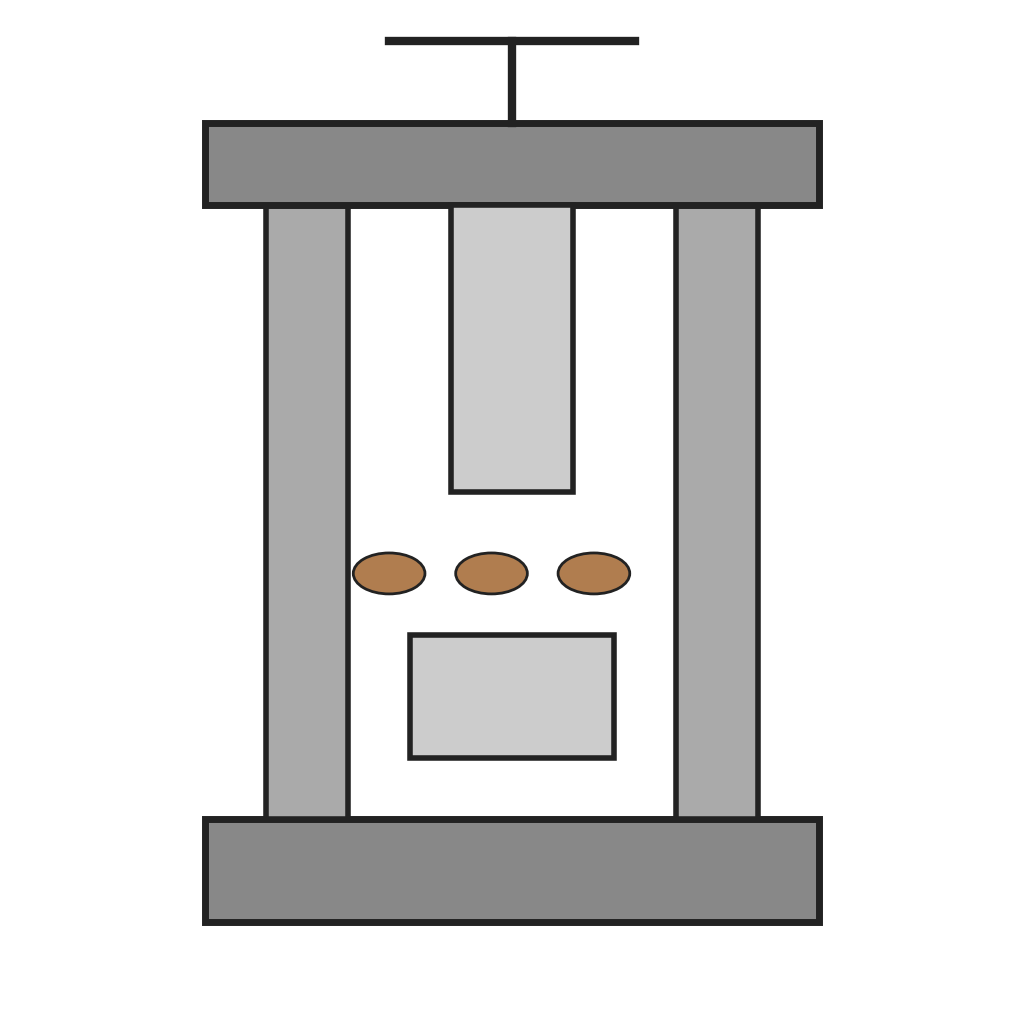 Ẹ̀rọ títẹ òògùn
2
2
Reduce in vacuum to the carbide
Reduce in vacuum to the carbide
Heat the pellets in a vacuum induction furnace at 0.15 micron for about 8 hours. The example's temperature is printed "1700-1700 °C"; claim 5 gives about 1920 °C for about 16 hours. Volatile matter goes to a graphite condenser; the neodymium stays behind as carbide.
Àwọn irinṣẹ́ tí a nílò:
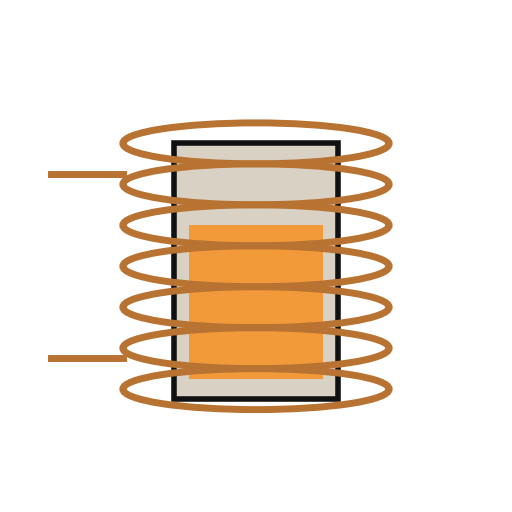 Ìléru induction
 Ẹ̀rọ ìfàfẹ́fẹ́jáde
 Ìkòkò ìyọ́ gíráfáìtì
3
3
Purge at 1600 °C
Purge at 1600 °C
Reheat the carbide residue in a carbon crucible at 1600 °C and 0.05 micron for 1 hour (in the example this drove off the last samarium). The residue is substantially pure neodymium carbide.
Àwọn irinṣẹ́ tí a nílò:
Ìléru inductionẸ̀rọ ìfàfẹ́fẹ́jádeÌkòkò ìyọ́ gíráfáìtì4
4
Distil the metal at 1900 °C onto tantalum
Distil the metal at 1900 °C onto tantalum
Heat it in a graphite crucible to 1900 °C at 0.05 micron for 3 hours. Neodymium boils off and condenses on a tantalum plate, which barely alloys with it: 99.21 % neodymium, 0.83 % carbon.
Àwọn irinṣẹ́ tí a nílò:
Ìléru inductionẸ̀rọ ìfàfẹ́fẹ́jádeÌkòkò ìyọ́ gíráfáìtì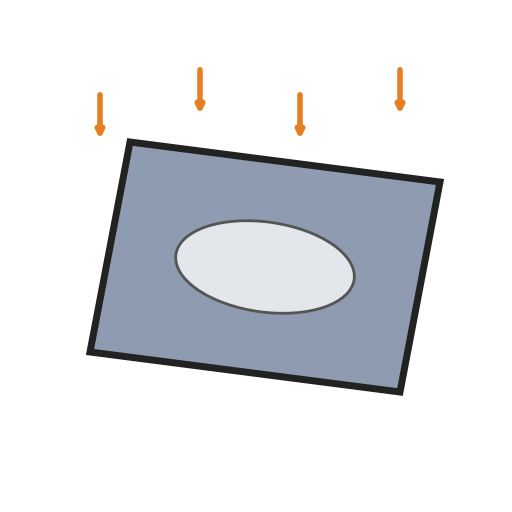 Pẹpẹ ìṣàkójọ tántálọ́ọ̀mù
Àwọn ohun-èlò
2- 78 partsÀyè
- 22 partsÀyè
Àwọn irinṣẹ́ tó nílò
6- 1 vendor sell this, none ship to you yetÀyè
Ìtọ́nisọ́nà yìí ń ṣe
Blueprint tó jọra
Àwọn blueprint wọ̀nyí pín ìmọ̀ — ọ̀nà, ohun-èlò tàbí ìlànà
CC0 Àgbègbè Gbogbogbò
Blueprint yìí ti jáde lábẹ́ CC0. O lè ṣe àdàkọ, yí padà, pín, àti lò láìsí ìyọ̀ǹda.
Ṣàtìlẹ́yìn Olùṣẹ́dá nípa rírà àwọn ọjà nipasẹ̀ Blueprint wọn Ẹ̀san Olùṣẹ́dá tí àwọn Olùtajà gbé kalẹ̀, tàbí ṣẹ̀dá àtúnṣe tuntun ti Blueprint yìí kí o sì fi sínú Blueprint rẹ gẹ́gẹ́ bí ìsopọ̀ láti pín owó-wíwọlé.