IṢẸ́ ỌNÀ
ẸWÀ ÀTI ÌLERA
IṢẸ́ ỌWỌ́
ÀṢÀ ÀTI ÌTÀN
ÌṢERÉ
ÀYÍKÁ
OÚNJẸ ÀTI OHUN MÍMU
REVERSE ENGINEERING
SÁYẸ́ǸSÌ
ERÉ ÌDÁRAYÁ
ÌMỌ̀-Ẹ̀RỌ
ÀWỌN OHUN WÍWỌ̀
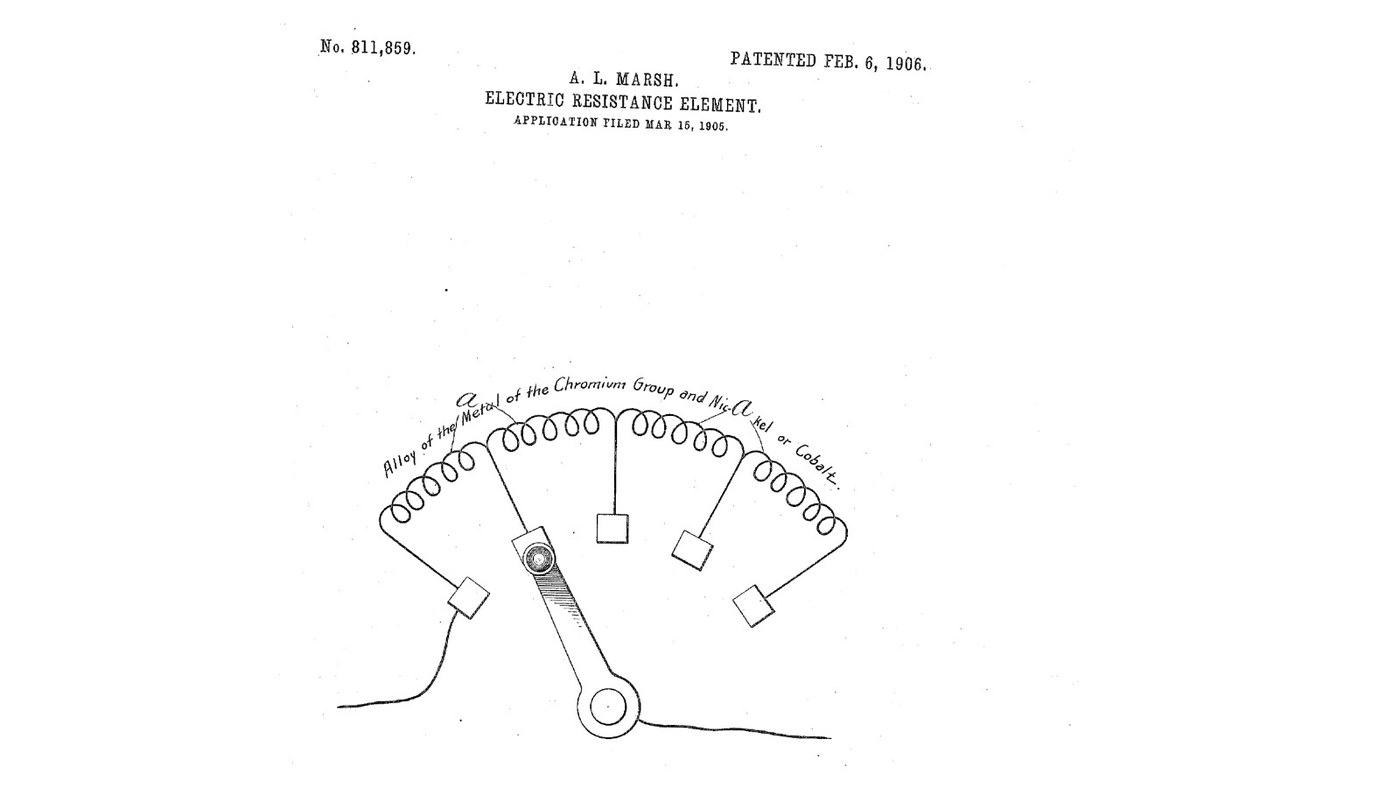


Nichrome Wire: Nickel and Chromium Fused, Drawn and Annealed
Nichrome is the heating wire of toasters and irons. Albert Marsh patented it in 1906: nickel with less than 25 % chromium, drawn into wire and annealed, with about fifty times the resistance of copper and great resistance to oxidation when hot. Iron, he wrote, will not do. Elwood Haynes (1907) fused pure, carbon-free nickel and chromium in a magnesia crucible under an oxyhydrogen flame. White heat: face shield and gloves.
The picture: Marsh's patent drawing, a rheostat wound with the alloy (US 811,859).
Ilọsíwájú
3 days
Ìlànà
1
1
Weigh 85 nickel to 15 chromium
Weigh 85 nickel to 15 chromium
Cut 85 g of nickel sheet into small pieces and weigh 15 g of chromium: Marsh's own example. Both must be pure and free of carbon.
Àwọn ohun èlò fún ìgbésẹ̀ yìí:
 Ewé nickel85 g
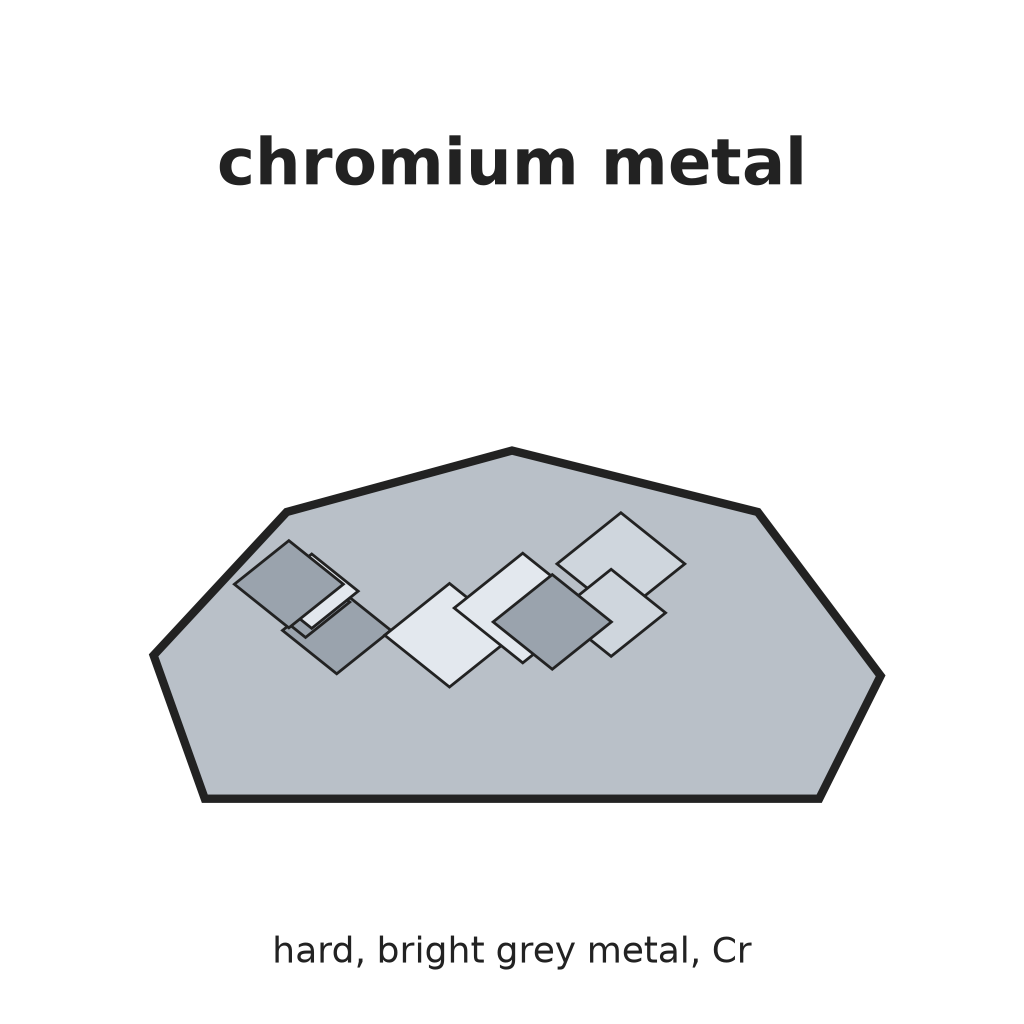 Irin Kírómíọ́mù15 g
Àwọn irinṣẹ́ tí a nílò:
 Àlùmọ́gàjí irin
 Òǹwọ̀n ìdọ́gba
2
2
Fuse under the oxyhydrogen flame
Fuse under the oxyhydrogen flame
Put the metals in a magnesia crucible, set it in a furnace lined with magnesia, and heat it with the oxyhydrogen blowpipe until both have melted together.
Àwọn irinṣẹ́ tí a nílò:
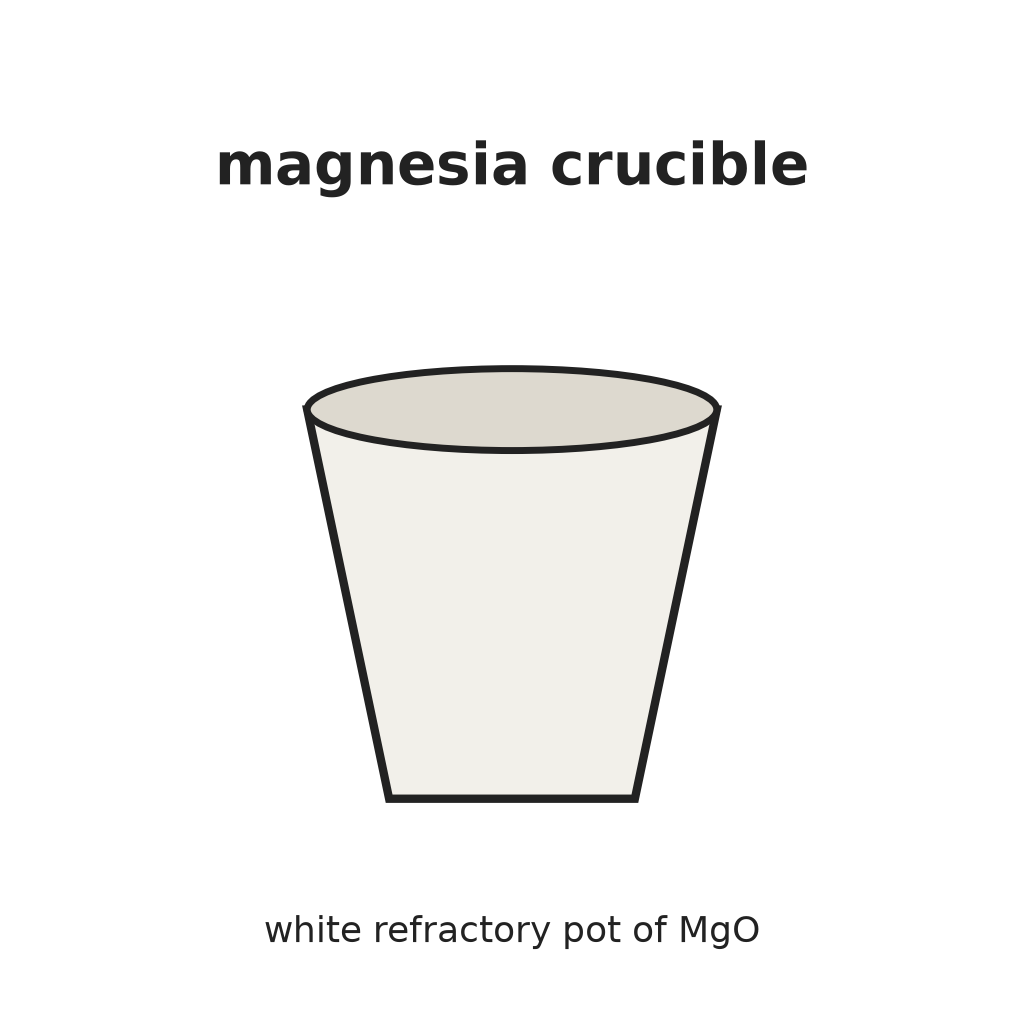 Ìkòkò Magnẹ́síà
 Ọ́sáídì magnesium
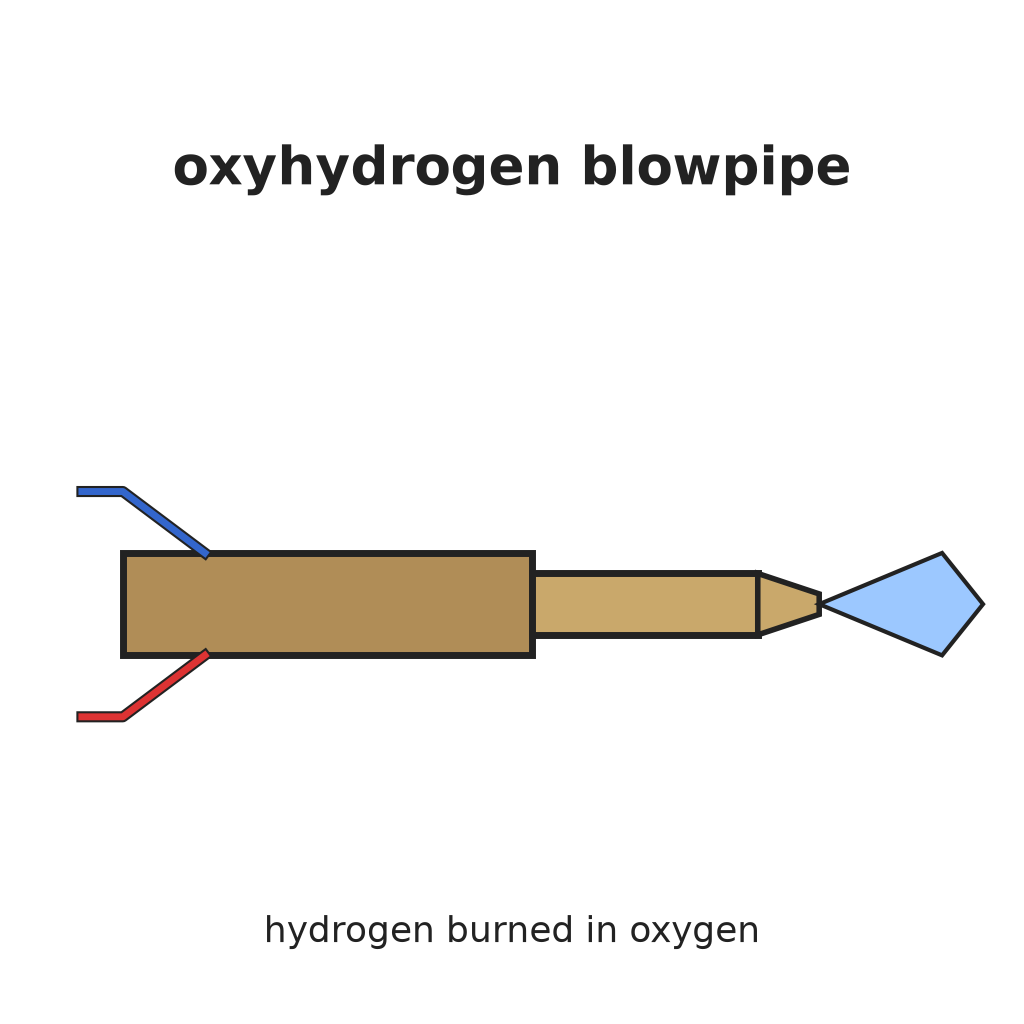 Páìpù Ìfẹ́ Òkísíháídírójìn
 Ẹmú Ìkòkò Ìyọ́
 Ààbò Ojú Gbogbo
 Ìbọ̀wọ́ Awọ
3
3
Cast a rod
Cast a rod
Pour the alloy into a narrow mould to get a rod that will start in the largest hole of the drawplate.
Àwọn irinṣẹ́ tí a nílò:
 Àwòṣe fún ìṣù irinẸmú Ìkòkò Ìyọ́Ààbò Ojú GbogboÌbọ̀wọ́ Awọ
4
4
Draw and anneal
Draw and anneal
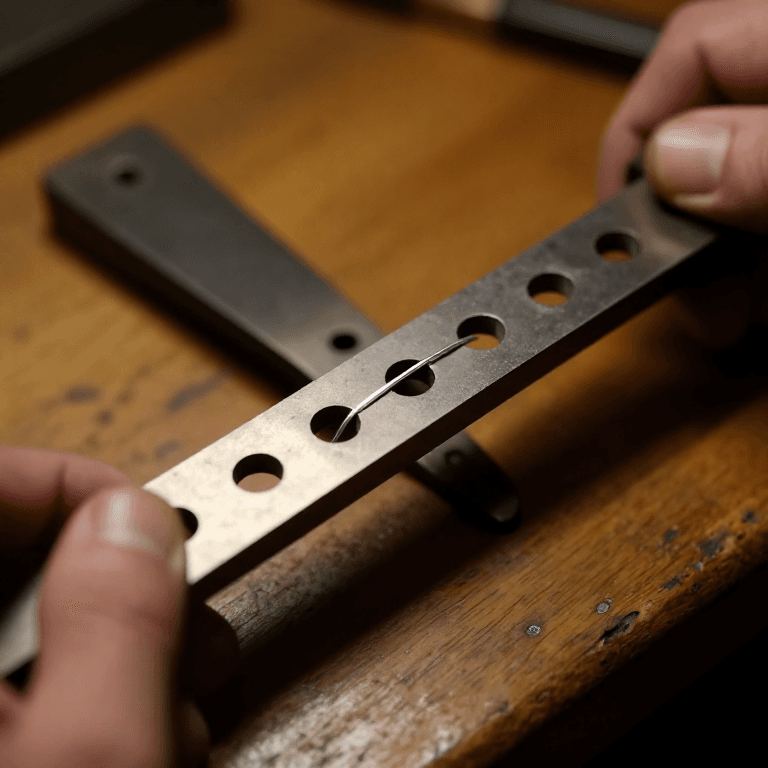
Draw the rod down through the drawplate one hole at a time, as in the drawplate blueprint, and anneal it in the furnace whenever it gets hard. Marsh gives no annealing temperature. Stop at 0.41 mm (0.016 in).
Àwọn irinṣẹ́ tí a nílò:
 Àwo ìfàokùn irin
 Ẹmú ìfàgùn
 Èròjà ìdẹ̀rọ̀ fún fífa wáyà
 Ààrò Èédú
 MáíkírómítàÌbọ̀wọ́ Awọ
5
5
Check the resistance
Check the resistance
Measure one metre with the multimeter. Marsh's 15 % wire of this size measured about 2.3 ohms per foot, which is 7.5 ohms per metre.
Àwọn irinṣẹ́ tí a nílò:
 Òǹwọ̀n iná mànàmáná onírúurú
Àwọn ohun-èlò
2- 85 gÀyè
- 15 gÀyè
Àwọn irinṣẹ́ tó nílò
15- Àyè
- Àyè
- Àyè
- Àyè
Ìtọ́nisọ́nà yìí ń ṣe

Blueprint tó jọra
Àwọn blueprint wọ̀nyí pín ìmọ̀ — ọ̀nà, ohun-èlò tàbí ìlànà
CC0 Àgbègbè Gbogbogbò
Blueprint yìí ti jáde lábẹ́ CC0. O lè ṣe àdàkọ, yí padà, pín, àti lò láìsí ìyọ̀ǹda.
Ṣàtìlẹ́yìn Olùṣẹ́dá nípa rírà àwọn ọjà nipasẹ̀ Blueprint wọn Ẹ̀san Olùṣẹ́dá tí àwọn Olùtajà gbé kalẹ̀, tàbí ṣẹ̀dá àtúnṣe tuntun ti Blueprint yìí kí o sì fi sínú Blueprint rẹ gẹ́gẹ́ bí ìsopọ̀ láti pín owó-wíwọlé.