
IṢẸ́ ỌNÀ
ẸWÀ ÀTI ÌLERA
IṢẸ́ ỌWỌ́
ÀṢÀ ÀTI ÌTÀN
ÌṢERÉ
ÀYÍKÁ
OÚNJẸ ÀTI OHUN MÍMU
REVERSE ENGINEERING
SÁYẸ́ǸSÌ
ERÉ ÌDÁRAYÁ
ÌMỌ̀-Ẹ̀RỌ
ÀWỌN OHUN WÍWỌ̀
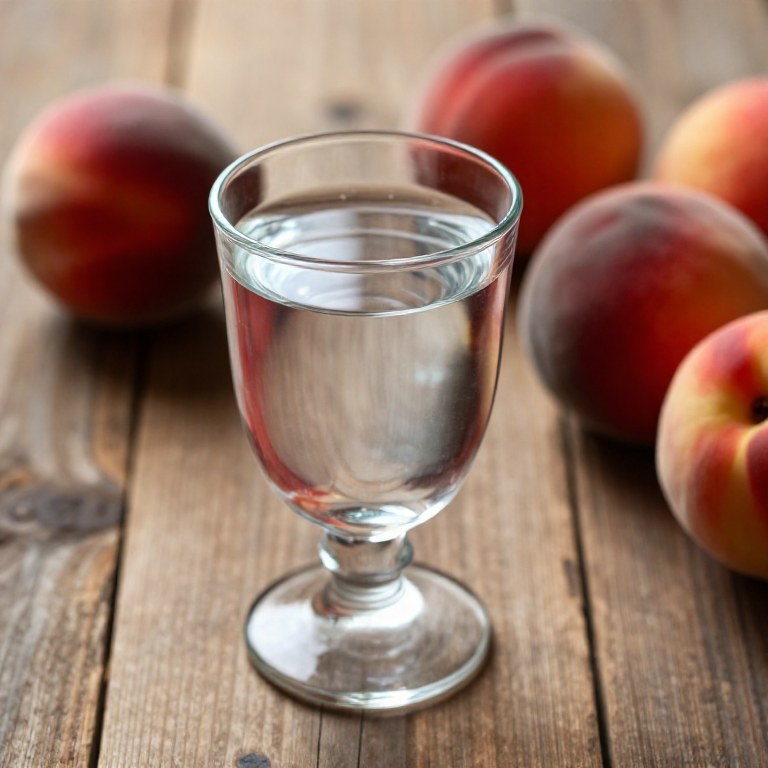
Peach Brandy: Peaches Pounded and Pressed Like Apples, Fermented and Distilled (Byrn, 1868)
Alchometer

Ṣẹ́dá nipasẹ̀

Alchometer

18. Oṣù Kọkànlá 2026GB
5
0
0
0
0

Peach Brandy: Peaches Pounded and Pressed Like Apples, Fermented and Distilled (Byrn, 1868)

Peach brandy as M. La Fayette Byrn gives it in The Complete Practical Distiller (1868): peaches pounded with large pestles and pressed like apples, the juice fermented and distilled to low wines, doubled and cut at the bead. A hogshead of pure juice yields "from 10 to 12 gallons of the best brandy". Distilling spirits without a licence is illegal in many countries: check your law first.
Ilọsíwájú
About 3 weeks

Ìlànà

1

Read Byrn, and the law

"Upon distillation they yield a spirit remarkably fine and agreeable, which is made use of very much in the mixing of liquors." (p. 137.) Ours: distilling spirits without a licence is illegal in many countries, Norway and the United States among them. Check your law first.
2

The still

A pot still with a worm in a tub of cold water.
3

His yield

Ń ṣí ìwé Jupyter…
4

Pound the peaches

Throw ripe peaches into a large trough and pound them with large pestles until completely mashed. Ours: leave the stones whole.

Àwọn ohun èlò fún ìgbésẹ̀ yìí:

PeachPeach1 as required

Àwọn irinṣẹ́ tí a nílò:

Àwokòtò igiÀwokòtò igi
Ọmọ odó igiỌmọ odó igi
5

Press like apples

Press out the juice after the manner of pressing apples, which Byrn calls "far preferable to all other modes".

Àwọn irinṣẹ́ tí a nílò:

Ẹ̀rọ ìfún èso àjàràẸ̀rọ ìfún èso àjàrà
6

Ferment, then the stick test

Ferment the juice in vats or casks as for cider, six to twelve days by the weather. When a stick drawn from the centre no longer brings a hissing noise, it is fit for the still.

Àwọn irinṣẹ́ tí a nílò:

Àgbá igiÀgbá igi
Ọ̀pá igiỌ̀pá igi
7

Charge and lute the still

Charge the still with the fermented peach juice. Lute the joints of body and head with a paste of half whiting and half rye meal. Keep a piece of paste in reserve.

Àwọn ohun èlò fún ìgbésẹ̀ yìí:

Calcium carbonate (ẹfun funfun)Calcium carbonate (ẹfun funfun)1 as required
Ìyẹ̀fun ryeÌyẹ̀fun rye1 as required
OmiOmi1 as required

Àwọn irinṣẹ́ tí a nílò:
Ẹ̀rọ ìpọn-ọtíẸ̀rọ ìpọn-ọtí
8

Raise the fire by degrees

Start a moderate fire and increase it by degrees, feeling the body of the still with your hand. When the still-head grows hot, damp the fire. Keep candles and flames away from the spirit; have a wet woollen blanket ready.

Àwọn irinṣẹ́ tí a nílò:

Ẹ̀rọ ìpọn-ọtíẸ̀rọ ìpọn-ọtí
Woven Wool BlanketWoven Wool Blanket
9

Set aside the first runnings

Ours, not Byrn's: collect the first small portion that runs from the worm separately and do not drink it; the first runnings of a fruit spirit can carry methanol.

Àwọn irinṣẹ́ tí a nílò:

Ìgò ìwọ̀nÌgò ìwọ̀n
10

Run the low wines

Distil as long as a little of what runs, thrown on the hot still-head, will take fire from a lighted paper or candle. This is the low wines, the first extraction.

Àwọn irinṣẹ́ tí a nílò:

Ẹ̀rọ ìpọn-ọtíẸ̀rọ ìpọn-ọtí
Àbẹ́làÀbẹ́là
Àgbá igiÀgbá igi
11

Double the low wines

Keep the low wines of about three distillations; they fill the still for the doubling, the second extraction. Distil them again the same way.

Àwọn irinṣẹ́ tí a nílò:

Ẹ̀rọ ìpọn-ọtíẸ̀rọ ìpọn-ọtí
12

Cut at the bead

Keep trying the spirit in a glass phial. When the bead falls at once and does not stay on the surface, change the receiver: what follows is feints.

Àwọn irinṣẹ́ tí a nílò:

Ìgò gíláàsì kékeré (fún àpẹẹrẹ)Ìgò gíláàsì kékeré (fún àpẹẹrẹ)
Ìgò ìwọ̀nÌgò ìwọ̀n
13

Collect the feints, stop the fire

Go on collecting the feints as long as they burn on the still-head. When they no longer burn, put out the fire and pour the feints into a cask of their own.

Àwọn irinṣẹ́ tí a nílò:

Àgbá igiÀgbá igi
Àbẹ́làÀbẹ́là
14

Bring to proof

Lower the spirit with water to proof by the hydrometer.

Àwọn ohun èlò fún ìgbésẹ̀ yìí:

OmiOmi1 as required

Àwọn irinṣẹ́ tí a nílò:

Òǹwọ̀n ìwúwo omiÒǹwọ̀n ìwúwo omi
Ìgò ìwọ̀nÌgò ìwọ̀n
15

Redistil the feints

When you have enough feints, charge the still with them almost to the top, add 4 lb (1.8 kg) of salt, and draw off as long as the spirit is strong enough.

Àwọn ohun èlò fún ìgbésẹ̀ yìí:

Iyọ̀Iyọ̀1.8 kg

Àwọn irinṣẹ́ tí a nílò:

Ẹ̀rọ ìpọn-ọtíẸ̀rọ ìpọn-ọtí
16

Keep it in glass

Byrn: "When brandy is kept in vessels the pores of which will not admit of any transmission of the liquor, (as glass, for instance,) the brandy will improve." (p. 95.)

Àwọn ohun èlò fún ìgbésẹ̀ yìí:

Àwọn ìgò dígí pẹ̀lú ìdéríÀwọn ìgò dígí pẹ̀lú ìdérí1 ẹyọ

Àwọn irinṣẹ́ tí a nílò:

Ìgò ìwọ̀nÌgò ìwọ̀n
17

Troubleshooting

Peach brandy problems and fixes.

Flow

Loading...
18

History and honest limits

**M. La Fayette Byrn**, *The Complete Practical Distiller* (Philadelphia, 1868), pp. 136-137. He also describes grinding peaches in a mill so the stone and kernel are mashed, "said to impart an agreeable bitter"; this blueprint follows the pressing he prefers and leaves the stones whole. He gives no strengths; the still steps are his general pot-still rules (pp. 12-15, 142, 163). Ours: the law note, setting aside the first runnings, and the hogshead size in the notebook.

Àwọn ohun-èlò

6

Àwọn irinṣẹ́ tó nílò

11

Ìtọ́nisọ́nà yìí ń ṣe

CC0 Àgbègbè Gbogbogbò

Blueprint yìí ti jáde lábẹ́ CC0. O lè ṣe àdàkọ, yí padà, pín, àti lò láìsí ìyọ̀ǹda.

Ṣàtìlẹ́yìn Olùṣẹ́dá nípa rírà àwọn ọjà nipasẹ̀ Blueprint wọn Ẹ̀san Olùṣẹ́dá tí àwọn Olùtajà gbé kalẹ̀, tàbí ṣẹ̀dá àtúnṣe tuntun ti Blueprint yìí kí o sì fi sínú Blueprint rẹ gẹ́gẹ́ bí ìsopọ̀ láti pín owó-wíwọlé.

Ìfọ̀rọ̀wérọ̀

(0)

Wọlé láti dara pọ̀ mọ́ ìfọ̀rọ̀wérọ̀

Ń gbé àwọn ọ̀rọ̀ wọlé...