IṢẸ́ ỌNÀ
ẸWÀ ÀTI ÌLERA
IṢẸ́ ỌWỌ́
ÀṢÀ ÀTI ÌTÀN
ÌṢERÉ
ÀYÍKÁ
OÚNJẸ ÀTI OHUN MÍMU
REVERSE ENGINEERING
SÁYẸ́ǸSÌ
ERÉ ÌDÁRAYÁ
ÌMỌ̀-Ẹ̀RỌ
ÀWỌN OHUN WÍWỌ̀
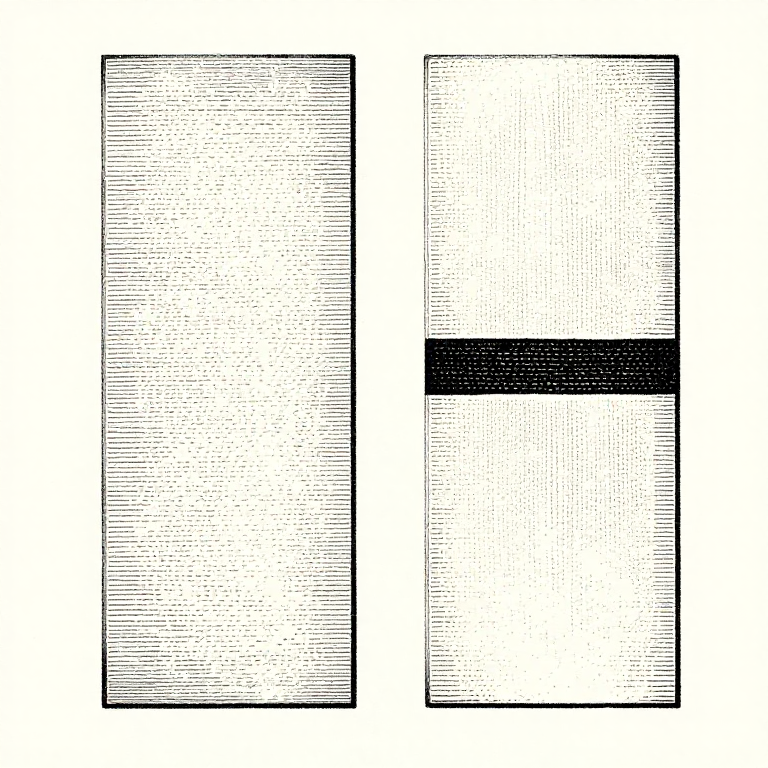


Penetration and Fusion: A Weld That Sits on Top Is Not a Weld
Welding joins metal by melting both parts so that one pool forms across the joint and freezes as a single grain structure. If only the filler melts and the parent metal merely gets hot, the result is a bead stuck on the surface — it looks like a weld, takes paint like a weld, and comes off under load.
This is the fault that kills people, because it is invisible from outside. The bead can be beautifully rippled and hold nothing.
This rung is about the difference between fusion and adhesion, what controls how deep the pool reaches, and how to prove penetration on a test piece before trusting it on a real one.
Àárín
3 hours
Ìlànà
1
1
Fusion means one pool, not two surfaces touching
Fusion means one pool, not two surfaces touching
In a fused joint the parent metal at the joint face has melted and mixed with the filler, so the boundary between them disappears — cut and etch the section and you see one continuous grain structure crossing where the joint used to be.
In a joint with lack of fusion the filler froze against a solid face. There is a sharp line there, and it is a crack by another name: zero thickness, ready-made, exactly where the stress is highest.
Brazing and soldering are adhesion on purpose — the filler wets the parent metal and the parent metal never melts — and they are perfectly sound joints because they are designed as such, with large overlapping areas and a filler chosen to wet that metal. The failure here is a joint designed for fusion that only achieved adhesion.
Àwọn ohun èlò fún ìgbésẹ̀ yìí:
 Pẹpẹ irin rírọ̀2 ẹyọ
Àwọn irinṣẹ́ tí a nílò:
 Lúpù Ìgbéga
 Ayùn Irin
 Àkójọ Ìfá
2
2
What actually controls the depth
What actually controls the depth
In rough order of how much difference each one makes:
**Current.** The strongest control by far. Penetration rises with current roughly in proportion. If the root is not fusing, this is the first dial.
**Electrode type.** A deep-penetration rod such as E6010/E6011 has a cellulose coating whose gas blast digs into the plate; E6013 has a rutile coating that runs a softer arc with a much shallower bite. Changing from an E6013 to an E6011 at the same current changes penetration more than any adjustment of hand.
**Arc length.** A short arc concentrates the heat and digs; a long arc spreads it and rides on the surface.
**Travel speed.** Slower is deeper — up to a point. Go too slow and the pool runs ahead of the arc, so the arc is heating liquid metal instead of the plate and the penetration goes down again.
**Joint preparation.** A bevel and a root gap do not increase penetration; they remove the metal the arc would otherwise have to penetrate. That is usually the cheaper answer.
Àwọn ohun èlò fún ìgbésẹ̀ yìí:
 Ọ̀pá ìdàpọ̀ irin2 àkópọ̀Pẹpẹ irin rírọ̀2 ẹyọ
Àwọn irinṣẹ́ tí a nílò:
 Ẹ̀rọ ìtanná-ìdàpọ̀ (arc welder)
 Àṣíborí wẹ́là tí ó ń ṣú fúnra rẹ̀
 Ìbọ̀wọ́ wẹ́lídìn
3
3
Proving it: cut the coupon and look
Proving it: cut the coupon and look
Penetration cannot be judged from the top of a bead, so it is proved on a test coupon welded at exactly the settings the real job will use — same rod, same current, same thickness, same position.
**Section and etch.** Cut across the weld with a hacksaw, file and abrade the cut face smooth, and swab it with a dilute acid etch. The weld metal, the heat affected zone and the parent metal etch at different rates, so the fusion boundary appears as a clear outline. Measure the depth against the plate thickness.
**Nick-break.** Saw a nick in each end of the weld, then break the coupon through the weld in a vice. The fracture face shows the full length of the weld: any unfused face shows as a flat, smooth, often shiny area against the torn grey of properly fused metal.
**Bend test.** Bend a strip with the weld at the outside of the bend. A sound weld bends with the parent metal; an unfused root opens.
Do this once for every new combination of rod, current and thickness and it stops being a guess.
Àwọn ohun èlò fún ìgbésẹ̀ yìí:
Pẹpẹ irin rírọ̀2 ẹyọ Ọ̀pá Pẹrẹsẹ Irin Pẹ́lẹ́1 ẹyọ
Àwọn irinṣẹ́ tí a nílò:
Ayùn IrinÀkójọ ÌfáLúpù Ìgbéga Ìdíwọ̀n
4
4
The special case that catches everyone: the tee joint root
The special case that catches everyone: the tee joint root
In a tee joint the two members meet in a corner, and the heat has three ways to go — into the upright, into the base, and out along both. The very corner is the hardest part of the joint to melt and the part carrying the most stress.
Two failures follow from that.
**A cold root.** The bead bridges the corner, fused to the two faces on either side but never quite reaching into the angle. Section a fillet and this shows as a notch at the root.
**One-sided fusion.** The work angle is not 45 deg, so the arc favours one member. The other gets a bead lying against it. Under load the whole fillet peels off that face.
Both are fixed the same way: enough current, a work angle genuinely halving the corner, and a short arc aimed into the root rather than at either face. On heavy sections, preheat so the corner is not quenching the pool as fast as the arc makes it.
Àwọn ohun èlò fún ìgbésẹ̀ yìí:
Pẹpẹ irin rírọ̀1 ẹyọ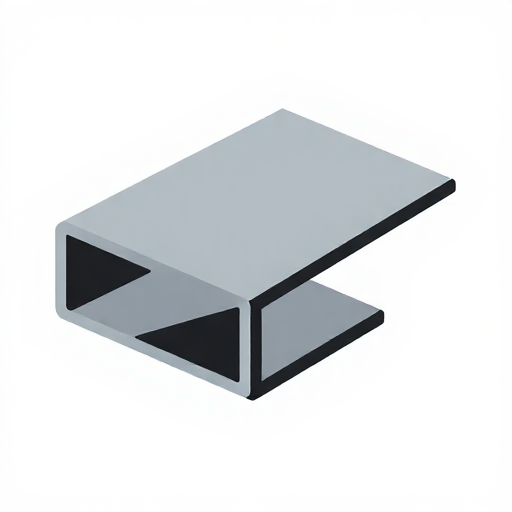 Irin igun ti irin rírọ̀1 ẹyọỌ̀pá ìdàpọ̀ irin1 àkópọ̀
Àwọn irinṣẹ́ tí a nílò:
Ẹ̀rọ ìtanná-ìdàpọ̀ (arc welder)Àṣíborí wẹ́là tí ó ń ṣú fúnra rẹ̀Ìbọ̀wọ́ wẹ́lídìn Ìwọ̀n Igun DígítàAyùn Irin
Àwọn ohun-èlò
4- 2 ẹyọÀyè
- 2 àkópọ̀Àyè
- Àyè
- Àyè
Blueprint tó jọra
Àwọn blueprint wọ̀nyí pín ìmọ̀ — ọ̀nà, ohun-èlò tàbí ìlànà

CC0 Àgbègbè Gbogbogbò
Blueprint yìí ti jáde lábẹ́ CC0. O lè ṣe àdàkọ, yí padà, pín, àti lò láìsí ìyọ̀ǹda.
Ṣàtìlẹ́yìn Olùṣẹ́dá nípa rírà àwọn ọjà nipasẹ̀ Blueprint wọn Ẹ̀san Olùṣẹ́dá tí àwọn Olùtajà gbé kalẹ̀, tàbí ṣẹ̀dá àtúnṣe tuntun ti Blueprint yìí kí o sì fi sínú Blueprint rẹ gẹ́gẹ́ bí ìsopọ̀ láti pín owó-wíwọlé.