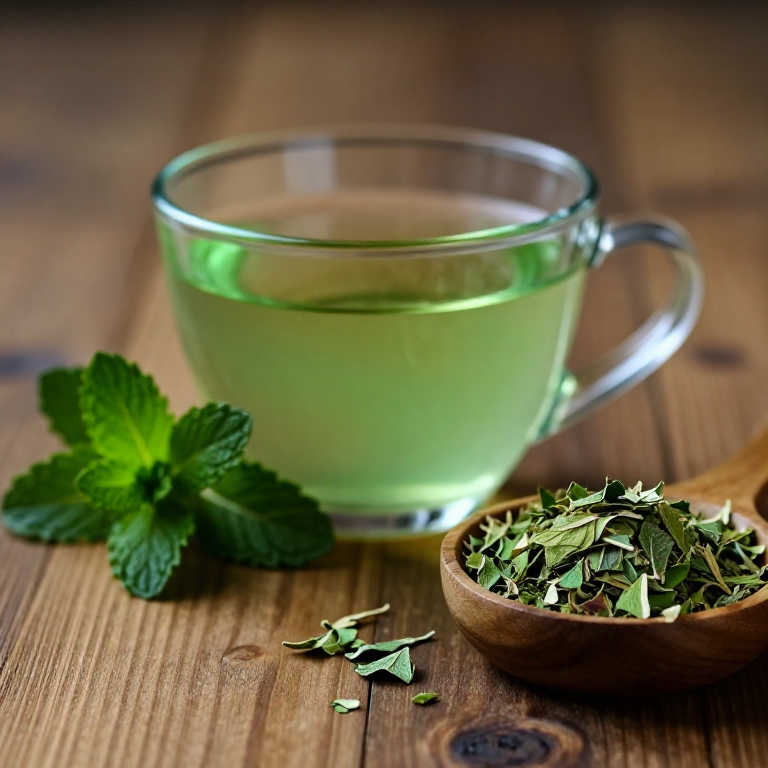

Peppermint Tea for Digestive Relief — The Cooling Herb That Calms the Stomach
Peppermint (Mentha x piperita) is a natural hybrid of watermint and spearmint that has been used as a digestive remedy for at least three thousand years. Dried peppermint leaves were found in Egyptian pyramids dating to approximately 1000 BCE. The ancient Greeks and Romans used mint after meals to aid digestion, and the practice persists worldwide today. The primary active compound is menthol, which constitutes 30-50% of the essential oil in the leaves. Menthol works by relaxing the smooth muscle of the gastrointestinal tract — it blocks calcium channels in the muscle cells, reducing spasms and allowing trapped gas to pass. This antispasmodic effect is why peppermint is so effective for bloating, gas, intestinal cramps, and irritable bowel symptoms. Menthol also activates cold-sensitive TRPM8 receptors in the mouth and throat, producing the characteristic cooling sensation. Peppermint tea is one of the most widely consumed herbal teas in the world, used both as a pleasant daily drink and as a specific medicine for digestive complaints, headaches, and nasal congestion. The plant grows vigorously in moist soil and spreads aggressively by runners — a single plant quickly colonises any available space.
Ìlànà
Identify peppermint in the field
Identify peppermint in the field
Harvest peppermint leaves at peak potency
Harvest peppermint leaves at peak potency
Àwọn irinṣẹ́ tí a nílò:
 Ìṣẹ́ná
 Agbọ̀n ìkórè
Separate leaves from stems
Separate leaves from stems
Dry the peppermint leaves
Dry the peppermint leaves
Àwọn irinṣẹ́ tí a nílò:
 Àká Ìgbẹ
 Aṣọ Òwú
Store dried peppermint properly
Store dried peppermint properly
Àwọn ohun èlò fún ìgbésẹ̀ yìí:
 Ìkòkò Seramiiki Onídìí1 ẹyọ
Prepare the medicinal infusion
Prepare the medicinal infusion
Àwọn ohun èlò fún ìgbésẹ̀ yìí:
 Ewé mint gbígbẹ4 g
 Omi Àyọ́250 ml
Àwọn irinṣẹ́ tí a nílò:
 Ìkòkò Ńlá
 Ohun ìdáná
 Ìgbá Ìmumi
Strain and serve
Strain and serve
Àwọn ohun èlò fún ìgbésẹ̀ yìí:
 Oyin1 ṣíbí ńlá
Àwọn irinṣẹ́ tí a nílò:
 Ajọ Kékeré
Use peppermint for digestive complaints
Use peppermint for digestive complaints
Use peppermint for headaches and congestion
Use peppermint for headaches and congestion
Understand cautions and contraindications
Understand cautions and contraindications
Àwọn ohun-èlò
5- Àyè
- Àyè
- 250 mlÀyè
- 1 ṣíbí ńláÀyè
- 1 ẹyọÀyè
Àwọn irinṣẹ́ tó nílò
9- Àyè
- Àyè
- Àyè
- Àyè
- Àyè
- Àyè
- Àyè
- Àyè
Àwọn Ohun Èlò Ìtọ́nisọ́nà Tí A So Pọ̀
Blueprint tó jọra
Àwọn blueprint wọ̀nyí pín ìmọ̀ — ọ̀nà, ohun-èlò tàbí ìlànà
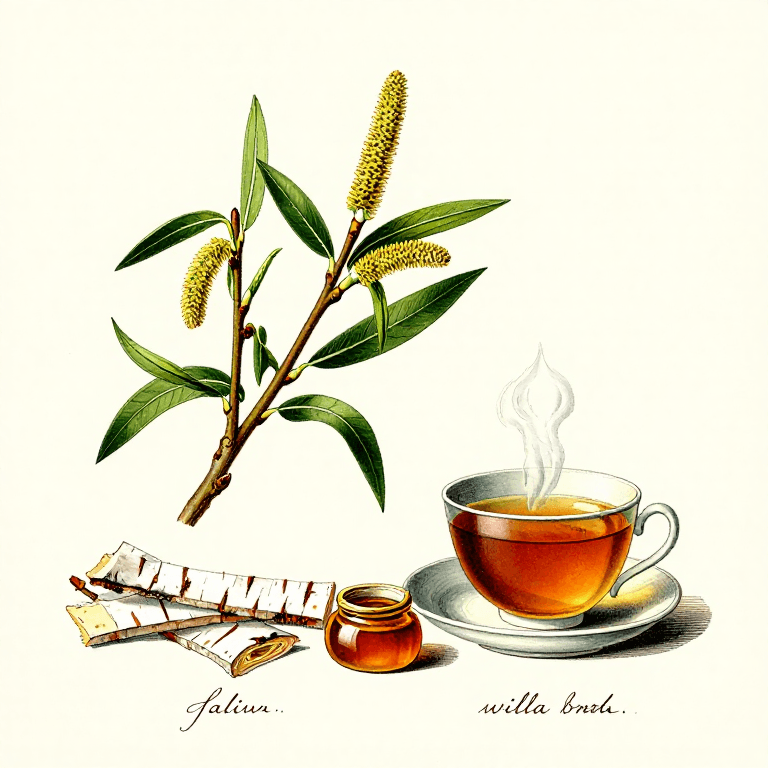
Willow Bark Tea — Nature's Pain Reliever (Precursor to Aspirin)
láti ọwọ́ Bob
Igbó
Honey as a Wound Dressing — The Oldest Antimicrobial Medicine Known to Humanity
láti ọwọ́ Bob
Igbó
Compounding a Healing Salve from Herbs — Medieval Herbal Medicine
láti ọwọ́ Bob
Àwọn Ewé àti Ohun Ìtọ́jú
Garlic as Antiseptic Medicine — The Bulb That Fights Infection from the Inside Out
láti ọwọ́ Bob
Àwọn Ewé àti Ohun Ìtọ́jú
CC0 Àgbègbè Gbogbogbò
Blueprint yìí ti jáde lábẹ́ CC0. O lè ṣe àdàkọ, yí padà, pín, àti lò láìsí ìyọ̀ǹda.
Ṣàtìlẹ́yìn Olùṣẹ́dá nípa rírà àwọn ọjà nipasẹ̀ Blueprint wọn Ẹ̀san Olùṣẹ́dá tí àwọn Olùtajà gbé kalẹ̀, tàbí ṣẹ̀dá àtúnṣe tuntun ti Blueprint yìí kí o sì fi sínú Blueprint rẹ gẹ́gẹ́ bí ìsopọ̀ láti pín owó-wíwọlé.