IṢẸ́ ỌNÀ
ẸWÀ ÀTI ÌLERA
IṢẸ́ ỌWỌ́
ÀṢÀ ÀTI ÌTÀN
ÌṢERÉ
ÀYÍKÁ
OÚNJẸ ÀTI OHUN MÍMU
REVERSE ENGINEERING
SÁYẸ́ǸSÌ
ERÉ ÌDÁRAYÁ
ÌMỌ̀-Ẹ̀RỌ
ÀWỌN OHUN WÍWỌ̀

PETG Pellets: Dimethyl Terephthalate with Ethylene Glycol and CHDM
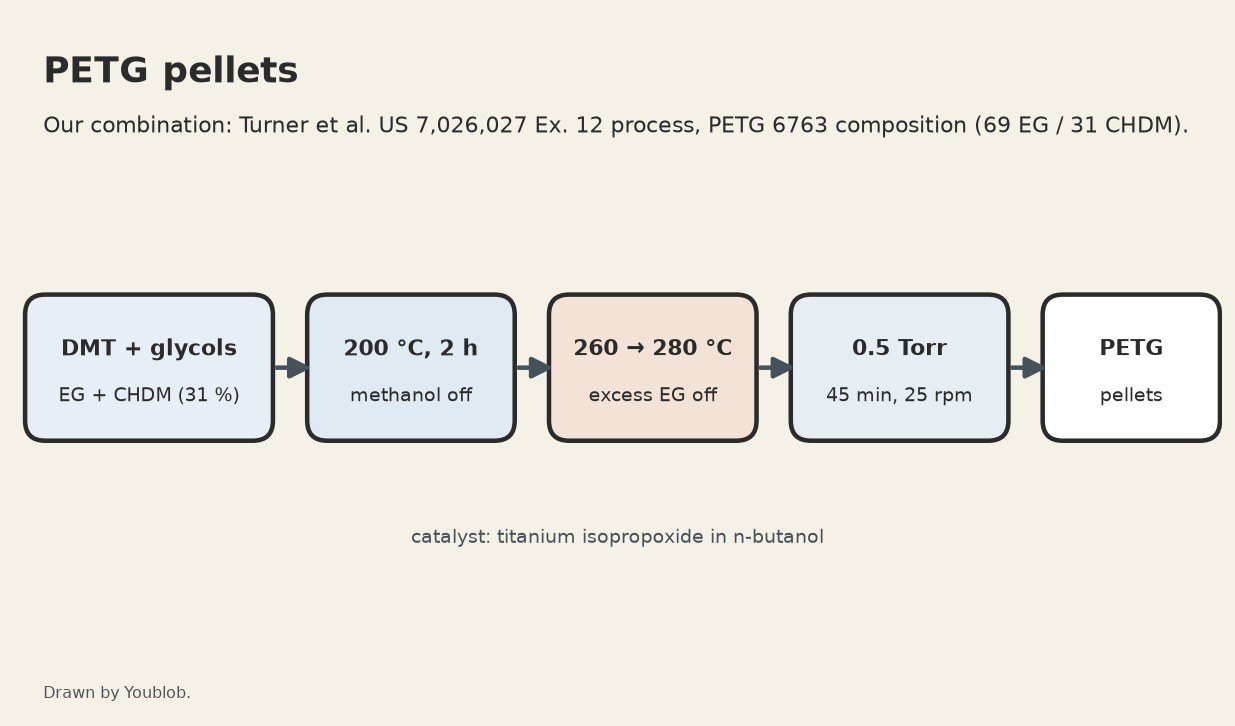
PETG is PET in which part of the ethylene glycol is replaced by CHDM, which keeps the plastic clear and amorphous. Eastman's patent US 7,026,027 describes PETG 6763 as terephthalate with about 69 mol % ethylene glycol and 31 mol % CHDM, but gives no recipe for it. This blueprint is our own combination: that composition, made by the same patent's pilot-plant process (Example 12, written for a CHDM/neopentyl glycol copolyester), with ethylene glycol in place of neopentyl glycol as in Kibler's 1959 Eastman patent. The charge weights are our arithmetic.
The picture: our diagram.
Ilọsíwájú
About 5 hours
Ìlànà
1
1
Charge the reactor
Charge the reactor
Our charge for 31 mol % CHDM: 10.669 kg dimethyl terephthalate (54.9 mol, as in the patent's example), 2.456 kg CHDM (31 % of those moles) and 4.058 kg ethylene glycol, so the glycols total 1.5 times the ester moles as in the example. Add 53.4 g of catalyst solution (15 g titanium isopropoxide in 250 ml n-butanol). The patent's reactor held 18 gallons and had spiral agitators and a distillation column.
Àwọn ohun èlò fún ìgbésẹ̀ yìí:
 Dimethyl terephthalate10.669 kg
 1,4-Cyclohexanedimethanol2.456 kg
 Ethylene glycol4.058 kg
Àwọn irinṣẹ́ tí a nílò:
 Titanium isopropoxide
 n-Butanol
 Òǹwọ̀n ìdọ́gba
 Ìkòkò ìṣe polymer oníbora
 Ohun ìsun tí ó pín
 Gílásì Ààbò Fún Ìfọ́n Kẹ́míkà
2
2
Ester interchange at 200 °C
Ester interchange at 200 °C
Stir (forward 50 minutes, then reverse 10), heat to 200 °C and hold 2 hours. Methanol distils off through the column.
Àwọn irinṣẹ́ tí a nílò:
Ìkòkò ìṣe polymer oníboraOhun ìsun tí ó pín Thermocouple pẹ̀lú ìkà
3
3
260 °C, then 280 °C
260 °C, then 280 °C
Raise to 260 °C for 30 minutes and weigh the distillate, then raise to 280 °C and weigh it again. The surplus ethylene glycol is driven off; Kibler found the CHDM stays in the polymer.
Àwọn irinṣẹ́ tí a nílò:
Ìkòkò ìṣe polymer oníboraThermocouple pẹ̀lú ìkàÒǹwọ̀n ìdọ́gba4
4
Polymerise under vacuum
Polymerise under vacuum
Switch the agitator direction every 6 minutes and pull vacuum at 13 Torr a minute down to 0.5 Torr. Hold full vacuum for 45 minutes at 25 rpm.
Àwọn irinṣẹ́ tí a nílò:
Ìkòkò ìṣe polymer oníbora Ẹ̀rọ ìfàfẹ́fẹ́jáde
 Ẹ̀rọ ìwọ̀n àìsí afẹ́fẹ́
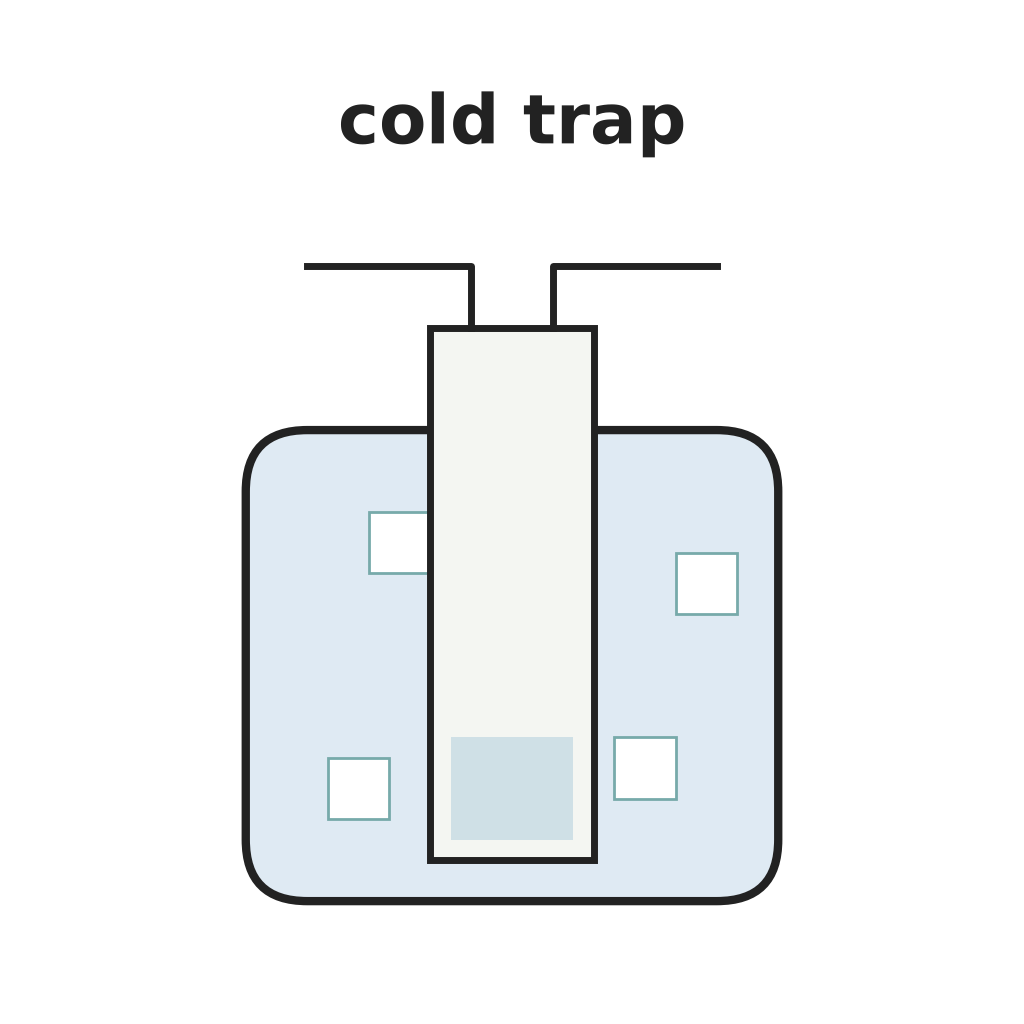 Ìdẹkùn òtútù
5
5
Extrude and chop into pellets
Extrude and chop into pellets
Let nitrogen in, extrude the polymer at once and chop it into pellets. Check the composition: in the patent's example the polymer kept slightly less CHDM than was charged (38.1 % for 40.7 %).
Àwọn irinṣẹ́ tí a nílò:
 Sílíńdà Gáàsì Nàìtírójìn
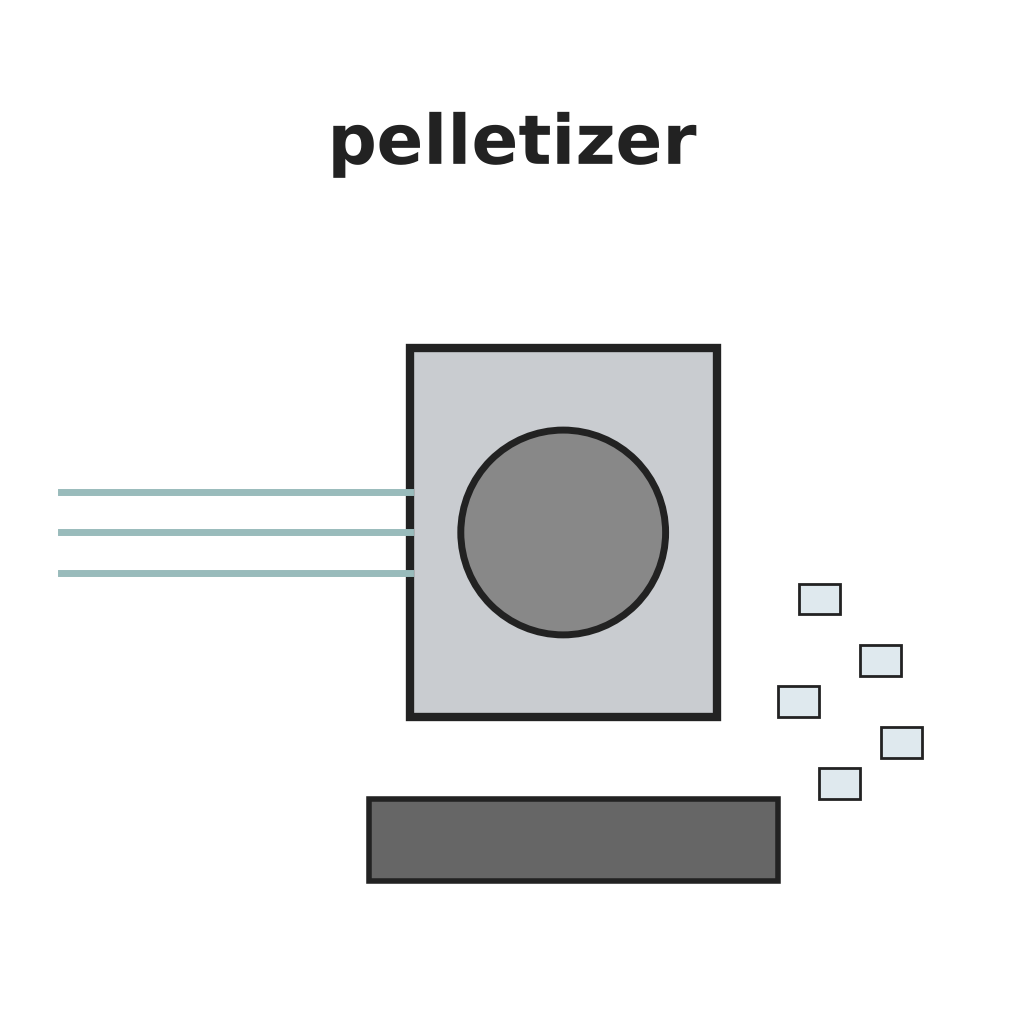 Ẹ̀rọ Ìṣe Pẹ́lẹ́ẹ̀tì
 Ìbọ̀wọ́ Tí Ń Fara Da Ooru
Àwọn ohun-èlò
3- 10.669 kgÀyè
- 2.456 kgÀyè
- 4.058 kgÀyè
Àwọn irinṣẹ́ tó nílò
13- Àyè
- 1 vendor sell this, none ship to you yetÀyè
- Àyè
Ìtọ́nisọ́nà yìí ń ṣe
Blueprint tó jọra
Àwọn blueprint wọ̀nyí pín ìmọ̀ — ọ̀nà, ohun-èlò tàbí ìlànà
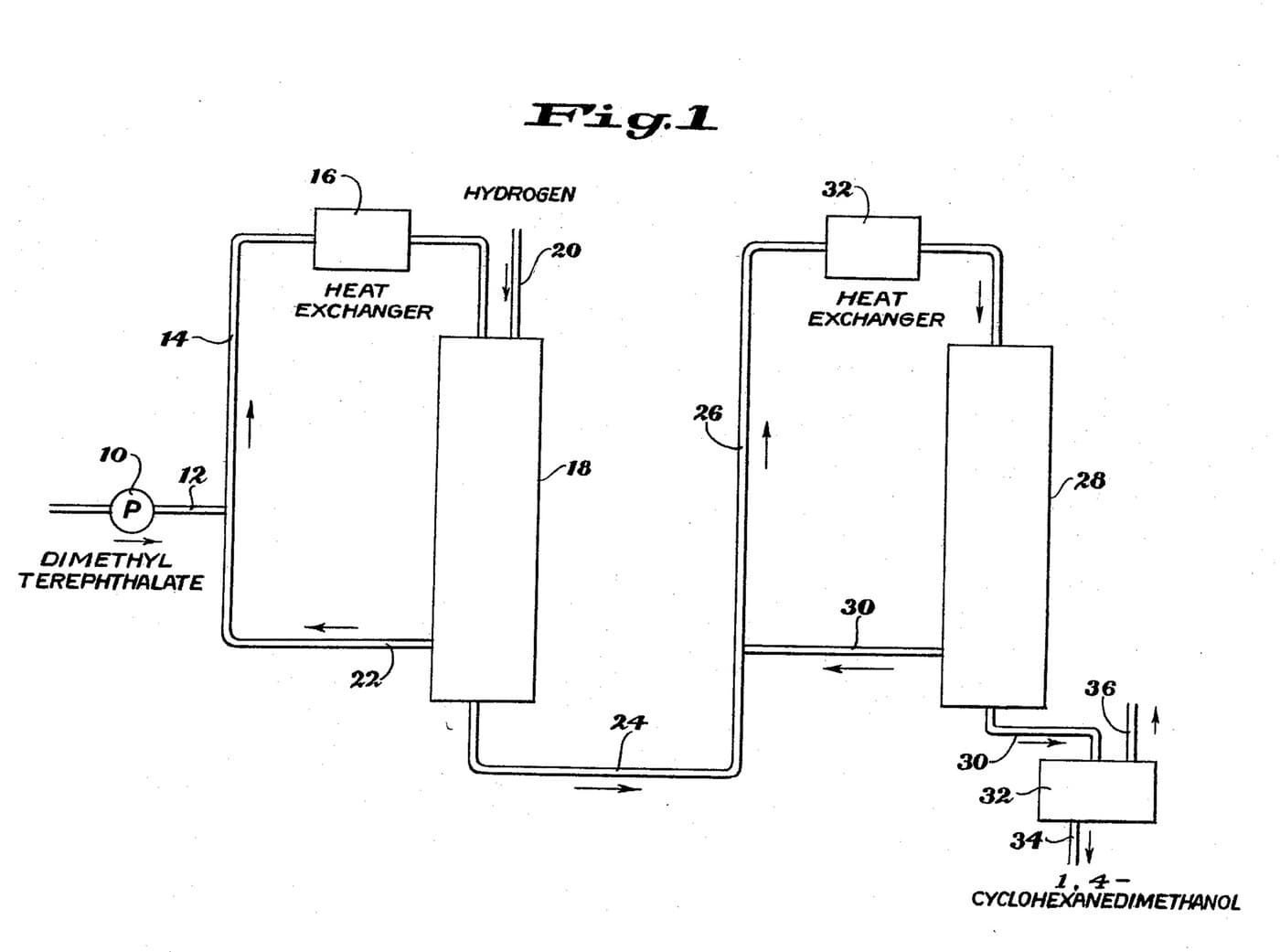
Léwu
1,4-Cyclohexanedimethanol: Dimethyl Terephthalate Hydrogenated over Palladium, then Copper Chromite
láti ọwọ́ Charlie
Ti Ilé-iṣẹ́
13
0
0
0
0
0

Dimethyl Terephthalate: Terephthalic Acid and Methanol Sprayed through a Hot Tube
láti ọwọ́ Charlie
Ti Ilé-iṣẹ́
11
0
0
0
0
0
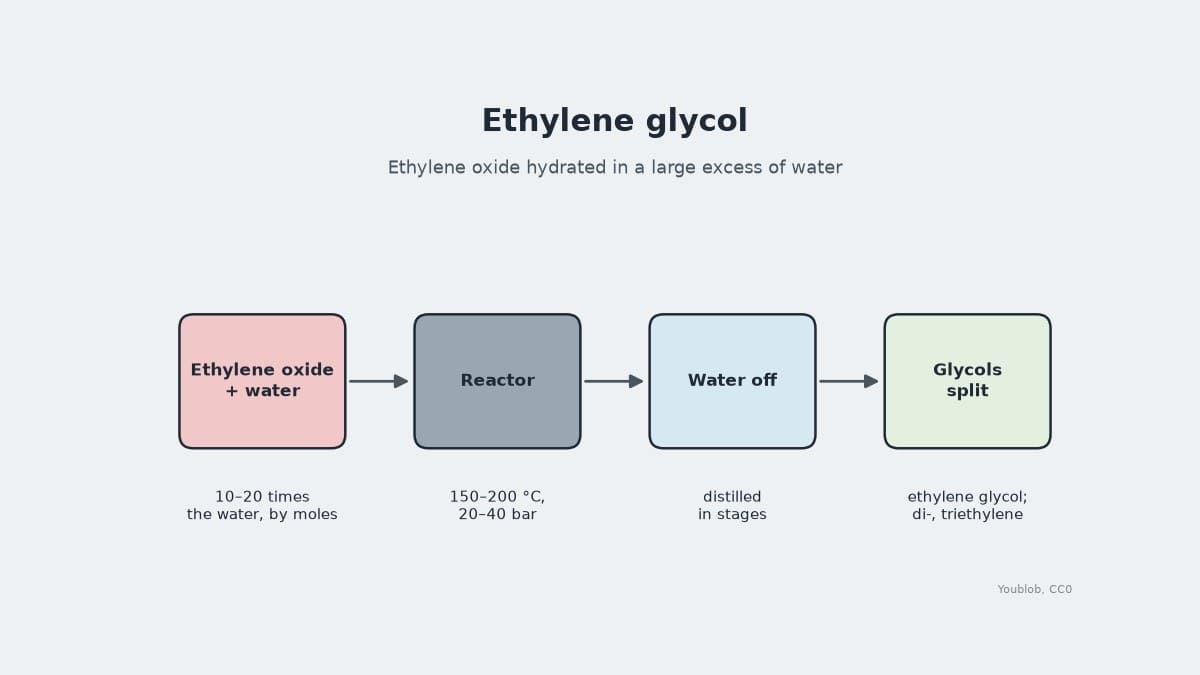
Léwu
Ethylene Glycol by Hydration of Ethylene Oxide
láti ọwọ́ Charlie
Ti Ilé-iṣẹ́
8
0
0
0
0
0
CC0 Àgbègbè Gbogbogbò
Blueprint yìí ti jáde lábẹ́ CC0. O lè ṣe àdàkọ, yí padà, pín, àti lò láìsí ìyọ̀ǹda.
Ṣàtìlẹ́yìn Olùṣẹ́dá nípa rírà àwọn ọjà nipasẹ̀ Blueprint wọn Ẹ̀san Olùṣẹ́dá tí àwọn Olùtajà gbé kalẹ̀, tàbí ṣẹ̀dá àtúnṣe tuntun ti Blueprint yìí kí o sì fi sínú Blueprint rẹ gẹ́gẹ́ bí ìsopọ̀ láti pín owó-wíwọlé.