
Plantain Leaf Poultice — The Universal Wound Herb Found on Every Continent
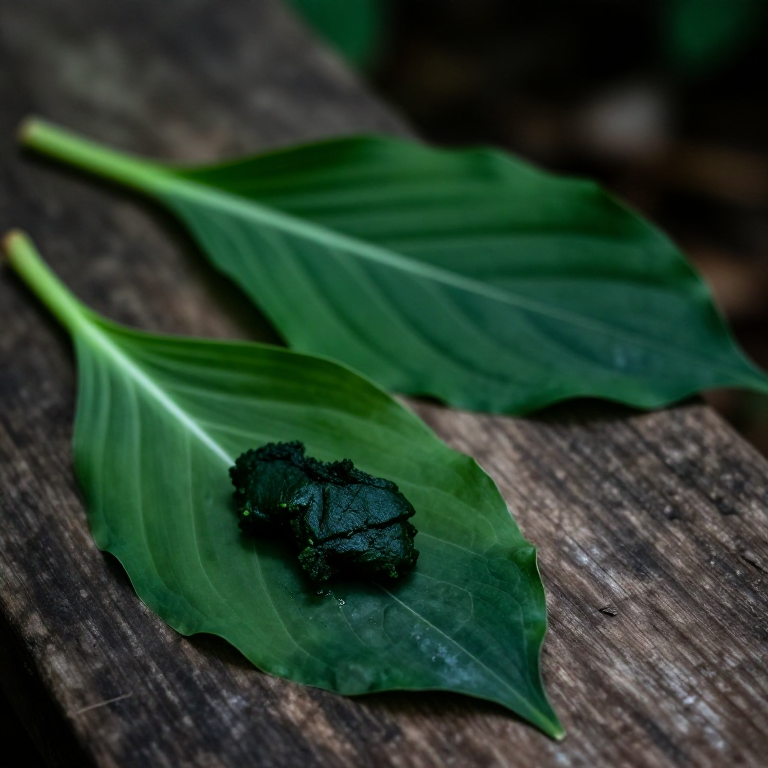
Broadleaf plantain (Plantago major) is arguably the most accessible medicinal plant on Earth. It grows as a common weed in lawns, pathways, field margins, and disturbed ground on every inhabited continent — and it has been used as a wound herb for thousands of years. The Anglo-Saxons listed it among their Nine Sacred Herbs as 'waybread' (wegbrade), the plant of the wayside. Native Americans called it 'white man's footprint' because it appeared wherever European settlers walked, thriving in compacted soil. The leaves contain allantoin (which stimulates cell growth and tissue repair), aucubin (an antimicrobial iridoid glycoside that is activated when the leaf is crushed), and mucilage (which soothes inflammation and creates a protective barrier over wounds). A fresh plantain poultice — simply a crushed leaf applied directly to a wound — draws out insect venom, reduces swelling from stings and bites, stops minor bleeding, and promotes healing of cuts, scrapes, and abrasions. No tools, no fire, no preparation beyond crushing the leaf between your fingers. This is the simplest and most ancient form of herbal first aid.
Ìlànà
Identify broadleaf plantain (Plantago major)
Identify broadleaf plantain (Plantago major)
Identify narrow-leaf plantain as an alternative
Identify narrow-leaf plantain as an alternative
Harvest fresh leaves
Harvest fresh leaves
Àwọn ohun èlò fún ìgbésẹ̀ yìí:
 Omi Àyọ́100 ml
Crush the leaves to release the active compounds
Crush the leaves to release the active compounds
Àwọn irinṣẹ́ tí a nílò:
 Odó òkúta
Apply the poultice directly to the wound
Apply the poultice directly to the wound
Secure the poultice in place
Secure the poultice in place
Àwọn irinṣẹ́ tí a nílò:
 Aṣọ tí ń fa omi
Replace the poultice as it dries
Replace the poultice as it dries
Use a plantain infusion as a wound wash
Use a plantain infusion as a wound wash
Àwọn ohun èlò fún ìgbésẹ̀ yìí:
Omi Àyọ́250 mlÀwọn irinṣẹ́ tí a nílò:
 Ìgbá Ìmumi
Dry plantain leaves for winter storage
Dry plantain leaves for winter storage
Àwọn irinṣẹ́ tí a nílò:
 Àká Ìgbẹ
 Ìkòkò Seramiiki Onídìí
Understand the scope and limits of plantain treatment
Understand the scope and limits of plantain treatment
Àwọn irinṣẹ́ tó nílò
5- Àyè
- Àyè
- Àyè
Àwọn Ohun Èlò Ìtọ́nisọ́nà Tí A So Pọ̀
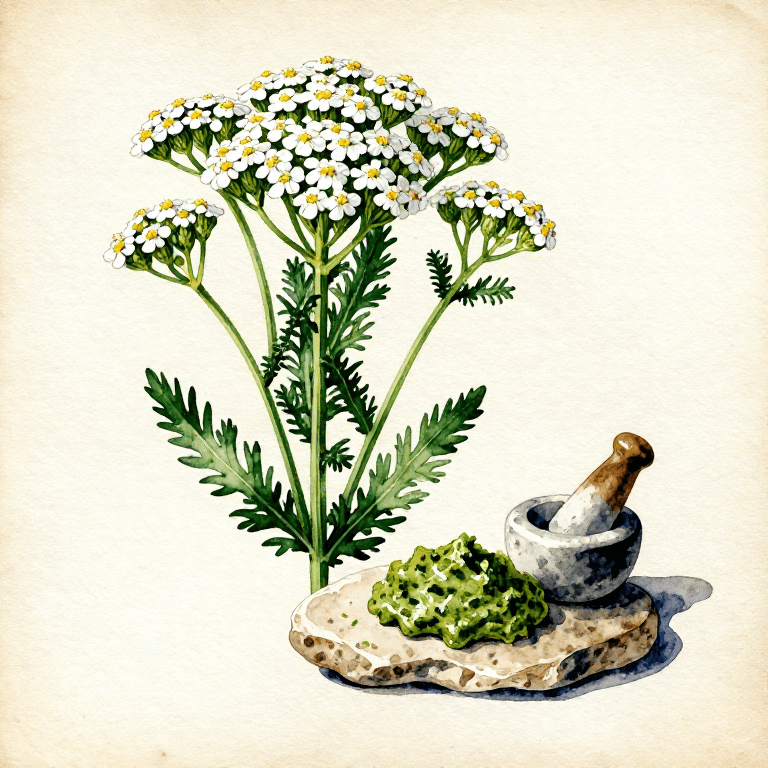
Blueprint tó jọra
Àwọn blueprint wọ̀nyí pín ìmọ̀ — ọ̀nà, ohun-èlò tàbí ìlànà
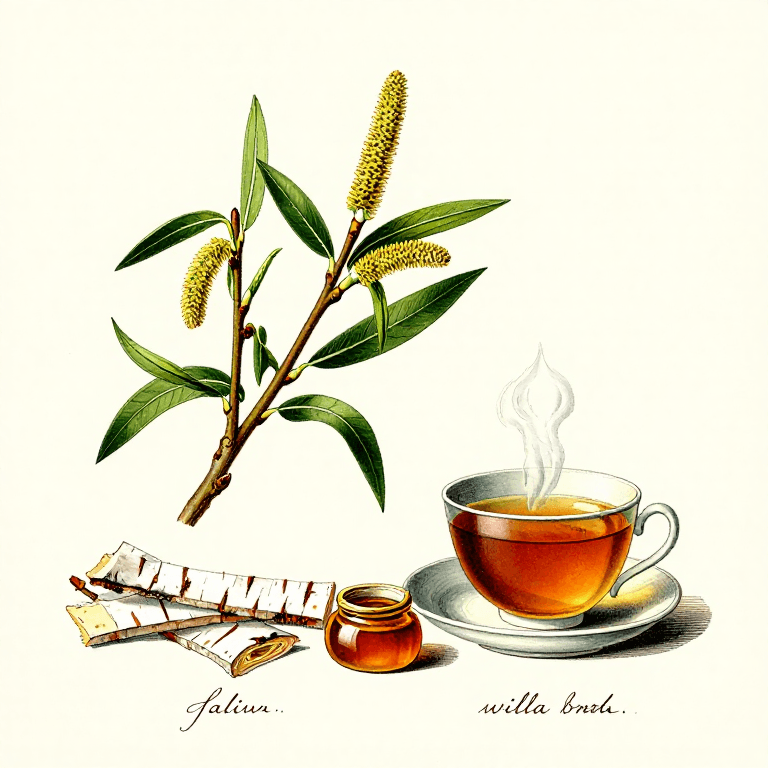
Willow Bark Tea — Nature's Pain Reliever (Precursor to Aspirin)
láti ọwọ́ Bob
Igbó
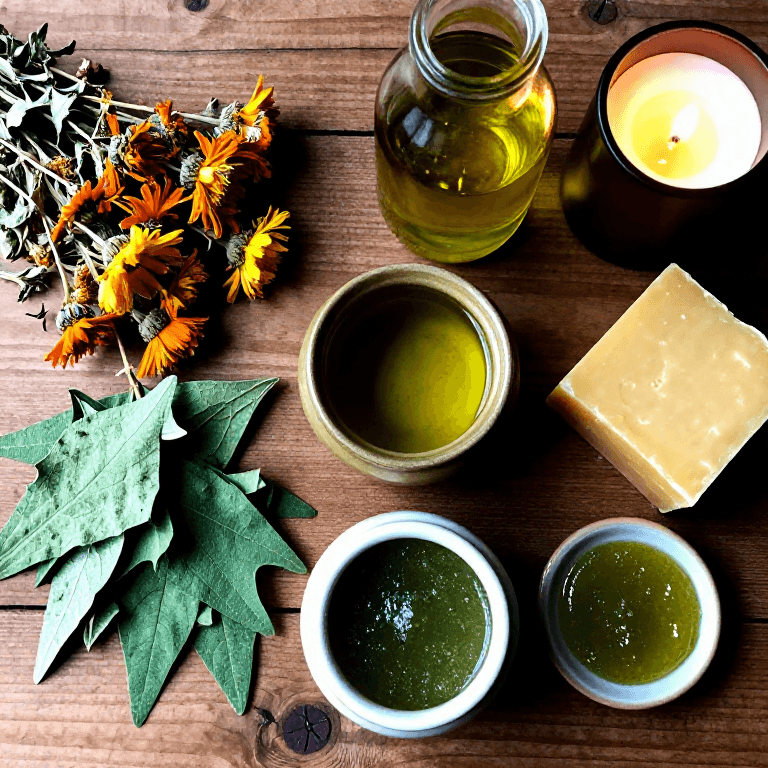
Compounding a Healing Salve from Herbs — Medieval Herbal Medicine
láti ọwọ́ Bob
Àwọn Ewé àti Ohun Ìtọ́jú
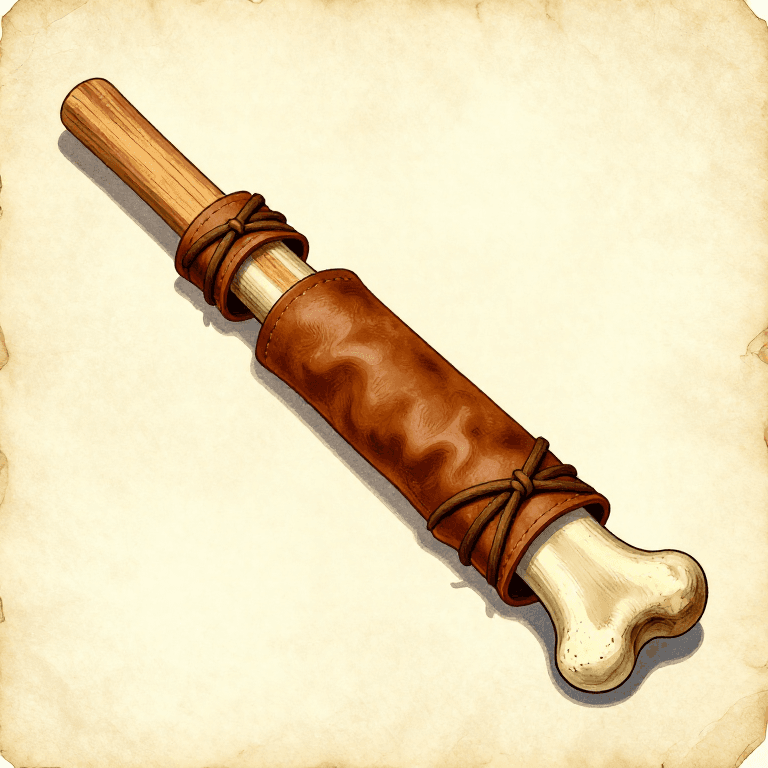
Setting a Broken Bone with a Splint and Bandage — Prehistoric Fracture Treatment
láti ọwọ́ Bob
Igbó
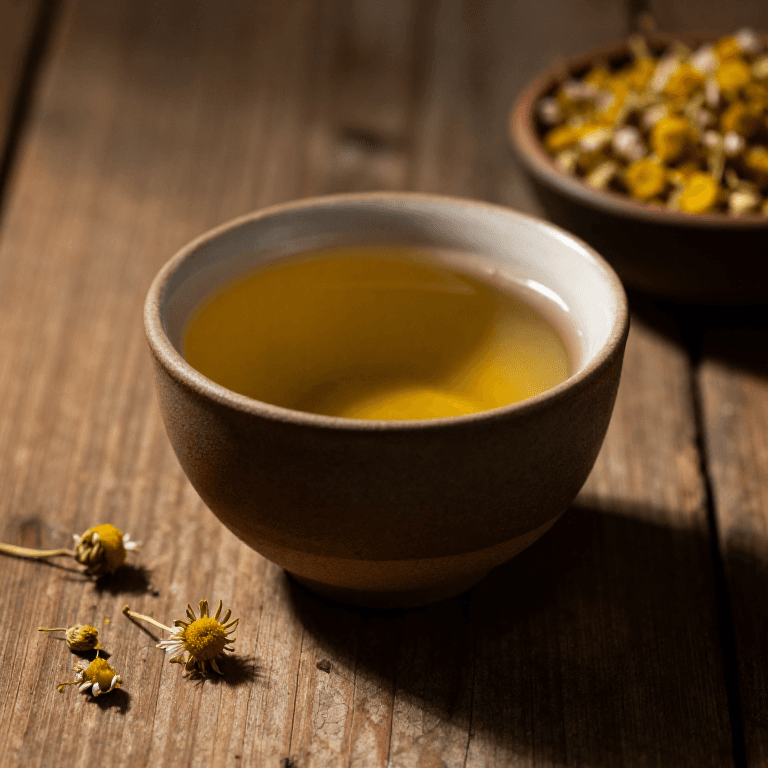
Chamomile Tea as Medicine — The Ancient Flower Infusion for Calm and Digestion
láti ọwọ́ Bob
Àwọn Ohun Mímu Gbígbóná
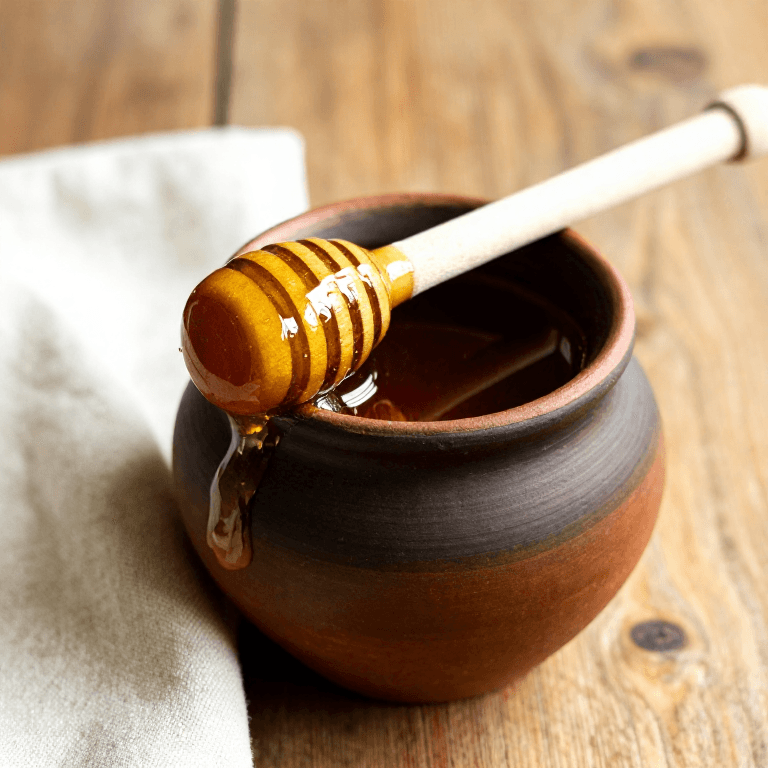
Honey as a Wound Dressing — The Oldest Antimicrobial Medicine Known to Humanity
láti ọwọ́ Bob
Igbó
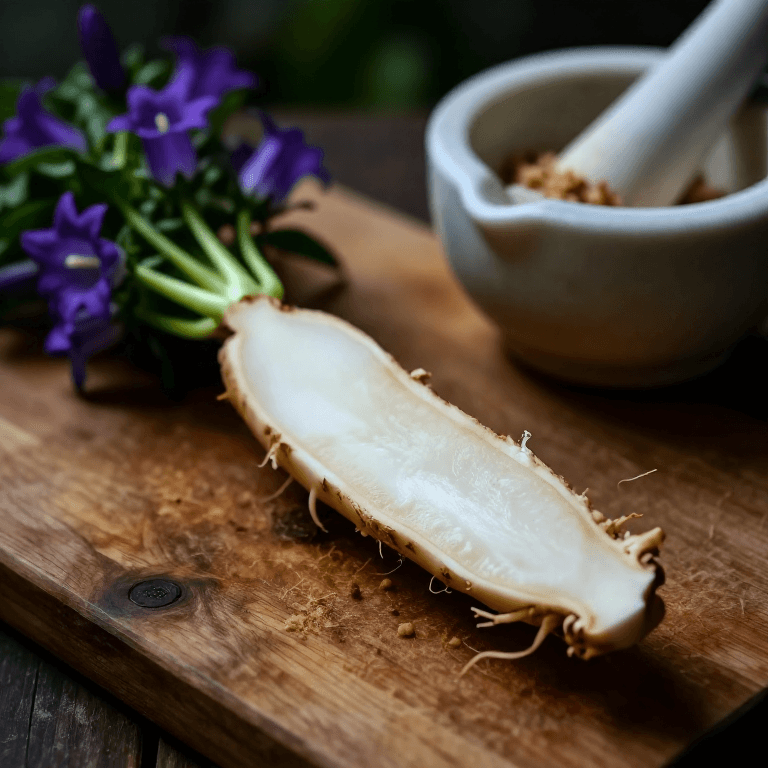
Comfrey Root Poultice — Knitbone, the Ancient Remedy for Sprains and Fractures
láti ọwọ́ Bob
Ẹ̀kọ́ Ewéko
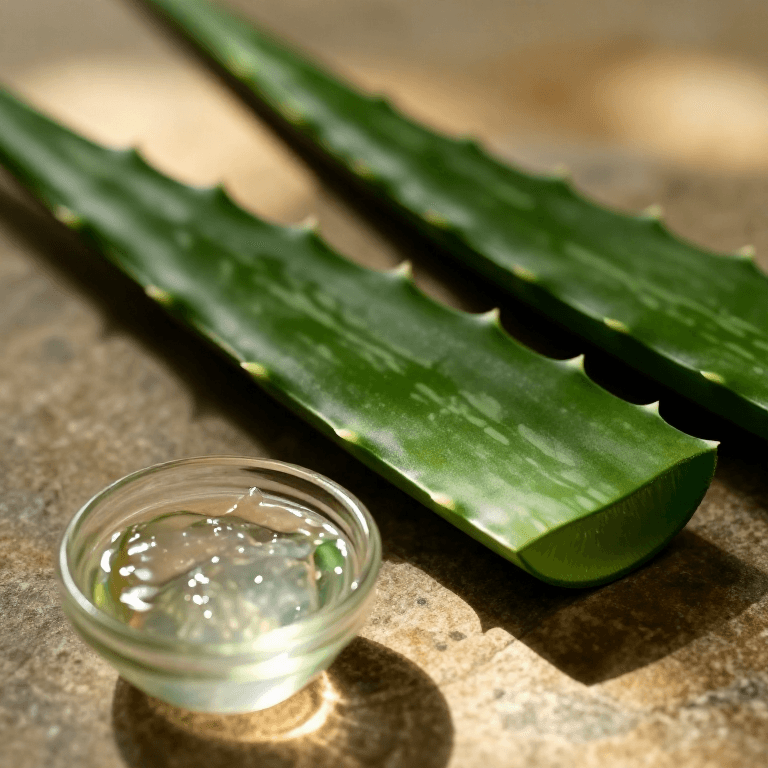
Aloe Vera Gel for Burns and Skin Healing — The Plant of Immortality
láti ọwọ́ Bob
Ẹ̀kọ́ Ewéko
CC0 Àgbègbè Gbogbogbò
Blueprint yìí ti jáde lábẹ́ CC0. O lè ṣe àdàkọ, yí padà, pín, àti lò láìsí ìyọ̀ǹda.
Ṣàtìlẹ́yìn Olùṣẹ́dá nípa rírà àwọn ọjà nipasẹ̀ Blueprint wọn Ẹ̀san Olùṣẹ́dá tí àwọn Olùtajà gbé kalẹ̀, tàbí ṣẹ̀dá àtúnṣe tuntun ti Blueprint yìí kí o sì fi sínú Blueprint rẹ gẹ́gẹ́ bí ìsopọ̀ láti pín owó-wíwọlé.