IṢẸ́ ỌNÀ
ẸWÀ ÀTI ÌLERA
IṢẸ́ ỌWỌ́
ÀṢÀ ÀTI ÌTÀN
ÌṢERÉ
ÀYÍKÁ
OÚNJẸ ÀTI OHUN MÍMU
REVERSE ENGINEERING
SÁYẸ́ǸSÌ
ERÉ ÌDÁRAYÁ
ÌMỌ̀-Ẹ̀RỌ
ÀWỌN OHUN WÍWỌ̀
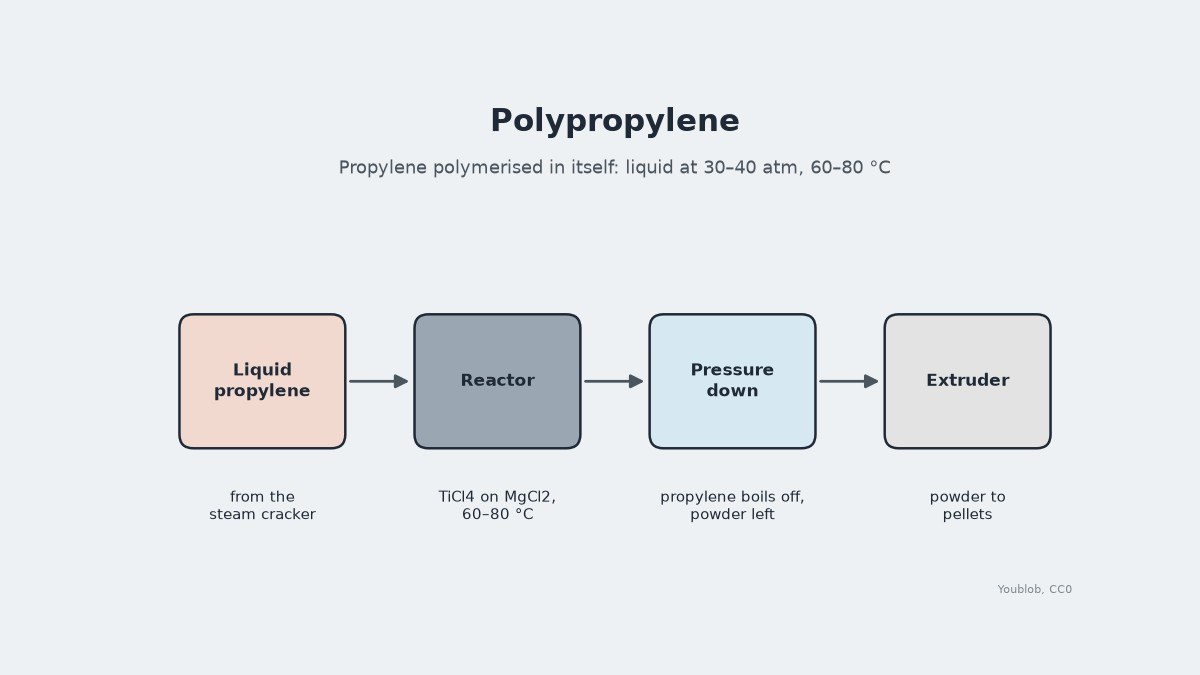


Polypropylene Pellets by Bulk Polymerisation in Liquid Propylene
Polypropylene is propylene strung into long chains. In the bulk process the propylene itself is the liquid: kept liquid at 30–40 atm, it polymerises at 60–80 °C on a catalyst of titanium tetrachloride on magnesium chloride. Letting the pressure down boils off the unreacted propylene and leaves a powder, which is extruded into pellets. Natta found the regular (isotactic) form in 1954.
The picture: our diagram of reactor, flash and pelletiser.
Ilọsíwájú
Continuous
Ìlànà
1
1
Polymerise in liquid propylene
Polymerise in liquid propylene
Feed propylene and the TiCl4-on-MgCl2 catalyst into the reactor. Hold it at 30–40 atm so the propylene stays liquid, at 60–80 °C.
Àwọn ohun èlò fún ìgbésẹ̀ yìí:
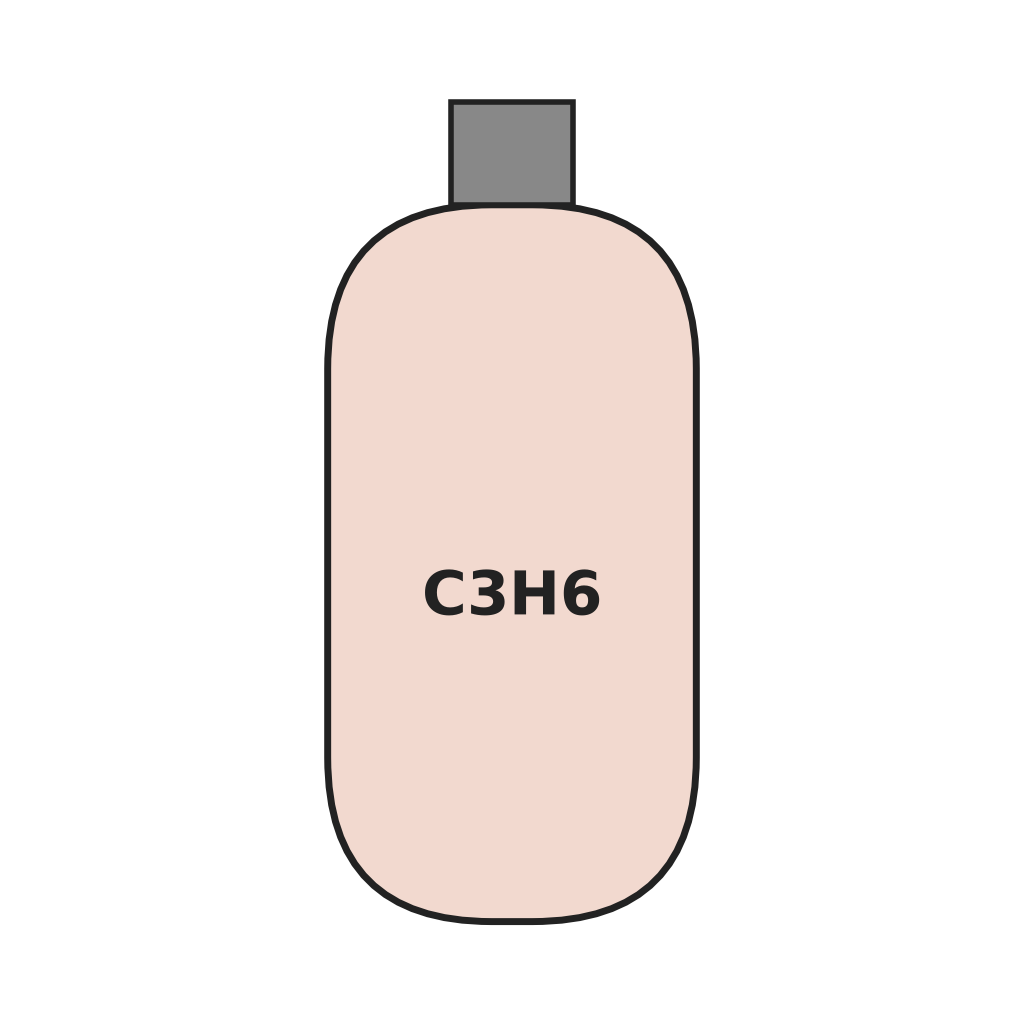 Propylene1 t
Àwọn irinṣẹ́ tí a nílò:
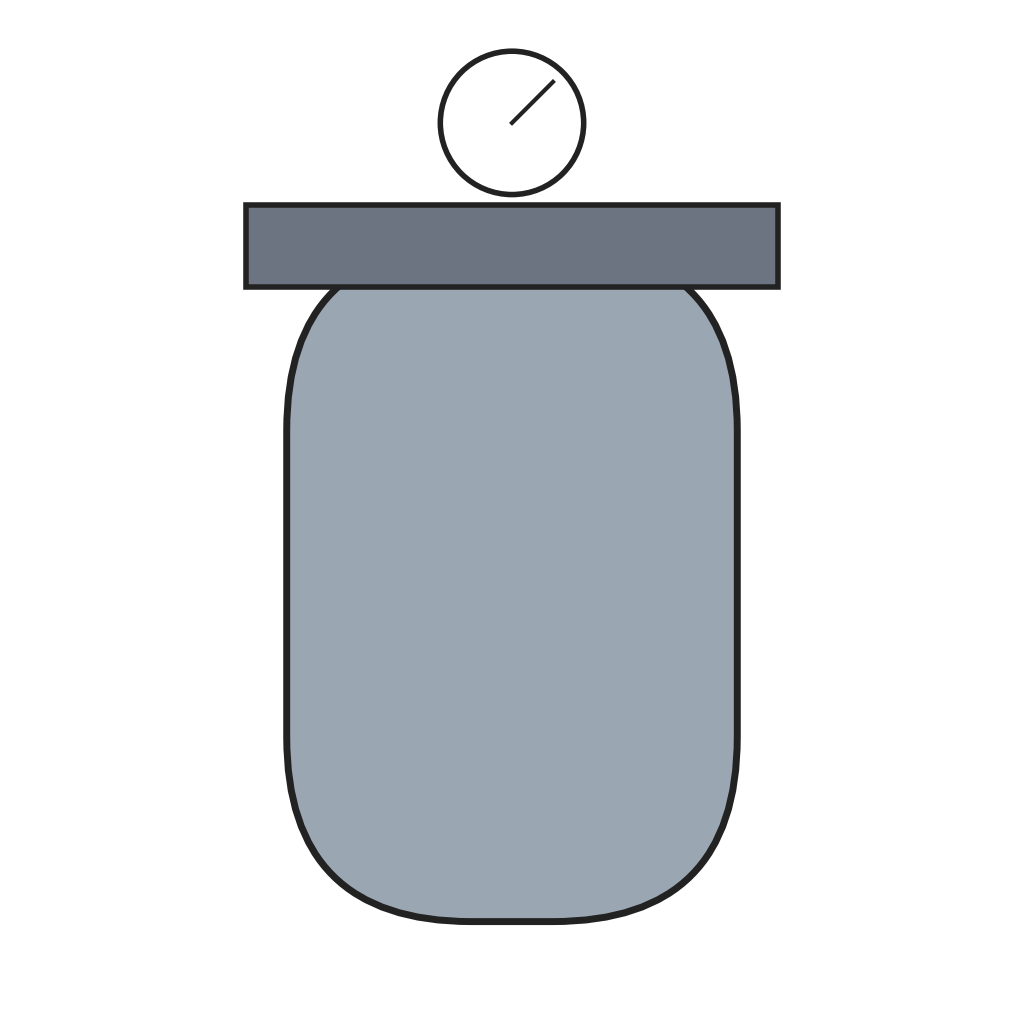 Ìkòkò ìṣesí ìfúnpá
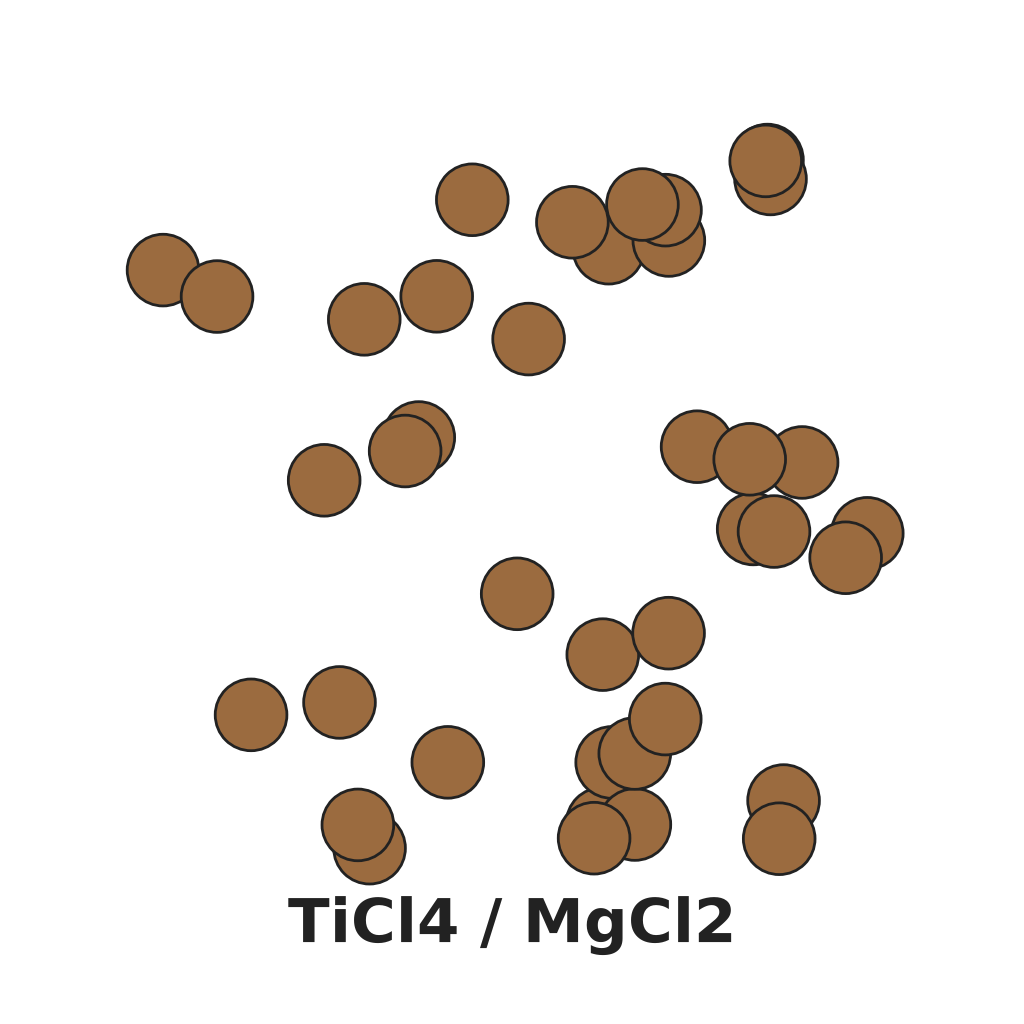 Èròjà ìyára Ziegler-Natta (TiCl4 lórí MgCl2)
 Ẹ̀rọ ìfun gáàsì
2
2
Let the pressure down
Let the pressure down
Release the pressure: the unreacted propylene boils off and the polymer is left as a fine powder. Compress the propylene and return it.
Àwọn irinṣẹ́ tí a nílò:
Ẹ̀rọ ìfun gáàsì3
3
Pelletise
Pelletise
Melt the powder in the extruder, with any additives the grade needs, and cut the strand into pellets.
Àwọn irinṣẹ́ tí a nílò:
 Ẹ̀rọ ìtújáde ṣíṣu
4
4
Pressure units
Pressure units
Ń ṣí ìwé Jupyter…
Àwọn irinṣẹ́ tó nílò
4Ìtọ́nisọ́nà yìí ń ṣe

Blueprint tó jọra
Àwọn blueprint wọ̀nyí pín ìmọ̀ — ọ̀nà, ohun-èlò tàbí ìlànà
CC0 Àgbègbè Gbogbogbò
Blueprint yìí ti jáde lábẹ́ CC0. O lè ṣe àdàkọ, yí padà, pín, àti lò láìsí ìyọ̀ǹda.
Ṣàtìlẹ́yìn Olùṣẹ́dá nípa rírà àwọn ọjà nipasẹ̀ Blueprint wọn Ẹ̀san Olùṣẹ́dá tí àwọn Olùtajà gbé kalẹ̀, tàbí ṣẹ̀dá àtúnṣe tuntun ti Blueprint yìí kí o sì fi sínú Blueprint rẹ gẹ́gẹ́ bí ìsopọ̀ láti pín owó-wíwọlé.