IṢẸ́ ỌNÀ
ẸWÀ ÀTI ÌLERA
IṢẸ́ ỌWỌ́
ÀṢÀ ÀTI ÌTÀN
ÌṢERÉ
ÀYÍKÁ
OÚNJẸ ÀTI OHUN MÍMU
REVERSE ENGINEERING
SÁYẸ́ǸSÌ
ERÉ ÌDÁRAYÁ
ÌMỌ̀-Ẹ̀RỌ
ÀWỌN OHUN WÍWỌ̀
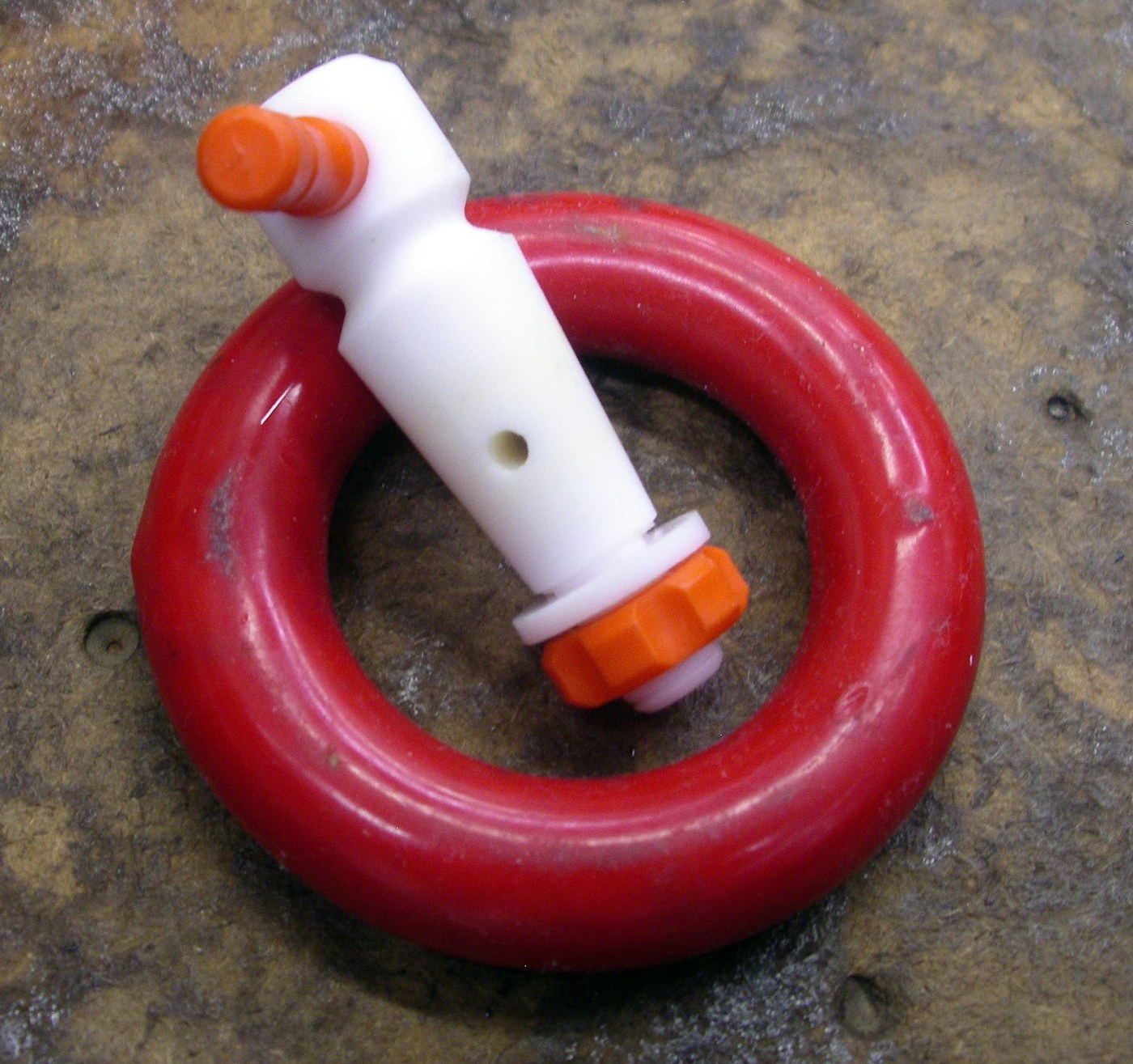


PTFE (Polytetrafluoroethylene)
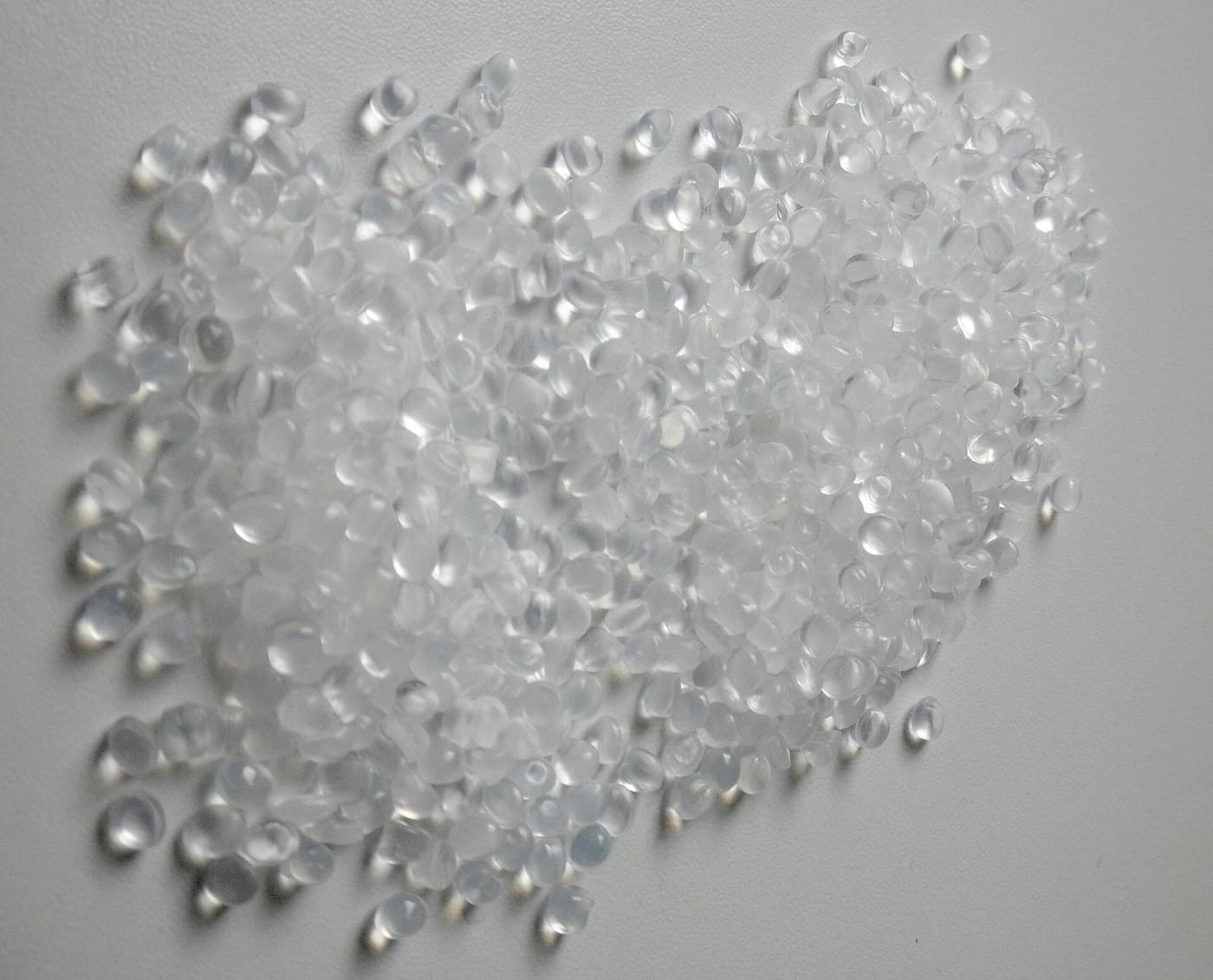
On 6. April 1938 Roy Plunkett at DuPont opened the valve on a cylinder of tetrafluoroethylene gas, a candidate refrigerant, and nothing came out - though the cylinder still weighed full. Sawn open, it held a white waxy powder: the gas had polymerised by itself. The powder resisted every solvent and acid tried on it, did not melt like other plastics, and almost nothing would stick to it.
**US 2,230,654**, "Tetrafluoroethylene polymers", Plunkett, assigned to Kinetic Chemicals, granted 4. February 1941. Its first claim is two words: "Polymerized tetrafluoroethylene."
**Tetrafluoroethylene is explosive and is never handled outside a plant.** You build what the material is for: a hinged tilting ramp that measures the coefficient of friction of PTFE against steel, beside nylon, acrylic and steel itself.
Olùbẹ̀rẹ̀
3 hours
Ìlànà
1
1
The rig
The rig
The whole rig: a 400 mm base, a hinged ramp with a steel strip on top, a prop under the raised end, and a faced sled.
2
2
Cut base and ramp
Cut base and ramp
From 18 mm plywood saw two boards 400 x 120 mm. Sand the edges.
Àwọn ohun èlò fún ìgbésẹ̀ yìí:
 Àwo igi tí a lẹ̀ pọ̀1 ẹyọ
Àwọn irinṣẹ́ tí a nílò:
 Ayùn Ọwọ́
 Ìdíwọ̀n
 Ìdìmú onídàbí C
3
3
Hinge them
Hinge them
Lay the boards end to end and fit the butt hinge across one short joint with 4 wood screws, pilot-drilled 2 mm. The ramp must lift from flat to 45° without rocking.
Àwọn ohun èlò fún ìgbésẹ̀ yìí:
 Ìdìmú ẹnu-ọ̀nà1 ẹyọ
 Ìṣó igi4 ẹyọ
Àwọn irinṣẹ́ tí a nílò:
 Ẹ̀rọ Ìlùkòkò Aláìlókùn
 Àkójọ Orí Ìlùkòkò
 Ìṣù àwọn ohun ìyí skurú
4
4
Fit the steel counterface
Fit the steel counterface
Stick a 360 x 100 mm strip of mild steel sheet to the ramp's top face with double-sided tape. Wipe it with isopropyl alcohol - grease halves any reading.
Àwọn ohun èlò fún ìgbésẹ̀ yìí:
 Ìwé Irin Pẹ́lẹ́1 ẹyọ
 Tépù olójú méjì1 ìyípo
 Ọtí Isopropyl 99 %10 ml
Àwọn irinṣẹ́ tí a nílò:
 Gílásì Ààbò Tí Ó Mọ́
5
5
Make four sleds
Make four sleds
Saw four 60 x 60 mm plywood blocks. Face one each with PTFE, nylon, acrylic and steel cut to 60 x 60 mm, fixed with double-sided tape. Clean every face with alcohol.
Àwọn ohun èlò fún ìgbésẹ̀ yìí:
 Ewé PTFE1 ẹyọ
 Pẹpẹ náílọ́nù (6/6)1 ẹyọ
 Pẹlẹbẹ Akrílíìkì1 ẹyọÌwé Irin Pẹ́lẹ́1 ẹyọTépù olójú méjì1 ìyípo
Àwọn irinṣẹ́ tí a nílò:
Ayùn Ọwọ́ Ọ̀bẹ iṣẹ́
6
6
Tilt until it goes
Tilt until it goes
Set a sled 100 mm from the top. Raise the ramp slowly, about 1° per second. Stop the instant it slides and read the angle finder on the ramp. Five tries per sled.
Àwọn irinṣẹ́ tí a nílò:
 Ẹ̀rọ Ìwọ̀n IgunÌdíwọ̀n
7
7
Load it
Load it
Repeat the PTFE sled with a weight taped on top. The angle should not change.
Àwọn irinṣẹ́ tí a nílò:
 Ìwọ̀nẸ̀rọ Ìwọ̀n Igun
8
8
Angles into friction
Angles into friction
Ń ṣí ìwé Jupyter…
9
9
History & Context
History & Context
**What the patent specifies:** the polymer of tetrafluoroethylene itself, a solid insoluble in ordinary solvents. **Modern build (derived):** machined PTFE sheet against clean mild steel on a tilting plane.
Its first large use was seals and gaskets for the Manhattan Project's uranium hexafluoride plant, a gas that attacked everything else. DuPont registered Teflon in 1945; non-stick pans followed in the 1950s, and stretched PTFE became Gore-Tex. Its limits: it creeps under steady load, wears quickly without fillers, cannot be glued without etching, and above about 260 °C in use it begins to give off harmful fumes.
Àwọn ohun-èlò
9- 1 ẹyọÀyè
- 1 ẹyọÀyè
- 4 ẹyọÀyè
- 1 ẹyọÀyè
- 1 ìyípoÀyè
- 10 mlÀyè
- 1 ẹyọÀyè
- 1 ẹyọÀyè
- 1 ẹyọÀyè
Àwọn irinṣẹ́ tó nílò
10- Àyè
- Àyè
- 1 vendor sell this, none ship to you yetÀyè
- Àyè
- Àyè
Àwọn fáìlì àpẹrẹ
1Blueprint tó jọra
Àwọn blueprint wọ̀nyí pín ìmọ̀ — ọ̀nà, ohun-èlò tàbí ìlànà


CC0 Àgbègbè Gbogbogbò
Blueprint yìí ti jáde lábẹ́ CC0. O lè ṣe àdàkọ, yí padà, pín, àti lò láìsí ìyọ̀ǹda.
Ṣàtìlẹ́yìn Olùṣẹ́dá nípa rírà àwọn ọjà nipasẹ̀ Blueprint wọn Ẹ̀san Olùṣẹ́dá tí àwọn Olùtajà gbé kalẹ̀, tàbí ṣẹ̀dá àtúnṣe tuntun ti Blueprint yìí kí o sì fi sínú Blueprint rẹ gẹ́gẹ́ bí ìsopọ̀ láti pín owó-wíwọlé.