IṢẸ́ ỌNÀ
ẸWÀ ÀTI ÌLERA
IṢẸ́ ỌWỌ́
ÀṢÀ ÀTI ÌTÀN
ÌṢERÉ
ÀYÍKÁ
OÚNJẸ ÀTI OHUN MÍMU
REVERSE ENGINEERING
SÁYẸ́ǸSÌ
ERÉ ÌDÁRAYÁ
ÌMỌ̀-Ẹ̀RỌ
ÀWỌN OHUN WÍWỌ̀


PTFE Thread Seal Tape: Paste-Extruded, Calendered, Never Sintered
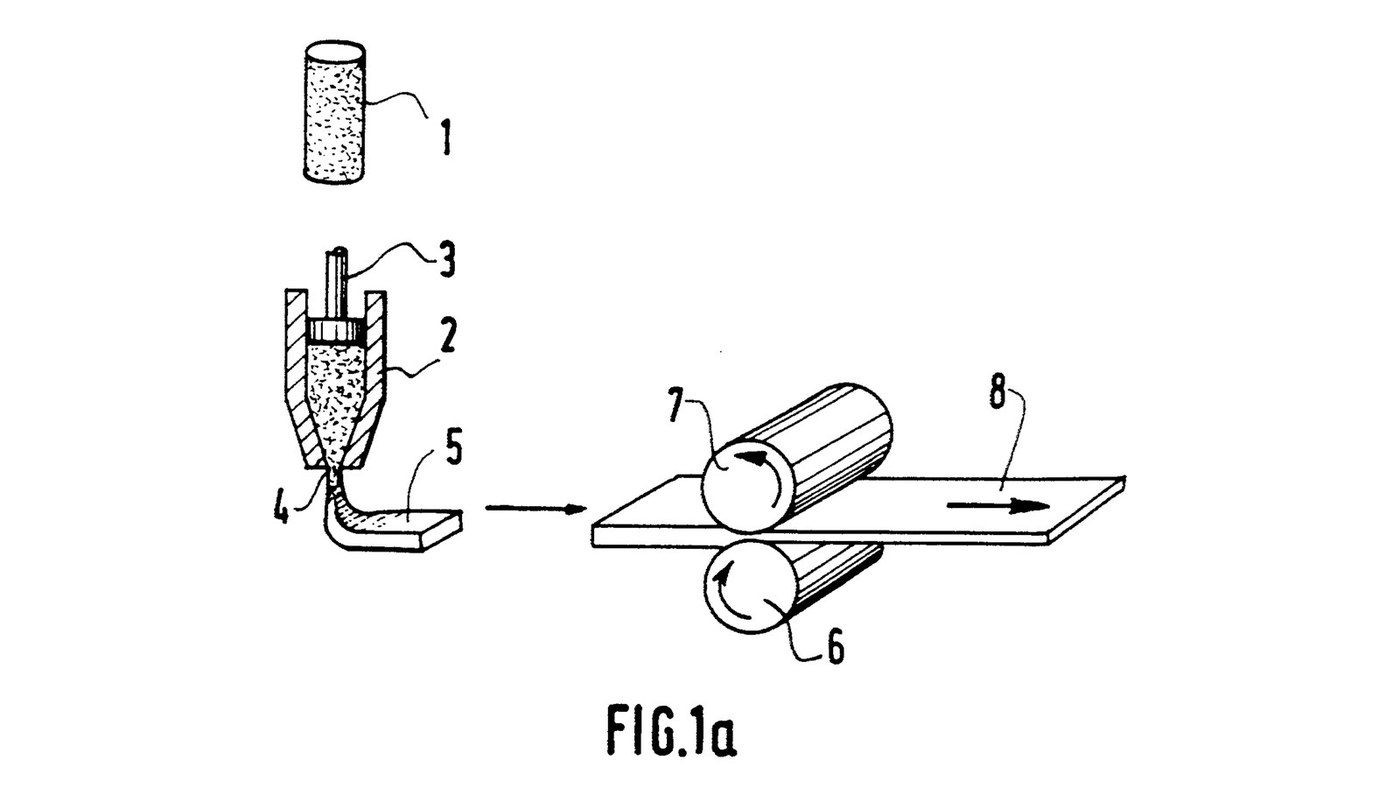
The white tape wound on pipe threads is PTFE that has never been melted. Fine PTFE powder is mixed with a lubricant, pressed into a slug, squeezed through a slit die by a ram, rolled thin between two rolls, and dried. Kept below the sintering heat (about 350 °C) it stays soft and conforms to the thread (process: US 5,415,939, 1995). The targets and tests are those of the Indian standard IS 14643 (from BS 4375): no fillers, at most 0.1 % lubricant left, usually 12 mm wide and 0.075 mm thick.
The lubricant (naphtha) and the slitter are ours. The picture: Fig. 1a of the patent.
Ilọsíwájú
1 day
Ìlànà
1
1
Wet the powder
Wet the powder
Mix fine (dispersion-made) virgin PTFE powder with a lubricant that can be driven off completely. Granular PTFE will not paste-extrude. No fillers. Ours: naphtha, as required.
Àwọn ohun èlò fún ìgbésẹ̀ yìí:
 Ìyẹ̀fun PTFE dídán1 batch
Àwọn irinṣẹ́ tí a nílò:
 Naphtha
2
2
Press a preform
Press a preform
Compact the wet powder into a cylindrical preform in a mould with a plunger.
Àwọn irinṣẹ́ tí a nílò:
 Àwòṣe ìtẹ̀mọ́lẹ̀
 Ẹ̀rọ ìtẹ̀ háídírọ́líìkì
3
3
Ram-extrude a flat tape
Ram-extrude a flat tape
Put the preform in the extrusion press. The plunger pushes it out through a slit die as a thick flat tape.
Àwọn irinṣẹ́ tí a nílò:
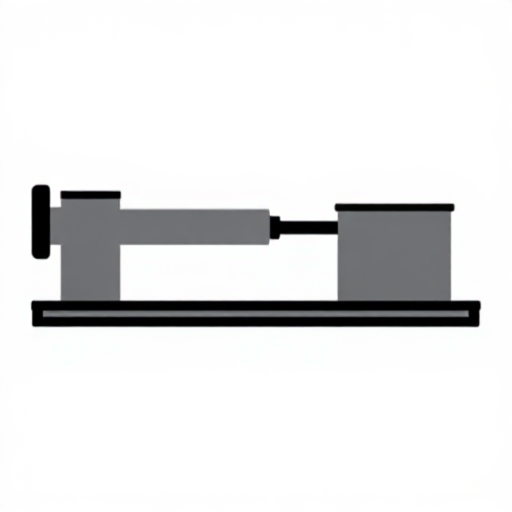 Ẹ̀rọ ìtẹ̀ ìtújáde hydraulic
4
4
Calender it thin
Calender it thin
Pass the tape between two counter-rotating rolls to a thin tape, aiming at about 0.075 mm.
Àwọn irinṣẹ́ tí a nílò:
 Ẹ̀rọ ìtẹ̀ irin
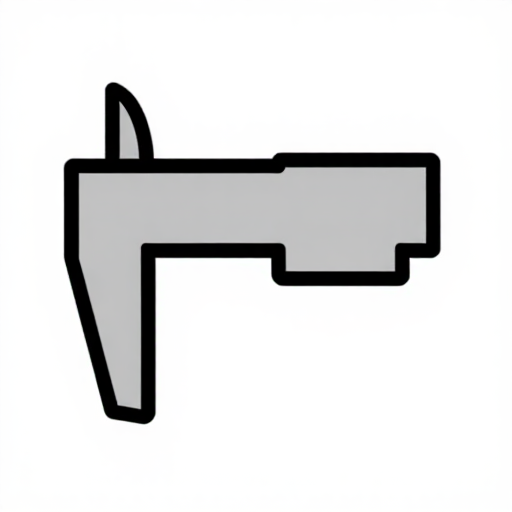 Máíkírómítà
5
5
Dry off the lubricant
Dry off the lubricant
Dry the tape until the lubricant is gone. Keep it well below the sintering heat (about 350 °C): sintered tape is stiff and will not seal.
Àwọn irinṣẹ́ tí a nílò:
 Ààrò ìgbẹ̀
6
6
Slit and spool
Slit and spool
Slit it to width, usually 12 mm (±0.5 mm), and wind it on spools.
Àwọn irinṣẹ́ tí a nílò:
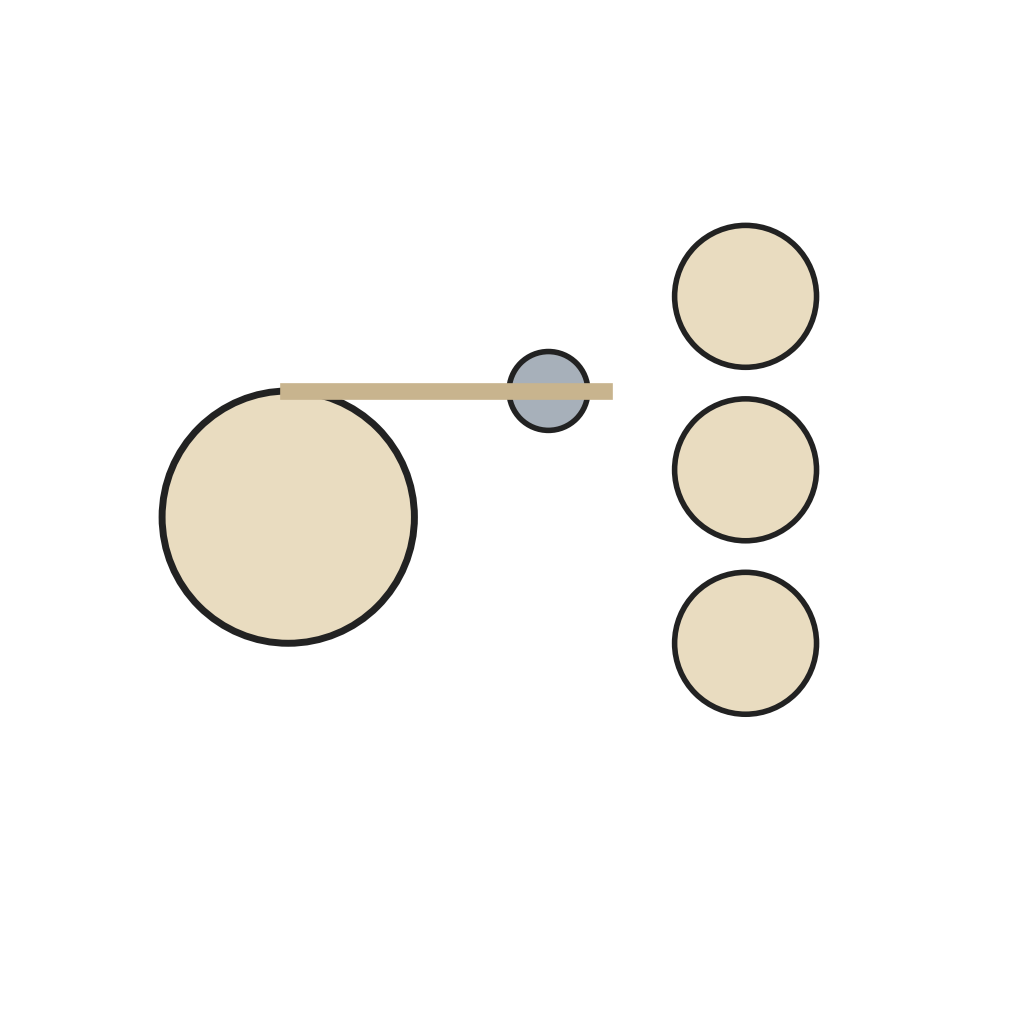 Ẹ̀rọ ìgé àti ìtúnká
7
7
Check the tape
Check the tape
It must look white, with no visible specks or torn edges. Measure the thickness at five points along a sample; each must be within 10 % of their mean.
Àwọn irinṣẹ́ tí a nílò:
Máíkírómítà8
8
Test the residual lubricant
Test the residual lubricant
Weigh about 15 g of tape. Extract it in a Soxhlet with petroleum spirit (40-60 °C) for at least 4 h, dry it at 100 °C, then heat it at 300 °C for 6 h, cool and weigh. The loss must be 0.1 % or less.
Àwọn irinṣẹ́ tí a nílò:
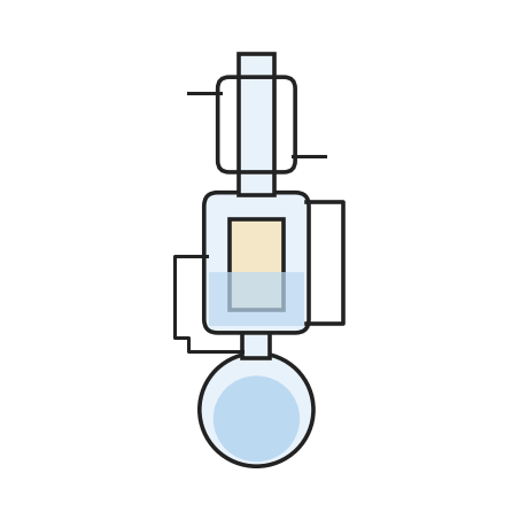 Ẹ̀rọ ìyọ̀jáde Soxhlet
 Ẹ́tà epo rọ̀bìÀàrò ìgbẹ̀
 Ìkòkò ìyọ́ irin
 Yàrá ìgbẹ (kékeré)
 Òṣùwọ̀n Díjítà Pípé
9
9
Wrap a thread
Wrap a thread
Wind tape round an R 1/2 taper pipe thread with 50 % overlap, two layers deep, just tight enough to take the thread form. It must hold the form, not break, and its end must stay put.
Àwọn irinṣẹ́ tí a nílò:
 Ìsopọ̀ òpó oníhun
Àwọn ohun-èlò
1- 1 batchÀyè
Àwọn irinṣẹ́ tó nílò
14- Àyè
- Àyè
- Àyè
Ìtọ́nisọ́nà yìí ń ṣe


Blueprint tó jọra
Àwọn blueprint wọ̀nyí pín ìmọ̀ — ọ̀nà, ohun-èlò tàbí ìlànà


CC0 Àgbègbè Gbogbogbò
Blueprint yìí ti jáde lábẹ́ CC0. O lè ṣe àdàkọ, yí padà, pín, àti lò láìsí ìyọ̀ǹda.
Ṣàtìlẹ́yìn Olùṣẹ́dá nípa rírà àwọn ọjà nipasẹ̀ Blueprint wọn Ẹ̀san Olùṣẹ́dá tí àwọn Olùtajà gbé kalẹ̀, tàbí ṣẹ̀dá àtúnṣe tuntun ti Blueprint yìí kí o sì fi sínú Blueprint rẹ gẹ́gẹ́ bí ìsopọ̀ láti pín owó-wíwọlé.