IṢẸ́ ỌNÀ
ẸWÀ ÀTI ÌLERA
IṢẸ́ ỌWỌ́
ÀṢÀ ÀTI ÌTÀN
ÌṢERÉ
ÀYÍKÁ
OÚNJẸ ÀTI OHUN MÍMU
REVERSE ENGINEERING
SÁYẸ́ǸSÌ
ERÉ ÌDÁRAYÁ
ÌMỌ̀-Ẹ̀RỌ
ÀWỌN OHUN WÍWỌ̀
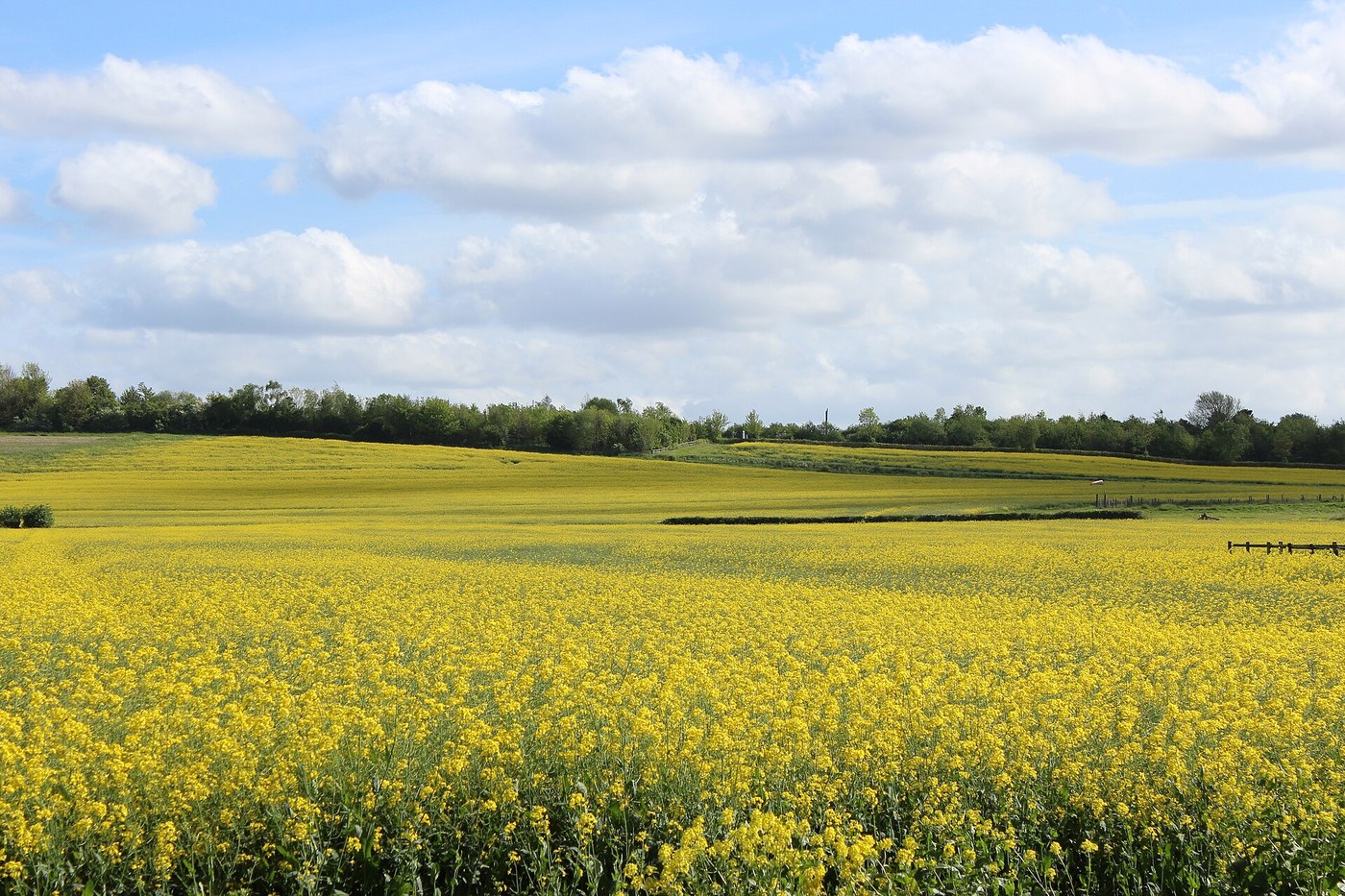


Rapeseed (Colza) Oil: Ripened, Threshed and Pressed
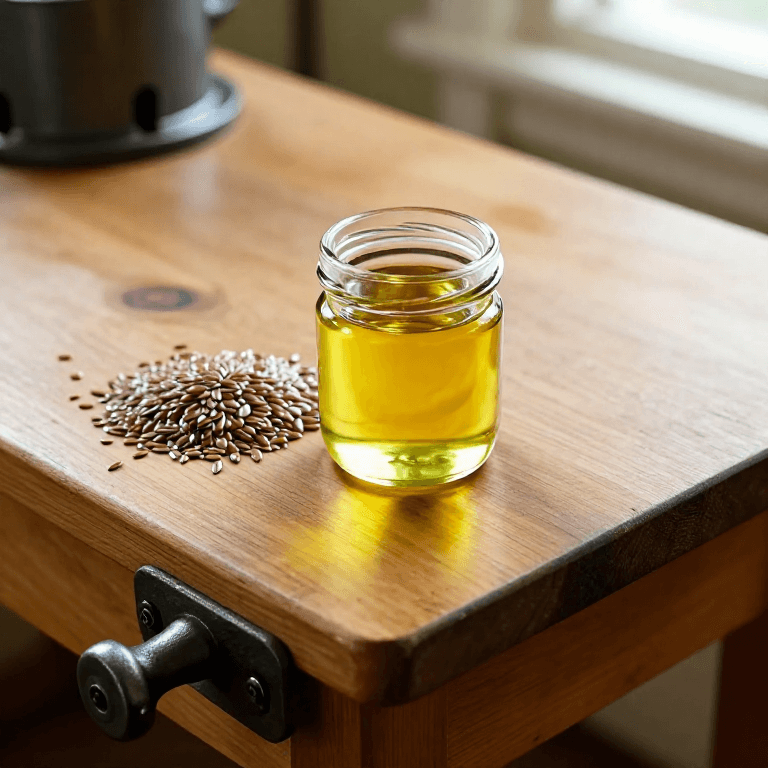
Colza, or rape, is a cabbage relative whose small seeds give an oil that lit the lamps of France and Belgium. Andrew Ure (1839) notes the seed yields oil only in proportion to its ripeness, so the plants are cut a little early, before the pods shed, and left to finish ripening in heaps before threshing. The pressing is the same as for linseed oil.
The picture: a rapeseed (colza) field in flower.
Olùbẹ̀rẹ̀
A day of pressing
Ìlànà
1
1
Ripen, thresh and winnow
Ripen, thresh and winnow
Let the cut plants finish ripening in an airy heap, thresh out the seed, winnow off the chaff and sift it.
Àwọn ohun èlò fún ìgbésẹ̀ yìí:
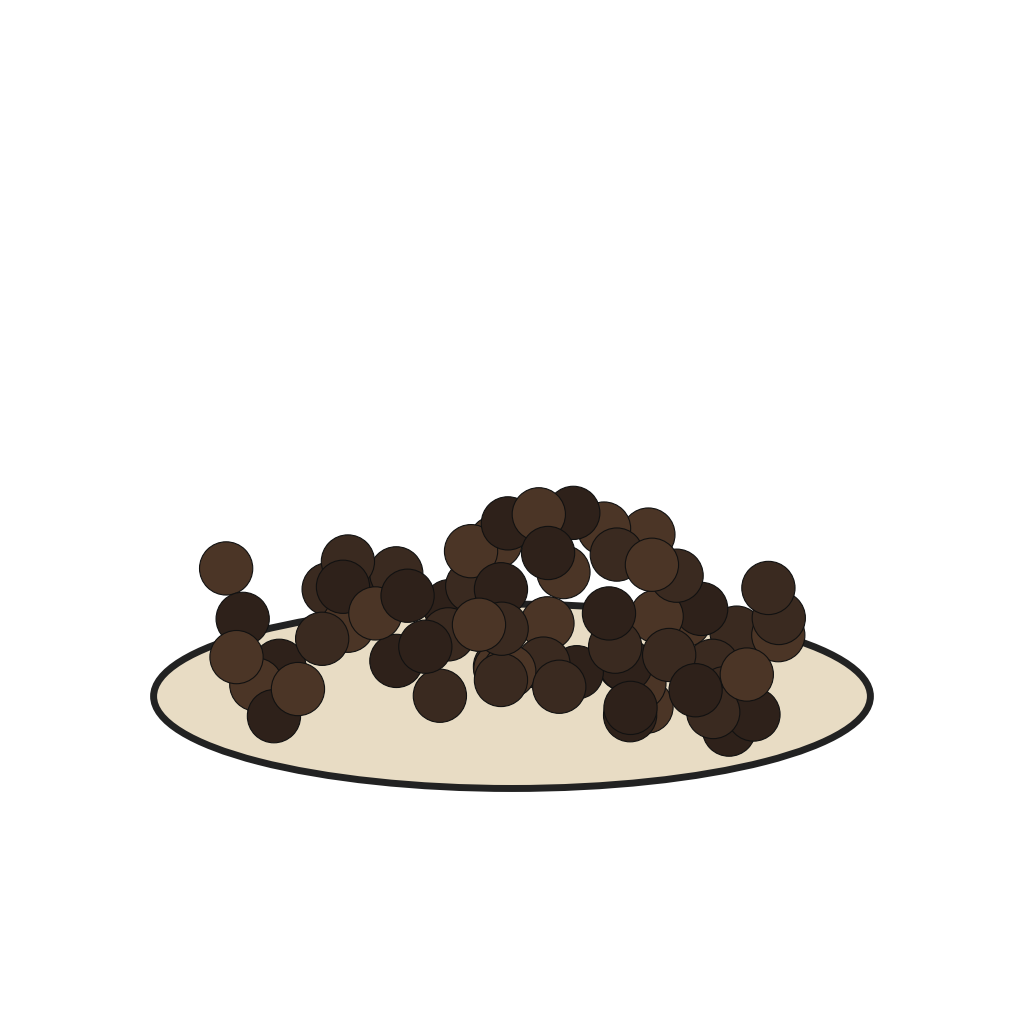 Kóró kolza3 kg
Àwọn irinṣẹ́ tí a nílò:
 Àwo ìdanu
 Ajọ̀
2
2
Dry the seed
Dry the seed
Spread the seed thinly in the air to dry before pressing (Ure).
Àwọn irinṣẹ́ tí a nílò:
 Ẹní ìgbẹ̀
3
3
Press, settle and decant
Press, settle and decant
Press the dry seed in the screw press, let the oil settle and decant it clear, exactly as for linseed oil. Keep the pressed cake: Ure notes it fattens cattle.
4
4
Filter and bottle
Filter and bottle
Pour the settled oil through a paper filter in a funnel into clean bottles, and keep it cool and dark.
Àwọn irinṣẹ́ tí a nílò:
 Fọ́nẹ̀lì ilé ìdáná
 Ìwé ìsẹ́ kọfí / ìwé ìsẹ́
 Ìgò gíláàsì amber
Àwọn ohun-èlò
1- 3 kgÀyè
Ìtọ́nisọ́nà yìí ń ṣe

Blueprint tó jọra
Àwọn blueprint wọ̀nyí pín ìmọ̀ — ọ̀nà, ohun-èlò tàbí ìlànà
CC0 Àgbègbè Gbogbogbò
Blueprint yìí ti jáde lábẹ́ CC0. O lè ṣe àdàkọ, yí padà, pín, àti lò láìsí ìyọ̀ǹda.
Ṣàtìlẹ́yìn Olùṣẹ́dá nípa rírà àwọn ọjà nipasẹ̀ Blueprint wọn Ẹ̀san Olùṣẹ́dá tí àwọn Olùtajà gbé kalẹ̀, tàbí ṣẹ̀dá àtúnṣe tuntun ti Blueprint yìí kí o sì fi sínú Blueprint rẹ gẹ́gẹ́ bí ìsopọ̀ láti pín owó-wíwọlé.