IṢẸ́ ỌNÀ
ẸWÀ ÀTI ÌLERA
IṢẸ́ ỌWỌ́
ÀṢÀ ÀTI ÌTÀN
ÌṢERÉ
ÀYÍKÁ
OÚNJẸ ÀTI OHUN MÍMU
REVERSE ENGINEERING
SÁYẸ́ǸSÌ
ERÉ ÌDÁRAYÁ
ÌMỌ̀-Ẹ̀RỌ
ÀWỌN OHUN WÍWỌ̀


Rotary-Wheel Can Opener
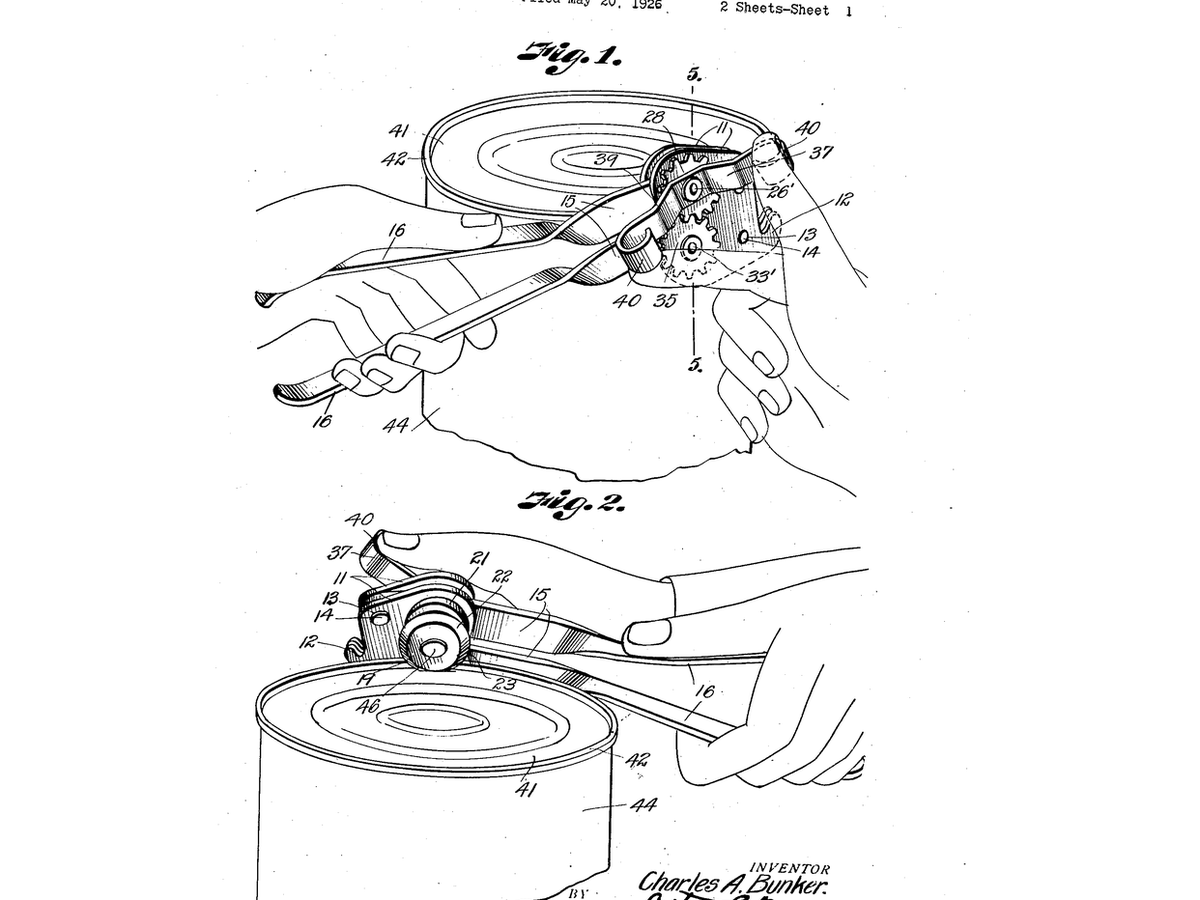
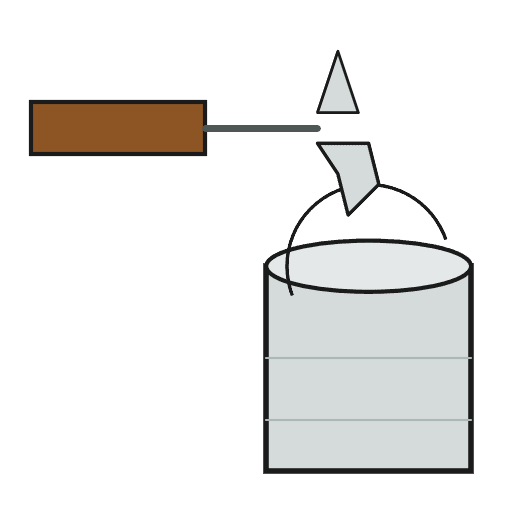
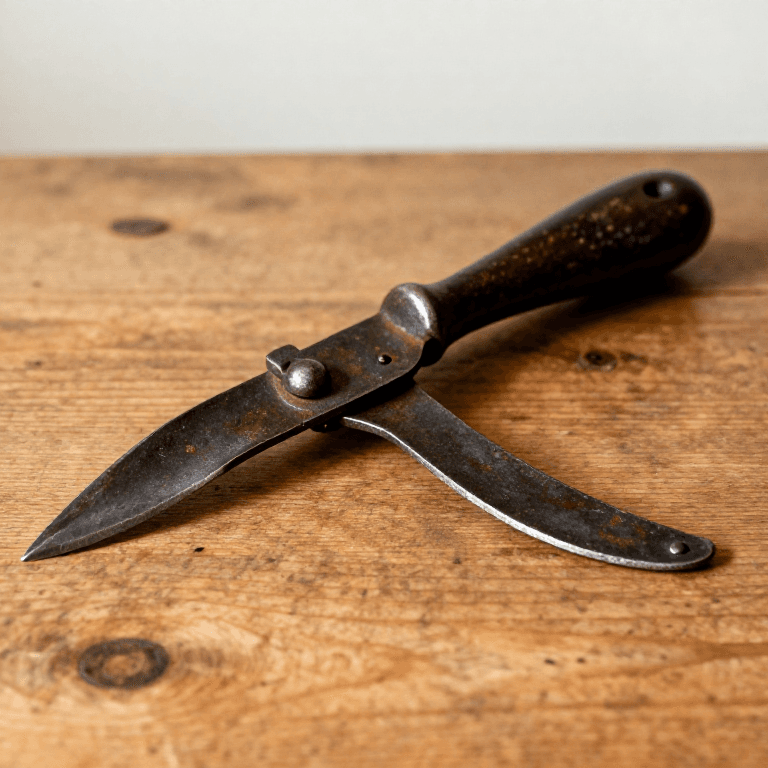
The 1858 lever opener already published is a blade you drive into the lid and saw along by hand: it leaves a torn edge, needs real force, and slips. Charles Arthur Bunker's rung is the one still in every kitchen drawer - a toothed feed wheel that grips the can's rim and walks the can past a hardened cutting wheel, so the cut is rolled, not torn.
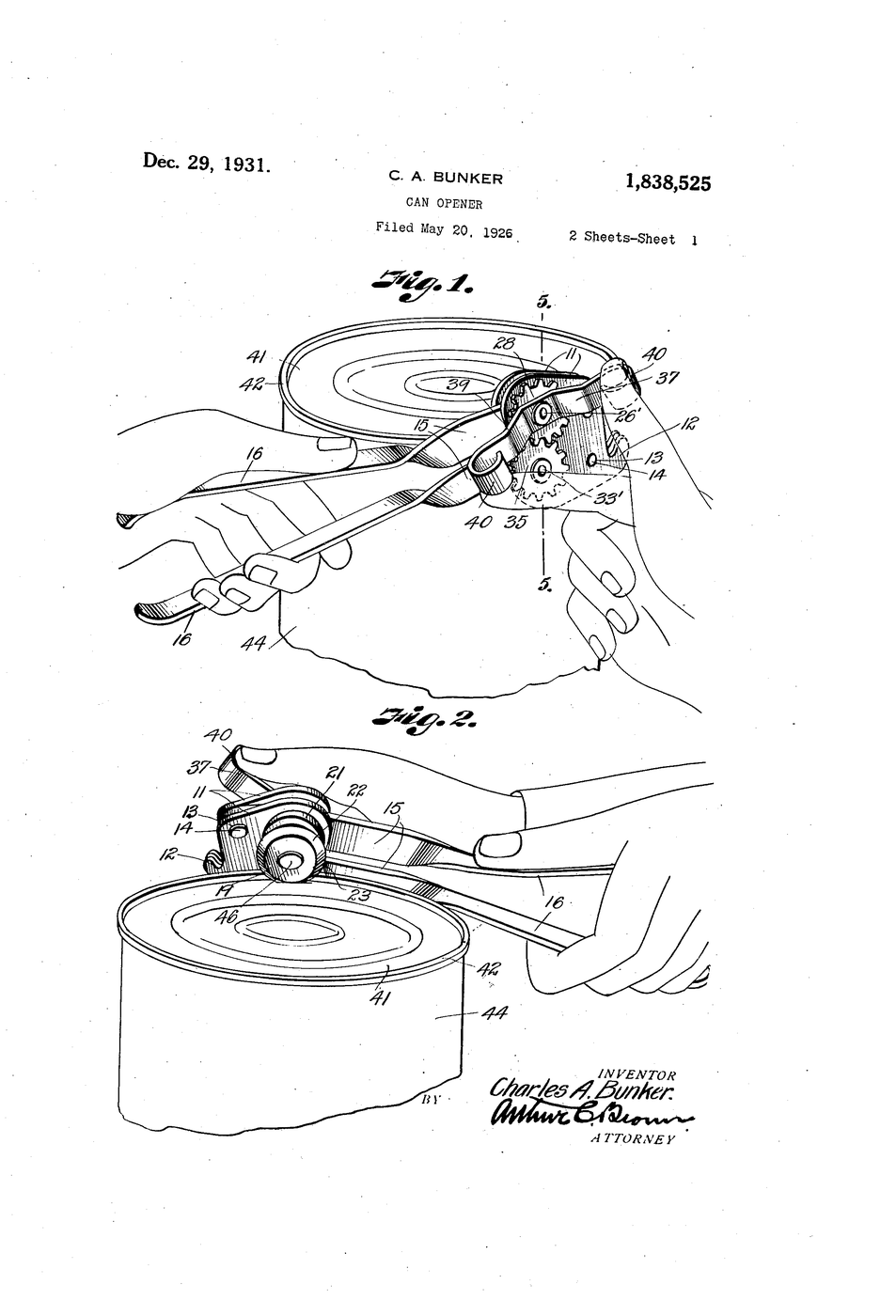
**US 1,838,525**, "Can opener", Bunker, assigned to Bunker-Clancey Manufacturing, filed 20. May 1926, granted 29. December 1931.
**You build the head** - feed wheel, cutting wheel and crank on a plywood body - and measure the force it takes against the lever opener.
Àárín
4 hours
Ìlànà
1
1
Win the cutting wheel
Win the cutting wheel
Take the hardened wheel and its axle from a cheap tubing cutter. Keep the wheel's edge unharmed - it is the one part you cannot file yourself.
Àwọn ohun èlò fún ìgbésẹ̀ yìí:
 Agégé Ọ̀pá1 ẹyọ
Àwọn irinṣẹ́ tí a nílò:
 Ìdìmú Tábìlì
 Gílásì Ààbò Tí Ó Mọ́
2
2
Make the feed wheel
Make the feed wheel
Cut a 12 mm disc from steel bar or use a hex bolt head. File 16 shallow teeth around its edge with the triangular file - deep enough to bite a rim, not to cut it.
Àwọn ohun èlò fún ìgbésẹ̀ yìí:
 Àkójọ bọ́ọ̀lù onígun mẹ́fà1 ìtò
 Àkójọpọ̀ ọ̀pá ìdì àti wáṣà1 ìtò
Àwọn irinṣẹ́ tí a nílò:
 Ìfá Irin
 Ayùn IrinÌdìmú Tábìlì
3
3
Body and crank
Body and crank
From 18 mm plywood cut two side plates. Mount the feed wheel on a shaft through both, with a 45 mm crank arm. Mount the cutting wheel above it on a pivoting jaw so that squeezing the handles presses wheel to rim, exactly 1.5 mm inboard of the seam.
Àwọn ohun èlò fún ìgbésẹ̀ yìí:
 Àwo igi tí a lẹ̀ pọ̀1 ẹyọ
Àwọn irinṣẹ́ tí a nílò:
 Ayùn Ọwọ́
 Ẹ̀rọ Ìlùkòkò Aláìlókùn
 Ìdíwọ̀n
4
4
Open a can
Open a can
Clamp an empty rinsed can's rim between the wheels, squeeze, and crank. Adjust the cutting wheel's height until it rolls a clean cut without jamming. Watch the fingers on the cut lid.
Àwọn ohun èlò fún ìgbésẹ̀ yìí:
 Ìgò irin2 ẹyọ
Àwọn irinṣẹ́ tí a nílò:
Gílásì Ààbò Tí Ó Mọ́5
5
Measure both openers
Measure both openers
Hook the spring scale to your crank and to the lever opener's handle in turn, and record the force needed while cutting - six readings each.
Àwọn ohun èlò fún ìgbésẹ̀ yìí:
Ìgò irin2 ẹyọÀwọn irinṣẹ́ tí a nílò:
 Ẹ̀rọ Ìwọ̀n Agbára (Òṣùwọ̀n Ìsúnkì)
 Ìlàǹkàn irin
6
6
Forces and wheel sizes
Forces and wheel sizes
Ń ṣí ìwé Jupyter…
7
7
History & Context
History & Context
**What the patent specifies:** a feed wheel with teeth engaging the can's rim and a cutting wheel bearing on the lid, so turning a crank carries the can past the cutter. **Modern build (derived):** a tubing-cutter wheel and a filed feed wheel on a plywood body.
Later openers moved the cut to the side seam so the lid lifts out without a sharp edge, and motors replaced the crank. Its limits: the wheels must be set to the rim thickness, a bent rim stops the feed, and the cut edge of a top-cut lid is sharp.
Àwọn ohun-èlò
5- 1 ẹyọÀyè
- Àyè
- Àyè
- 1 ẹyọÀyè
- 4 ẹyọÀyè
Ìtọ́nisọ́nà yìí ń ṣe
Blueprint tó jọra
Àwọn blueprint wọ̀nyí pín ìmọ̀ — ọ̀nà, ohun-èlò tàbí ìlànà
CC0 Àgbègbè Gbogbogbò
Blueprint yìí ti jáde lábẹ́ CC0. O lè ṣe àdàkọ, yí padà, pín, àti lò láìsí ìyọ̀ǹda.
Ṣàtìlẹ́yìn Olùṣẹ́dá nípa rírà àwọn ọjà nipasẹ̀ Blueprint wọn Ẹ̀san Olùṣẹ́dá tí àwọn Olùtajà gbé kalẹ̀, tàbí ṣẹ̀dá àtúnṣe tuntun ti Blueprint yìí kí o sì fi sínú Blueprint rẹ gẹ́gẹ́ bí ìsopọ̀ láti pín owó-wíwọlé.