IṢẸ́ ỌNÀ
ẸWÀ ÀTI ÌLERA
IṢẸ́ ỌWỌ́
ÀṢÀ ÀTI ÌTÀN
ÌṢERÉ
ÀYÍKÁ
OÚNJẸ ÀTI OHUN MÍMU
REVERSE ENGINEERING
SÁYẸ́ǸSÌ
ERÉ ÌDÁRAYÁ
ÌMỌ̀-Ẹ̀RỌ
ÀWỌN OHUN WÍWỌ̀
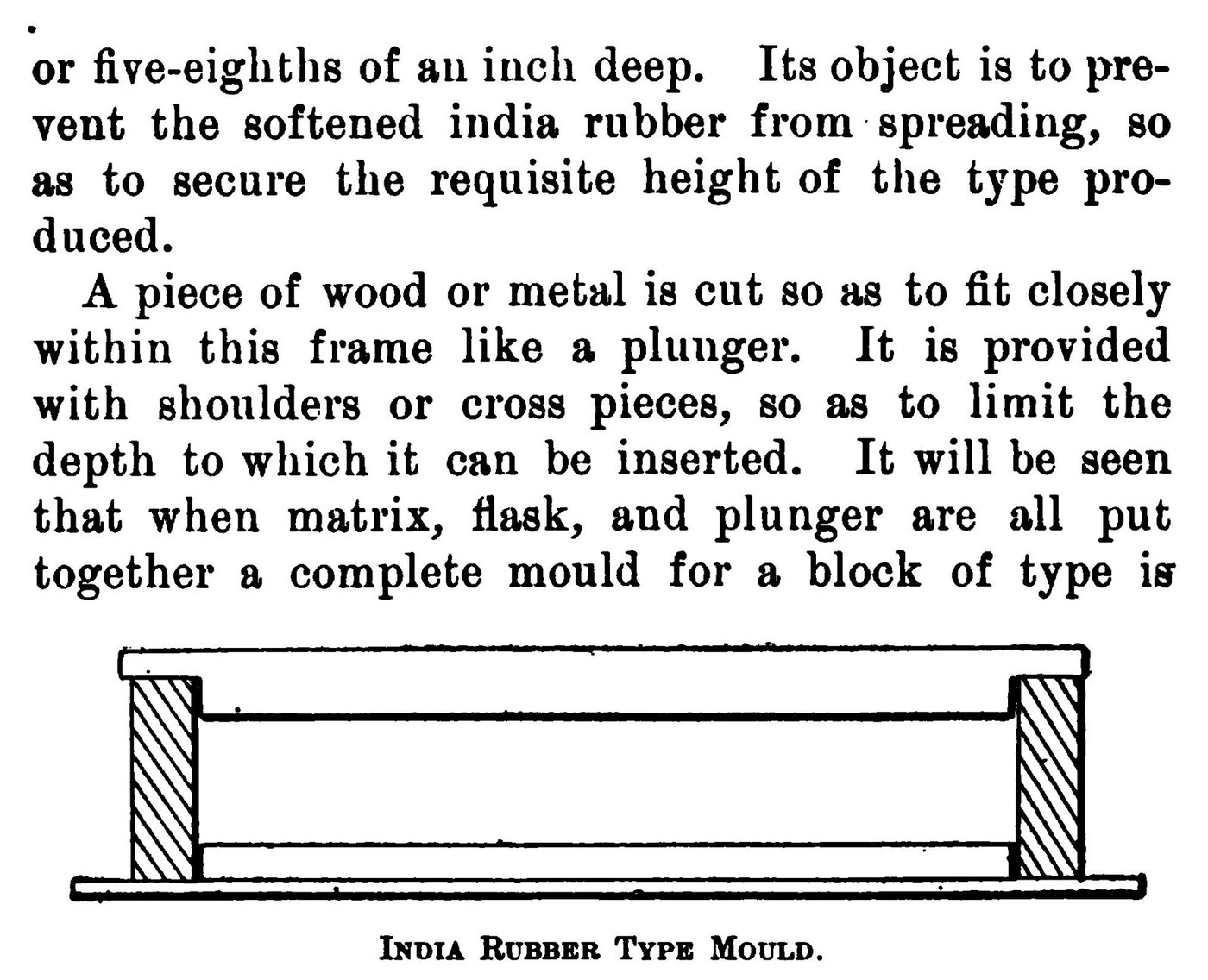


Rubber Type Set: Moulded from Printer's Type in a Plaster Matrix and Cut Apart (Sloane, 1891)
Single rubber letters and figures for stamping, copied from printer's type. T. O'Conor Sloane (1891) sets up the type, takes a plaster matrix of it, presses uncured rubber sheet onto the matrix inside a shallow frame with a plunger, cures it at 284 °F (140 °C) for half an hour, and cuts the block apart into single type with a wet knife.
High quads and spaces between the letters keep the face of the block level, so the letters stand up from a smooth surface.
Source: T. O'C. Sloane, Rubber Hand Stamps and the Manipulation of Rubber (1891), Ch. VI pp. 73-76, matrix Ch. V pp. 53-55. Picture: his type mould, p. 74.
Àárín
Unknown
Ìlànà
1
1
Read Sloane
Read Sloane
"The type which are to be copied are set up on a level base or imposing stone, and quads or spaces are put between them. ... After oiling the faces a matrix is produced exactly as described for stamps. Before it has set quite hard the plaster or cement is cut off so that it will just fit within a little 'flask' or frame."
2
2
Set up the type
Set up the type
Set up the letters and figures to be copied on a level stone or piece of marble, with high quads and spaces between them (or push the spaces up level with the shoulders of the type). Lock them in a frame of two wooden strips screwed together at their ends, and lay distance pieces each side reaching about 1/8 in. above the type faces.
Àwọn irinṣẹ́ tí a nílò:
 Àwọn lẹ́tà ìtẹ̀wé tí ó tú (ìṣù)
 Ìdìpọ̀ marble
 Pátákó Igi Líle
 Ìṣó igi
3
3
Make the plaster matrix
Make the plaster matrix
Dissolve dextrine in water until the solution is as thick as thin syrup and mix dental (or common) plaster of Paris with it to a rather stiff putty. Spread it 3/16 to 1/4 in. deep on a flat, true iron plate a little larger than the type, smoothing it with a knife. Oil the type faces with olive oil and wipe the excess out of the hollows with blotting paper. Turn the plate over and press it steadily down onto the type until it strikes the distance pieces; after about ten minutes lift it off.
Àwọn irinṣẹ́ tí a nílò:
 Pilasita ti Paris
 Dẹ́kísítírínì
 Omi
 Pẹpẹ irin
 Ọ̀bẹ ilé ìdáná
 Òróró òlífì
 Bébà ìfamu yíǹkì
4
4
Make the flask and plunger
Make the flask and plunger
Before the plaster has set quite hard, cut it so that it just fits inside a small frame (the flask) of wood, about 1/2 to 5/8 in. deep and large enough to take the whole face of the matrix. Cut a block of wood to fit closely inside the frame like a plunger, with shoulders or cross pieces that stop it at the right depth. Fix the matrix plate to the bottom of the flask with screws. The flask's other sizes are not given (unknown).
Àwọn irinṣẹ́ tí a nílò:
Pátákó Igi Líle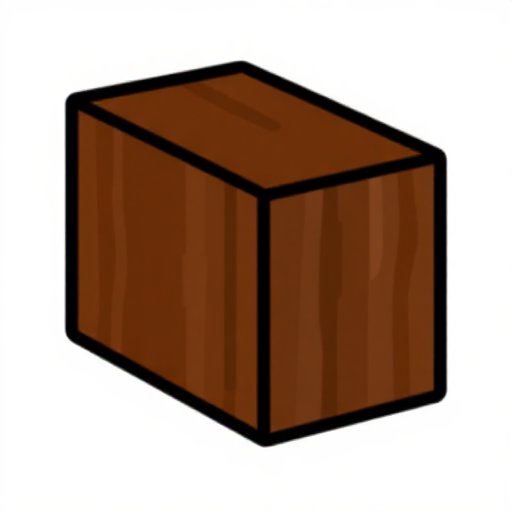 Ìṣù Igi LíleỌ̀bẹ ilé ìdánáÌṣó igi
 Ìwọ̀n tí a kò mọ̀
5
5
Fill and press
Fill and press
Dust the mould and matrix well with talc. Fill the flask with uncured mixed rubber sheet (thick sheet is best, but scraps fuse together), put the plunger on, and press the whole between two blocks of wood screwed together with long wood screws.
Àwọn ohun èlò fún ìgbésẹ̀ yìí:
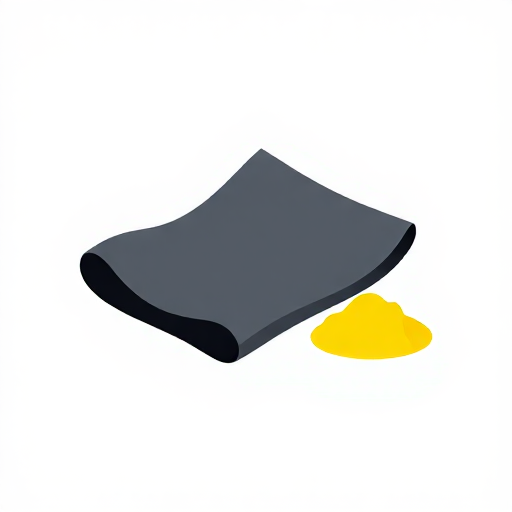 Àdàlù rọ́bà1 fills the flask
Àwọn irinṣẹ́ tí a nílò:
 Ìyẹ̀fun talcumÌṣù Igi LíleÌṣó igi
6
6
Heat, top up and cure
Heat, top up and cure
Heat the whole in a hot-air chamber. When it reaches the boiling point of water, 212 °F (100 °C), take the flask out and look at the plunger: if it has gone down to its seat without forcing out any rubber, add more rubber. The softened rubber should ooze out round the plunger. Press again and screw the press down, then put it back in the hot chamber, raise the heat to 284 °F (140 °C) and hold it there for half an hour.
Àwọn irinṣẹ́ tí a nílò:
 ÀàròÌṣù Igi LíleÌṣó igi
7
7
Cut the type apart
Cut the type apart
Take the mould out, let it cool and open it: the block of type comes out with the letters on one face. Cut it apart into single type with a sharp knife kept wet, worked with a sawing motion. One good matrix can be used many times.
Àwọn irinṣẹ́ tí a nílò:
Ọ̀bẹ ilé ìdánáOmiÀwọn ohun-èlò
1- 1 fills the flaskÀyè
Àwọn irinṣẹ́ tó nílò
15- Àyè
- Àyè
- Àyè
- Àyè
- Àyè
- Àyè
Ìtọ́nisọ́nà yìí ń ṣe

CC0 Àgbègbè Gbogbogbò
Blueprint yìí ti jáde lábẹ́ CC0. O lè ṣe àdàkọ, yí padà, pín, àti lò láìsí ìyọ̀ǹda.
Ṣàtìlẹ́yìn Olùṣẹ́dá nípa rírà àwọn ọjà nipasẹ̀ Blueprint wọn Ẹ̀san Olùṣẹ́dá tí àwọn Olùtajà gbé kalẹ̀, tàbí ṣẹ̀dá àtúnṣe tuntun ti Blueprint yìí kí o sì fi sínú Blueprint rẹ gẹ́gẹ́ bí ìsopọ̀ láti pín owó-wíwọlé.