IṢẸ́ ỌNÀ
ẸWÀ ÀTI ÌLERA
IṢẸ́ ỌWỌ́
ÀṢÀ ÀTI ÌTÀN
ÌṢERÉ
ÀYÍKÁ
OÚNJẸ ÀTI OHUN MÍMU
REVERSE ENGINEERING
SÁYẸ́ǸSÌ
ERÉ ÌDÁRAYÁ
ÌMỌ̀-Ẹ̀RỌ
ÀWỌN OHUN WÍWỌ̀


Russia Sheet Iron: Charcoal-Packed Sheets Hammered to a Mirror Polish (Jordan after Koulibine, 1867)
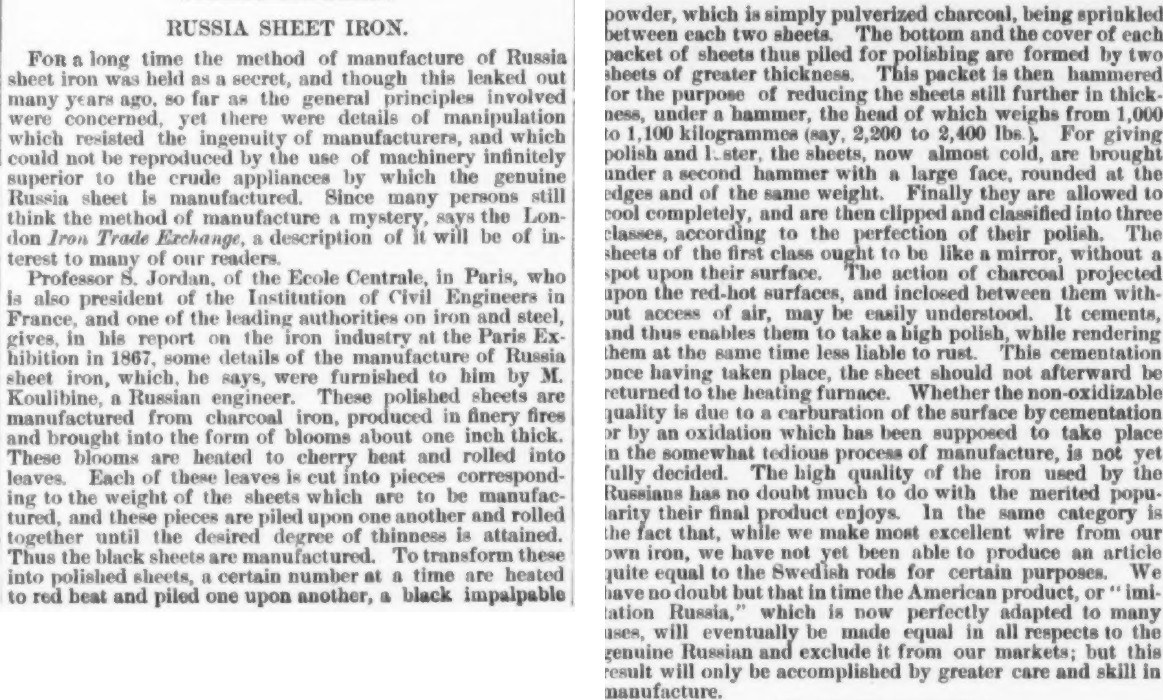
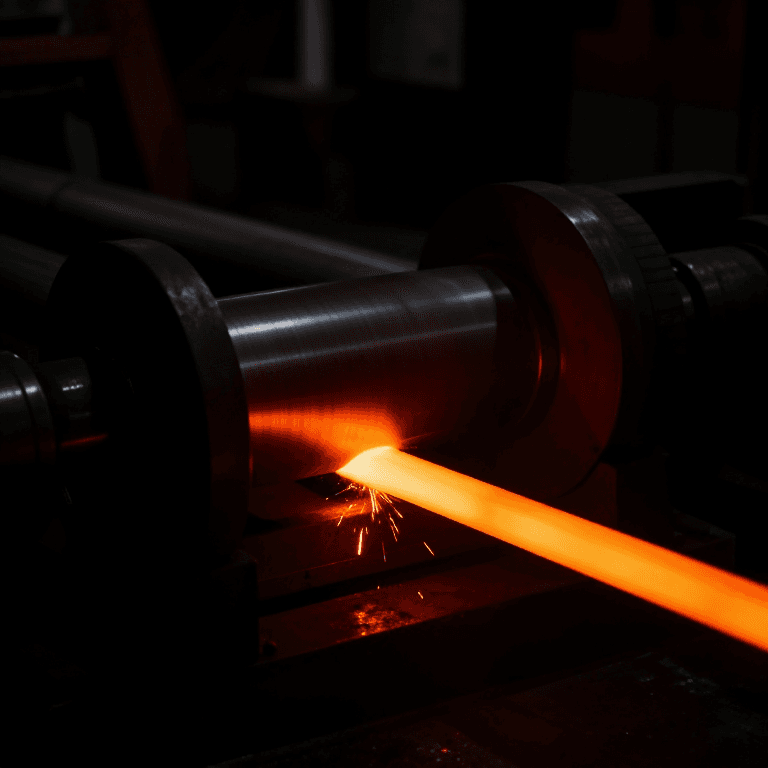
The glossy blue-black Russia sheet iron, long a Russian secret, as the engineer Koulibine described it to Professor Jordan for the Paris Exhibition of 1867: charcoal iron is rolled into black sheets, then packed red-hot with powdered charcoal between them and hammered under a one-ton hammer, then polished cold under a second.
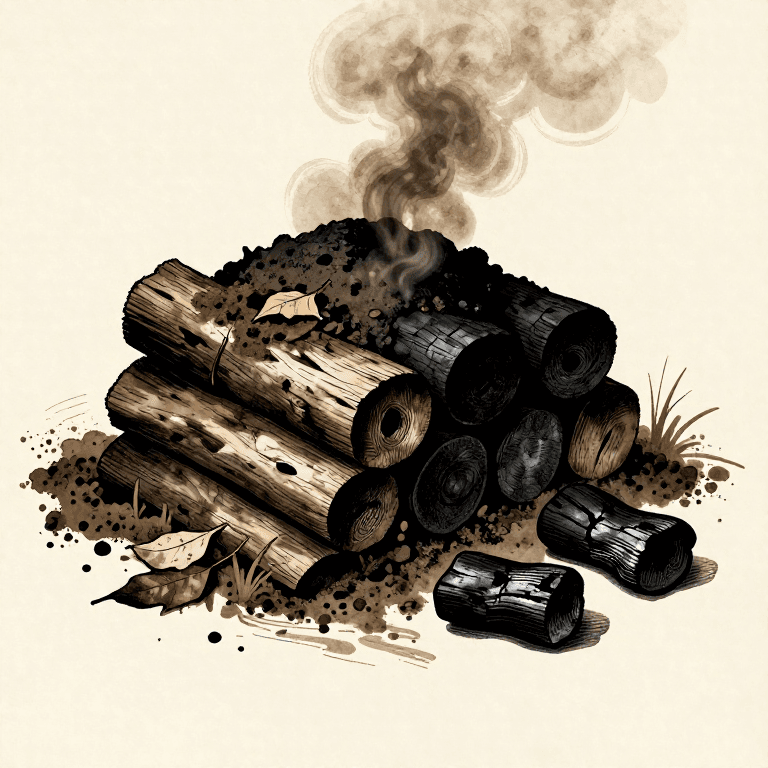
The charcoal, shut in between the hot sheets without air, cements the surface: it takes a high polish and rusts less. Once cemented, a sheet must not go back into the heating furnace.
Unknown: how the charcoal finery iron is made. The source does not give it.
Source: 'Russia Sheet Iron', Scientific American Supplement No. 154 (1878), pp. 2448-2449, after Jordan's 1867 report. Picture: the article.
Ilọsíwájú
Unknown
Ìlànà
1
1
Roll the blooms into leaves
Roll the blooms into leaves
Start from charcoal iron made in finery fires and brought into blooms about one inch thick. Heat the blooms to cherry heat and roll them into leaves. Ours: the furnace and the rolling mill; the source names neither.
Àwọn ohun èlò fún ìgbésẹ̀ yìí:
 Irin tí a fi èédú igi yọ́ mọ́1 blooms about 1 inch thick
Àwọn irinṣẹ́ tí a nílò:
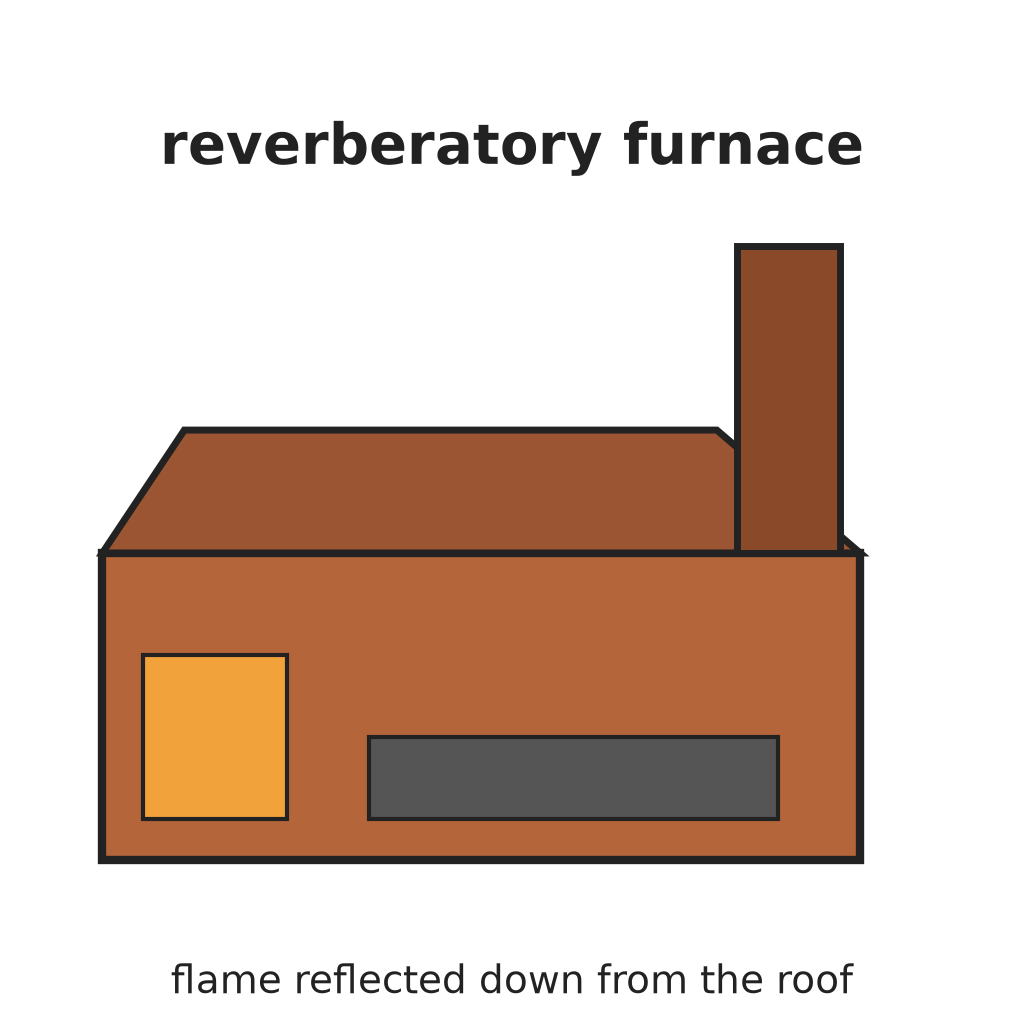 Ààrò Reverberatory
 Ẹ̀rọ ìtẹ̀ irin
 Ẹmú Alágbẹ̀dẹ
2
2
Roll the black sheets
Roll the black sheets
Cut each leaf into pieces that match the weight of the sheets to be made. Pile the pieces on one another and roll them together until they are as thin as wanted. These are the black sheets.
Àwọn irinṣẹ́ tí a nílò:
 Àlùmọ́gàjí àwo irinÀàrò ReverberatoryẸ̀rọ ìtẹ̀ irinẸmú Alágbẹ̀dẹ
3
3
Pack with charcoal
Pack with charcoal
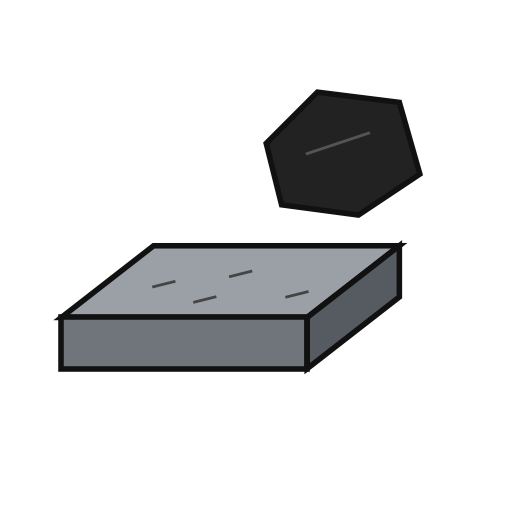
Heat a number of black sheets at a time to red heat and pile them one on another, sprinkling pulverized charcoal, a black impalpable powder, between each two. Two thicker sheets form the bottom and the cover of the packet. Ours: we pound lump charcoal in a mortar.
Àwọn ohun èlò fún ìgbésẹ̀ yìí:
 Èédú igi ege (igi líle)1 pulverized
Àwọn irinṣẹ́ tí a nílò:
 Odó àti Ọmọ Odó ÒkútaÀàrò ReverberatoryẸmú Alágbẹ̀dẹ
4
4
Hammer the packet
Hammer the packet
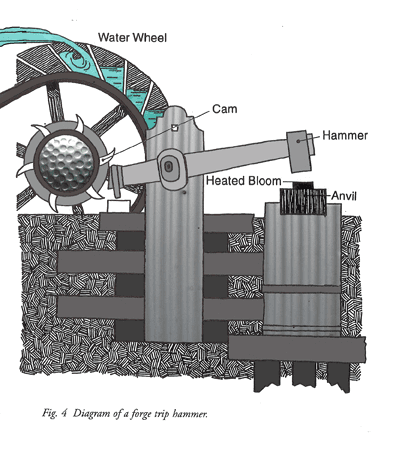
Hammer the packet to thin the sheets further, under a hammer whose head weighs 1,000 to 1,100 kg (2,200 to 2,400 lb). Ours: a trip hammer; the source does not say how the hammer is driven.
Àwọn irinṣẹ́ tí a nílò:
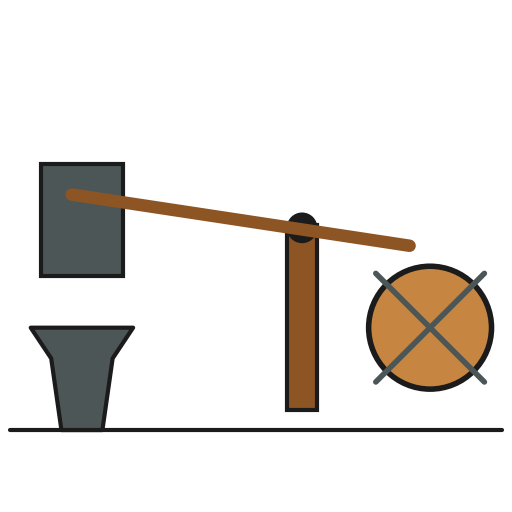 Òòlù tí a ń jù sílẹ̀Ẹmú Alágbẹ̀dẹ
5
5
Polish under the second hammer
Polish under the second hammer
When the sheets are almost cold, bring them under a second hammer of the same weight with a large face, rounded at the edges, to give them polish and lustre. Do not put them back in the heating furnace.
Àwọn irinṣẹ́ tí a nílò:
Òòlù tí a ń jù sílẹ̀Ẹmú Alágbẹ̀dẹ6
6
Clip and sort
Clip and sort
Let the sheets cool completely, then clip them and sort them into three classes by the perfection of their polish. A first-class sheet is like a mirror, without a spot on its surface.
Àwọn irinṣẹ́ tí a nílò:
Àlùmọ́gàjí àwo irinÀwọn ohun-èlò
2- 1 blooms about 1 inch thickÀyè
- 1 pulverizedÀyè
Àwọn Ohun Èlò Ìtọ́nisọ́nà Tí A So Pọ̀

Ìtọ́nisọ́nà yìí ń ṣe
CC0 Àgbègbè Gbogbogbò
Blueprint yìí ti jáde lábẹ́ CC0. O lè ṣe àdàkọ, yí padà, pín, àti lò láìsí ìyọ̀ǹda.
Ṣàtìlẹ́yìn Olùṣẹ́dá nípa rírà àwọn ọjà nipasẹ̀ Blueprint wọn Ẹ̀san Olùṣẹ́dá tí àwọn Olùtajà gbé kalẹ̀, tàbí ṣẹ̀dá àtúnṣe tuntun ti Blueprint yìí kí o sì fi sínú Blueprint rẹ gẹ́gẹ́ bí ìsopọ̀ láti pín owó-wíwọlé.