IṢẸ́ ỌNÀ
ẸWÀ ÀTI ÌLERA
IṢẸ́ ỌWỌ́
ÀṢÀ ÀTI ÌTÀN
ÌṢERÉ
ÀYÍKÁ
OÚNJẸ ÀTI OHUN MÍMU
REVERSE ENGINEERING
SÁYẸ́ǸSÌ
ERÉ ÌDÁRAYÁ
ÌMỌ̀-Ẹ̀RỌ
ÀWỌN OHUN WÍWỌ̀
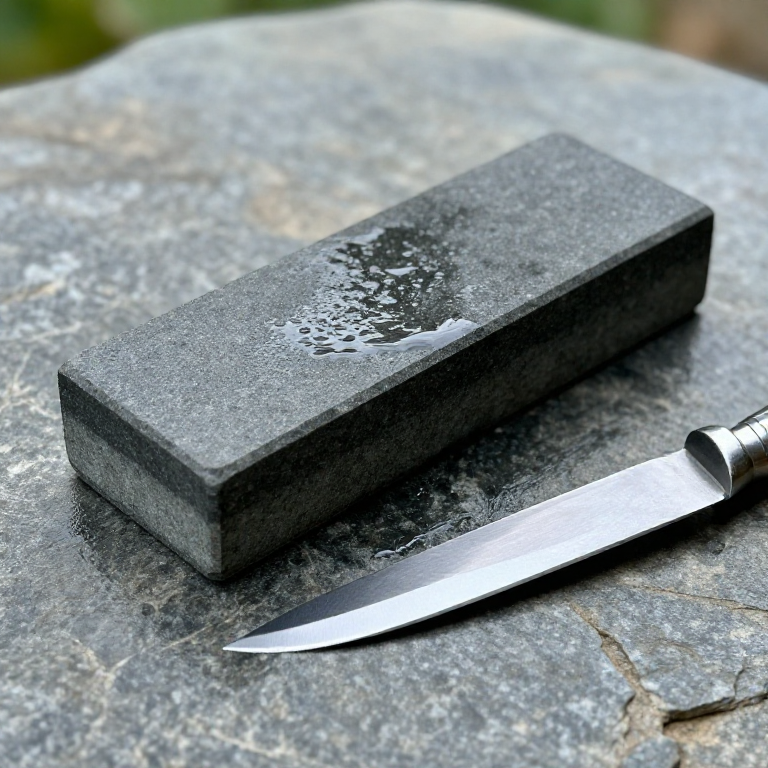


Sandstone Whetstone
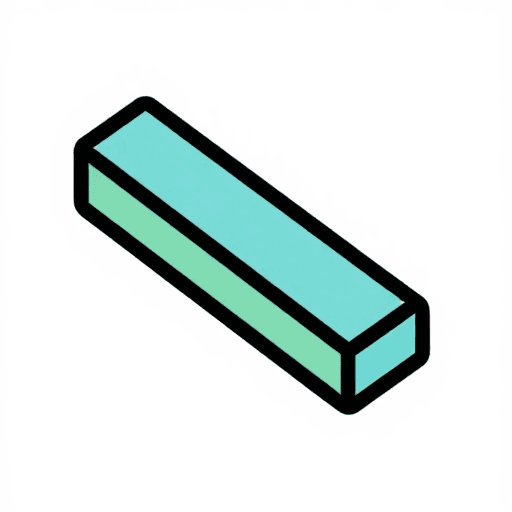
Before bonded abrasives, edges were sharpened on natural stone, and fine sandstone was the commonest. A piece is shaped to a block and one face is ground dead flat by rubbing it on a flat slab with sand and water. Used wet, its quartz grains cut steel. Sandstone cuts fast but coarse: finish an edge on a finer stone.
Olùbẹ̀rẹ̀
Half a day
Ìlànà
1
1
Choose the stone
Choose the stone
Pick a piece of fine, even-grained sandstone without cracks or soft layers, a little bigger than the block you want.
Àwọn ohun èlò fún ìgbésẹ̀ yìí:
 Òkúta Iyanrìn (Ohun Ìfá)2 kg
2
2
Shape a block
Shape a block
Wearing glasses, trim it to a rough block about 200 by 60 by 30 mm with the chisels and hammer.
Àwọn irinṣẹ́ tí a nílò:
 Àwọn ìṣáájú ìgbẹ́ òkúta
 Òòlù ìgbẹ́ òkúta
 Gíláàsì ààbò
3
3
Flatten the face
Flatten the face
Sprinkle sand and water on a large flat stone and rub the stone's face on it in figure-eights until the straightedge shows no light under it.
Àwọn ohun èlò fún ìgbésẹ̀ yìí:
 Iyanrìn0.5 kg
 Omi2 lítà
Àwọn irinṣẹ́ tí a nílò:
 Òkúta pẹrẹsẹ ńlá
 Etí tààrà
4
4
Test it
Test it
Soak it in water and hone a dull knife on it: the edge should come up keen but coarse.
Àwọn ohun èlò fún ìgbésẹ̀ yìí:
Omi2 lítàÀwọn irinṣẹ́ tí a nílò:
 Abọ́
Abọ́Àwọn irinṣẹ́ tó nílò
6- Àyè
- Àyè
- Àyè
Ìtọ́nisọ́nà yìí ń ṣe
CC0 Àgbègbè Gbogbogbò
Blueprint yìí ti jáde lábẹ́ CC0. O lè ṣe àdàkọ, yí padà, pín, àti lò láìsí ìyọ̀ǹda.
Ṣàtìlẹ́yìn Olùṣẹ́dá nípa rírà àwọn ọjà nipasẹ̀ Blueprint wọn Ẹ̀san Olùṣẹ́dá tí àwọn Olùtajà gbé kalẹ̀, tàbí ṣẹ̀dá àtúnṣe tuntun ti Blueprint yìí kí o sì fi sínú Blueprint rẹ gẹ́gẹ́ bí ìsopọ̀ láti pín owó-wíwọlé.