IṢẸ́ ỌNÀ
ẸWÀ ÀTI ÌLERA
IṢẸ́ ỌWỌ́
ÀṢÀ ÀTI ÌTÀN
ÌṢERÉ
ÀYÍKÁ
OÚNJẸ ÀTI OHUN MÍMU
REVERSE ENGINEERING
SÁYẸ́ǸSÌ
ERÉ ÌDÁRAYÁ
ÌMỌ̀-Ẹ̀RỌ
ÀWỌN OHUN WÍWỌ̀
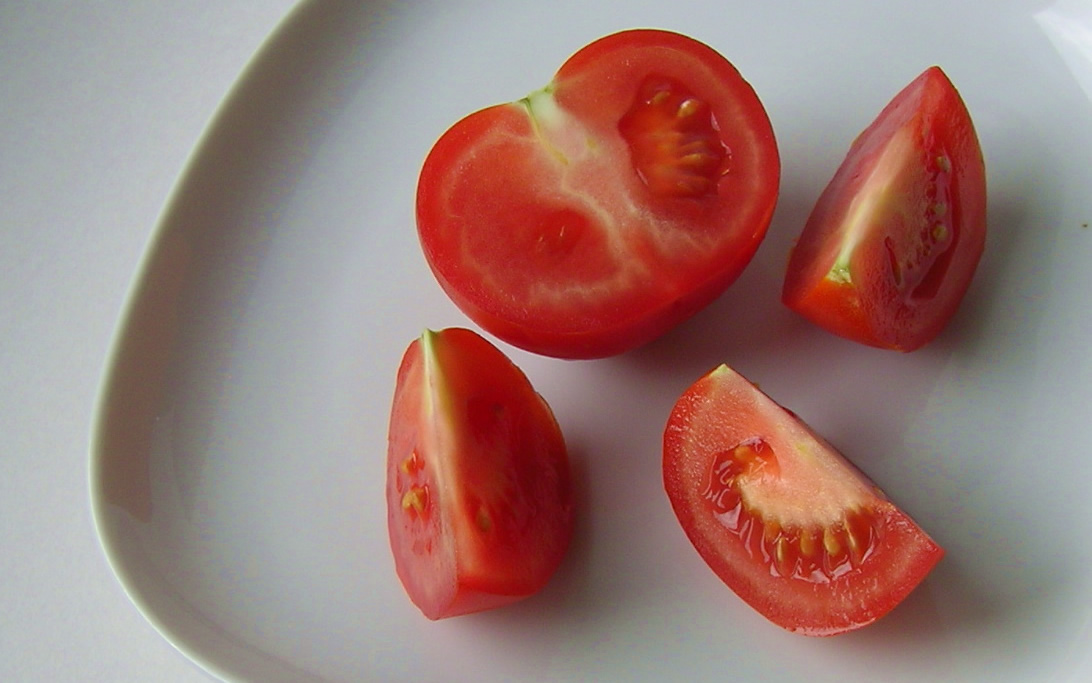
Robert Wetzlmayr · CC BY-SA 3.0


Saving Tomato Seeds — The Fermentation Method
Save tomato seed the proper way — by fermenting it. Each tomato seed is wrapped in a slippery gel that stops it germinating inside the fruit, so you let the scooped seeds ferment in a jar for a few days to dissolve that coat (and kill seed-borne disease), then rinse, dry and store. A buildable school project in the wet seed and why rotting helps.
Olùbẹ̀rẹ̀
About a week (a few days fermenting)
Ìlànà
1
1
The seed in a jacket of jelly
The seed in a jacket of jelly
Cut a tomato open and each seed sits in a slippery gel. That gel is a natural germination inhibitor — it stops the seeds sprouting inside a warm, wet fruit. To save the seed we must remove that jacket, and the cleanest way is to let it ferment, just as a fruit rotting on the ground would.
2
2
Choose a fully ripe fruit
Choose a fully ripe fruit
Pick a dead-ripe (even slightly overripe) tomato from a healthy, true-to-type, OPEN-POLLINATED plant — never an F1 hybrid. Riper fruit means fully finished seed.
Àwọn ohun èlò fún ìgbésẹ̀ yìí:
 Irúgbìn tòmátì1 packet
3
3
Scoop seeds and gel into a jar
Scoop seeds and gel into a jar
Squeeze or scoop the seeds and their jelly into a jar and add a splash of water. Label the jar. Leave it uncovered (or loosely covered) somewhere warm, out of direct sun.
Àwọn irinṣẹ́ tí a nílò:
 Ago Bórósílíkéètì
4
4
Ferment for 2-4 days
Ferment for 2-4 days
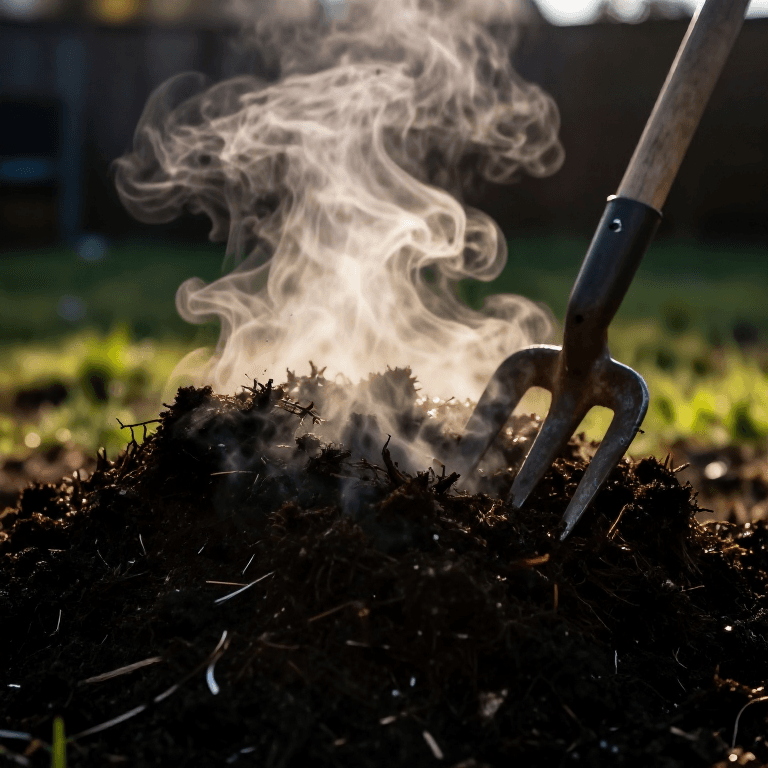
Stir once a day. Over 2-4 days a layer of mould and scum forms on top — this is the fermentation dissolving the gel coat and, as a bonus, killing several seed-borne diseases. Stop at 3-4 days; ferment too long and the good seeds start to sprout or spoil.
5
5
Rinse — keep the sinkers
Rinse — keep the sinkers
Add plenty of water and stir. The good, heavy seeds SINK; the dead seeds and pulp float — pour the floaters off. Tip the sinkers into a fine sieve and rinse under the tap until they are perfectly clean.
Àwọn irinṣẹ́ tí a nílò:
 Ìṣẹ́ mesh 60
6
6
Dry flat and store
Dry flat and store
Spread the seeds thinly on a plate or fine screen (NOT paper towel — they glue themselves to it) and dry out of the sun, stirring daily, until they no longer stick together. Store cool, dark and airtight, labelled. Tomato seed lasts 4-6 years.
Àwọn ohun èlò fún ìgbésẹ̀ yìí:
 Ìgò Gílásì Onídìí1 ẹyọ
 Àmì Ìdìmọ́1 ewé
7
7
Compendium — the wet seed and fruit's clock
Compendium — the wet seed and fruit's clock
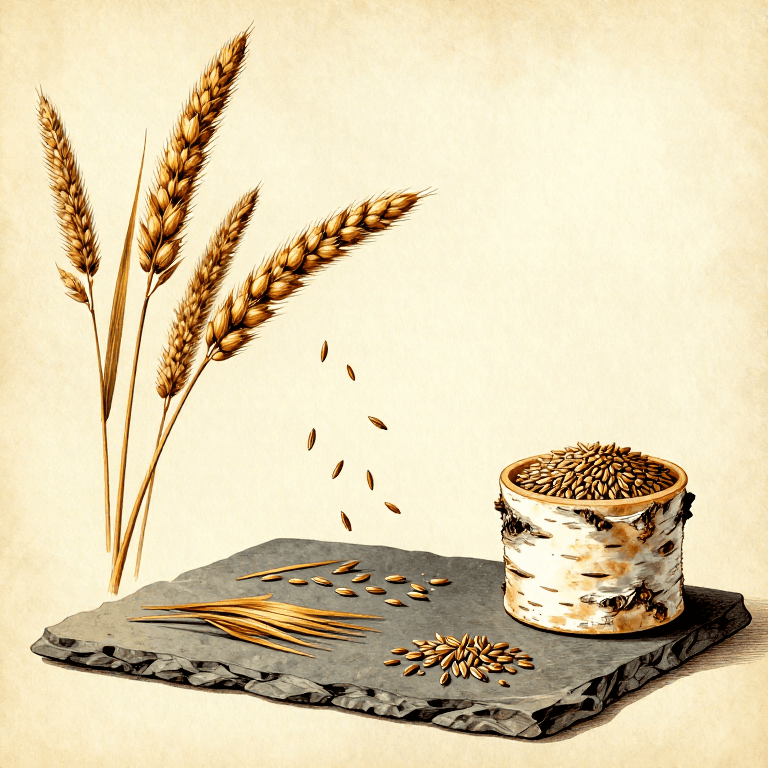
Seeds fall into two camps for the saver. DRY seeds (beans, lettuce, carrots) ripen in a pod or head that dries on the plant, so you just wait, thresh and store. WET seeds are born inside a juicy fruit — tomato, cucumber, squash, melon — and the fruit's job is to keep those seeds moist, fed and, crucially, DORMANT until it is eaten or rots away, so they don't sprout in the wet dark of the fruit. The tomato enforces that dormancy with a gel around each seed loaded with germination inhibitors. In nature the fruit drops, rots, and microbes eat away the gel, freeing the clean seed to germinate in spring — fermentation in a jar is simply that rotting, sped up and controlled. It does three useful things at once: it digests the inhibitor gel so the seed will germinate crisply, it destroys a number of bacterial and fungal diseases that ride on the seed coat, and the float-test at the end sorts the living heavy seed from the dead light chaff. The tomato is a self-pollinator like the bean, so its seed comes true with little isolation — but the wet-seed handling is what's new here, and the same ferment-or-wash principle carries over to cucumbers and, with a simpler rinse, to squash and melon. A New World fruit that only reached Europe in the 1500s, the tomato is now the most-saved seed in the home garden — and it all turns on cooperating with the fruit's own clever clock.
Àwọn ohun-èlò
3- 1 packetÀyè
- 1 ẹyọÀyè
- 1 ewéÀyè
Àwọn irinṣẹ́ tó nílò
2- Àyè
Ìtọ́nisọ́nà yìí ń ṣe
Blueprint tó jọra
Àwọn blueprint wọ̀nyí pín ìmọ̀ — ọ̀nà, ohun-èlò tàbí ìlànà
CC0 Àgbègbè Gbogbogbò
Blueprint yìí ti jáde lábẹ́ CC0. O lè ṣe àdàkọ, yí padà, pín, àti lò láìsí ìyọ̀ǹda.
Ṣàtìlẹ́yìn Olùṣẹ́dá nípa rírà àwọn ọjà nipasẹ̀ Blueprint wọn Ẹ̀san Olùṣẹ́dá tí àwọn Olùtajà gbé kalẹ̀, tàbí ṣẹ̀dá àtúnṣe tuntun ti Blueprint yìí kí o sì fi sínú Blueprint rẹ gẹ́gẹ́ bí ìsopọ̀ láti pín owó-wíwọlé.