IṢẸ́ ỌNÀ
ẸWÀ ÀTI ÌLERA
IṢẸ́ ỌWỌ́
ÀṢÀ ÀTI ÌTÀN
ÌṢERÉ
ÀYÍKÁ
OÚNJẸ ÀTI OHUN MÍMU
REVERSE ENGINEERING
SÁYẸ́ǸSÌ
ERÉ ÌDÁRAYÁ
ÌMỌ̀-Ẹ̀RỌ
ÀWỌN OHUN WÍWỌ̀
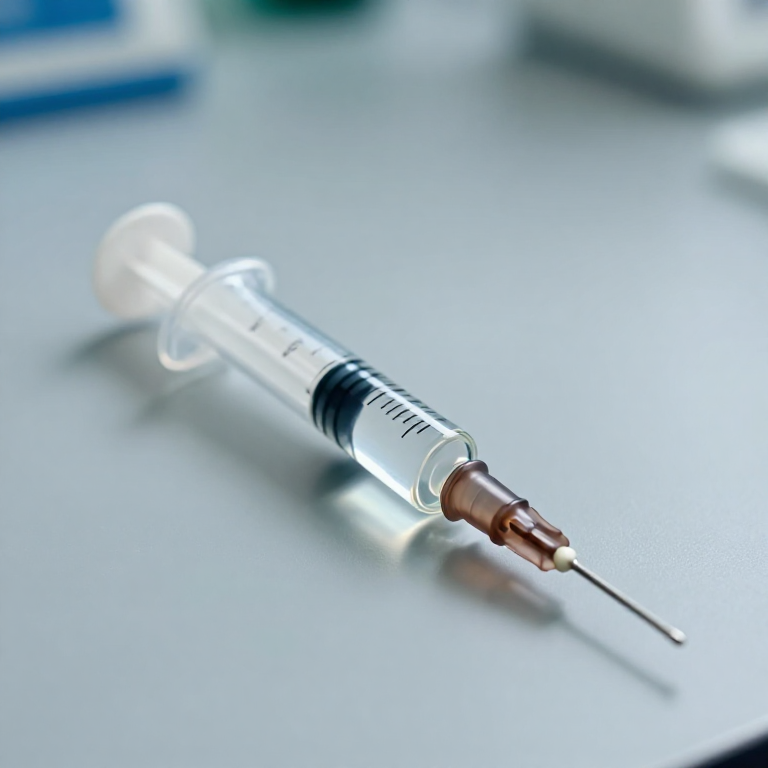


Boyle's Law — Squeeze a Syringe of Air
A hands-on school project: seal air in a syringe, squeeze it, and feel the pressure fight back harder the smaller the space gets. Measure the trade-off between pressure and volume, check that pressure times volume stays constant with a Python cell, and learn the gas law behind everything from scuba diving to your own lungs.
Olùbẹ̀rẹ̀
30 minutes
Ìlànà
1
1
Air is a spring
Air is a spring
In 1662 Robert Boyle trapped air and squeezed it, and found that halving its space doubles its pressure. He called air a 'spring' — the more you compress it, the harder it pushes back. You will feel and measure that spring for yourself.
2
2
Seal the syringe
Seal the syringe
Pull the plunger of a syringe back to draw in air, then seal the tip firmly (a blob of modelling putty or a finger held tight will do). Now the air is trapped. Note the starting volume marked on the barrel.
Àwọn ohun èlò fún ìgbésẹ̀ yìí:
 Syringe (Laboratory)1 ẹyọ
3
3
Squeeze and read
Squeeze and read
Push the plunger in to smaller and smaller volumes and feel how much harder you must push each time — that push is the pressure. To put numbers on it, stand the sealed syringe upright and pile known weights on the plunger, or press it against a force meter, and record the volume at each pressure. Notice you can never quite push it to zero: the air fights back ever harder.
Àwọn irinṣẹ́ tí a nílò:
 Force Meter (Spring Scale)
4
4
Check that pressure times volume is constant
Check that pressure times volume is constant
Ń ṣí ìwé Jupyter…
Àwọn irinṣẹ́ tí a nílò:
 Desktop Computer
 Calculator
5
5
Compendium: gases under pressure
Compendium: gases under pressure
What the constant product tells you. (1) Pressure and volume are INVERSELY proportional only while the temperature is held fixed — squeeze fast and the air also heats up, which is why a bicycle pump gets warm. (2) Plotting pressure against 1/volume gives a straight line, the tidy proof of the law. (3) Boyle's law is the first of the gas laws; joined with Charles's law it becomes the ideal gas law that runs engines, refrigerators and weather. (4) It explains why a scuba diver must never hold their breath while surfacing — the lung air expands as the pressure drops — why your ears pop on a plane, and how your own chest lowers its pressure to pull air in with every breath.
Àwọn ohun-èlò
2- 1 ẹyọÀyè
- 1 ewéÀyè
Àwọn irinṣẹ́ tó nílò
4- Àyè
Blueprint tó jọra
Àwọn blueprint wọ̀nyí pín ìmọ̀ — ọ̀nà, ohun-èlò tàbí ìlànà



CC0 Àgbègbè Gbogbogbò
Blueprint yìí ti jáde lábẹ́ CC0. O lè ṣe àdàkọ, yí padà, pín, àti lò láìsí ìyọ̀ǹda.
Ṣàtìlẹ́yìn Olùṣẹ́dá nípa rírà àwọn ọjà nipasẹ̀ Blueprint wọn Ẹ̀san Olùṣẹ́dá tí àwọn Olùtajà gbé kalẹ̀, tàbí ṣẹ̀dá àtúnṣe tuntun ti Blueprint yìí kí o sì fi sínú Blueprint rẹ gẹ́gẹ́ bí ìsopọ̀ láti pín owó-wíwọlé.