IṢẸ́ ỌNÀ
ẸWÀ ÀTI ÌLERA
IṢẸ́ ỌWỌ́
ÀṢÀ ÀTI ÌTÀN
ÌṢERÉ
ÀYÍKÁ
OÚNJẸ ÀTI OHUN MÍMU
REVERSE ENGINEERING
SÁYẸ́ǸSÌ
ERÉ ÌDÁRAYÁ
ÌMỌ̀-Ẹ̀RỌ
ÀWỌN OHUN WÍWỌ̀
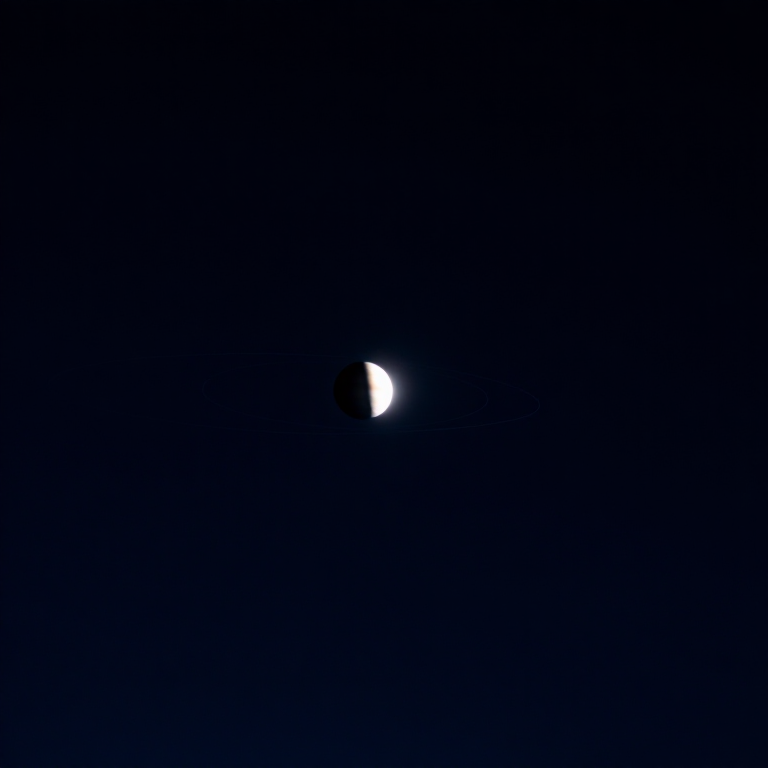
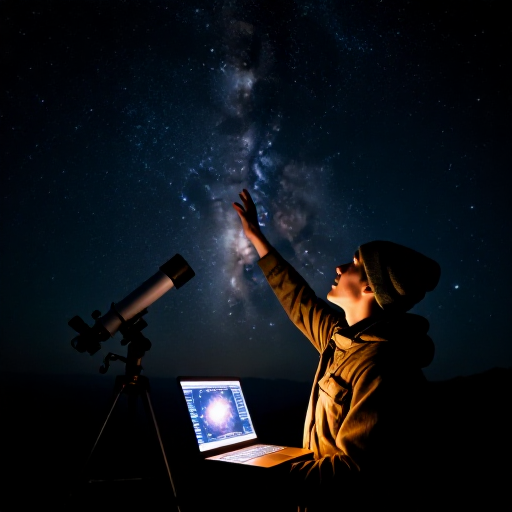

Kepler's Laws — Draw a Planet's Ellipse with Two Pins and a String
A hands-on maths project: pin a loop of string between two points and draw a perfect ellipse -- the true shape of a planet's orbit, with the Sun at one focus. Then check Kepler's law that ties every planet's year to its distance. A Python cell tests it on real planets, and a compendium reaches to Newton and exoplanets.
Olùbẹ̀rẹ̀
30 minutes
Ìlànà
1
1
Orbits are not circles
Orbits are not circles
Between 1609 and 1619 Johannes Kepler used Tycho Brahe's precise data to prove planets move in ELLIPSES, not perfect circles, with the Sun at one focus. You will draw that exact shape.
2
2
Pin a loop of string
Pin a loop of string
Push two drawing pins into a board a few centimetres apart -- these are the two 'foci'. Tie a loop of string and drop it over both pins. Put a pencil inside the loop and pull it taut.
Àwọn ohun èlò fún ìgbésẹ̀ yìí:
 Àkópọ̀ Bébà Líle Aláwọ̀1 ẹyọ
 Okùn Òwú Ilé-ìdáná1 ẹyọ
 Ìṣó ìyàwòrán (àpótí 50)1 ẹyọ
Àwọn irinṣẹ́ tí a nílò:
 Àkójọ Pénsùlù Gíráfáìtì
3
3
Draw the ellipse
Draw the ellipse
Keeping the string taut, run the pencil all the way around the two pins. It traces a perfect ellipse. Move the pins closer together and the ellipse gets rounder (closer to a circle); move them apart and it stretches. One pin marks where the Sun sits -- notice it is NOT at the centre. That off-centre Sun is Kepler's first law.
4
4
Test the third law on real planets
Test the third law on real planets
Ń ṣí ìwé Jupyter…
Àwọn irinṣẹ́ tí a nílò:
 Kọ̀ǹpútà Tábìlì
 Ẹ̀rọ Ìṣirò
5
5
Compendium: the harmony of the worlds
Compendium: the harmony of the worlds
What your ellipse teaches. (1) First law: each orbit is an ellipse with the Sun at ONE focus (the other is empty). (2) Second law: a planet sweeps equal AREAS in equal times, so it races when near the Sun and dawdles when far. (3) Third law: the square of the period equals the cube of the average distance, tying every planet's speed to its distance in one clean rule. (4) Kepler found the WHAT; Newton later found the WHY, deriving all three from a single law of gravity. The same laws steer every spacecraft and, today, reveal planets around other stars -- astronomers watch a distant world obey Kepler's second law and know its orbit before they ever see it.
Àwọn ohun-èlò
4- Àyè
- 1 ẹyọÀyè
- Àyè
- 1 ewéÀyè
Àwọn irinṣẹ́ tó nílò
3- Àyè
Blueprint tó jọra
Àwọn blueprint wọ̀nyí pín ìmọ̀ — ọ̀nà, ohun-èlò tàbí ìlànà
CC0 Àgbègbè Gbogbogbò
Blueprint yìí ti jáde lábẹ́ CC0. O lè ṣe àdàkọ, yí padà, pín, àti lò láìsí ìyọ̀ǹda.
Ṣàtìlẹ́yìn Olùṣẹ́dá nípa rírà àwọn ọjà nipasẹ̀ Blueprint wọn Ẹ̀san Olùṣẹ́dá tí àwọn Olùtajà gbé kalẹ̀, tàbí ṣẹ̀dá àtúnṣe tuntun ti Blueprint yìí kí o sì fi sínú Blueprint rẹ gẹ́gẹ́ bí ìsopọ̀ láti pín owó-wíwọlé.