IṢẸ́ ỌNÀ
ẸWÀ ÀTI ÌLERA
IṢẸ́ ỌWỌ́
ÀṢÀ ÀTI ÌTÀN
ÌṢERÉ
ÀYÍKÁ
OÚNJẸ ÀTI OHUN MÍMU
REVERSE ENGINEERING
SÁYẸ́ǸSÌ
ERÉ ÌDÁRAYÁ
ÌMỌ̀-Ẹ̀RỌ
ÀWỌN OHUN WÍWỌ̀
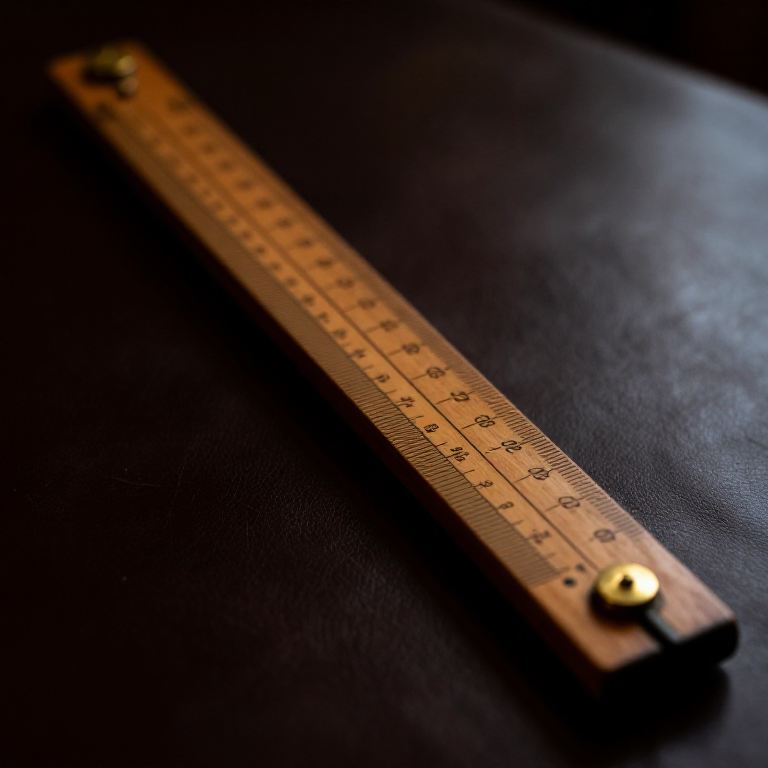


Napier's Logarithms — Build a Paper Slide Rule and Multiply by Sliding
A hands-on maths project: make a slide rule from two paper strips marked with a logarithmic scale, then multiply numbers just by sliding them -- because logarithms turn multiplication into addition. A Python cell shows the log trick, and a compendium covers 300 years of computing before the calculator.
Olùbẹ̀rẹ̀
30 minutes
Ìlànà
1
1
Turning times into plus
Turning times into plus
In 1614 John Napier published logarithms, which turn hard multiplication into easy addition. The slide rule mechanised the trick and did the world's calculating for 300 years. You will build one from paper.
2
2
Make two logarithmic strips
Make two logarithmic strips
Cut two identical strips of card. On each, mark 1 at the left and 10 at the right, but space the numbers so that 2 sits about 30% along, 3 about 48%, 5 about 70% -- these positions are the logarithms. (Mark 1,2,3,...,10 at the log positions; a printed log scale helps.) These uneven marks are the secret.
Àwọn ohun èlò fún ìgbésẹ̀ yìí:
 Àkópọ̀ Bébà Líle Aláwọ̀1 ẹyọ
Àwọn irinṣẹ́ tí a nílò:
 Ìdíwọ̀n
 Ìṣẹ́ná
 Àkójọ Pénsùlù Gíráfáìtì
3
3
Multiply by sliding
Multiply by sliding
To multiply, say, 2 by 3: slide the 1 of the top strip to sit above the 2 on the bottom strip. Now look above the 3 on the top strip -- it points at 6 on the bottom. You just multiplied by ADDING two lengths. Try 2 by 4, or 3 by 3. Sliding adds the log-distances, and adding logs multiplies the numbers.
4
4
See the log trick in numbers
See the log trick in numbers
Ń ṣí ìwé Jupyter…
Àwọn irinṣẹ́ tí a nílò:
 Kọ̀ǹpútà Tábìlì
 Ẹ̀rọ Ìṣirò
5
5
Compendium: three centuries of computing
Compendium: three centuries of computing
What your slide rule teaches. (1) A logarithm answers 'what power of 10 gives this number?', and the one law log(a times b) equals log(a) plus log(b) is why sliding (adding lengths) multiplies. (2) Equal MULTIPLES sit at equal DISTANCES on a log scale -- that is why the marks bunch up toward 10. (3) From Kepler's orbits to the Apollo programme, science ran on log tables and slide rules until electronic calculators retired them in the 1970s. (4) Logarithms never left: they measure sound in decibels, acidity in pH, earthquakes on the Richter scale and information in bits.
Àwọn ohun-èlò
2- Àyè
- 1 ewéÀyè
Àwọn irinṣẹ́ tó nílò
5- Àyè
- Àyè
- Àyè
Blueprint tó jọra
Àwọn blueprint wọ̀nyí pín ìmọ̀ — ọ̀nà, ohun-èlò tàbí ìlànà

CC0 Àgbègbè Gbogbogbò
Blueprint yìí ti jáde lábẹ́ CC0. O lè ṣe àdàkọ, yí padà, pín, àti lò láìsí ìyọ̀ǹda.
Ṣàtìlẹ́yìn Olùṣẹ́dá nípa rírà àwọn ọjà nipasẹ̀ Blueprint wọn Ẹ̀san Olùṣẹ́dá tí àwọn Olùtajà gbé kalẹ̀, tàbí ṣẹ̀dá àtúnṣe tuntun ti Blueprint yìí kí o sì fi sínú Blueprint rẹ gẹ́gẹ́ bí ìsopọ̀ láti pín owó-wíwọlé.