IṢẸ́ ỌNÀ
ẸWÀ ÀTI ÌLERA
IṢẸ́ ỌWỌ́
ÀṢÀ ÀTI ÌTÀN
ÌṢERÉ
ÀYÍKÁ
OÚNJẸ ÀTI OHUN MÍMU
REVERSE ENGINEERING
SÁYẸ́ǸSÌ
ERÉ ÌDÁRAYÁ
ÌMỌ̀-Ẹ̀RỌ
ÀWỌN OHUN WÍWỌ̀
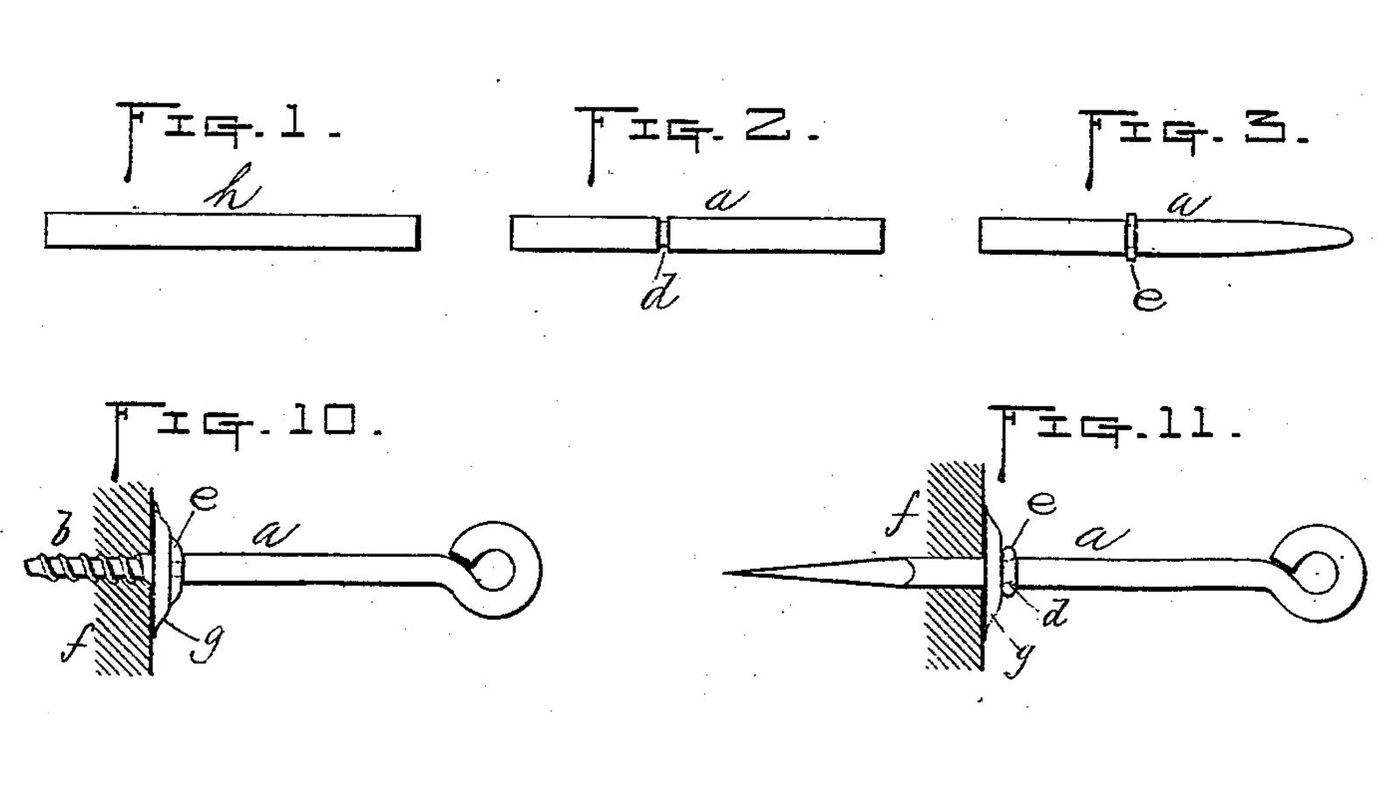


Screw Eye: Parmelee's One-Piece Wire Eye with a Stop-Ring
A screw eye bent from one piece of wire, by Arthur W. Parmelee of Worcester, Massachusetts (US 350,209, 1886). One end is threaded to turn into wood, the other bent into a closed eye. His addition is a ring closed into a groove around the shank: it stops the screw at the right depth, looks neat, and is left a little loose so the eye can turn without marking the wood under it.
The patent gives no metal or sizes. Iron wire, the 3 mm size, the pliers and the die are ours. The picture: Figs. 1-3 and 10-11 of the patent.
Olùbẹ̀rẹ̀
30 minutes
Ìlànà
1
1
Cut a piece of wire
Cut a piece of wire
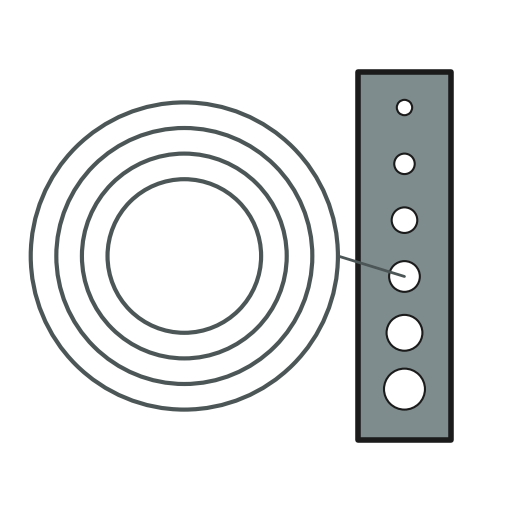
Cut a straight piece of iron wire about 3 mm thick (ours), long enough for the screw, the shank and the eye (Fig. 1).
Àwọn ohun èlò fún ìgbésẹ̀ yìí:
 Wáyà irin1 ẹyọ
Àwọn irinṣẹ́ tí a nílò:
 Ìdíwọ̀n
 Ẹ̀mú ìgé okùn oníkọ̀rọ̀
2
2
Cut the groove
Cut the groove
File a narrow groove right round the wire, a screw length from one end (Fig. 2). Parmelee cuts it or presses it in.
Àwọn irinṣẹ́ tí a nílò:
 Àkójọ Ìfá Kékeré
 Ìdìmú Tábìlì
3
3
Point the screw end
Point the screw end
File that end to a tapering point (Fig. 3).
Àwọn irinṣẹ́ tí a nílò:
 Ìfá IrinÌdìmú Tábìlì
4
4
Thread the screw end
Thread the screw end
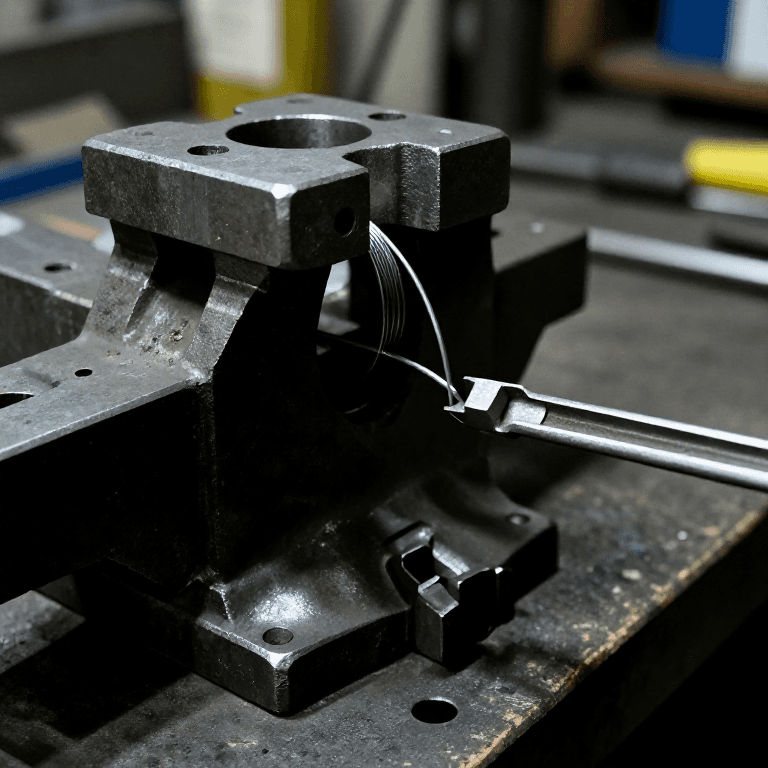
Cut a screw thread on the pointed end "in the usual way". Ours: a die in a die stock, run on as far as the point allows.
Àwọn irinṣẹ́ tí a nílò:
 Ìdìmú ihá òdeÌdìmú Tábìlì
5
5
Bend the eye
Bend the eye
Bend the other end into a closed round eye, the end turned in against the shank (Fig. 10).
Àwọn irinṣẹ́ tí a nílò:
 Ẹ̀mú Olórí Yíká
 Ẹmú Ẹnu Pẹrẹsẹ
6
6
Make the split ring
Make the split ring
Bend a short piece of the same wire round into an open ring that just slips over the shank (Figs. 9 and 11).
Àwọn ohun èlò fún ìgbésẹ̀ yìí:
Wáyà irin1 ẹyọÀwọn irinṣẹ́ tí a nílò:
Ẹ̀mú ìgé okùn oníkọ̀rọ̀Ẹ̀mú Olórí Yíká7
7
Close the ring into the groove
Close the ring into the groove
Slide the ring onto the groove and squeeze it until its two ends meet in a continuous band. Leave it a little loose, so the eye turns while the ring stays still against the wood.
Àwọn irinṣẹ́ tí a nílò:
Ẹmú Ẹnu Pẹrẹsẹ8
8
Turn it into the wood
Turn it into the wood
Turn the screw into the wood by the eye until the ring meets the surface: the ring is the depth stop. Parmelee also allows washers under the ring; we leave them out.
Ìtọ́nisọ́nà yìí ń ṣe
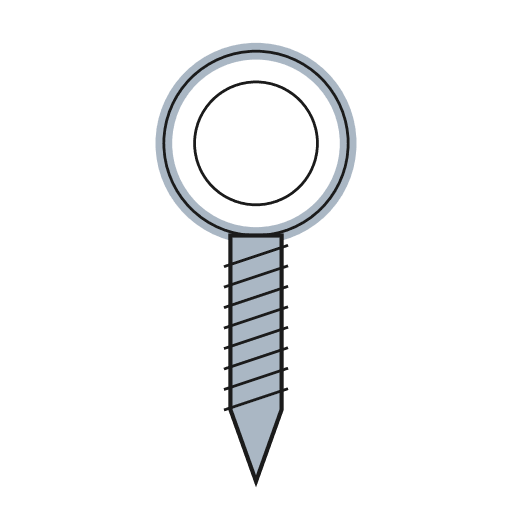
Blueprint tó jọra
Àwọn blueprint wọ̀nyí pín ìmọ̀ — ọ̀nà, ohun-èlò tàbí ìlànà
CC0 Àgbègbè Gbogbogbò
Blueprint yìí ti jáde lábẹ́ CC0. O lè ṣe àdàkọ, yí padà, pín, àti lò láìsí ìyọ̀ǹda.
Ṣàtìlẹ́yìn Olùṣẹ́dá nípa rírà àwọn ọjà nipasẹ̀ Blueprint wọn Ẹ̀san Olùṣẹ́dá tí àwọn Olùtajà gbé kalẹ̀, tàbí ṣẹ̀dá àtúnṣe tuntun ti Blueprint yìí kí o sì fi sínú Blueprint rẹ gẹ́gẹ́ bí ìsopọ̀ láti pín owó-wíwọlé.