IṢẸ́ ỌNÀ
ẸWÀ ÀTI ÌLERA
IṢẸ́ ỌWỌ́
ÀṢÀ ÀTI ÌTÀN
ÌṢERÉ
ÀYÍKÁ
OÚNJẸ ÀTI OHUN MÍMU
REVERSE ENGINEERING
SÁYẸ́ǸSÌ
ERÉ ÌDÁRAYÁ
ÌMỌ̀-Ẹ̀RỌ
ÀWỌN OHUN WÍWỌ̀
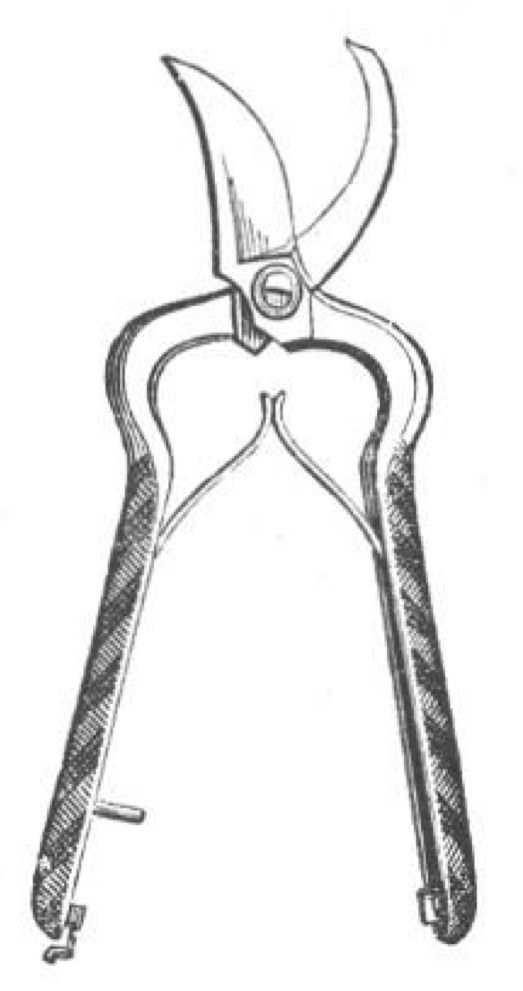


Secateurs: Forged Bypass Pruning Shears with a Spring and Catch
Secateurs, credited to Bertrand de Molleville around 1813, are one-hand shears for live wood. The bypass kind has a sharp blade that slides past a hooked counter-blade like scissors, cutting cleanly without crushing; a spring opens the handles and a catch holds them shut. Forge the two halves, harden the blade, rivet the pivot, and fit the spring and catch.
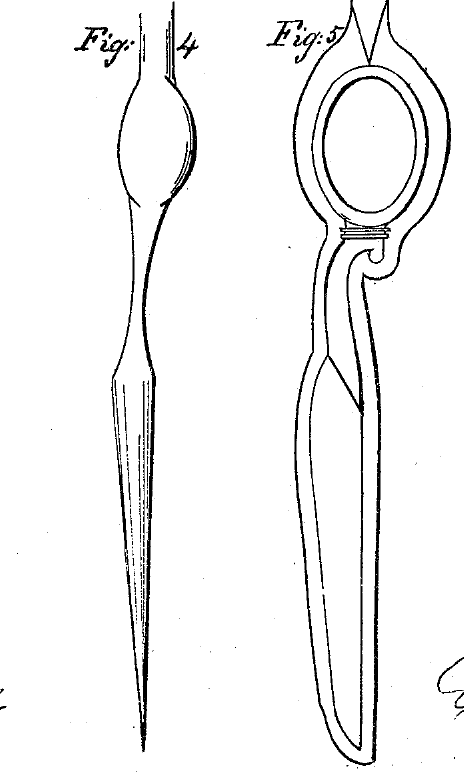
The picture: 19th-century secateurs with a leaf spring between the handles, from Baltet's L'art de greffer.
Ilọsíwájú
Two days
Ìlànà
1
1
Forge the halves
Forge the halves
Forge two halves from tool steel: one with a curved cutting blade, one with a thicker hooked counter-blade, each with a flat boss for the pivot and a handle about 15 cm long (our size).
Àwọn ohun èlò fún ìgbésẹ̀ yìí:
 Ọ̀pá onígun mẹ́jọ irin irinṣẹ́0.5 kg
 Èédú3 as required
Àwọn irinṣẹ́ tí a nílò:
 Ìléru alágbẹ̀dẹ
 Ìdí Alágbẹ̀dẹ
 Òòlù olórí ìtẹ̀ ìpakà
 Ẹmú alágbẹ̀dẹ
 Ìbọ̀wọ́ wẹ́lídìn
 Gíláàsì ààbò
2
2
Fit and rivet
Fit and rivet
Anneal, file the inner faces of the blades flat so they slide close past each other, drill the bosses and rivet them with a firm but free pivot.
Àwọn ohun èlò fún ìgbésẹ̀ yìí:
 Ìṣó irin1 ẹyọ
Àwọn irinṣẹ́ tí a nílò:
Ìléru alágbẹ̀dẹ Ìfá Irin
 Ìdìmú Tábìlì
 Ìlù ọwọ́Òòlù olórí ìtẹ̀ ìpakà
3
3
Harden the blade
Harden the blade
Grind a single bevel on the cutting blade, harden it in water and temper to a straw colour; leave the counter-blade softer.
Àwọn ohun èlò fún ìgbésẹ̀ yìí:
 Omi10 lítà
Àwọn irinṣẹ́ tí a nílò:
Ìléru alágbẹ̀dẹ Àpótí ìtutùẸmú alágbẹ̀dẹÌbọ̀wọ́ wẹ́lídìnGíláàsì ààbò
4
4
Spring and catch
Spring and catch
Forge a V-shaped leaf spring from flat tool steel, leave it springy, and rivet its legs inside the handles. Bend a wire loop on one handle that hooks over the other to hold the shears closed.
Àwọn ohun èlò fún ìgbésẹ̀ yìí:
 Ọ̀pá pẹlẹbẹ irin irinṣẹ́1 ẹyọÌṣó irin2 ẹyọ
 Okun waya irin0.2 m
Àwọn irinṣẹ́ tí a nílò:
Ìléru alágbẹ̀dẹÒòlù olórí ìtẹ̀ ìpakàÌlù ọwọ́ Ẹmú Ẹnu Pẹrẹsẹ
5
5
Sharpen
Sharpen
Hone the bevel only, never the flat face, and check the blades meet without a gap along the cut.
Àwọn irinṣẹ́ tí a nílò:
 Òkúta ìpọ́n grit 1000
6
6
Cutting force near the pivot
Cutting force near the pivot
Ń ṣí ìwé Jupyter…
Àwọn ohun-èlò
6- Àyè
- 3 as requiredÀyè
- 2 ẹyọÀyè
- 10 lítàÀyè
- Àyè
- 0.2 mÀyè
Ìtọ́nisọ́nà yìí ń ṣe


Blueprint tó jọra
Àwọn blueprint wọ̀nyí pín ìmọ̀ — ọ̀nà, ohun-èlò tàbí ìlànà
CC0 Àgbègbè Gbogbogbò
Blueprint yìí ti jáde lábẹ́ CC0. O lè ṣe àdàkọ, yí padà, pín, àti lò láìsí ìyọ̀ǹda.
Ṣàtìlẹ́yìn Olùṣẹ́dá nípa rírà àwọn ọjà nipasẹ̀ Blueprint wọn Ẹ̀san Olùṣẹ́dá tí àwọn Olùtajà gbé kalẹ̀, tàbí ṣẹ̀dá àtúnṣe tuntun ti Blueprint yìí kí o sì fi sínú Blueprint rẹ gẹ́gẹ́ bí ìsopọ̀ láti pín owó-wíwọlé.