IṢẸ́ ỌNÀ
ẸWÀ ÀTI ÌLERA
IṢẸ́ ỌWỌ́
ÀṢÀ ÀTI ÌTÀN
ÌṢERÉ
ÀYÍKÁ
OÚNJẸ ÀTI OHUN MÍMU
REVERSE ENGINEERING
SÁYẸ́ǸSÌ
ERÉ ÌDÁRAYÁ
ÌMỌ̀-Ẹ̀RỌ
ÀWỌN OHUN WÍWỌ̀
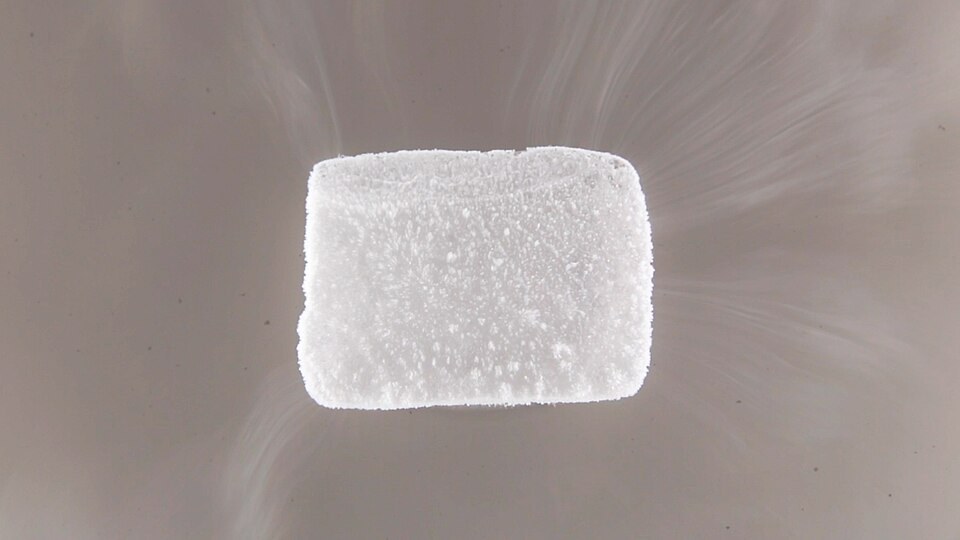


Solid Carbon Dioxide: Liquid Let Out into a Woollen Bag and Pressed in a Wooden Mould (Landolt, Thorpe 1912)
Dry ice without a machine: when liquid carbon dioxide is suddenly let out of its bottle, part of it boils off at once and the cold freezes the rest. Landolt caught the snow in woollen bags and pressed it into blocks in conical wooden moulds.
Solid carbon dioxide is a white, snow-like mass that can lie in the air for some time without much loss; a thermometer pushed into it reads -79 °C.
Not given: amounts, yield, and the sizes of bags and moulds.
Source: E. Thorpe, Dictionary of Applied Chemistry vol. I (1912), Carbon, pp. 670-671, after Landolt, Ber. 17, 309. Picture: KarolinaHalatek, Wikimedia Commons, CC BY-SA 4.0.
Àárín
Unknown
Ìlànà
1
1
Let the liquid out into a woollen bag
Let the liquid out into a woollen bag
Take liquid carbon dioxide in its iron or steel bottle (Thorpe: bottles of 8 kg, about 4000 litres of gas). Let the liquid out freely into a woollen bag. Part of it vaporises at once and escapes through the cloth; the cold this makes freezes the rest into a white, snow-like solid that stays in the bag.
Àwọn ohun èlò fún ìgbésẹ̀ yìí:
 Kábọ́ọ̀nù dáyọ́ksáìdì olómi1 amount not given
Àwọn irinṣẹ́ tí a nílò:
 Àgbá gáàsì tí a fi ìfúnpá kún
 Àpò irun àgùntàn
2
2
Press into blocks
Press into blocks
Fill the loose solid into a conical wooden mould and compress it with a wooden piston to a firm block.
Àwọn irinṣẹ́ tí a nílò:
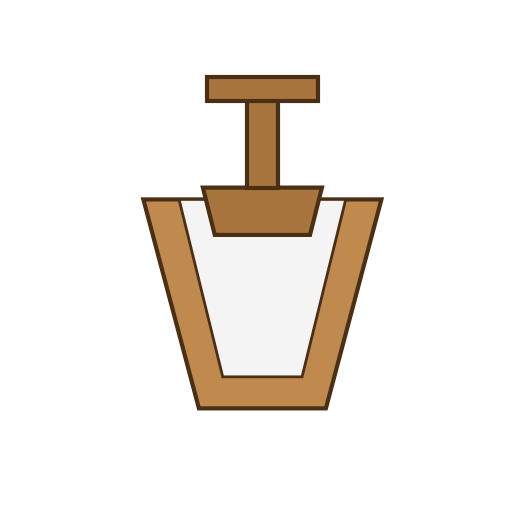 Mọ́ọ̀dù igi onígun-òkè pẹ̀lú písítọ́ọ̀nù
Àwọn ohun-èlò
1- 1 amount not givenÀyè
Àwọn irinṣẹ́ tó nílò
3Ìtọ́nisọ́nà yìí ń ṣe
CC0 Àgbègbè Gbogbogbò
Blueprint yìí ti jáde lábẹ́ CC0. O lè ṣe àdàkọ, yí padà, pín, àti lò láìsí ìyọ̀ǹda.
Ṣàtìlẹ́yìn Olùṣẹ́dá nípa rírà àwọn ọjà nipasẹ̀ Blueprint wọn Ẹ̀san Olùṣẹ́dá tí àwọn Olùtajà gbé kalẹ̀, tàbí ṣẹ̀dá àtúnṣe tuntun ti Blueprint yìí kí o sì fi sínú Blueprint rẹ gẹ́gẹ́ bí ìsopọ̀ láti pín owó-wíwọlé.