IṢẸ́ ỌNÀ
ẸWÀ ÀTI ÌLERA
IṢẸ́ ỌWỌ́
ÀṢÀ ÀTI ÌTÀN
ÌṢERÉ
ÀYÍKÁ
OÚNJẸ ÀTI OHUN MÍMU
REVERSE ENGINEERING
SÁYẸ́ǸSÌ
ERÉ ÌDÁRAYÁ
ÌMỌ̀-Ẹ̀RỌ
ÀWỌN OHUN WÍWỌ̀
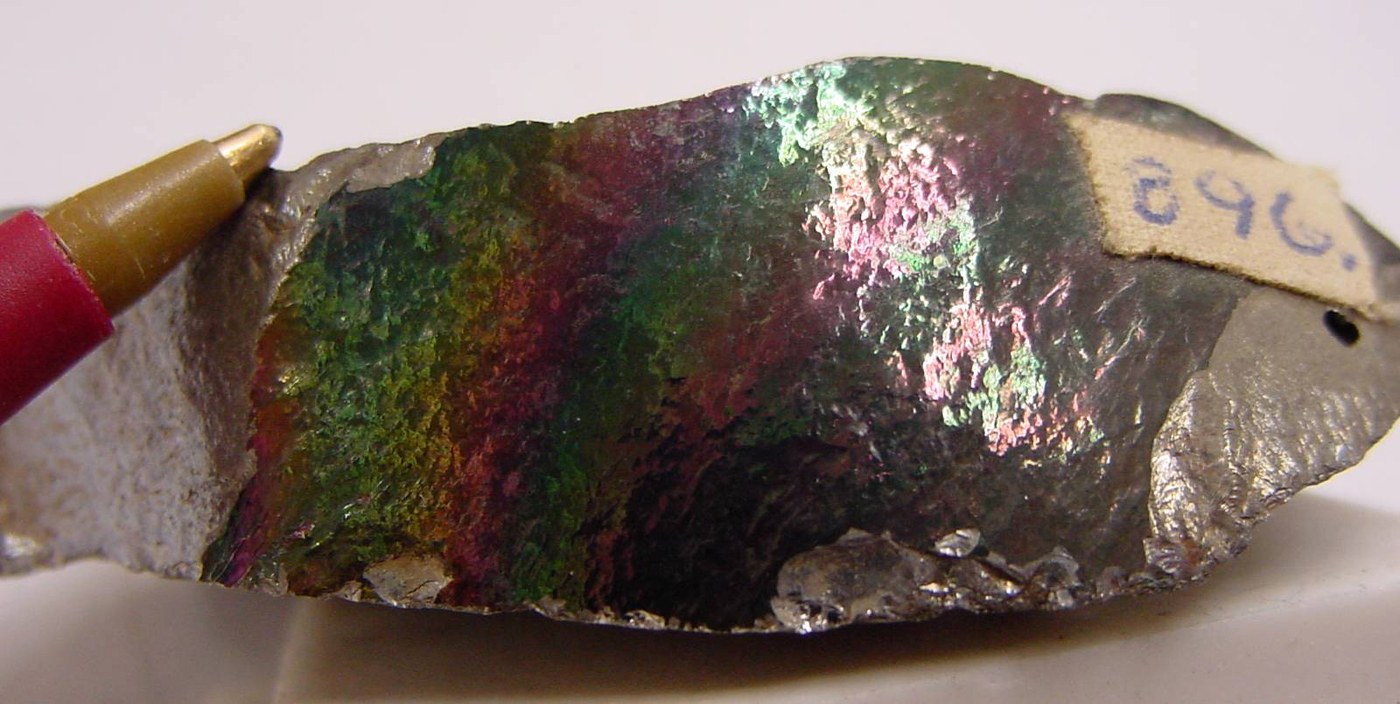


Spiegeleisen from Spathic Ore: Siegen Blast Furnace
Spiegeleisen, 'mirror iron', is pig iron rich in manganese. Bessemer steelmakers added it to the blown metal to put back carbon and manganese. The Siegen works made it by roasting their manganese-bearing spathic ore and smelting it in the blast furnace with brown hematite, limestone and coke, as Bauerman describes (1890).
Ilọsíwájú
Works process
Ìlànà
1
1
Watch: iron from a blast furnace
Watch: iron from a blast furnace
A 1951 film of the blast furnace: ore, coke and limestone in layers, hot blast, slag and tapping. Spiegeleisen is made the same way from a manganese-rich ore.
2
2
Roast the spathic ore
Roast the spathic ore
Break the ore small. In the kiln, lay 4 in of charcoal on the upper grate, then alternate layers of ore and waste fuel (coke breeze), 40 parts ore to 8 fuel by measure. Light a wood fire on the lower grate and keep it three days. Draw a quarter of the roasted ore each day and refill with half the fuel.
Àwọn ohun èlò fún ìgbésẹ̀ yìí:
 Òkúta irin siderite1 as required
 Èédú1 as required
 Èédú metalurgi1 as required
 Igi Ìdáná1 as required
Àwọn irinṣẹ́ tí a nílò:
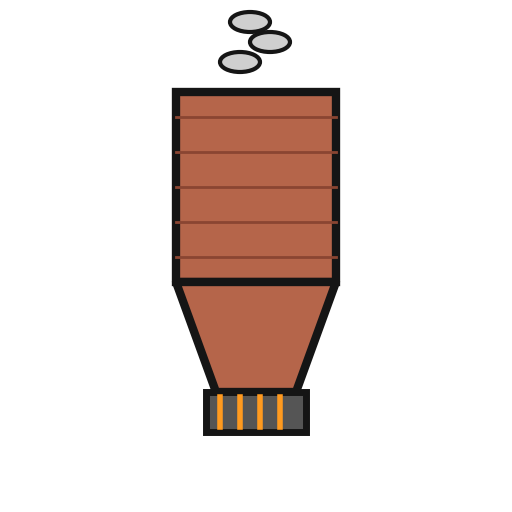 Ààrò yíyan òkúta irin
 Òòlù ńlá
3
3
Charge the blast furnace
Charge the blast furnace
Each charge: 28.8 parts roasted spathic ore, 7.2 brown hematite and 9 limestone, with 20 parts coke (Charlottenhütte, by weight).
Àwọn ohun èlò fún ìgbésẹ̀ yìí:
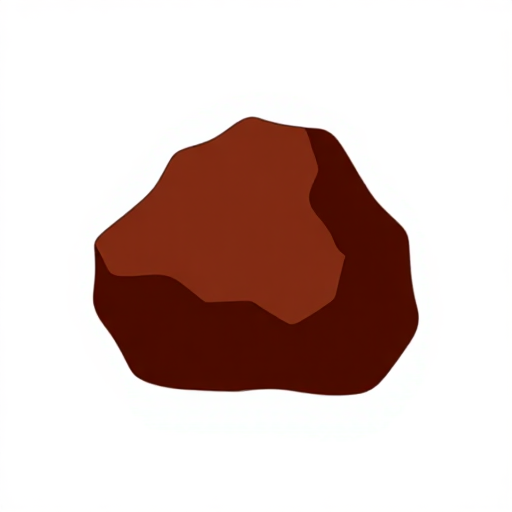 Òkúta irin (irin ilẹ̀ ẹrẹ̀ / hematite / magnetite)1 as required
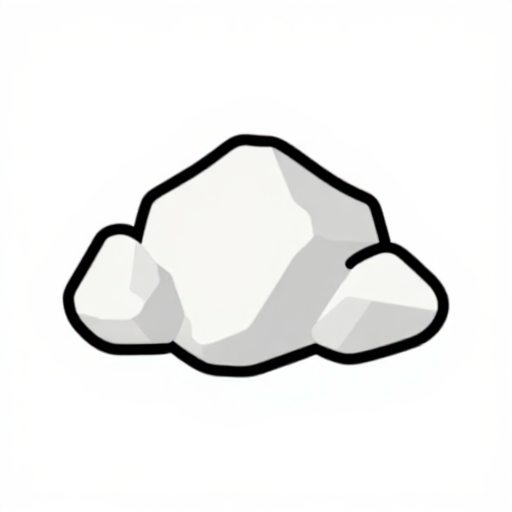 Kábónéètì Kalisiọ̀mù - Òkúta Ẹfun Fífọ́1 as requiredÈédú metalurgi1 as required
Àwọn irinṣẹ́ tí a nílò:
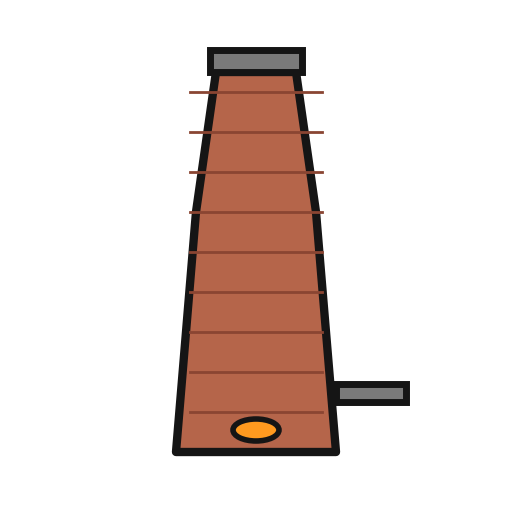 Ìléru ńlá yíyọ́ irin
4
4
Blow it hot
Blow it hot
Blow through three tuyeres at about 3½ lb per square inch, with a hot blast (280–300° in Bauerman). Keep the hearth hot: a hotter blast reduces more manganese. Keep the slag nearly neutral.
Àwọn irinṣẹ́ tí a nílò:
Ìléru ńlá yíyọ́ irin Pirómítà
5
5
Tap and cast
Tap and cast
Tap the metal into moulds. Siegen's spiegeleisen held about 8 % manganese.
Àwọn irinṣẹ́ tí a nílò:
 Ọ̀pá ìtú ìléru
 Ìmọ̀ ìdà ìṣù irin
 Ìbọ̀wọ́ Tí Ń Fara Da Ooru
 Ààbò Ojú Gbogbo
6
6
Honest limits
Honest limits
Figures are Bauerman's (1890) for Siegen; a works blast furnace made about 30 tons a day. Later spiegel ran ~15 % manganese (Wikipedia), from richer Spanish and Sardinian ores.
Àwọn ohun-èlò
6- 1 as requiredÀyè
- 1 as requiredÀyè
- 1 as requiredÀyè
- 1 as requiredÀyè
- 1 as requiredÀyè
- 1 as requiredÀyè
Àwọn irinṣẹ́ tó nílò
8- Àyè
- Àyè
Ìtọ́nisọ́nà yìí ń ṣe
CC0 Àgbègbè Gbogbogbò
Blueprint yìí ti jáde lábẹ́ CC0. O lè ṣe àdàkọ, yí padà, pín, àti lò láìsí ìyọ̀ǹda.
Ṣàtìlẹ́yìn Olùṣẹ́dá nípa rírà àwọn ọjà nipasẹ̀ Blueprint wọn Ẹ̀san Olùṣẹ́dá tí àwọn Olùtajà gbé kalẹ̀, tàbí ṣẹ̀dá àtúnṣe tuntun ti Blueprint yìí kí o sì fi sínú Blueprint rẹ gẹ́gẹ́ bí ìsopọ̀ láti pín owó-wíwọlé.