IṢẸ́ ỌNÀ
ẸWÀ ÀTI ÌLERA
IṢẸ́ ỌWỌ́
ÀṢÀ ÀTI ÌTÀN
ÌṢERÉ
ÀYÍKÁ
OÚNJẸ ÀTI OHUN MÍMU
REVERSE ENGINEERING
SÁYẸ́ǸSÌ
ERÉ ÌDÁRAYÁ
ÌMỌ̀-Ẹ̀RỌ
ÀWỌN OHUN WÍWỌ̀


Spiral-Slot Dasher Churn: The Dasher Turns As It Rises and Falls
A plain dash churn only moves the cream up and down.
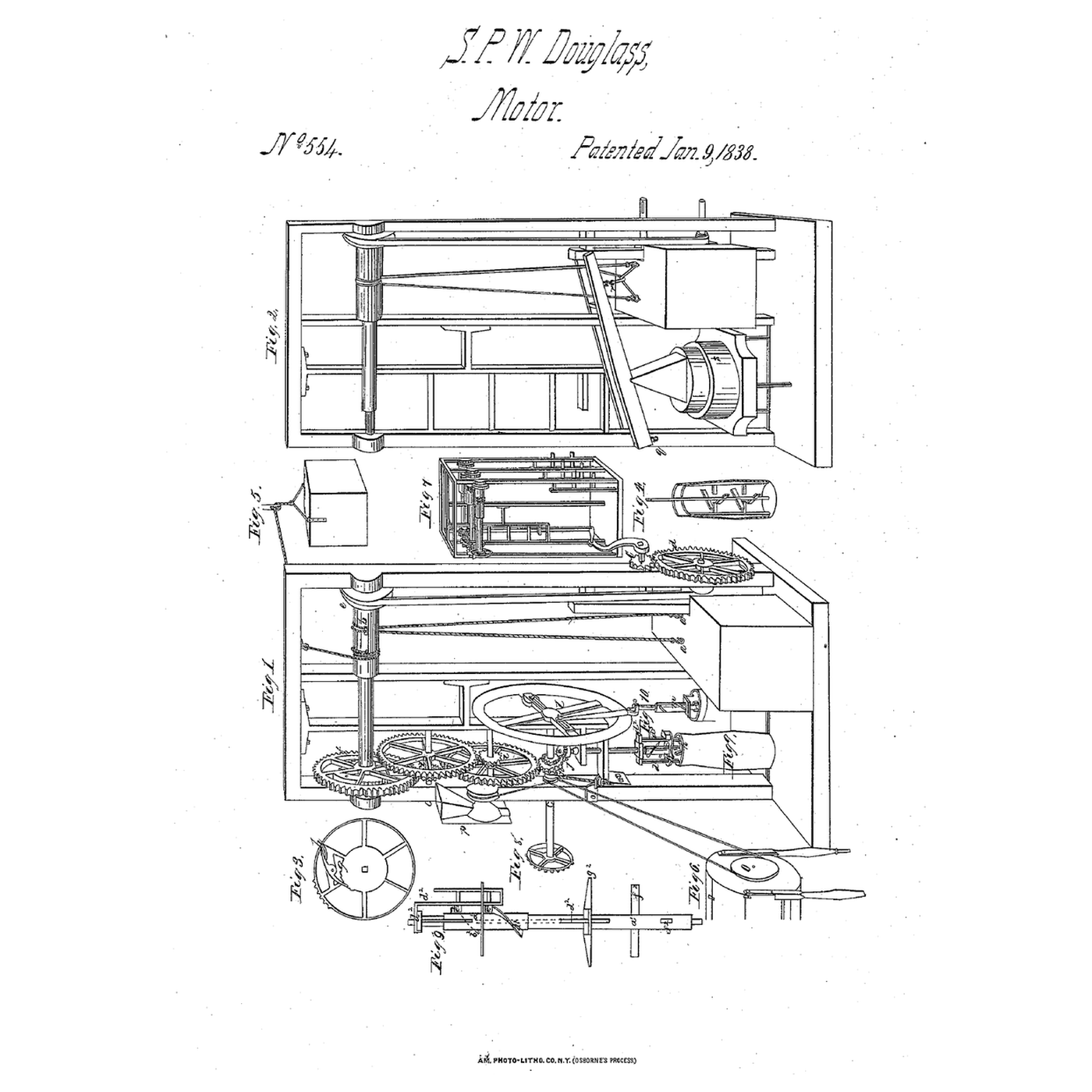
Stephen P. W. Douglass of Lansingburgh, New York, received US 554, dated 9 January 1838, for a mode of constructing and operating churns "to be propelled by machinery": a falling weight driving a train of gearing, and a dasher given "a revolving motion, and also a reciprocating motion, up and down, simultaneously." In one form a tube on the churn top has a spiral slot, and a pin on the dasher's staff runs in it, so the whole dasher "rises and falls by a reciprocating rotary motion."
This rung works through his gear train, then prints the slotted tube and the dasher, fits them to a jar, and makes butter.
Àárín
About 3 hours, plus printing
Ìlànà
1
1
His gear train and our slot
His gear train and our slot
Ń ṣí ìwé Jupyter…
2
2
A falling weight that drives a train of wheels
A falling weight that drives a train of wheels
A weight clock runs for hours from one wind. Douglass drove his churn the same way: a weight wound up by a crank, then let down through gearing.
3
3
Read US 554
Read US 554
"In my second modification, Fig. X, the whole dasher rises and falls by a reciprocating rotary motion, i², i², is a tube of metal affixed to the top of the churn, and through which the shaft j², j², works freely. The tube has a spiral slot k² through it, which admits a pin l², or friction roller affixed to the staff or shaft j². This shaft is made to rise and fall by a crank motion, which from the arrangement described produces the desired effect."
4
4
Print the tube and dasher
Print the tube and dasher
Print the slotted tube upright on its flange (/uploads/blueprints/spiral-slot-dasher-churn-tube.stl): its slot turns 120° over 60 mm of rise. Print the four-bladed dasher (/uploads/blueprints/spiral-slot-dasher-churn-dasher.stl). Print in PETG at 0.2 mm layers, 30 % infill, 4 walls; wash before first use.
Àwọn ohun èlò fún ìgbésẹ̀ yìí:
 Okùn PETG1 ẹyọ
Àwọn irinṣẹ́ tí a nílò:
 Ẹ̀rọ ìtẹ̀ 3D oníwàyà (FDM)
5
5
Fit the tube to the jar lid
Fit the tube to the jar lid
Drill a 13 mm hole in the centre of the lid of a 1-litre wide-mouth jar and three holes for M3 screws on a 40 mm circle. Bolt the tube's flange over it with nuts and washers.
Àwọn ohun èlò fún ìgbésẹ̀ yìí:
 Ìgò Gílásì1 ẹyọ
 Skurú ẹ̀rọ1 ẹyọ
 Nọ́ọ̀tì Onígun Mẹ́fà1 ẹyọ
 Wáṣà Pẹrẹsẹ1 ẹyọ
Àwọn irinṣẹ́ tí a nílò:
 Ẹ̀rọ Ìlùkòkò Aláìlókùn
 Àkójọ Orí Ìlùkòkò
 Ìṣù àwọn ohun ìyí skurú
 Kọ́kọ́rọ́ tí a lè ṣàtúnṣe
6
6
Staff, pin and knob
Staff, pin and knob
Cut a 12 mm hardwood dowel to reach from 10 mm above the jar's floor to 110 mm above the lid. Glue the dasher on its foot and pin it with a small screw through the hub's cross hole. Pass the staff up through the lid and tube, drill it across at the slot, and screw an M4 machine screw through as the pin, its head in the slot. Glue a hardwood knob on top.
Àwọn ohun èlò fún ìgbésẹ̀ yìí:
 Àwọn dowel igi líle1 ẹyọ
 Ìṣù Igi Líle1 ẹyọSkurú ẹ̀rọ1 ẹyọ
 Ìdìpọ̀ Igi1 ẹyọ
 Ìsúrù igi #8 x 1"1 ẹyọ
Àwọn irinṣẹ́ tí a nílò:
 Ayùn Ọwọ́Ẹ̀rọ Ìlùkòkò AláìlókùnÀkójọ Orí Ìlùkòkò
 Bébà Ìfá
7
7
The patent drawing
The patent drawing
US 554 drawing sheet, public domain (expired patent).
8
8
Plunge and make butter
Plunge and make butter
Let the heavy cream stand until it reaches about 15 °C, checked with the thermometer. Fill the jar no more than a third full and fit the lid. Plunge the knob steadily up and down. The slot turns the dasher a third of a turn each way as it moves. Time until the butter comes. Pour off the buttermilk, add cold water, churn a little and pour off again until it runs clear; work in a pinch of salt and weigh the butter.
Àwọn ohun èlò fún ìgbésẹ̀ yìí:
 Ọ̀rá wàrà tó nípọn300 ml
 Iyọ̀ Òkun Rúkèrúdò1 ẹyọ
 Omi1 ẹyọ
Àwọn irinṣẹ́ tí a nílò:
 Ẹ̀rọ ìwọ̀n ooru oníhun tí ó dúró sí inú
 Aago Ìdúró
 Òṣùwọ̀n Díjítà Ilé Ìdáná
 Àwo ìdàpọ̀ ńlá ti irin tí kò ń yá
9
9
A pin that sticks, a dasher that will not turn
A pin that sticks, a dasher that will not turn
Spiral-slot dasher churn troubleshooting.
Flow
Loading...
10
10
History and honest limits
History and honest limits
**Stephen P. W. Douglass** of Lansingburgh, Rensselaer County, New York, formerly of Pittston, received US 554, dated 9 January 1838. A crank winds up the weight; a ratchet holds it; a friction band with an adjusting screw regulates or stops the machinery. He calculated that "a weight can be raised six feet by a woman of ordinary strength or a sturdy boy ten years old in one and a half minutes or by a man in half a minute," enough for three quarters of an hour and "so as to churn effectually twenty gallons of cream." The same machine could also work a rotary dasher, an up-and-down dasher on a crank, or both at once. He claimed "the giving a rotary and vertical motion to the dasher of the churn."
**Honest limits.** We work the staff by hand instead of by his weight and crank, and a printed tube stands in for his metal one. FDM prints hold food in their layer lines, so wash well and replace when worn. Your times and weights are the result.
Àwọn ohun-èlò
12- 1 ẹyọÀyè
- 1 ẹyọÀyè
- 2 ẹyọÀyè
- 1 ẹyọÀyè
- 1 ẹyọÀyè
- 1 ẹyọÀyè
- 1 ẹyọÀyè
- 1 ẹyọÀyè
- 1 ẹyọÀyè
- 300 mlÀyè
- 1 ẹyọÀyè
- 1 ẹyọÀyè
Àwọn irinṣẹ́ tó nílò
11- 1 vendor sell this, none ship to you yetÀyè
- Àyè
- Àyè
- Àyè
Ìtọ́nisọ́nà yìí ń ṣe

Blueprint tó jọra
Àwọn blueprint wọ̀nyí pín ìmọ̀ — ọ̀nà, ohun-èlò tàbí ìlànà


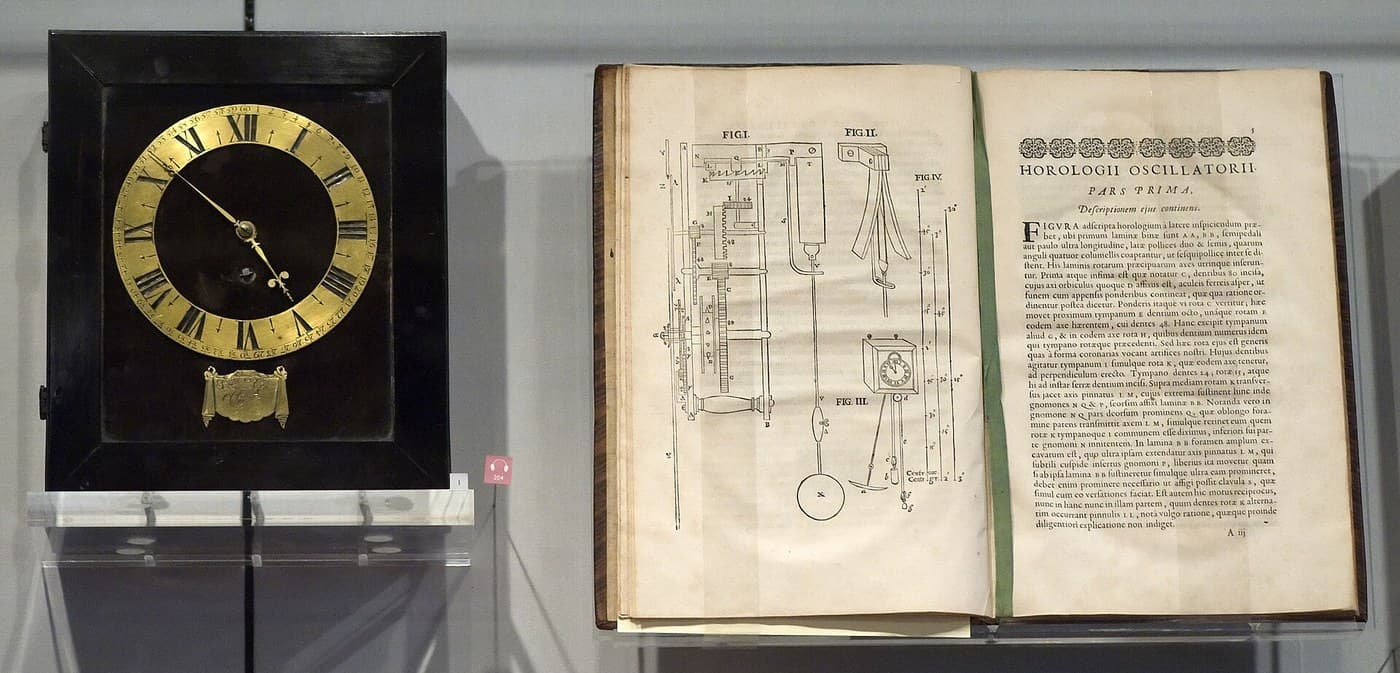

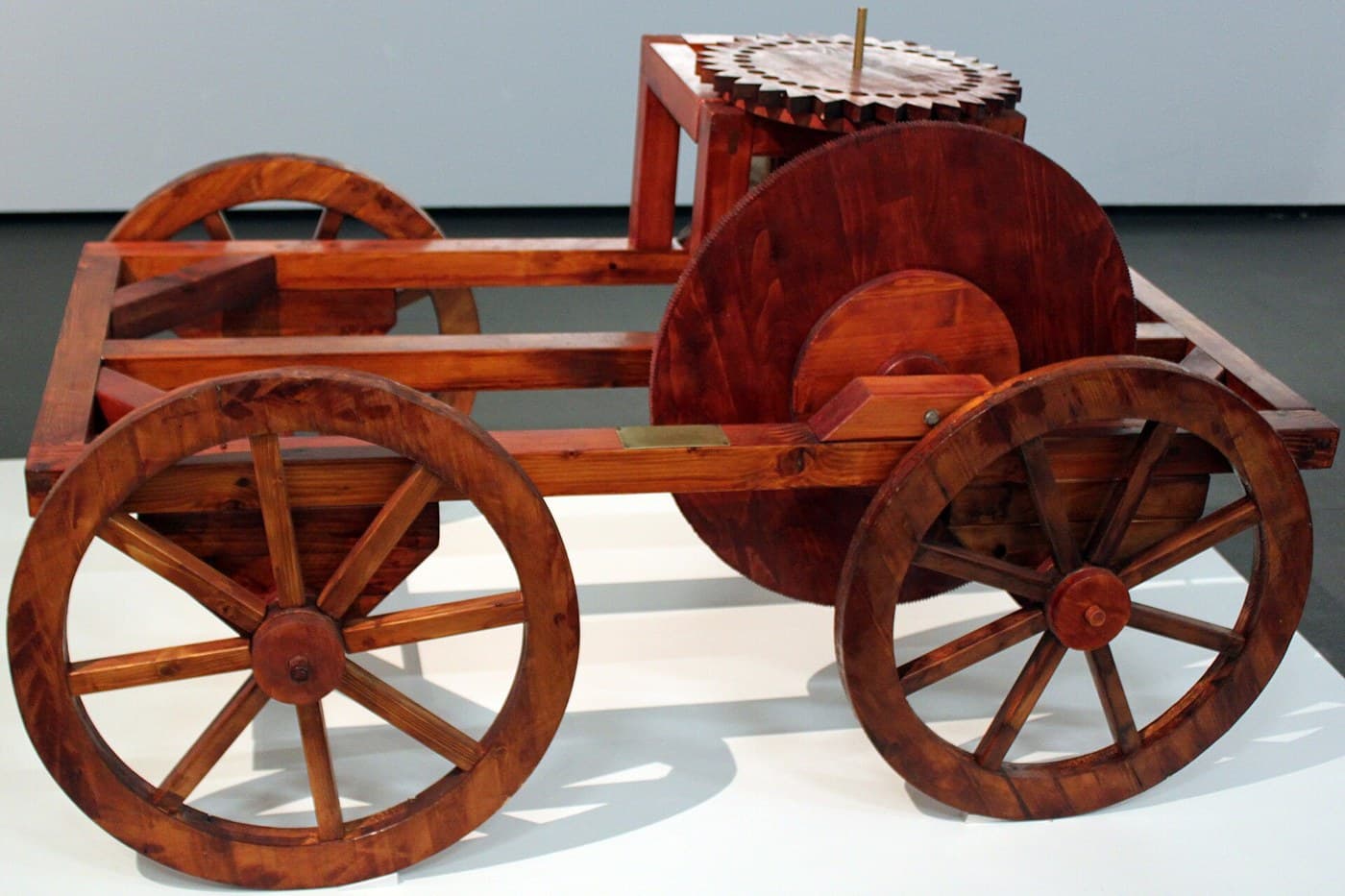
CC0 Àgbègbè Gbogbogbò
Blueprint yìí ti jáde lábẹ́ CC0. O lè ṣe àdàkọ, yí padà, pín, àti lò láìsí ìyọ̀ǹda.
Ṣàtìlẹ́yìn Olùṣẹ́dá nípa rírà àwọn ọjà nipasẹ̀ Blueprint wọn Ẹ̀san Olùṣẹ́dá tí àwọn Olùtajà gbé kalẹ̀, tàbí ṣẹ̀dá àtúnṣe tuntun ti Blueprint yìí kí o sì fi sínú Blueprint rẹ gẹ́gẹ́ bí ìsopọ̀ láti pín owó-wíwọlé.