IṢẸ́ ỌNÀ
ẸWÀ ÀTI ÌLERA
IṢẸ́ ỌWỌ́
ÀṢÀ ÀTI ÌTÀN
ÌṢERÉ
ÀYÍKÁ
OÚNJẸ ÀTI OHUN MÍMU
REVERSE ENGINEERING
SÁYẸ́ǸSÌ
ERÉ ÌDÁRAYÁ
ÌMỌ̀-Ẹ̀RỌ
ÀWỌN OHUN WÍWỌ̀
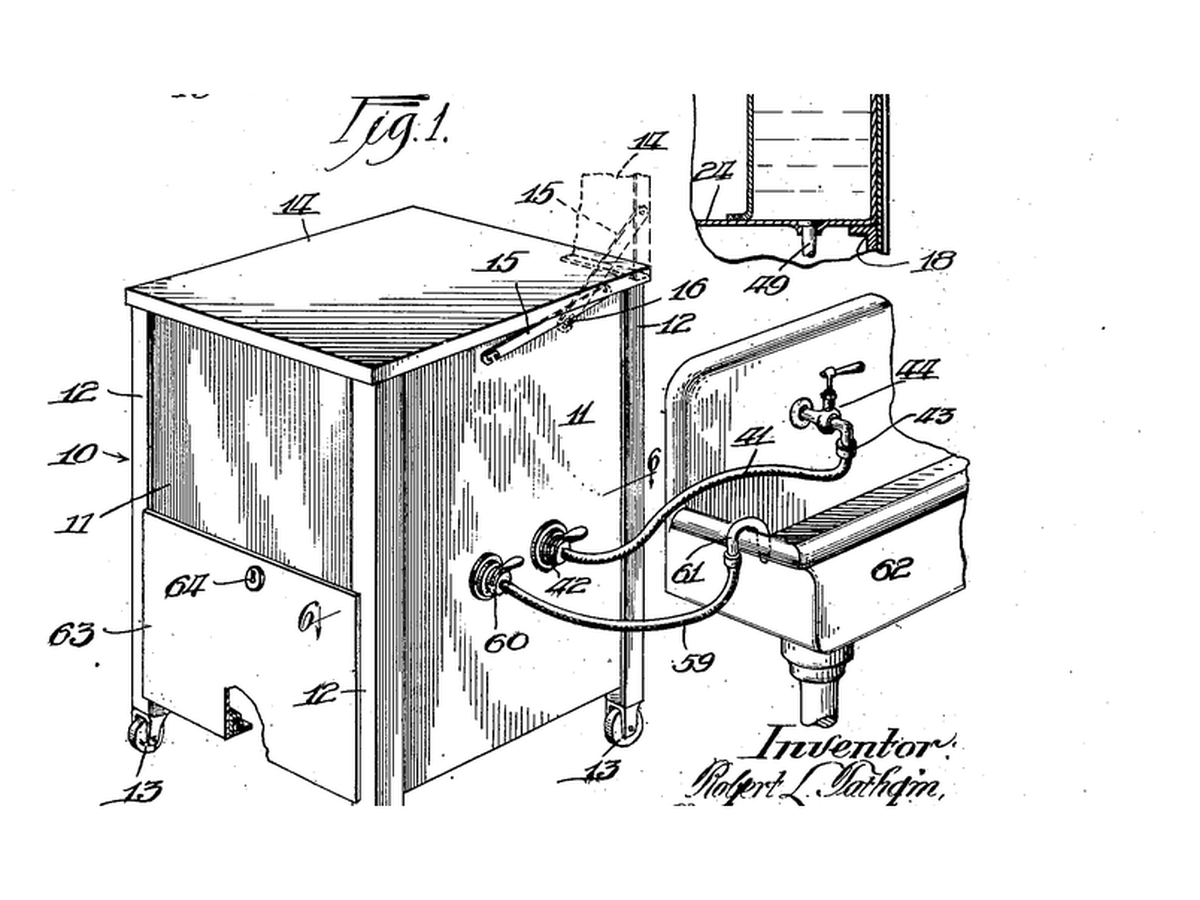


Spray-Jet Dishwasher Arm
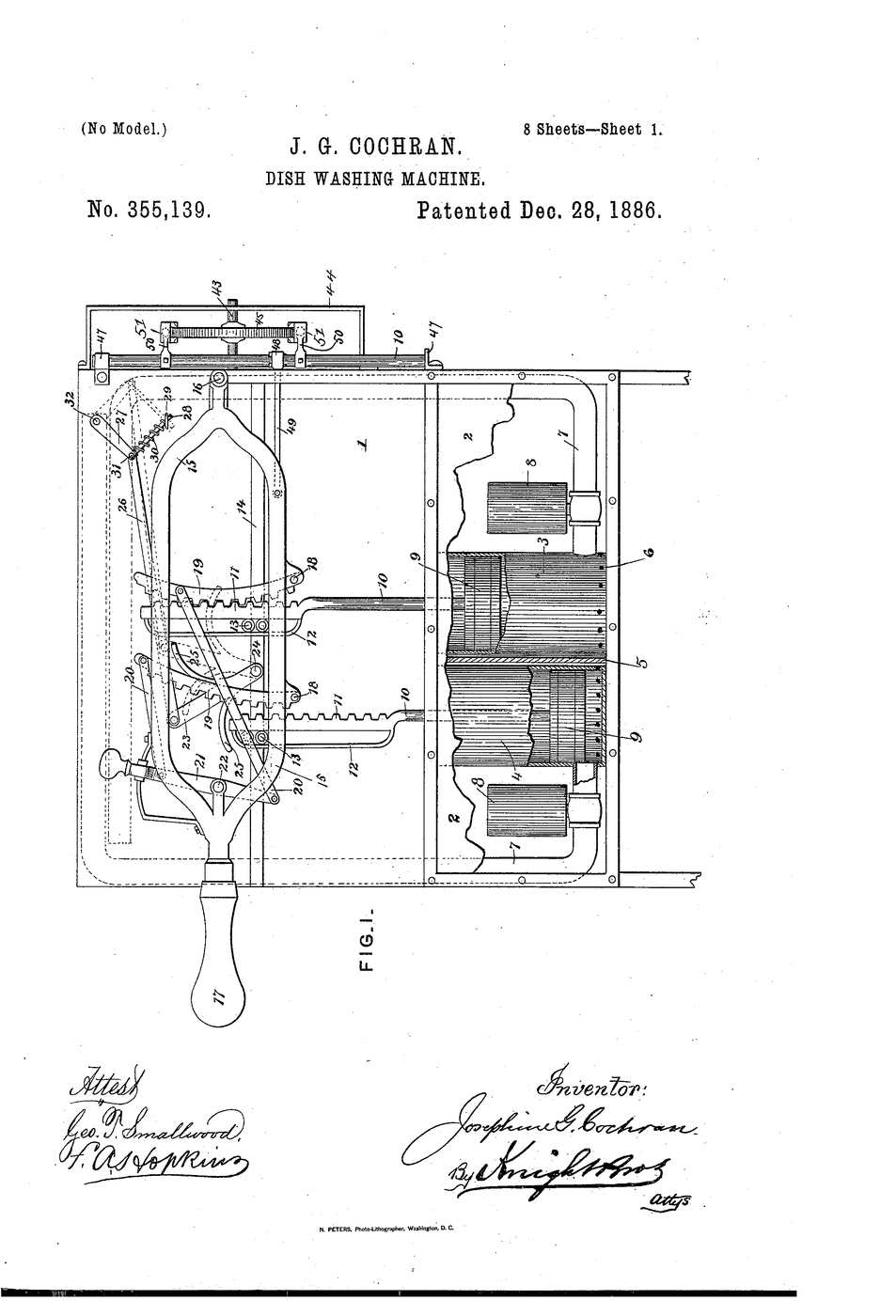
Josephine Cochrane's machine, already published, held the dishes in wire racks and threw water at them from fixed jets while the rack was turned. Robert Tatham's rung makes the water do the moving: jets angled off the radius push the arm round, so a pump and one moving part wash a stationary load from every direction.
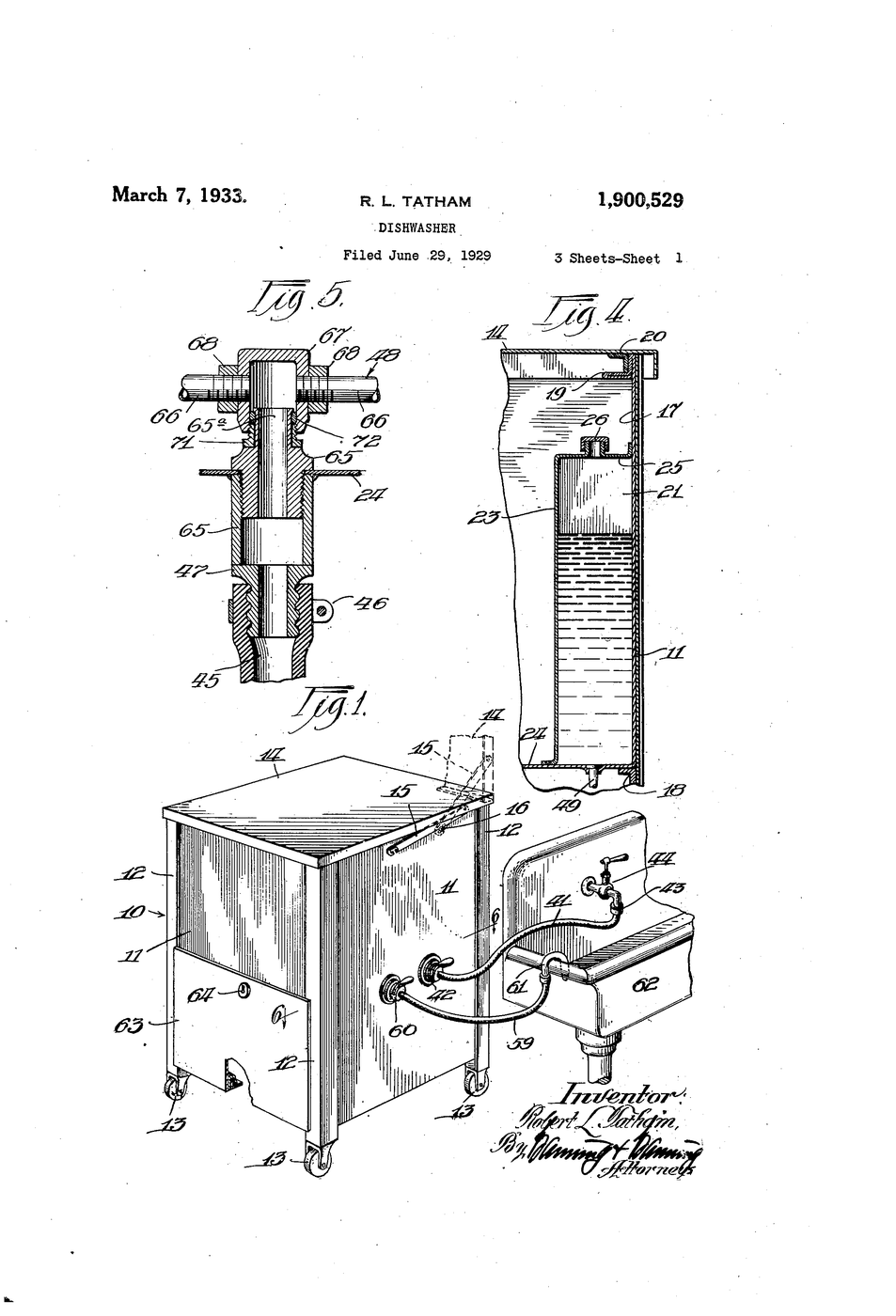
**US 1,900,529**, "Dishwasher", Robert L. Tatham, filed 29. June 1929, granted 7. March 1933: apparatus for "washing dishes by discharging water with considerable force, in the form of jets or sprays", delivered by a pump. Every domestic dishwasher since has a reaction-driven spray arm.
**You build the arm** from PVC pipe on a bearing, fed by a submersible pump, and measure its speed and how much of a dirty plate it actually cleans.
Àárín
3 hours
Ìlànà
1
1
Drill the arm
Drill the arm
Cap both ends of a 200 mm length of 20 mm PVC pipe. Drill six 2 mm holes along it, three each side of centre, all angled about 20 degrees off straight-out and all the same way round.
Àwọn ohun èlò fún ìgbésẹ̀ yìí:
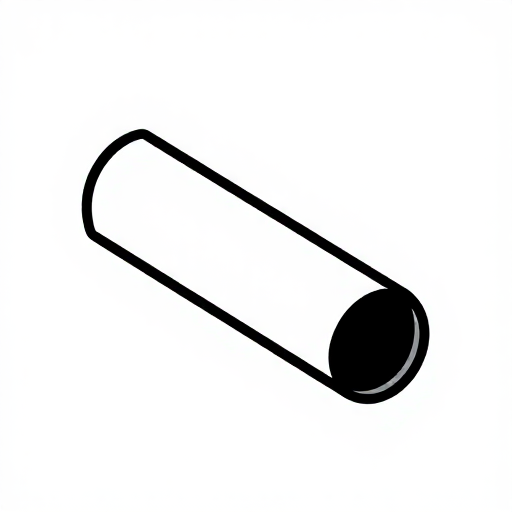 Páìpù PVC1 ẹyọ
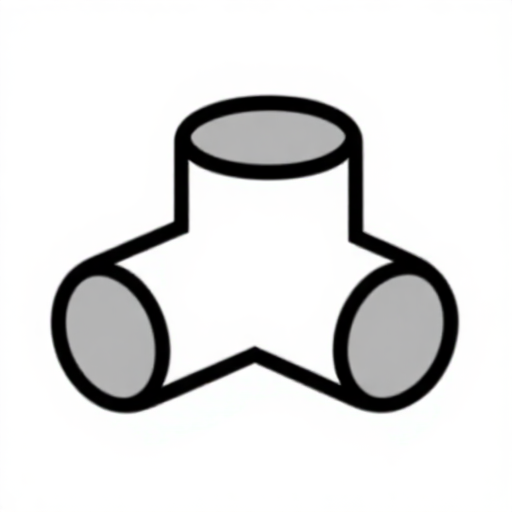 Àkójọpọ̀ Ìsopọ̀ Páìpù PVC1 ìtò
Àwọn irinṣẹ́ tí a nílò:
 Ẹ̀rọ Ìlùkòkò Aláìlókùn
 Àkójọ Orí Ìlùkòkò
 Ìdíwọ̀n
2
2
Hang it on a bearing
Hang it on a bearing
Fit a ball bearing at the arm's centre on a short stub of pipe so it spins freely, and connect the pump to the stub with vinyl tubing. Keep the tubing slack so it cannot drag.
Àwọn ohun èlò fún ìgbésẹ̀ yìí:
 Bearing Bọ́ọ̀lù1 ẹyọ
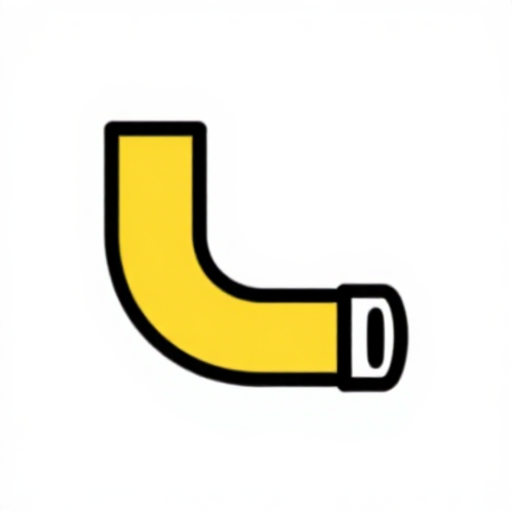 Ọ̀pá vinyl tí ó mọ́1 mítà
Àwọn irinṣẹ́ tí a nílò:
 Ìbọn ìlẹ̀mọ́ gbígbóná
3
3
Measure the flow
Measure the flow
Run the pump into a graduated cylinder for 15 seconds and work out litres per minute. Do it again with the pump half-throttled by pinching the tube.
Àwọn irinṣẹ́ tí a nílò:
 Ẹ̀rọ ìfàmi tí a ń rì sínú omi
 Bàkẹ́ẹ̀tì
 Silinda òǹwọ̀n
 Aago Ìdúró
4
4
Dirty a plate
Dirty a plate
Paint a ceramic plate with a paste of flour and food colouring and let it dry hard. Stand it in the bucket above the arm.
Àwọn ohun èlò fún ìgbésẹ̀ yìí:
 Ìyẹ̀fun àìlèwú50 g
 Awọ̀ oúnjẹ5 ml
Àwọn irinṣẹ́ tí a nílò:
 Àwo gbígbà tanganran
5
5
Run, count, compare
Run, count, compare
Run for one minute, counting arm revolutions in 30 seconds. Photograph the plate and estimate the share cleaned. Repeat with the arm locked still, and at half flow.
Àwọn irinṣẹ́ tí a nílò:
Aago Ìdúró Tépù ìbòmọ́lẹ̀
6
6
Reaction speed and coverage
Reaction speed and coverage
Ń ṣí ìwé Jupyter…
7
7
History & Context
History & Context
**What the patent specifies:** washing by forceful jets or sprays delivered by a pump against dishes held in a tray. **Modern build (derived):** a reaction-driven PVC arm and an aquarium pump.
Later machines added a second arm above, a heater to keep the wash hot, and a detergent dispenser timed to the cycle. Its limits: a jet cannot clean what it cannot reach, so loading matters; burnt-on food still needs soaking; and the arm stalls if cutlery drops through the rack.
Àwọn ohun-èlò
6- 1 ẹyọÀyè
- Àyè
- Àyè
- 1 mítàÀyè
- 50 gÀyè
- 5 mlÀyè
Àwọn irinṣẹ́ tó nílò
10- 1 vendor sell this, none ship to you yetÀyè
- Àyè
- Àyè
- Àyè
Blueprint tó jọra
Àwọn blueprint wọ̀nyí pín ìmọ̀ — ọ̀nà, ohun-èlò tàbí ìlànà

CC0 Àgbègbè Gbogbogbò
Blueprint yìí ti jáde lábẹ́ CC0. O lè ṣe àdàkọ, yí padà, pín, àti lò láìsí ìyọ̀ǹda.
Ṣàtìlẹ́yìn Olùṣẹ́dá nípa rírà àwọn ọjà nipasẹ̀ Blueprint wọn Ẹ̀san Olùṣẹ́dá tí àwọn Olùtajà gbé kalẹ̀, tàbí ṣẹ̀dá àtúnṣe tuntun ti Blueprint yìí kí o sì fi sínú Blueprint rẹ gẹ́gẹ́ bí ìsopọ̀ láti pín owó-wíwọlé.