
IṢẸ́ ỌNÀ
ẸWÀ ÀTI ÌLERA
IṢẸ́ ỌWỌ́
ÀṢÀ ÀTI ÌTÀN
ÌṢERÉ
ÀYÍKÁ
OÚNJẸ ÀTI OHUN MÍMU
REVERSE ENGINEERING
SÁYẸ́ǸSÌ
ERÉ ÌDÁRAYÁ
ÌMỌ̀-Ẹ̀RỌ
ÀWỌN OHUN WÍWỌ̀
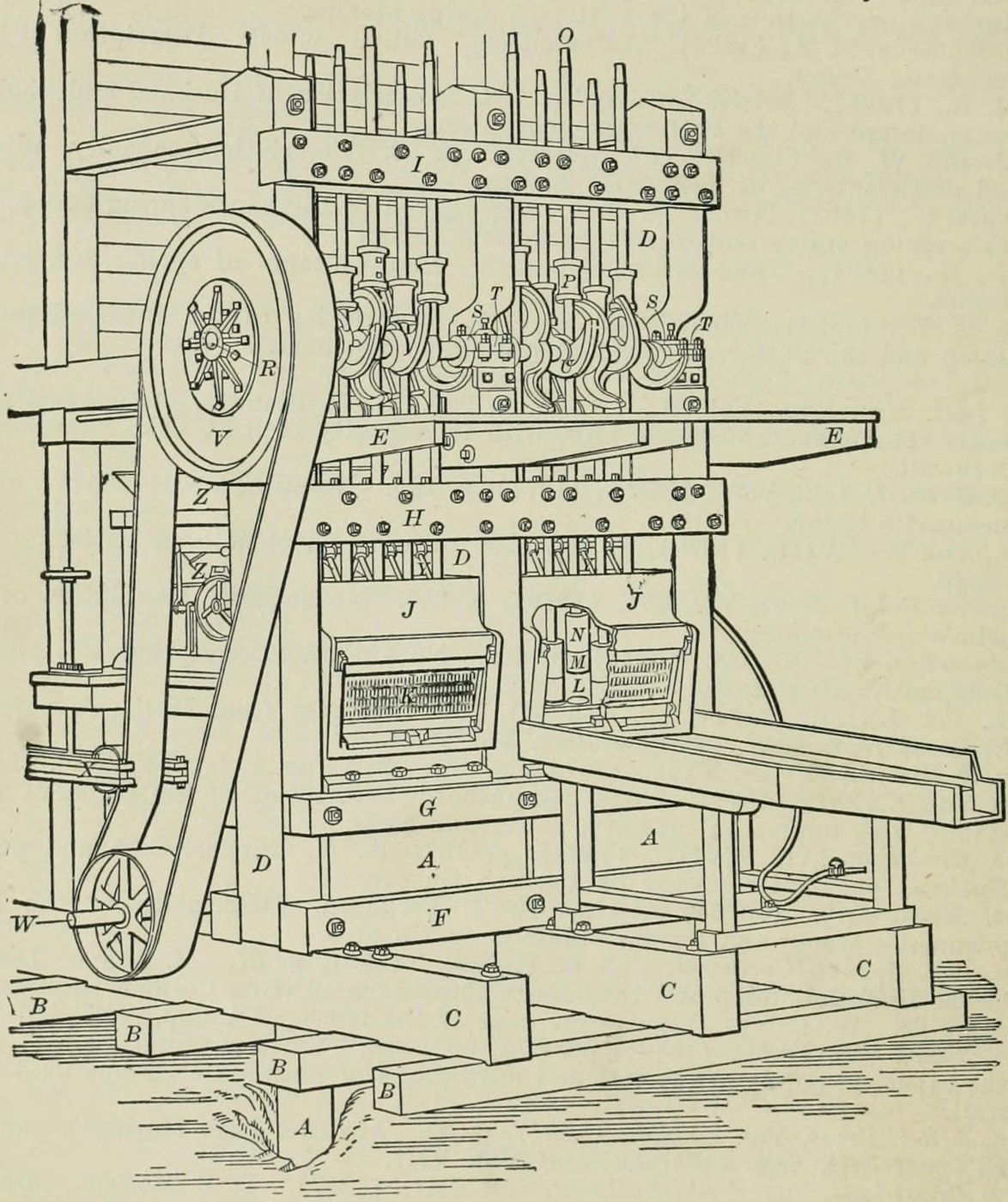
Stamp Mill: California Five-Stamp Battery (Richards, Ore Dressing 1903)
Forge

Ṣẹ́dá nipasẹ̀

Forge

3. Oṣù Kọkànlá 2026NO
17
0
0
0
0

Stamp Mill: California Five-Stamp Battery (Richards, Ore Dressing 1903)

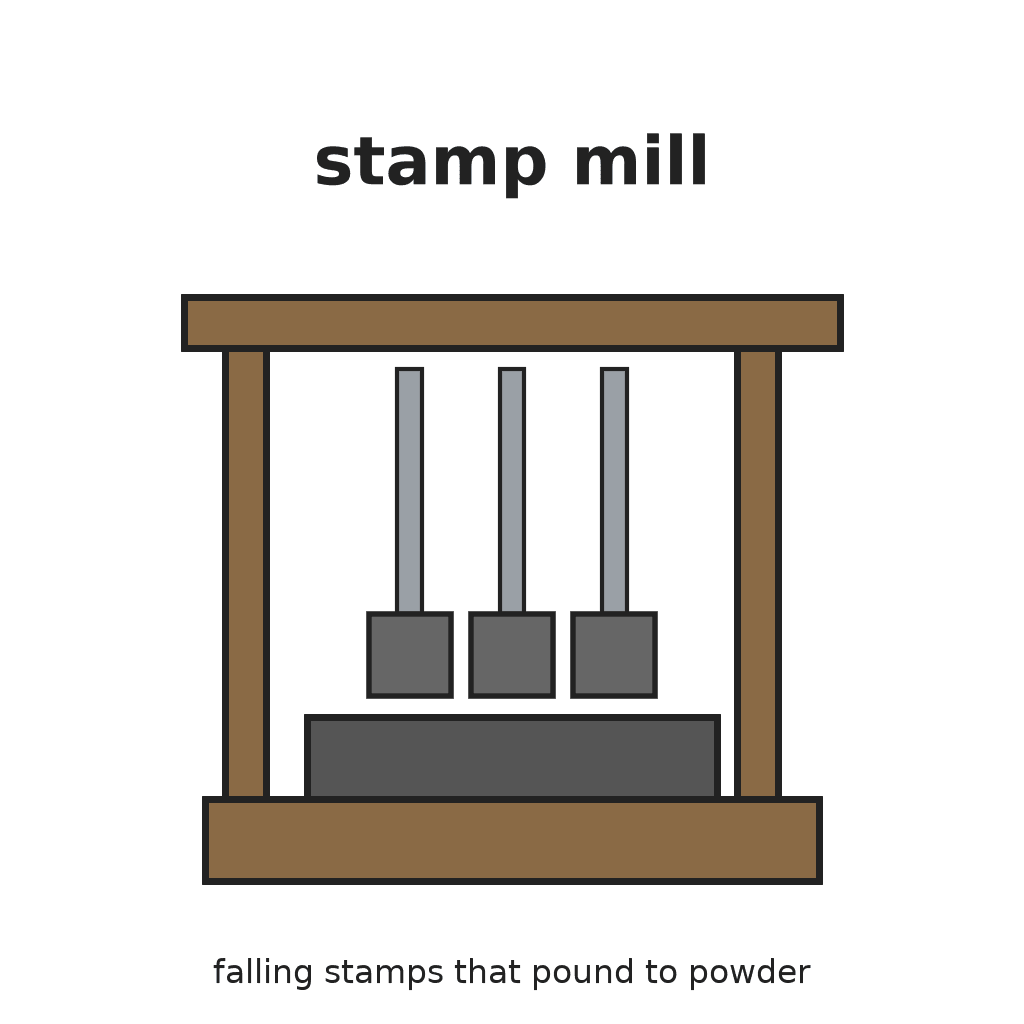
The gravity stamp mill: five heavy iron stamps stand in a cast-iron mortar on a timber block. Cams on a turning shaft lift each stamp by its tappet and let it fall by its own weight onto the ore on a die. Water washes the crushed ore out through a screen. Result: a stamp battery that pounds ore to sand, at 80 to 110 drops a minute. Source: R. H. Richards, Ore Dressing, vol. I (1903), Chapter V, Gravity Stamps. Unknown: one complete set of sizes; Richards gives the range found in the mills. Picture: Fig. 90 of the book.
Ilọsíwájú
Unknown

Ìlànà

1

Dig and level the foundation

Dig a trench in gravel, or blast one in rock, about 2 feet longer than the mortar block at each end and about 2 feet wider at each side. Level the bottom with tamped concrete, sand or clay. Concrete should be at least 30 inches thick, or it may crumble. Two layers of 2-inch plank spiked together may go on top.

Àwọn ohun èlò fún ìgbésẹ̀ yìí:

KọnkéréètìKọnkéréètì1 levelling layer
Pátákó igiPátákó igi1 two layers of 2-inch plank

Àwọn irinṣẹ́ tí a nílò:

Ọ̀kọ́ ìwalẹ̀ (ṣọ́ọ̀bù)Ọ̀kọ́ ìwalẹ̀ (ṣọ́ọ̀bù)
ÒòlùÒòlù
2

Stand the mortar block

Stand timbers or planks on end in the trench as the mortar block, sized for one five-stamp mortar. The mills used everything from 30 x 30 inch squared timbers to 2 x 12 inch planks bolted together. Set vertical bolts 3 to 4 feet long into the block to hold the mortar down. Not given: the bolts' metal.

Àwọn ohun èlò fún ìgbésẹ̀ yìí:

Igi tí a gé ní onígun mẹ́rinIgi tí a gé ní onígun mẹ́rin1 mortar block

Irin tí a kò mọ̀Irin tí a kò mọ̀1 hold-down bolts

Àwọn irinṣẹ́ tí a nílò:

Àkójọ ẹ̀rọ ìgbáradìÀkójọ ẹ̀rọ ìgbáradì
Ìwọ̀n tí a kò mọ̀Ìwọ̀n tí a kò mọ̀
3

Build the frame

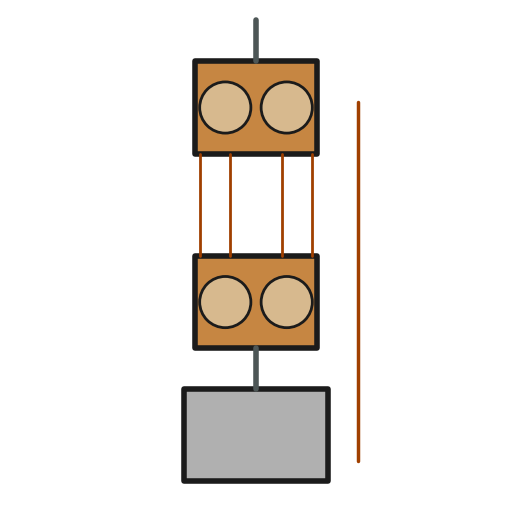
On mud sills and cross sills, stand the posts (end posts 12 x 24 inches in most mills) with buckstaves, a platform, and lower and upper guide timbers. The guides keep the stamp stems vertical. Fit finger bars on a jack shaft between the posts, so each stamp can be propped up under its tappet. The frame carries the cam shaft and the drive.

Àwọn ohun èlò fún ìgbésẹ̀ yìí:

Igi tí a gé ní onígun mẹ́rinIgi tí a gé ní onígun mẹ́rin1 sills, posts, guide timbers, platform
Irin tí a kò mọ̀Irin tí a kò mọ̀1 bolts and jack shaft

Àwọn irinṣẹ́ tí a nílò:

Àkójọ ẹ̀rọ ìgbáradìÀkójọ ẹ̀rọ ìgbáradì
Ìwọ̀n tí a kò mọ̀Ìwọ̀n tí a kò mọ̀
4

Set the mortar, dies and screen

Bed the cast-iron mortar on tarred blankets or sheet rubber on the mortar block, for an even bearing, and bolt it down. Put the dies in its bottom: cylinders on square foot plates that fill the floor of the mortar. Mount a screen of punched Russia sheet iron in a wooden frame over the opening in front.

Àwọn ohun èlò fún ìgbésẹ̀ yìí:

Àwọn ohun irin dídàÀwọn ohun irin dídà1 mortar and five dies

Ewé rọ́bà àdánidáEwé rọ́bà àdánidá1 packing
Pẹpẹ irin RussiaPẹpẹ irin Russia1 screen

Àwọn irinṣẹ́ tí a nílò:

Àkójọ ẹ̀rọ ìgbáradìÀkójọ ẹ̀rọ ìgbáradì
5

Make the five stamps

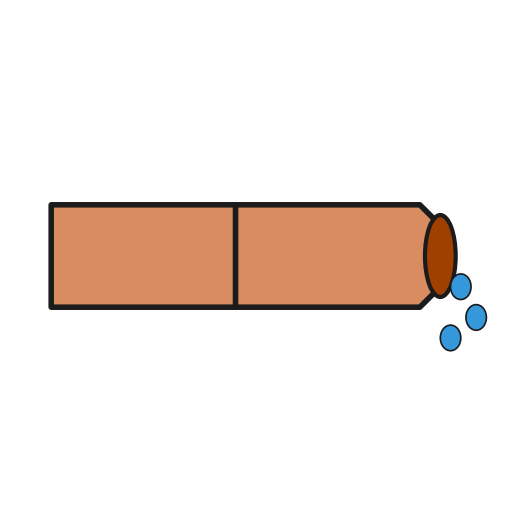
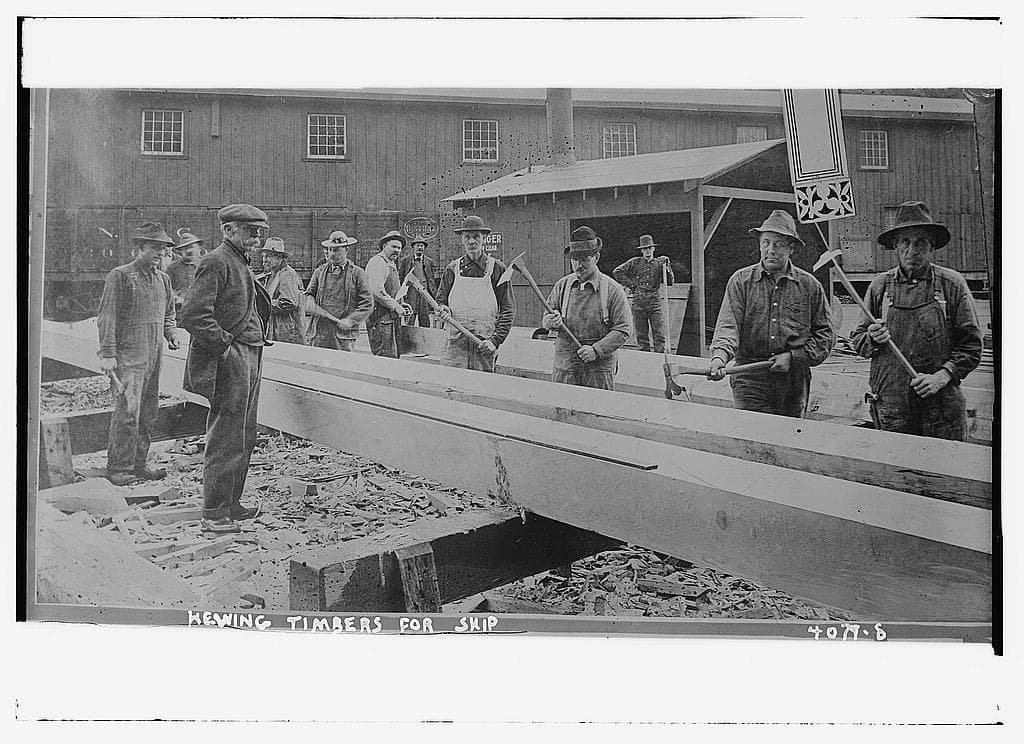
Each stamp has four parts. The shoe is chilled cast iron, its butt cast in heavy chills and its shank in sand. The boss is tough cast iron, the shoe's diameter and often 18 inches long, with sockets for the shoe shank and the stem and two keyways for knock-out wedges. The stem is solid wrought iron or mild steel, turned true and tapered at both ends so it can be reversed. The tappet is cast iron, with a flange above and below, locked on the stem by a gib and keys. Put the extra weight in the boss. Louis designs for 11 to 14 pounds of stamp per square inch of die; the mills used stamps of 650 to 1,100 pounds.

Àwọn ohun èlò fún ìgbésẹ̀ yìí:

Àwọn ohun irin dídàÀwọn ohun irin dídà1 shoes, bosses, tappets
Ọ̀pá irin lílùỌ̀pá irin lílù1 stems, gibs, keys

Àwọn irinṣẹ́ tí a nílò:
Ẹ̀rọ Ìyí IrinẸ̀rọ Ìyí Irin
Ìwọ̀n tí a kò mọ̀Ìwọ̀n tí a kò mọ̀
6

Fit the cam shaft and drive

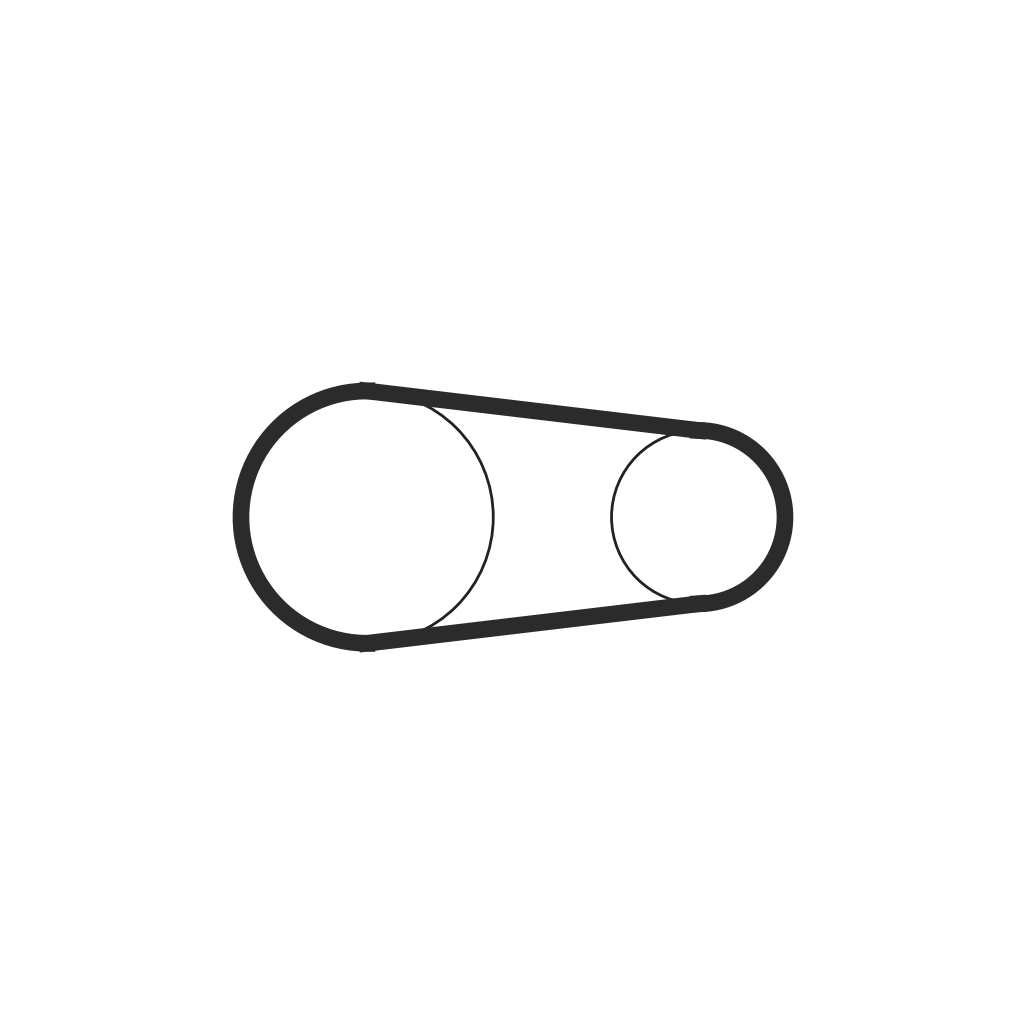
Turn a wrought-iron or steel cam shaft true, with a key seat, and key on five cams. Each cam usually has two arms with spiral lifting faces, cast iron with chilled faces or cast steel. Drive the shaft by a rubber belt from the main shaft, over a pulley of wood built on a cast-iron hub and flanges, with a tightener. Not given: the engine or wheel that turns the main shaft.

Àwọn ohun èlò fún ìgbésẹ̀ yìí:

Ọ̀pá irin lílùỌ̀pá irin lílù1 cam shaft
Àwọn ohun irin dídàÀwọn ohun irin dídà1 cams, pulley hub and flanges
Pátákó igiPátákó igi1 pulley rim
Bẹ́líìtì ìwakọ̀Bẹ́líìtì ìwakọ̀1 rubber belt

Àwọn irinṣẹ́ tí a nílò:

Ẹ̀rọ Ìyí IrinẸ̀rọ Ìyí Irin
Àkójọ ẹ̀rọ ìgbáradìÀkójọ ẹ̀rọ ìgbáradì
7

Add the water and the feed

Run one or two 1-inch water pipes into the back of the mortar, each with a plug cock that stays where it is set. Feed ore from the bin by a chute to an automatic feeder. One stamp trips the feeder when the ore layer on its die gets too thin, and a hand screw adjusts the point where it trips. Ore can also be fed by hand with a shovel.

Àwọn ohun èlò fún ìgbésẹ̀ yìí:

Páìpù OmiPáìpù Omi1 water pipes
Fáàfù àìmọ̀Fáàfù àìmọ̀1 plug cocks
Irin tí a kò mọ̀Irin tí a kò mọ̀1 feeder and chute

Àwọn irinṣẹ́ tí a nílò:

Àkójọ ẹ̀rọ ìgbáradìÀkójọ ẹ̀rọ ìgbáradì
Ọkọ́Ọkọ́
8

Set up each stamp

Lay a 3-inch plank on the dies and set the bosses on it. Lower the stems into them and tap each stem down with a hammer, a board guarding its top, then drop it a few times at a very low drop. Hoist the stamp, put the shoe in place with wooden staves around its shank, and drop it on the plank to drive the shoe home; the staves swell when wet and hold it. Swap the plank for a block as high as the drop. Slip the tappet on, turn the cam until the tappet rests on its point, drive the keys home and drop the stamp gently a few times.

Àwọn ohun èlò fún ìgbésẹ̀ yìí:

Àwọn ìgé igiÀwọn ìgé igi1 staves

Àwọn irinṣẹ́ tí a nílò:

Pátákó igiPátákó igi
ÒòlùÒòlù
Kẹ̀kẹ́ okùn alápapọ̀Kẹ̀kẹ́ okùn alápapọ̀
9

Run the battery

Drop the stamps in order 1, 3, 5, 2, 4 (numbered from the left, standing behind the battery), so no two neighbours fall one after the other. The California practice is 80 to 110 drops a minute with a 5 to 9 inch drop. The cams turn the stamps as they lift, which evens out wear on shoes and dies. Lubricate the cams; soft soap with graphite is best. As shoes and dies wear, reset the tappets to restore the drop, and keep the height of discharge, from die to screen, the same.

Àwọn irinṣẹ́ tí a nílò:

Ẹ̀kù GraphiteẸ̀kù Graphite
Ohun èlò tí a kò mọ̀Ohun èlò tí a kò mọ̀
Àkójọ ẹ̀rọ ìgbáradìÀkójọ ẹ̀rọ ìgbáradì

Àwọn ohun-èlò

12

Àwọn irinṣẹ́ tó nílò

10

Ìtọ́nisọ́nà yìí ń ṣe

Blueprint tó jọra

Àwọn blueprint wọ̀nyí pín ìmọ̀ — ọ̀nà, ohun-èlò tàbí ìlànà
CC0 Àgbègbè Gbogbogbò

Blueprint yìí ti jáde lábẹ́ CC0. O lè ṣe àdàkọ, yí padà, pín, àti lò láìsí ìyọ̀ǹda.

Ṣàtìlẹ́yìn Olùṣẹ́dá nípa rírà àwọn ọjà nipasẹ̀ Blueprint wọn Ẹ̀san Olùṣẹ́dá tí àwọn Olùtajà gbé kalẹ̀, tàbí ṣẹ̀dá àtúnṣe tuntun ti Blueprint yìí kí o sì fi sínú Blueprint rẹ gẹ́gẹ́ bí ìsopọ̀ láti pín owó-wíwọlé.

Ìfọ̀rọ̀wérọ̀

(0)

Wọlé láti dara pọ̀ mọ́ ìfọ̀rọ̀wérọ̀

Ń gbé àwọn ọ̀rọ̀ wọlé...