IṢẸ́ ỌNÀ
ẸWÀ ÀTI ÌLERA
IṢẸ́ ỌWỌ́
ÀṢÀ ÀTI ÌTÀN
ÌṢERÉ
ÀYÍKÁ
OÚNJẸ ÀTI OHUN MÍMU
REVERSE ENGINEERING
SÁYẸ́ǸSÌ
ERÉ ÌDÁRAYÁ
ÌMỌ̀-Ẹ̀RỌ
ÀWỌN OHUN WÍWỌ̀
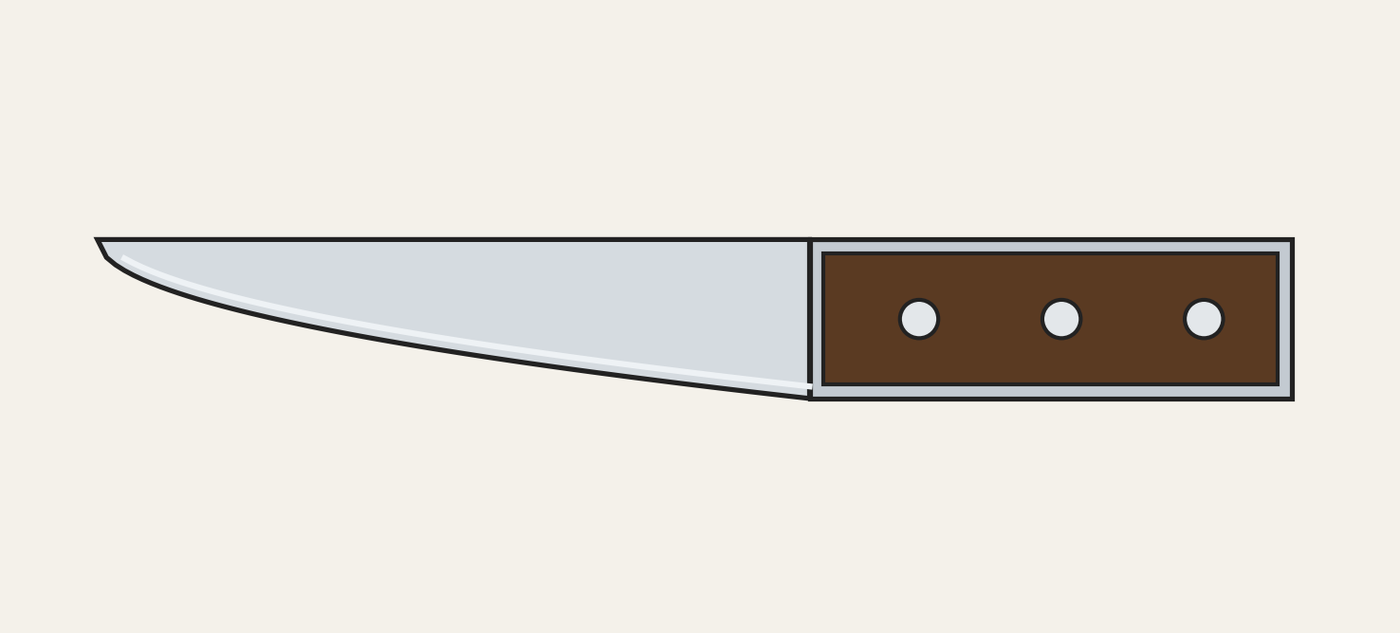


Stamped Kitchen Knife: Blade, Tang and Riveted Scales
Kitchen knife blades are either forged or stamped. A stamped blade is cut to shape straight from cold-rolled steel, then heat-treated for strength, ground, polished and sharpened; it can often be recognised by having no bolster. Typical stainless kitchen knives are 420 stainless, an alloy of iron with about 10–15% chromium and little carbon, which resists rust far better than carbon steel. In the traditional Western knife the tang, the part of the blade inside the handle, carries two scales of wood, plastic or composite, one each side, held by metal rivets, usually three.
Ilọsíwájú
Factory process
Ìlànà
1
1
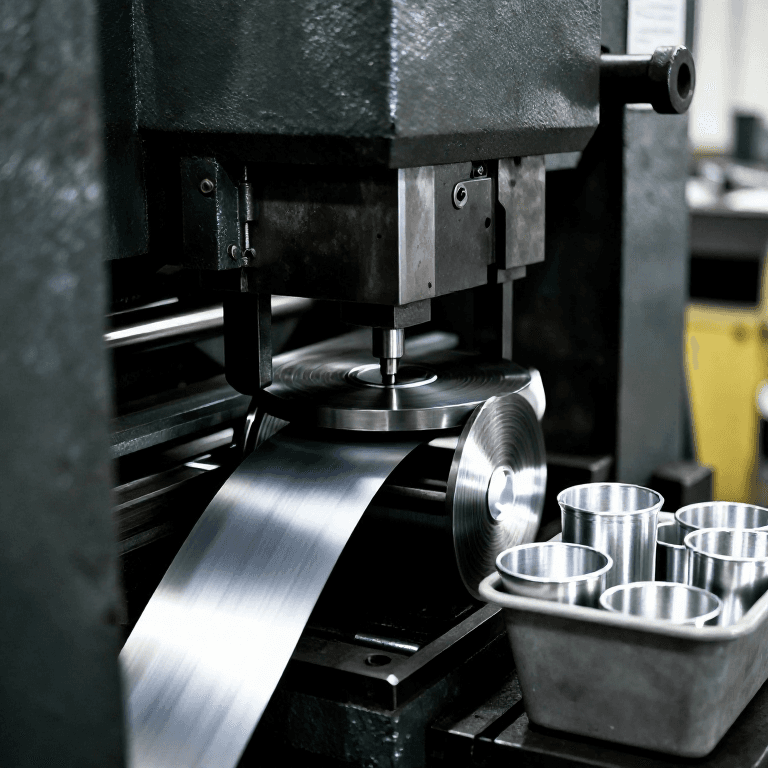
Stamp the blank
Stamp the blank
Cut the blade with its tang straight from cold-rolled stainless steel in the press.
Àwọn ohun èlò fún ìgbésẹ̀ yìí:
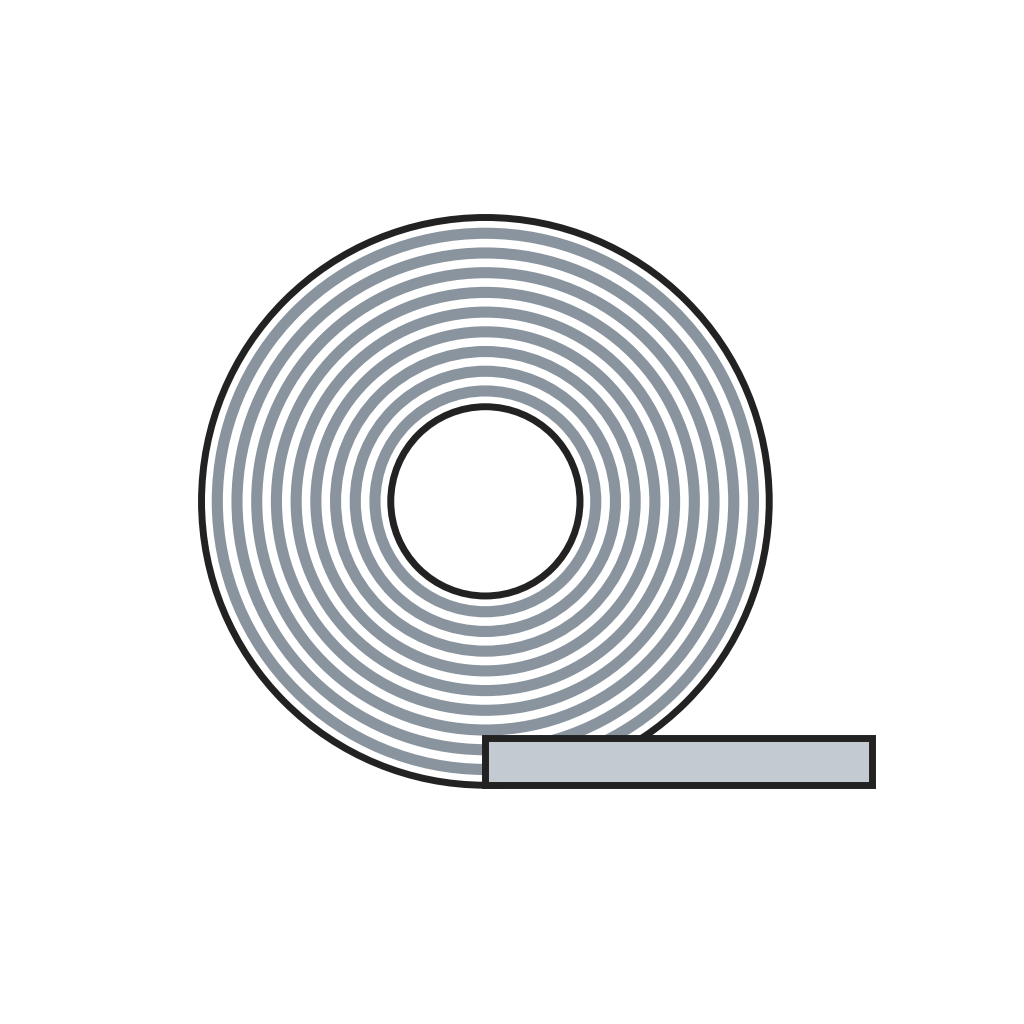 Ìlà irin aláìpẹtà tí a yí ní òtútù (420)1 as required
Àwọn irinṣẹ́ tí a nílò:
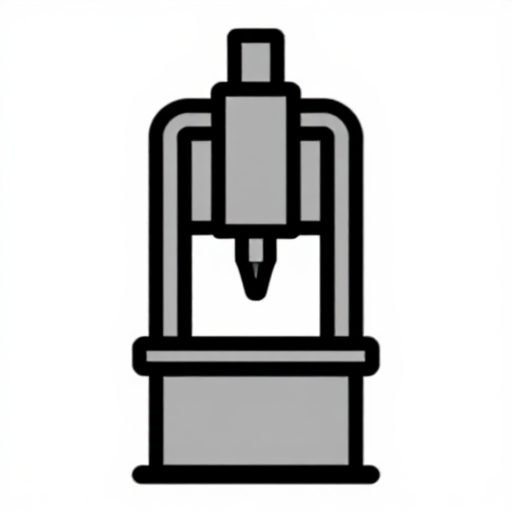 Ẹ̀rọ ìtẹ̀ àwo irin
2
2
Heat treat
Heat treat
Heat-treat the blank for strength.
Àwọn irinṣẹ́ tí a nílò:
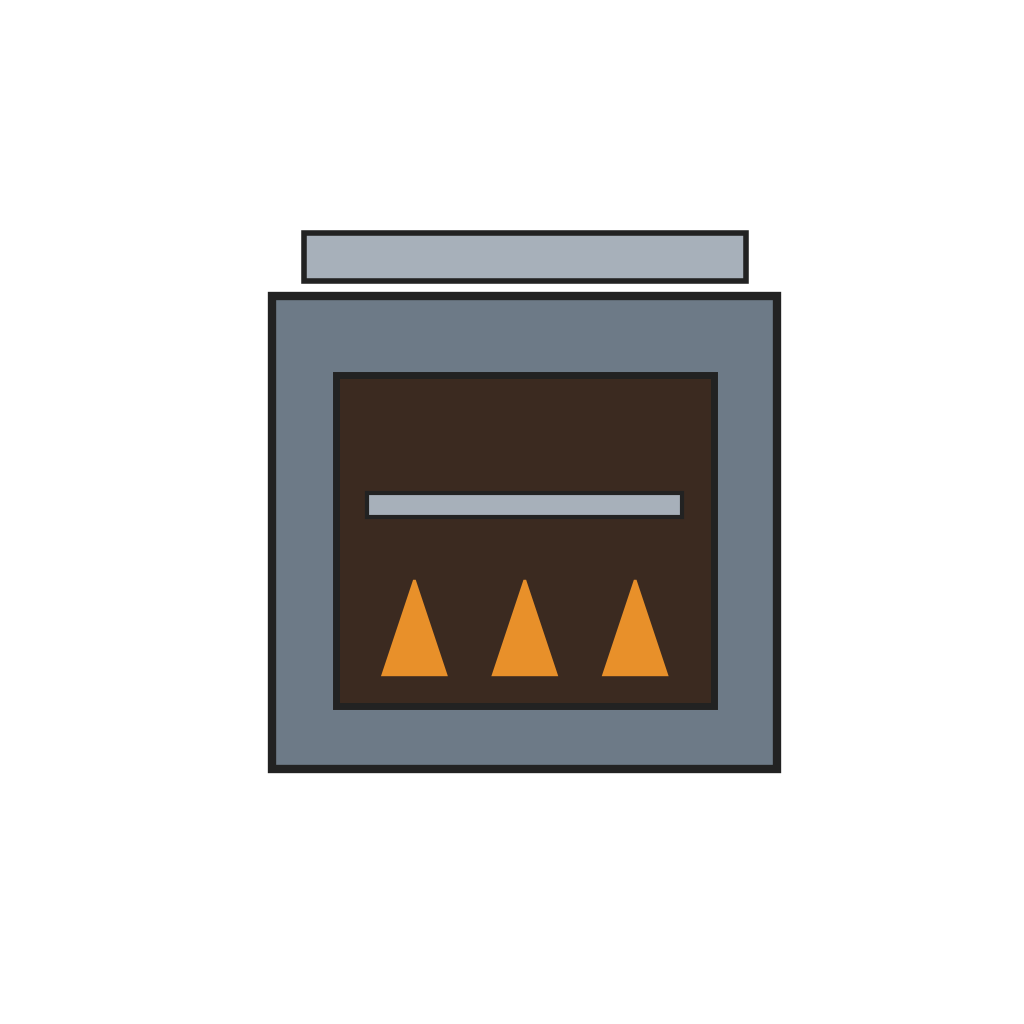 Ààrò ìtọ́jú ooru
3
3
Grind, polish and sharpen
Grind, polish and sharpen
Grind the blade, polish it and sharpen the edge.
Àwọn irinṣẹ́ tí a nílò:
 Ẹ̀rọ ìfá pẹ̀lú okùn ìfá
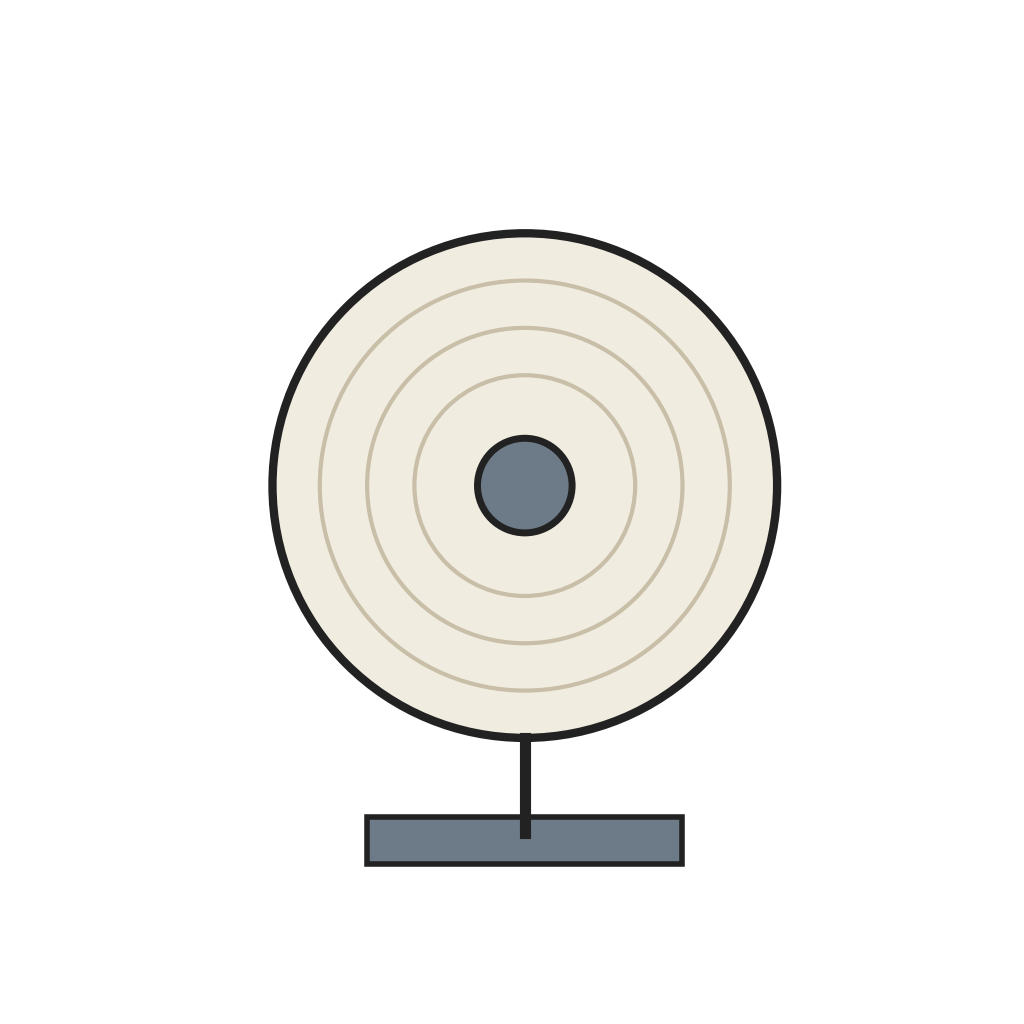 Àgbá ìdán
 Òkúta Ìpọ́n
4
4
Rivet the scales
Rivet the scales
Fit a scale to each side of the tang and fix them with the rivets, usually three.
Àwọn ohun èlò fún ìgbésẹ̀ yìí:
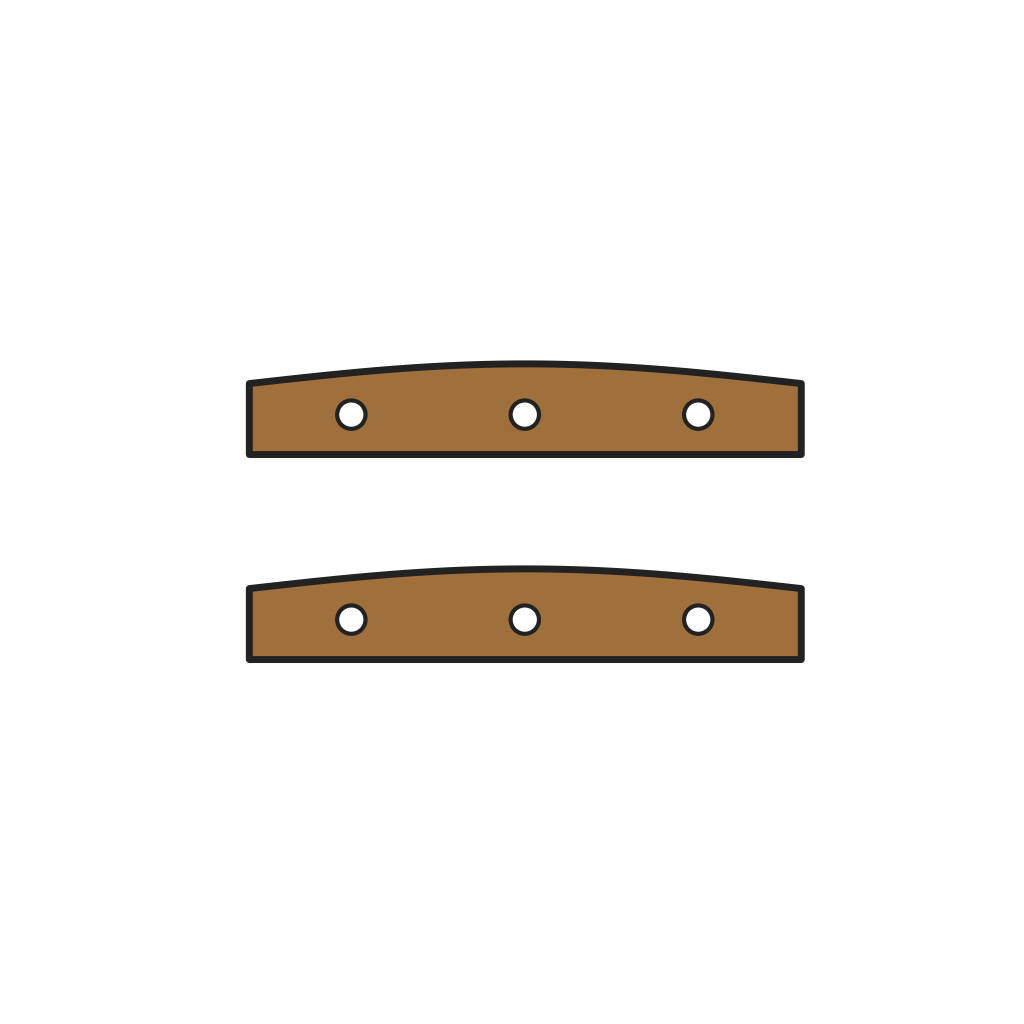 Pákó ọwọ́ ọ̀bẹ2 ẹyọ
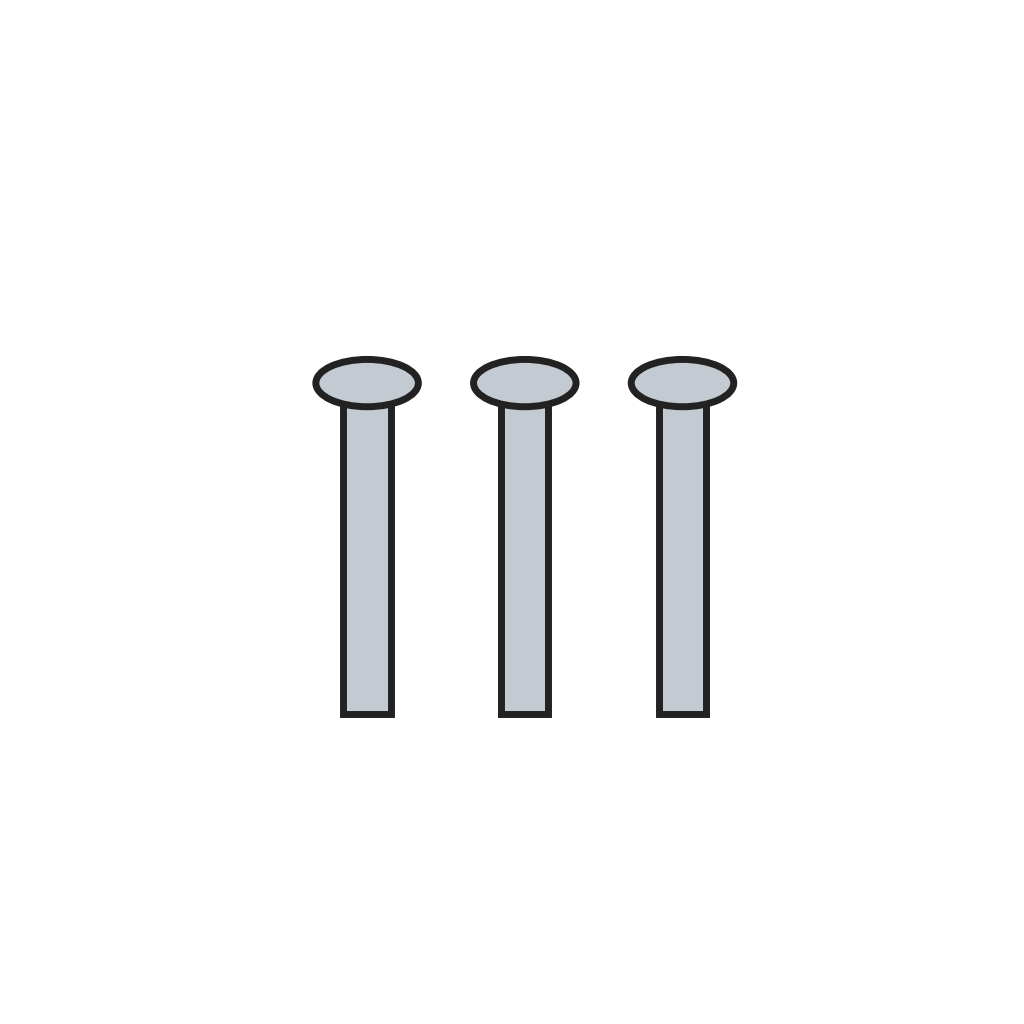 Ìṣó rivet ọwọ́ ọ̀bẹ3 ẹyọ
Àwọn ohun-èlò
3- 1 as requiredÀyè
- 2 ẹyọÀyè
- 3 ẹyọÀyè
Àwọn irinṣẹ́ tó nílò
5- Àyè
- Àyè
Ìtọ́nisọ́nà yìí ń ṣe
Blueprint tó jọra
Àwọn blueprint wọ̀nyí pín ìmọ̀ — ọ̀nà, ohun-èlò tàbí ìlànà



CC0 Àgbègbè Gbogbogbò
Blueprint yìí ti jáde lábẹ́ CC0. O lè ṣe àdàkọ, yí padà, pín, àti lò láìsí ìyọ̀ǹda.
Ṣàtìlẹ́yìn Olùṣẹ́dá nípa rírà àwọn ọjà nipasẹ̀ Blueprint wọn Ẹ̀san Olùṣẹ́dá tí àwọn Olùtajà gbé kalẹ̀, tàbí ṣẹ̀dá àtúnṣe tuntun ti Blueprint yìí kí o sì fi sínú Blueprint rẹ gẹ́gẹ́ bí ìsopọ̀ láti pín owó-wíwọlé.