IṢẸ́ ỌNÀ
ẸWÀ ÀTI ÌLERA
IṢẸ́ ỌWỌ́
ÀṢÀ ÀTI ÌTÀN
ÌṢERÉ
ÀYÍKÁ
OÚNJẸ ÀTI OHUN MÍMU
REVERSE ENGINEERING
SÁYẸ́ǸSÌ
ERÉ ÌDÁRAYÁ
ÌMỌ̀-Ẹ̀RỌ
ÀWỌN OHUN WÍWỌ̀
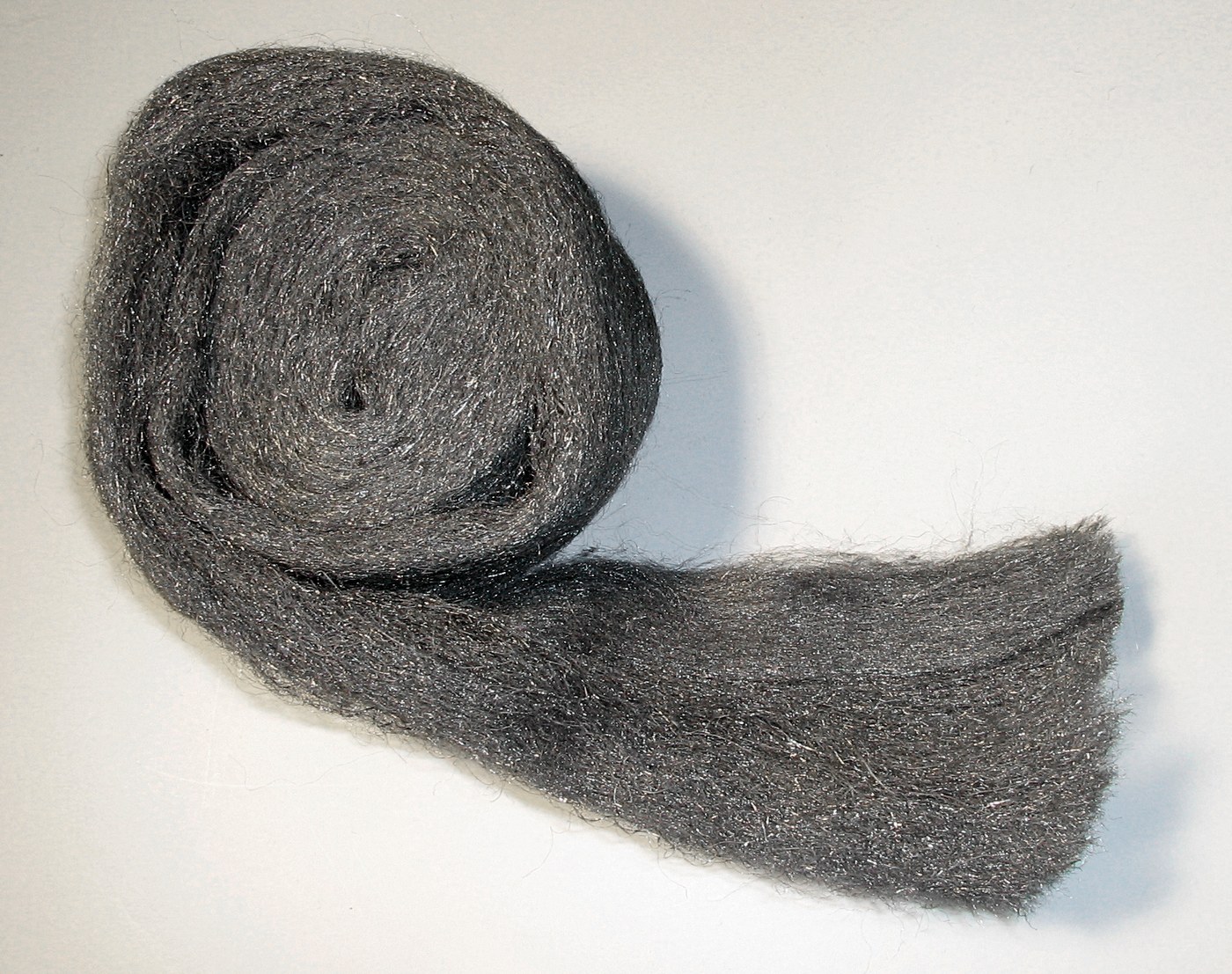


Steel Wool: Shavings Pulled from Wire
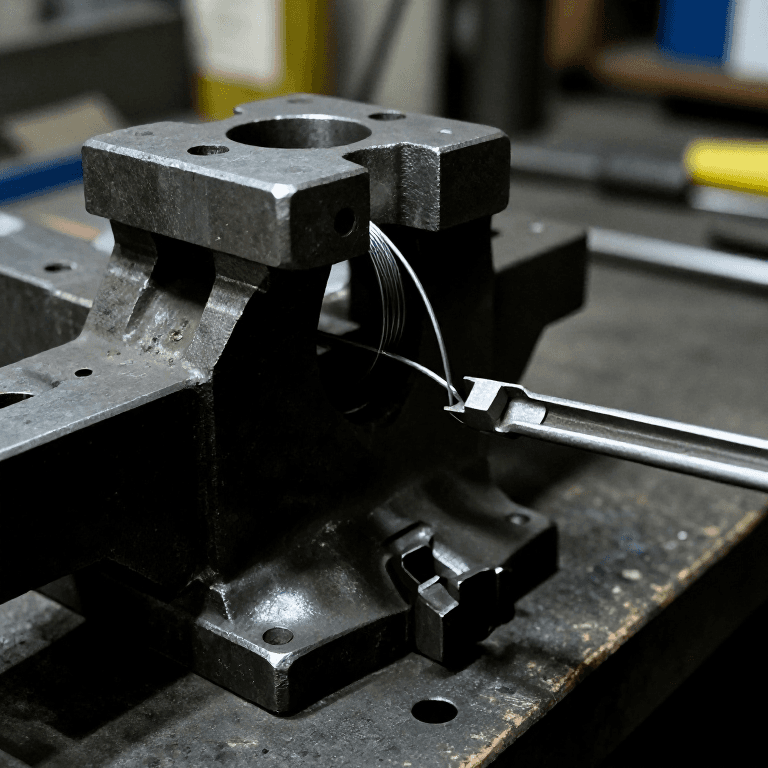
Steel wool is a bundle of very fine, flexible, sharp-edged steel filaments, described as a new product in 1896. It is made from low-carbon steel in a process like broaching: heavy steel wire is pulled through a toothed die that shaves off thin, sharp strands. It is graded from coarse 4 and 3 to super fine 0000, whose fibres are about 25 μm (0.001 in) thick, and is used to polish wood and metal, clean cookware and sand surfaces.
Àárín
Factory process
Ìlànà
1
1
Pull the wire through the toothed die
Pull the wire through the toothed die
Pull heavy low-carbon steel wire through the toothed die. Each tooth shaves a thin, sharp strand off the wire.
Àwọn ohun èlò fún ìgbésẹ̀ yìí:
 Okun waya irin1 as required
Àwọn irinṣẹ́ tí a nílò:
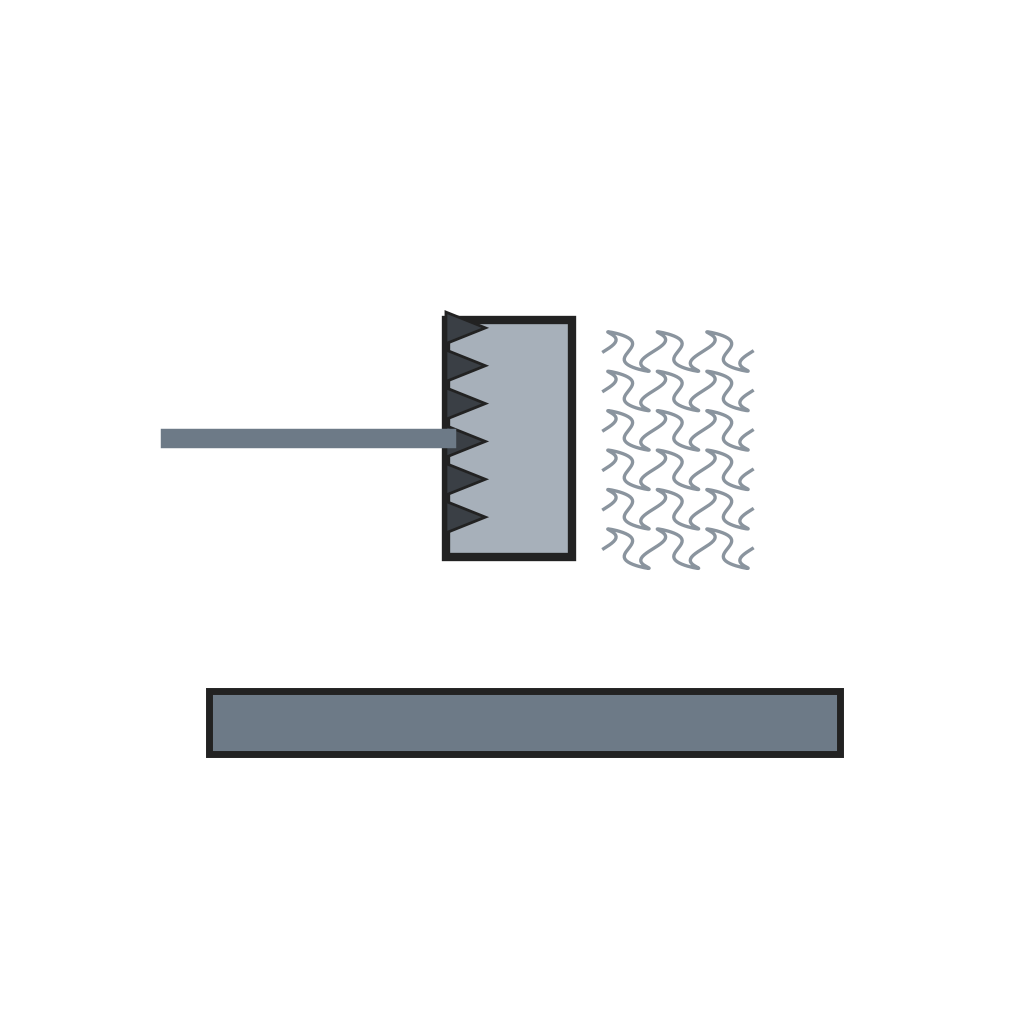 Ẹ̀rọ ìfá irun irin
2
2
Gather and grade
Gather and grade
Gather the strands into a bundle. The grade, from coarse 4 to super fine 0000, depends on how thick the strands are cut.
Àwọn ohun-èlò
1- 1 as requiredÀyè
Àwọn irinṣẹ́ tó nílò
1Ìtọ́nisọ́nà yìí ń ṣe

Blueprint tó jọra
Àwọn blueprint wọ̀nyí pín ìmọ̀ — ọ̀nà, ohun-èlò tàbí ìlànà

CC0 Àgbègbè Gbogbogbò
Blueprint yìí ti jáde lábẹ́ CC0. O lè ṣe àdàkọ, yí padà, pín, àti lò láìsí ìyọ̀ǹda.
Ṣàtìlẹ́yìn Olùṣẹ́dá nípa rírà àwọn ọjà nipasẹ̀ Blueprint wọn Ẹ̀san Olùṣẹ́dá tí àwọn Olùtajà gbé kalẹ̀, tàbí ṣẹ̀dá àtúnṣe tuntun ti Blueprint yìí kí o sì fi sínú Blueprint rẹ gẹ́gẹ́ bí ìsopọ̀ láti pín owó-wíwọlé.