IṢẸ́ ỌNÀ
ẸWÀ ÀTI ÌLERA
IṢẸ́ ỌWỌ́
ÀṢÀ ÀTI ÌTÀN
ÌṢERÉ
ÀYÍKÁ
OÚNJẸ ÀTI OHUN MÍMU
REVERSE ENGINEERING
SÁYẸ́ǸSÌ
ERÉ ÌDÁRAYÁ
ÌMỌ̀-Ẹ̀RỌ
ÀWỌN OHUN WÍWỌ̀
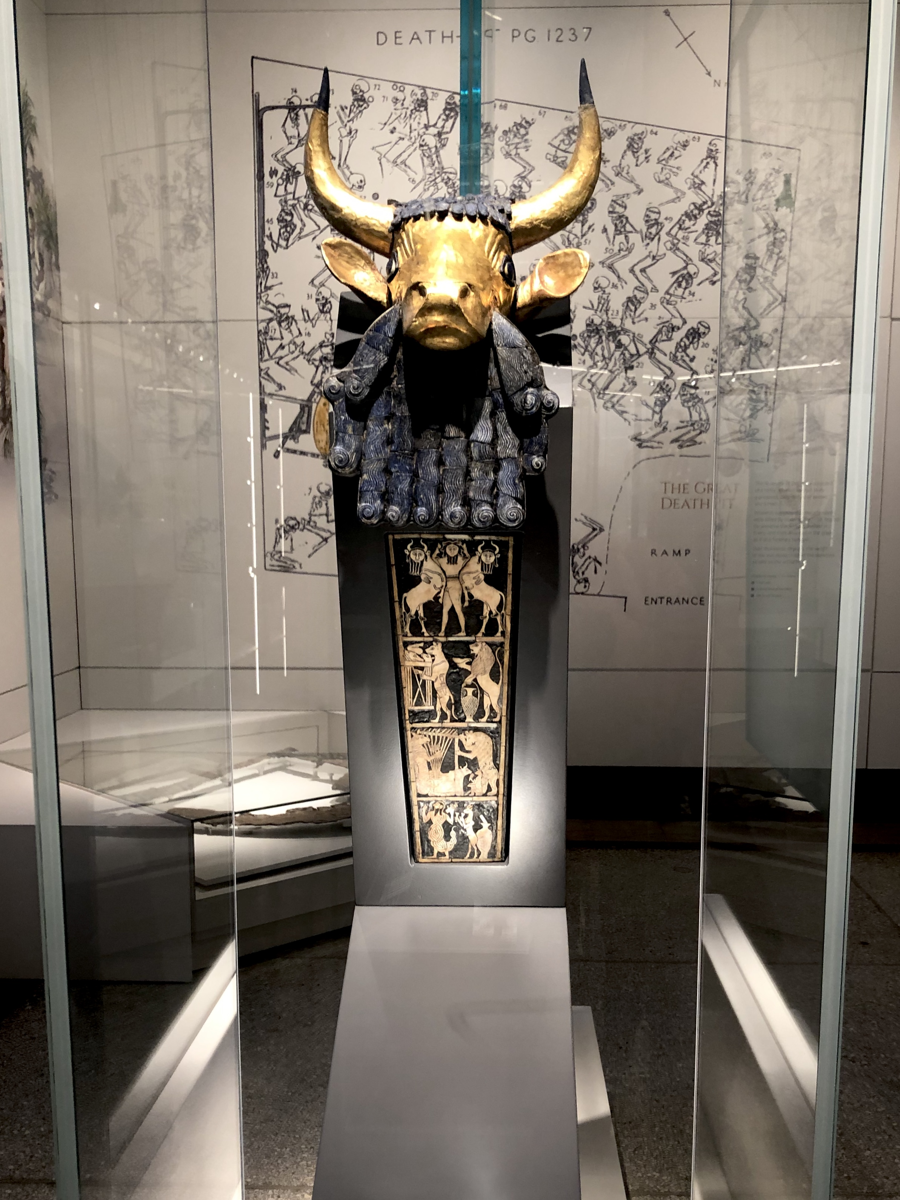


Building a Lyre of Ur — The Sumerian Bull Lyre
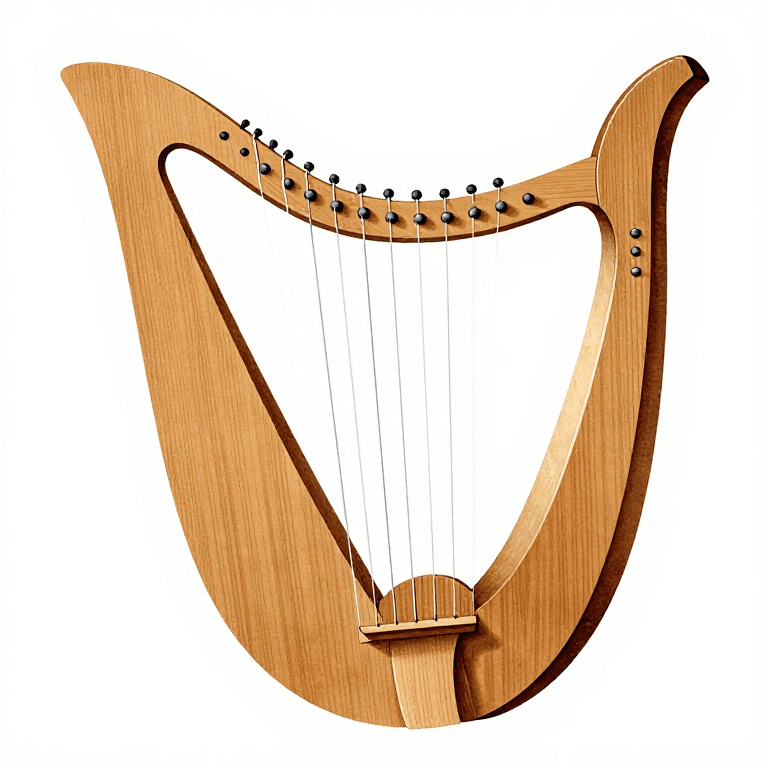
Build a large Sumerian yoke lyre in the style of the 4,500-year-old Lyre of Ur, the oldest stringed instrument ever found. Strings run from a deep soundbox up to a crossbar held between two arms, each plucked open. A serious maker build in the yoke lyre and how one string sounds one note.
Àárín
Several hours over a few sessions
Ìlànà
1
1
The oldest strings on Earth
The oldest strings on Earth
The lyres from the Royal Cemetery of Ur (about 2500 BC) are the oldest stringed instruments ever found — deep soundboxes crowned with a golden bull's head, their strings plucked one note at a time.
2
2
Build the soundbox
Build the soundbox
Build a hollow wooden soundbox, broad and deep — the Ur lyre was large and full-voiced, much bigger than a Greek lyre.
Àwọn ohun èlò fún ìgbésẹ̀ yìí:
 Pátákó Igi Rírọ̀ Gbígbẹ1 ẹyọ
 Ìdìpọ̀ Igi PVA1 ẹyọ
Àwọn irinṣẹ́ tí a nílò:
 Ayùn Irin
3
3
Fit the soundboard
Fit the soundboard
Glue a thin soundboard over the top to seal the chamber, and cut a soundhole so the built-up sound can escape.
Àwọn ohun èlò fún ìgbésẹ̀ yìí:
Ìdìpọ̀ Igi PVA1 ẹyọÀwọn irinṣẹ́ tí a nílò:
 Ọ̀bẹ Sìlóìdì
4
4
Raise the two arms
Raise the two arms
Fix two stout wooden arms rising up from the soundbox, leaning slightly outward like the horns of a bull.
Àwọn ohun èlò fún ìgbésẹ̀ yìí:
 Òpó Igi Dòwẹ̀lì1 ẹyọÌdìpọ̀ Igi PVA1 ẹyọ
5
5
Fit the yoke
Fit the yoke
Lay a crossbar — the yoke — between the tops of the two arms. The strings will hang from this bar down to the soundbox.
Àwọn ohun èlò fún ìgbésẹ̀ yìí:
Òpó Igi Dòwẹ̀lì1 ẹyọ6
6
Add a bull's head
Add a bull's head
Carve or model a bull's head for the front of the soundbox — the emblem of the Ur lyres, whose deep tone echoed the bull's bellow.
Àwọn irinṣẹ́ tí a nílò:
Ọ̀bẹ Sìlóìdì7
7
String it to the yoke
String it to the yoke
Anchor eight to eleven strings at the soundbox, run each up to the yoke, and wrap it around the bar with a leather strip so it can be tuned by twisting.
Àwọn ohun èlò fún ìgbésẹ̀ yìí:
 Okùn Irin Orin 0.032 inch1 ẹyọ
8
8
Tune the strings
Tune the strings
Twist each string's wrap around the yoke to tune it — tighter for a higher note — setting the strings to the notes of a scale, lowest to highest.
9
9
Play it
Play it
Pluck the open strings with your fingers or a plectrum. Because each string is a fixed note, you play a lyre by choosing which strings to sound.
10
10
Compendium — the yoke lyre
Compendium — the yoke lyre
A lyre is a yoke instrument: its strings run from the soundbox up to a crossbar (the yoke) held between two arms, and each string is tuned to its own note and plucked open. Unlike the fretted langspil or a guitar, a lyre has no way to shorten a string as you play, so it needs one string per note — which is why lyres have many strings. The soundbox amplifies them exactly as in every stringed instrument: the thin strings shake the light soundboard, which drives the air in the box out through the soundhole. The lyres of Ur, from about 2500 BC, are the oldest stringed instruments ever found — buried in the Royal Cemetery with gold, lapis lazuli and a bull's head whose deep voice the instrument's tone was meant to echo. They were tuned by wrapping each string around the yoke with a strip of leather or a tuning rod and twisting it. The Greek lyre and kithara are direct descendants of this Near-Eastern design, and the same string-and-soundbox idea, given a fretted neck, grows into the lute and the guitar. String pitch obeys the same three rules as the musical bow: tension, length and mass.
Àwọn ohun-èlò
4- Àyè
- 1 ẹyọÀyè
- 1 ẹyọÀyè
- Àyè
Ìtọ́nisọ́nà yìí ń ṣe

Blueprint tó jọra
Àwọn blueprint wọ̀nyí pín ìmọ̀ — ọ̀nà, ohun-èlò tàbí ìlànà
CC0 Àgbègbè Gbogbogbò
Blueprint yìí ti jáde lábẹ́ CC0. O lè ṣe àdàkọ, yí padà, pín, àti lò láìsí ìyọ̀ǹda.
Ṣàtìlẹ́yìn Olùṣẹ́dá nípa rírà àwọn ọjà nipasẹ̀ Blueprint wọn Ẹ̀san Olùṣẹ́dá tí àwọn Olùtajà gbé kalẹ̀, tàbí ṣẹ̀dá àtúnṣe tuntun ti Blueprint yìí kí o sì fi sínú Blueprint rẹ gẹ́gẹ́ bí ìsopọ̀ láti pín owó-wíwọlé.