IṢẸ́ ỌNÀ
ẸWÀ ÀTI ÌLERA
IṢẸ́ ỌWỌ́
ÀṢÀ ÀTI ÌTÀN
ÌṢERÉ
ÀYÍKÁ
OÚNJẸ ÀTI OHUN MÍMU
REVERSE ENGINEERING
SÁYẸ́ǸSÌ
ERÉ ÌDÁRAYÁ
ÌMỌ̀-Ẹ̀RỌ
ÀWỌN OHUN WÍWỌ̀
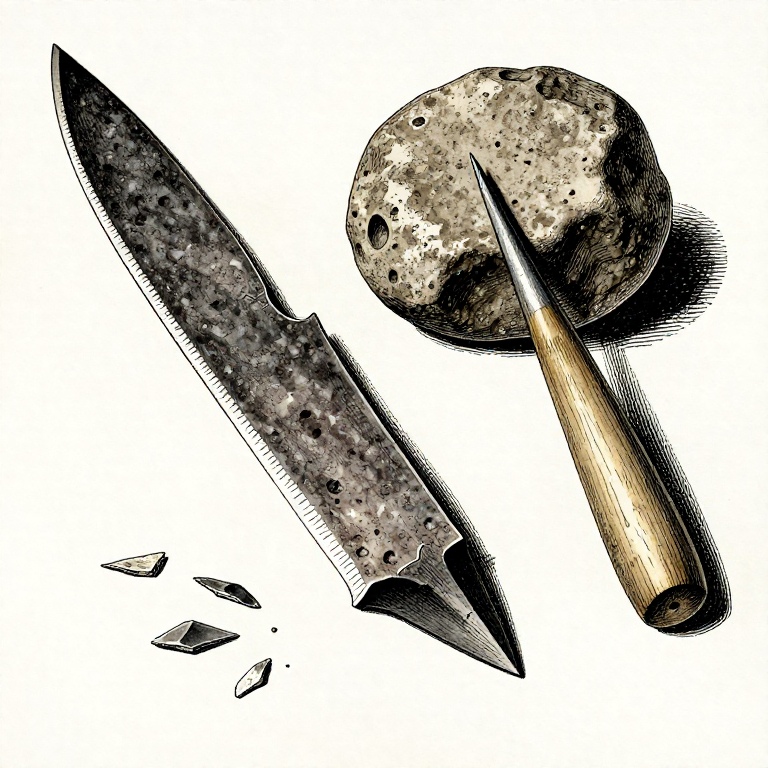
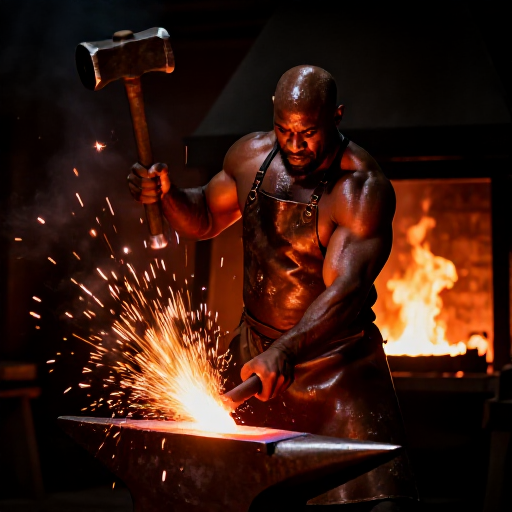

Knapping a Flint Knife — Stone Age Cutting Tool
Flint knapping: 2 million years old, still sharper than surgical steel. Learn percussion flaking to produce a usable knife from stone. Safety: wear eye protection and gloves.
Ilọsíwájú
1-2 hours
Ìlànà
1
1
Select Stone
Select Stone
Flint, chert, or obsidian. Waxy luster, rings when tapped, no granular texture. Check riverbeds and limestone outcrops. Avoid cracked stones.
2
2
Platform & Primary Flaking
Platform & Primary Flaking
Strike off a small piece to create a flat platform. Hit 1cm from the edge with hammerstone — strike through the stone, not at it. Each flake creates a new platform.
Àpẹrẹ
Diagram: striking angle, platform edge, flake removal direction
Àwọn ohun èlò fún ìgbésẹ̀ yìí:
 Òkúta Ìlù1 ẹyọ
3
3
Shape the Blade
Shape the Blade
Work around the nodule removing flakes to create a leaf shape. Alternate sides to thin evenly. Target: 10-15cm long, thin enough for a sharp edge.
Àwọn ohun èlò fún ìgbésẹ̀ yìí:
 Ìṣù Òkúta Ìdáná1 ẹyọ
4
4
Refine Edge
Refine Edge
Switch to antler or hardwood baton. Lighter strikes, thinner flakes. Work along the cutting edge for a straight, sharp line.
Àwọn ohun èlò fún ìgbésẹ̀ yìí:
 Òòlù ìwo1 ẹyọ
5
5
Haft (Optional)
Haft (Optional)
Split a wooden handle, insert blade, bind with cordage and pine pitch glue.
Àwọn ohun-èlò
6- 1 ẹyọÀyè
- 1 ẹyọÀyè
- 1 ẹyọÀyè
- 1 ẹyọÀyè
- 1 ẹyọÀyè
- 1 ẹyọÀyè
Àwọn irinṣẹ́ tó nílò
3- Àyè
- Àyè
CC0 Àgbègbè Gbogbogbò
Blueprint yìí ti jáde lábẹ́ CC0. O lè ṣe àdàkọ, yí padà, pín, àti lò láìsí ìyọ̀ǹda.
Ṣàtìlẹ́yìn Olùṣẹ́dá nípa rírà àwọn ọjà nipasẹ̀ Blueprint wọn Ẹ̀san Olùṣẹ́dá tí àwọn Olùtajà gbé kalẹ̀, tàbí ṣẹ̀dá àtúnṣe tuntun ti Blueprint yìí kí o sì fi sínú Blueprint rẹ gẹ́gẹ́ bí ìsopọ̀ láti pín owó-wíwọlé.