IṢẸ́ ỌNÀ
ẸWÀ ÀTI ÌLERA
IṢẸ́ ỌWỌ́
ÀṢÀ ÀTI ÌTÀN
ÌṢERÉ
ÀYÍKÁ
OÚNJẸ ÀTI OHUN MÍMU
REVERSE ENGINEERING
SÁYẸ́ǸSÌ
ERÉ ÌDÁRAYÁ
ÌMỌ̀-Ẹ̀RỌ
ÀWỌN OHUN WÍWỌ̀
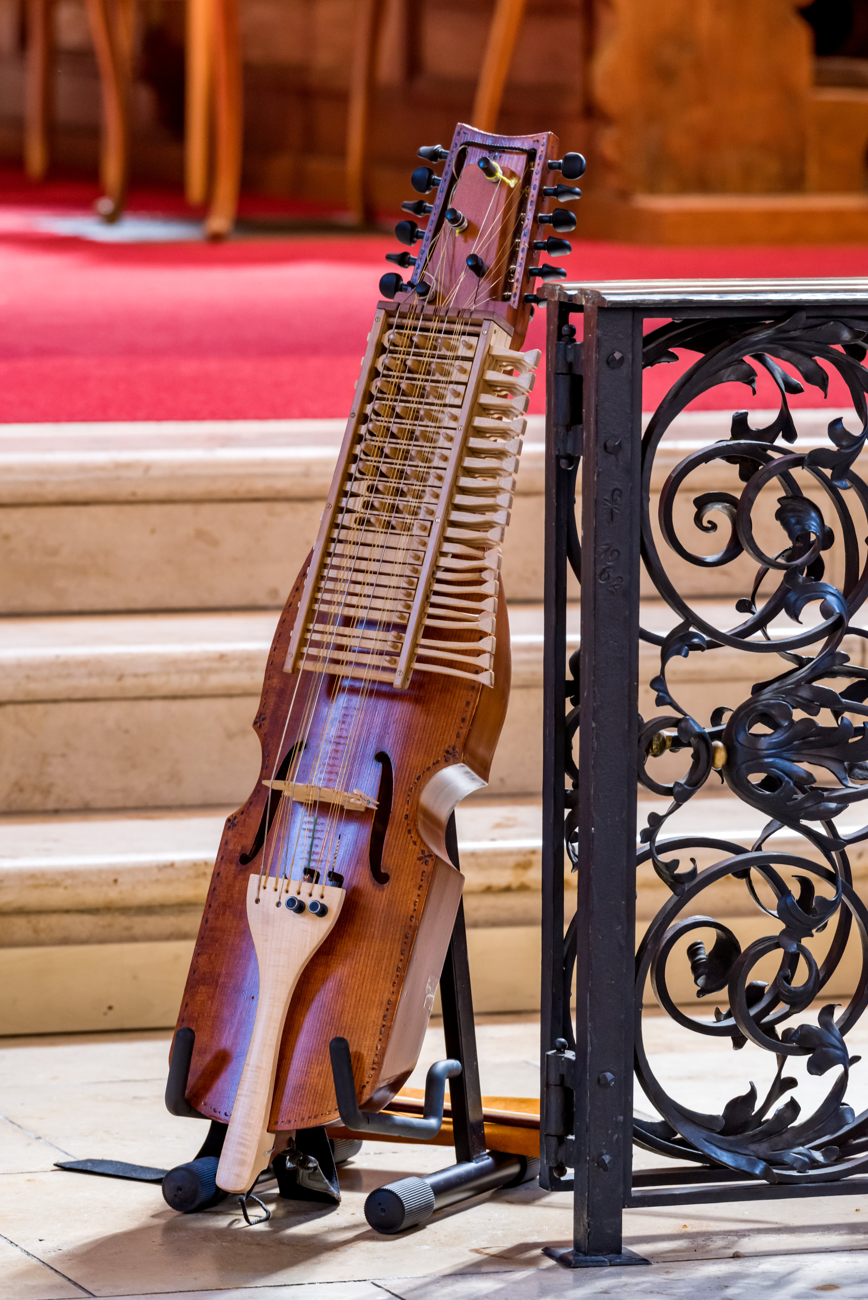


Building a Nyckelharpa — The Swedish Keyed Fiddle
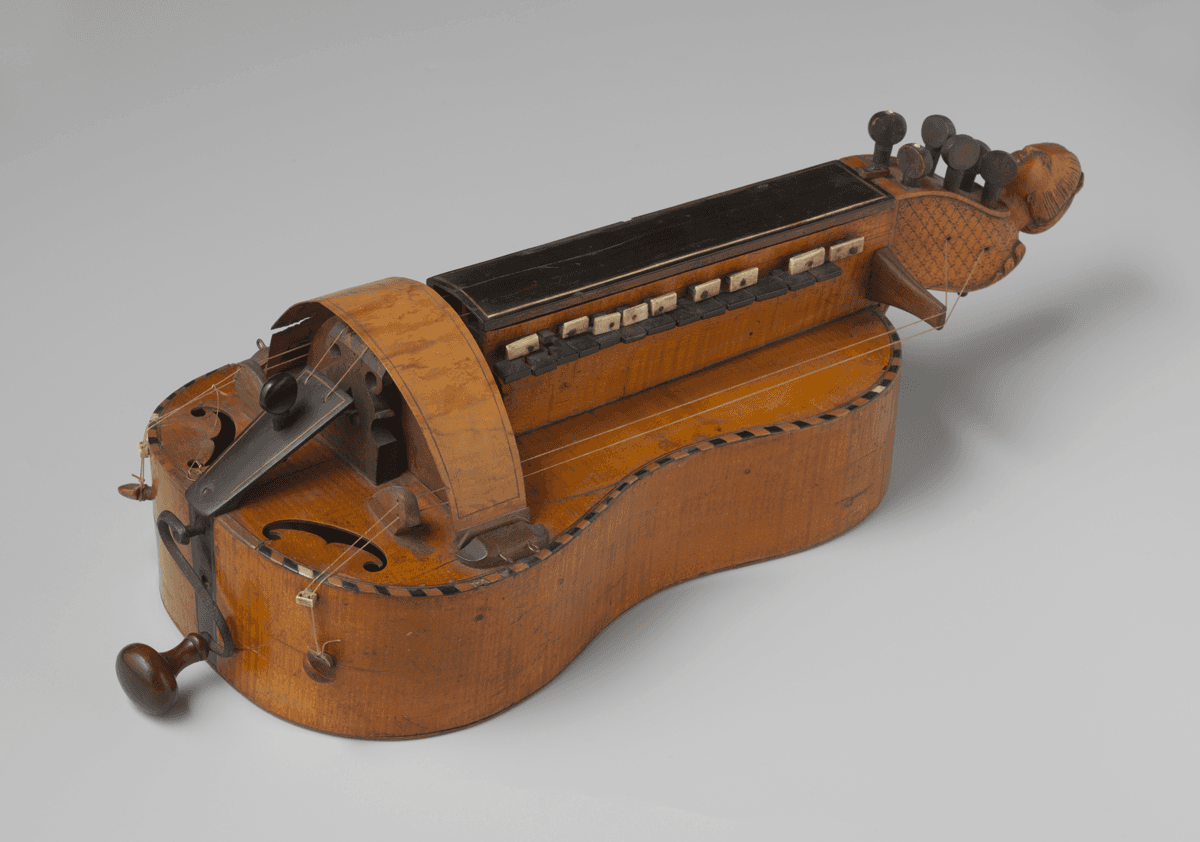
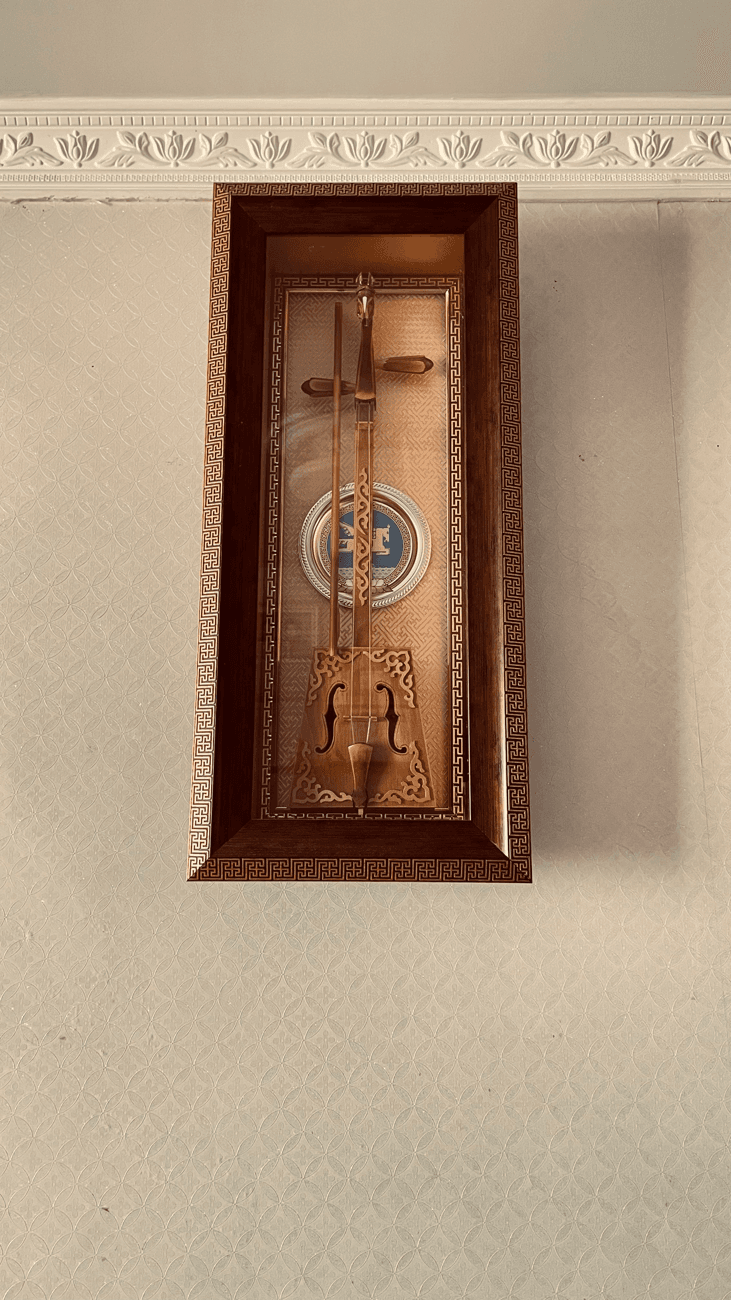
Build a nyckelharpa: a bowed Swedish fiddle played not with fingers on a fingerboard but with a row of wooden KEYS whose tangents press the string to each note. It also carries sympathetic strings that ring on their own. A serious maker build in the bowed string, the tangent keyboard and sympathetic resonance.
Àárín
Several hours over several sessions
Ìlànà
1
1
A fiddle with a keyboard
A fiddle with a keyboard
The nyckelharpa is a bowed Swedish fiddle, but instead of pressing the strings with your fingers you press wooden KEYS. Each key drives a little tangent against the string to make a note.
2
2
Build the soundbox
Build the soundbox
Build a long, hollow wooden body with a light soundboard on top. This box amplifies the bowed strings.
Àwọn ohun èlò fún ìgbésẹ̀ yìí:
 Pìláwọ́ọ̀dù Bíṣì Baltiki1 ẹyọ
 Pátákó Igi Rírọ̀ Gbígbẹ1 ẹyọ
 Ìdìpọ̀ Igi PVA1 ẹyọ
Àwọn irinṣẹ́ tí a nílò:
 Ayùn Irin
3
3
Fit the strings
Fit the strings
Stretch a melody string and one or two drone strings along the top, over a bridge, tuned with pegs.
Àwọn ohun èlò fún ìgbésẹ̀ yìí:
 Okùn Irin Orin 0.032 inch1 ẹyọ
 Ẹ̀kù Ìtúnṣe Okùn4 ẹyọ
Àwọn irinṣẹ́ tí a nílò:
 Ọ̀kọ̀ Ìlùhò
4
4
Add sympathetic strings
Add sympathetic strings
Under the melody string, run a set of thin strings you never touch — the SYMPATHETIC strings. Tuned to the scale, they ring on their own whenever their note is played, giving the halo of sound.
Àwọn ohun èlò fún ìgbésẹ̀ yìí:
Okùn Irin Orin 0.032 inch1 ẹyọ5
5
Build the key-box
Build the key-box
Build a box under the neck holding a row of sliding wooden keys, each carrying a small hardwood tangent.
Àwọn ohun èlò fún ìgbésẹ̀ yìí:
 Òpó Igi Dòwẹ̀lì1 ẹyọ
Àwọn irinṣẹ́ tí a nílò:
 Ọ̀bẹ Sìlóìdì
6
6
Set the tangents
Set the tangents
Position each key's tangent so that pressing the key from below stops the melody string at the next note of the scale — a keyboard of frets you push up into the string.
7
7
Make the bow
Make the bow
String a short springy stick with horsehair to make a bow, and rub it with pine rosin.
Àwọn ohun èlò fún ìgbésẹ̀ yìí:
 Ẹ̀ka tí ó tẹ̀ (ọrun)1 ẹyọ
 Irun ọrun-ìtẹ̀ (irun ẹṣin)1 ẹyọ
8
8
Bow and key
Bow and key
Hold the harpa across your body on a strap, bow the strings with one hand, and press the keys with the other. The keys pick out the tune while the drones and sympathetic strings shimmer beneath.
9
9
Compendium — bowing through a keyboard
Compendium — bowing through a keyboard
The nyckelharpa joins two ideas. First it is a bowed instrument: drawing a rosined bow across a string sets it into steady stick-slip vibration, the same Helmholtz motion as the erhu or violin, so the note sings on as long as you bow. Second, it is stopped by a KEYBOARD rather than by fingers: each key carries a tangent, a little hard ridge that pushes against the string to shorten its speaking length to a fixed note, exactly as a fret does — the same mechanism that fingers the melody on a hurdy-gurdy, but here you bow by hand instead of turning a wheel. What gives the nyckelharpa its glittering, cathedral-like tone is a third set of strings, the SYMPATHETIC strings, stretched under the melody string and never touched: each is tuned to a note of the scale, and whenever that note sounds on the bowed string, the matching sympathetic string is shaken into vibration by resonance and rings along on its own, wrapping every note in a soft halo — the same resonance trick used by the Indian sitar and sarangi. Played in Sweden since the Middle Ages and pictured on medieval church walls, the nyckelharpa is a cousin of the hurdy-gurdy (its keyed neighbour) and of the whole bowed-string family.
Àwọn ohun-èlò
8- Àyè
- Àyè
- 1 ẹyọÀyè
- Àyè
- 4 ẹyọÀyè
- 1 ẹyọÀyè
- 1 ẹyọÀyè
- Àyè
Àwọn irinṣẹ́ tó nílò
3- Àyè
- Àyè
- Àyè
Blueprint tó jọra
Àwọn blueprint wọ̀nyí pín ìmọ̀ — ọ̀nà, ohun-èlò tàbí ìlànà
CC0 Àgbègbè Gbogbogbò
Blueprint yìí ti jáde lábẹ́ CC0. O lè ṣe àdàkọ, yí padà, pín, àti lò láìsí ìyọ̀ǹda.
Ṣàtìlẹ́yìn Olùṣẹ́dá nípa rírà àwọn ọjà nipasẹ̀ Blueprint wọn Ẹ̀san Olùṣẹ́dá tí àwọn Olùtajà gbé kalẹ̀, tàbí ṣẹ̀dá àtúnṣe tuntun ti Blueprint yìí kí o sì fi sínú Blueprint rẹ gẹ́gẹ́ bí ìsopọ̀ láti pín owó-wíwọlé.