IṢẸ́ ỌNÀ
ẸWÀ ÀTI ÌLERA
IṢẸ́ ỌWỌ́
ÀṢÀ ÀTI ÌTÀN
ÌṢERÉ
ÀYÍKÁ
OÚNJẸ ÀTI OHUN MÍMU
REVERSE ENGINEERING
SÁYẸ́ǸSÌ
ERÉ ÌDÁRAYÁ
ÌMỌ̀-Ẹ̀RỌ
ÀWỌN OHUN WÍWỌ̀


Plastic Syringe Set: Moulded Barrel and a Soft Polyethylene Piston
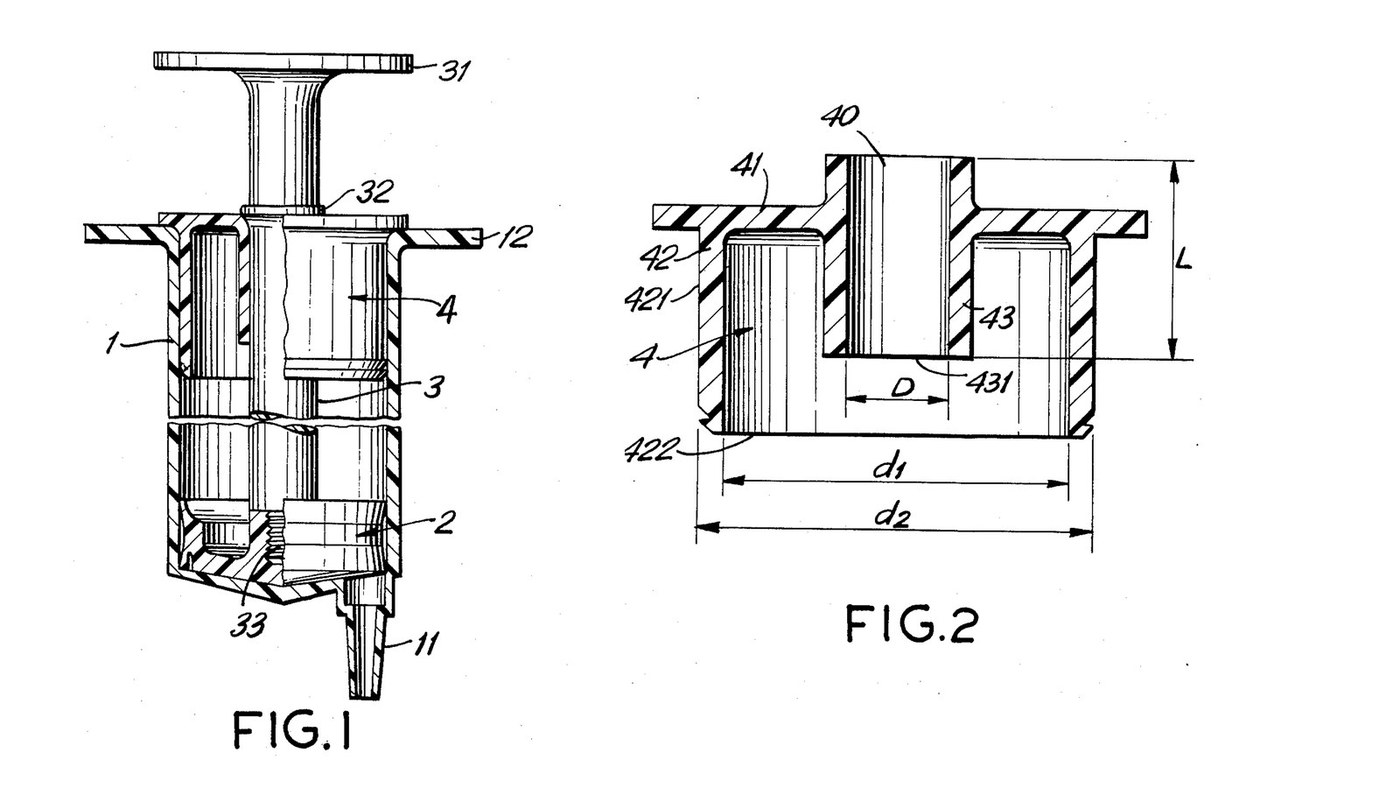
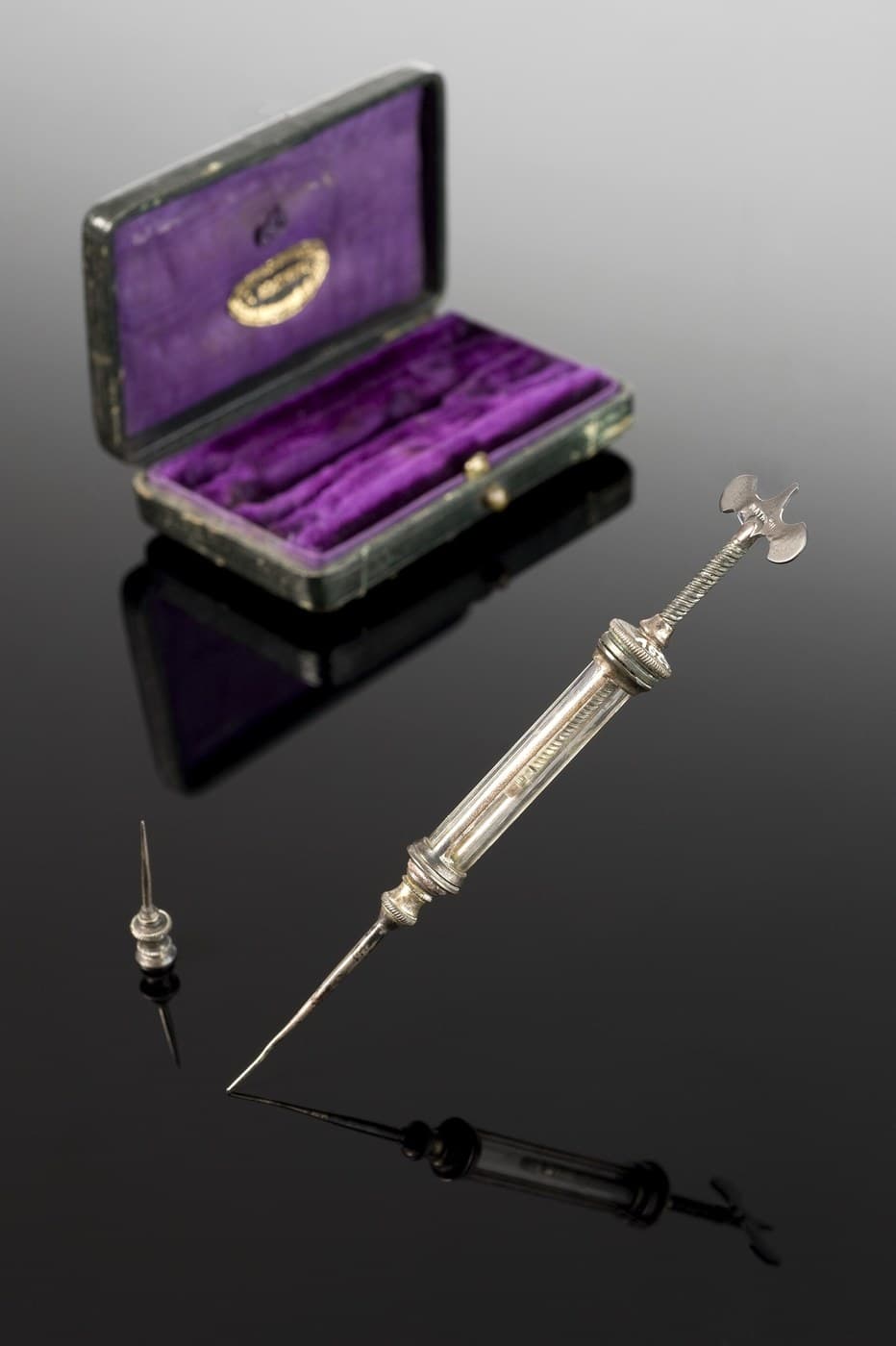
Four moulded parts make a plastic syringe with no rubber seal and no grease: a stiff barrel with a taper nozzle, a bell-shaped piston whose thin polyethylene lips seal against the wall, a slim plunger shaft, and a cap whose long sleeve guides the shaft so it cannot bend and tilt the piston (Adorján & Dávid, US 4,704,105, 1987). Mould one set of moulds per size for a set of syringes for hydraulic models.
The piston figures are the patent's. Polypropylene, LDPE, the sizes and the mould making are ours. Not for medical use. The picture: Figs. 1-2.
Ilọsíwájú
3 days (moulds) + 1 hour per batch
Ìlànà
1
1
The moulding process
The moulding process
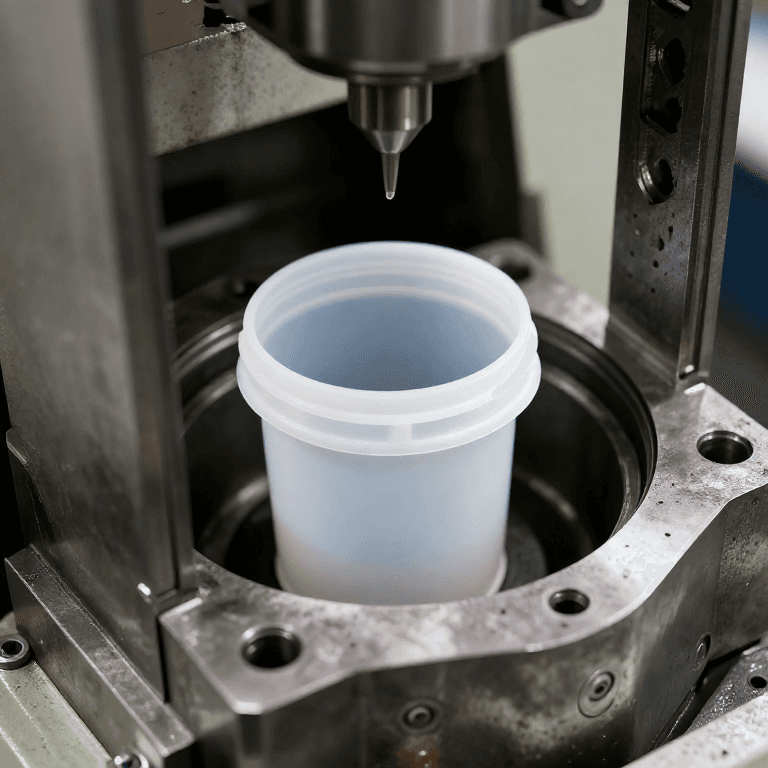
Drying, mould, injection, cooling and inspection all follow this blueprint. The steps below add only what the syringe needs.
2
2
Mill the barrel mould
Mill the barrel mould
Mill a two-plate mould for the barrel (1): a stiff-walled tube closed at one end by a nozzle (11) with a standard needle taper (ours: the Luer taper), and two finger grips (12) at the open end. One mould per syringe size you want, for example 5, 50 and 60 ml (ours).
Àwọn irinṣẹ́ tí a nílò:
 Ẹ̀rọ Ìgégé Irin
 Ìdìpọ̀ aluminium fún ìdí ìtú (pẹpẹ 2)
 Férémù ìdìpọ̀ ìfipa
3
3
Mill the piston mould
Mill the piston mould
The piston (2) is a bell: a rim 5-7 mm high whose two edges flare out into lips 0.3-0.5 mm thick, a front groove 0.3-0.5 mm wide and 2-2.5 mm deep, and a central shank. The lips must come out 0.2-0.6 mm wider than the barrel bore; the rim between them no wider than the bore.
Àwọn irinṣẹ́ tí a nílò:
Ẹ̀rọ Ìgégé IrinÌdìpọ̀ aluminium fún ìdí ìtú (pẹpẹ 2)Férémù ìdìpọ̀ ìfipa Òṣùwọ̀n Kálípà Díjítà Ìnṣì 6
4
4
Mill the shaft and cap moulds
Mill the shaft and cap moulds
Shaft (3): thumb rest (31), a bead (32) and an end projection (33) a little larger than the piston's bore. Cap (4): a disc with an outer collar (42) that force-fits the barrel and an inner sleeve (43) at least as long as the shaft is thick.
Àwọn irinṣẹ́ tí a nílò:
Ẹ̀rọ Ìgégé IrinÌdìpọ̀ aluminium fún ìdí ìtú (pẹpẹ 2)Férémù ìdìpọ̀ ìfipa5
5
Mould the barrels
Mould the barrels
Mould the barrels from virgin plastic. The patent asks only for a rigid plastic; ours: polypropylene.
Àwọn ohun èlò fún ìgbésẹ̀ yìí:
 Àwọn kóró polypropylene1 batch
Àwọn irinṣẹ́ tí a nílò:
 Ẹ̀rọ ìgbẹ kóró
 Ẹ̀rọ ìtẹ̀ ṣíṣu
6
6
Mould the pistons
Mould the pistons
Mould the pistons from virgin polyethylene, which the patent wants at 65-90 degrees Shore (scale not stated). Ours: LDPE; check your grade's data sheet.
Àwọn ohun èlò fún ìgbésẹ̀ yìí:
 Àwọn kóró LDPE1 batch
Àwọn irinṣẹ́ tí a nílò:
Ẹ̀rọ ìgbẹ kóróẸ̀rọ ìtẹ̀ ṣíṣu7
7
Mould the shafts and caps
Mould the shafts and caps
Mould shafts and caps. These may be reprocessed plastic, as they never touch the liquid. Ours: polypropylene.
Àwọn ohun èlò fún ìgbésẹ̀ yìí:
Àwọn kóró polypropylene1 batchÀwọn irinṣẹ́ tí a nílò:
Ẹ̀rọ ìtẹ̀ ṣíṣu8
8
Check the lip size
Check the lip size
Measure the barrel bore and a piston's lips. The lips must be 0.2-0.6 mm wider than the bore. Adjust the mould if not.
Àwọn irinṣẹ́ tí a nílò:
Òṣùwọ̀n Kálípà Díjítà Ìnṣì 69
9
Snap the shaft into the piston
Snap the shaft into the piston
Push the shaft's projection through the small bore at the back of the piston until it snaps into the wider cavity behind it.
10
10
Assemble
Assemble
Push the piston into the barrel. Thread the shaft through the cap's sleeve and force the cap's outer collar into the open end of the barrel. Its end face now stops the piston when you draw it fully back.
11
11
Lock the cap
Lock the cap
Press two dents, opposite each other, through the barrel wall into the cap collar with a hot tool so the cap cannot pull out. Ours: a soldering iron tip.
Àwọn irinṣẹ́ tí a nílò:
 Irin Sọ́ldà Oníná Mànàmáná
12
12
Test the seal
Test the seal
Draw water and push it out, along the whole stroke, with no grease. It should move smoothly from the start and not leak past the lips. Note the size and file it into your set.
Àwọn irinṣẹ́ tí a nílò:
 Omi
 Ago Gílásì
Àwọn ohun-èlò
2- 1 batchÀyè
- 1 batchÀyè
Ìtọ́nisọ́nà yìí ń ṣe


Blueprint tó jọra
Àwọn blueprint wọ̀nyí pín ìmọ̀ — ọ̀nà, ohun-èlò tàbí ìlànà
CC0 Àgbègbè Gbogbogbò
Blueprint yìí ti jáde lábẹ́ CC0. O lè ṣe àdàkọ, yí padà, pín, àti lò láìsí ìyọ̀ǹda.
Ṣàtìlẹ́yìn Olùṣẹ́dá nípa rírà àwọn ọjà nipasẹ̀ Blueprint wọn Ẹ̀san Olùṣẹ́dá tí àwọn Olùtajà gbé kalẹ̀, tàbí ṣẹ̀dá àtúnṣe tuntun ti Blueprint yìí kí o sì fi sínú Blueprint rẹ gẹ́gẹ́ bí ìsopọ̀ láti pín owó-wíwọlé.