IṢẸ́ ỌNÀ
ẸWÀ ÀTI ÌLERA
IṢẸ́ ỌWỌ́
ÀṢÀ ÀTI ÌTÀN
ÌṢERÉ
ÀYÍKÁ
OÚNJẸ ÀTI OHUN MÍMU
REVERSE ENGINEERING
SÁYẸ́ǸSÌ
ERÉ ÌDÁRAYÁ
ÌMỌ̀-Ẹ̀RỌ
ÀWỌN OHUN WÍWỌ̀
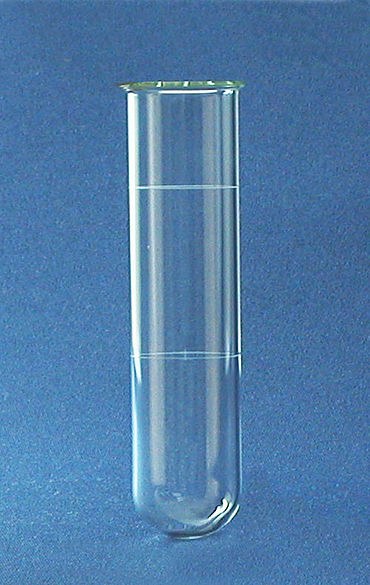


Test Tubes Made from Glass Tubing
Glass tubing is drawn continuously from molten glass and cut into lengths of about 1.5 m. A test tube is made from a length of it in the flame: turned until it softens, pulled apart to close one end, the closed end blown gently into a round bottom, and the open end heated and flared with a turnpin into a flange, which finishes the edge neatly and strengthens it so a cork can be pushed in without breaking it. Hard Bohemian glass was the usual test-tube glass in 1910.
Àárín
Minutes per tube
Ìlànà
1
1
Heat and pull
Heat and pull
Heat a length of tubing while turning it until the glass runs together, then draw the two pieces apart.
Àwọn ohun èlò fún ìgbésẹ̀ yìí:
 Àkójọpọ̀ Páìpù Gíláàsì1 ẹyọ
Àwọn irinṣẹ́ tí a nílò:
 Ọ̀gọ̀ Bunsen
2
2
Round the bottom
Round the bottom
Reheat the closed end and blow gently to make it round.
Àwọn irinṣẹ́ tí a nílò:
Ọ̀gọ̀ Bunsen3
3
Flange the mouth
Flange the mouth
Heat the open end and turn it out with a turnpin into a flange.
Àwọn irinṣẹ́ tí a nílò:
Ọ̀gọ̀ Bunsen Irinṣẹ́ ìfẹ̀ ẹnu páìpù dígí
Àwọn ohun-èlò
1- Àyè
Àwọn irinṣẹ́ tó nílò
2- Àyè
Ìtọ́nisọ́nà yìí ń ṣe
CC0 Àgbègbè Gbogbogbò
Blueprint yìí ti jáde lábẹ́ CC0. O lè ṣe àdàkọ, yí padà, pín, àti lò láìsí ìyọ̀ǹda.
Ṣàtìlẹ́yìn Olùṣẹ́dá nípa rírà àwọn ọjà nipasẹ̀ Blueprint wọn Ẹ̀san Olùṣẹ́dá tí àwọn Olùtajà gbé kalẹ̀, tàbí ṣẹ̀dá àtúnṣe tuntun ti Blueprint yìí kí o sì fi sínú Blueprint rẹ gẹ́gẹ́ bí ìsopọ̀ láti pín owó-wíwọlé.