IṢẸ́ ỌNÀ
ẸWÀ ÀTI ÌLERA
IṢẸ́ ỌWỌ́
ÀṢÀ ÀTI ÌTÀN
ÌṢERÉ
ÀYÍKÁ
OÚNJẸ ÀTI OHUN MÍMU
REVERSE ENGINEERING
SÁYẸ́ǸSÌ
ERÉ ÌDÁRAYÁ
ÌMỌ̀-Ẹ̀RỌ
ÀWỌN OHUN WÍWỌ̀



The Adjustable Window Screen: Two Frames That Slide to Fit
A window screen lets air in and keeps insects out, and it only works if it fills the opening. Windows come in many widths.
Daniel N. Hurlbut of Chicago received US 99,197, dated 25 January 1870, for an adjustable window-screen made "in two parts, each part consisting of two frames, A and B, each being covered with wire gauze, or any suitable screen-cloth", arranged "to admit of one frame sliding over the other, to adapt the width of the screen to the widths of different windows."
This rung computes how mesh size trades insects stopped against air let through, then measures a screen and the airflow through a window with and without it.
Olùbẹ̀rẹ̀
About 2 hours
Ìlànà
1
1
Mesh, holes and open area
Mesh, holes and open area
Ń ṣí ìwé Jupyter…
2
2
The window the screen fits
The window the screen fits
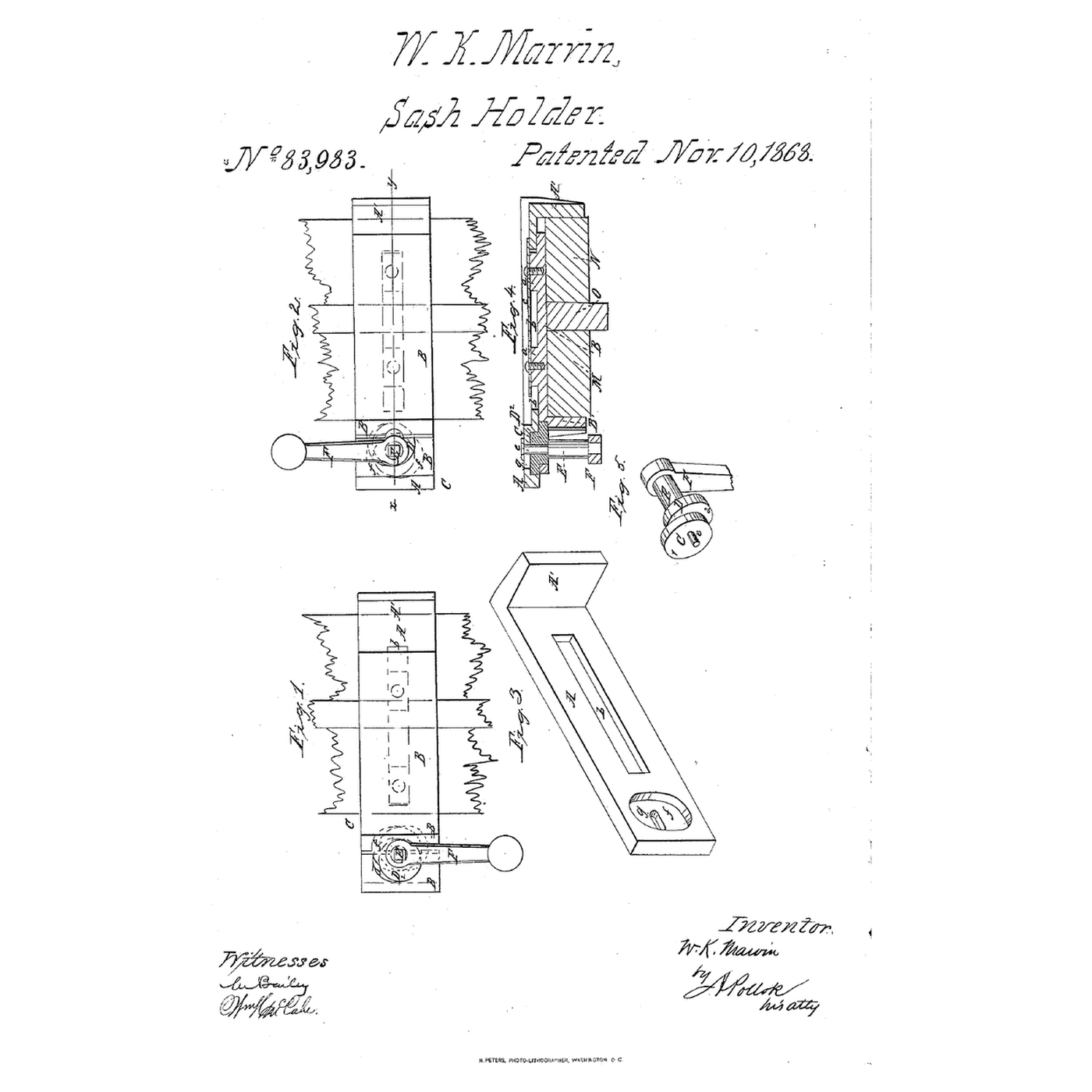
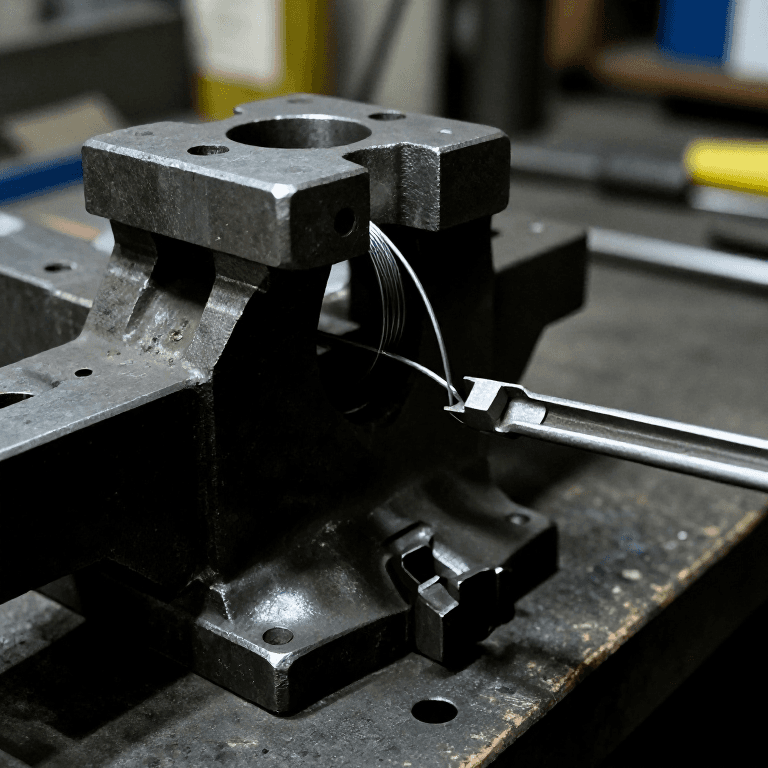
The embedded blueprint is an 1868 sash fastener; the screen sits in the same sash opening.
3
3
Read US 99,197
Read US 99,197
"I construct the window-screen in two parts, each part consisting of two frames, A and B, each being covered with wire gauze, or any suitable screen-cloth." Metal strips on frame A form a guide for frame B: "The object of this construction is to admit of one frame sliding over the other, to adapt the width of the screen to the widths of different windows."
An adjustable cross-piece is "intended to be always kept in said frame, directly over the end piece H of the frame B, so that there may be no space between the end piece H of the frame B through which insects can pass."
In his earlier patent the cross-piece ran in grooves on tenons, and it stuck or fell out. Now "The spring causes the cross-piece to adapt itself to the variations in the sizes of the frames, and move readily to the position desired."
4
4
Measure a screen and the air it lets in
Measure a screen and the air it lets in
Lay a ruler on the screen mesh and count the wires in 25 mm under the loupe; that is the mesh count per inch. Measure the wire with the caliper. Put both into the notebook to get the hole size and the open fraction.
On a breezy day, hold the anemometer in the middle of an open window and read the air speed, then set the screen in the opening and read it again at the same spot. Compare the drop with the open fraction.
Àwọn ohun èlò fún ìgbésẹ̀ yìí:
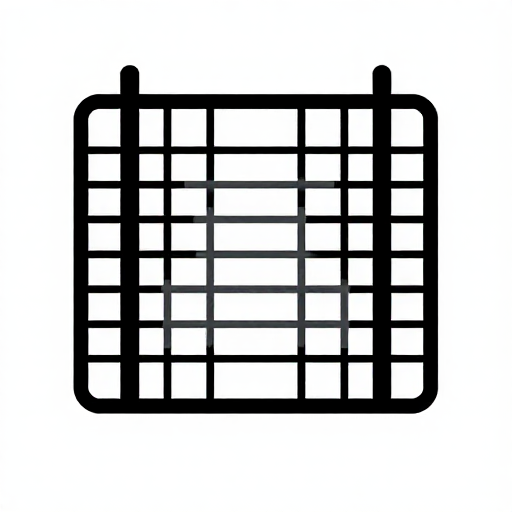 Àwọ̀n okùn irin1 ẹyọ
Àwọn irinṣẹ́ tí a nílò:
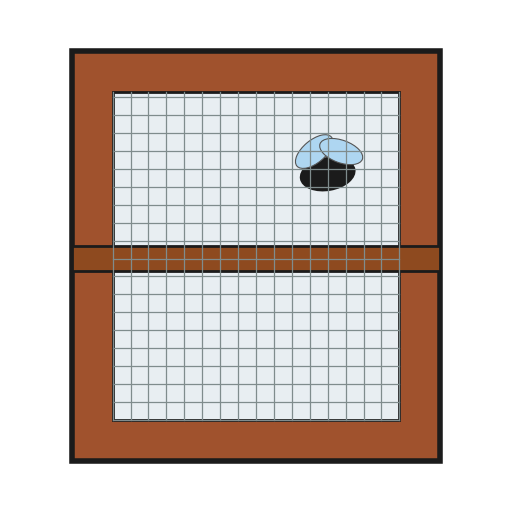 Àwọ̀n fèrèsé
 Ìdíwọ̀n
 Lúpù Ìgbéga
 Òṣùwọ̀n Kálípà Díjítà Ìnṣì 6
 Òǹwọ̀n atẹ́gùn olówọ́
5
5
A screen that lets insects in or bulges
A screen that lets insects in or bulges
Window screen troubleshooting.
Flow
Loading...
6
6
History and honest limits
History and honest limits
**Daniel N. Hurlbut** of Chicago received US 99,197, dated 25 January 1870. It improves on his own screen patented on 1 June 1869; his claims are the spring behind the cross-piece and the lipped guide strips.
**Honest limits.** Open area is only a first guide to airflow; the wires also add drag. The insect sizes are examples, and insects squeeze through smaller gaps than their resting width. Your anemometer readings are the measurement.
Àwọn ohun-èlò
1- 1 ẹyọÀyè
Àwọn irinṣẹ́ tó nílò
5- Àyè
- Àyè
- Àyè
Blueprint tó jọra
Àwọn blueprint wọ̀nyí pín ìmọ̀ — ọ̀nà, ohun-èlò tàbí ìlànà

CC0 Àgbègbè Gbogbogbò
Blueprint yìí ti jáde lábẹ́ CC0. O lè ṣe àdàkọ, yí padà, pín, àti lò láìsí ìyọ̀ǹda.
Ṣàtìlẹ́yìn Olùṣẹ́dá nípa rírà àwọn ọjà nipasẹ̀ Blueprint wọn Ẹ̀san Olùṣẹ́dá tí àwọn Olùtajà gbé kalẹ̀, tàbí ṣẹ̀dá àtúnṣe tuntun ti Blueprint yìí kí o sì fi sínú Blueprint rẹ gẹ́gẹ́ bí ìsopọ̀ láti pín owó-wíwọlé.