IṢẸ́ ỌNÀ
ẸWÀ ÀTI ÌLERA
IṢẸ́ ỌWỌ́
ÀṢÀ ÀTI ÌTÀN
ÌṢERÉ
ÀYÍKÁ
OÚNJẸ ÀTI OHUN MÍMU
REVERSE ENGINEERING
SÁYẸ́ǸSÌ
ERÉ ÌDÁRAYÁ
ÌMỌ̀-Ẹ̀RỌ
ÀWỌN OHUN WÍWỌ̀
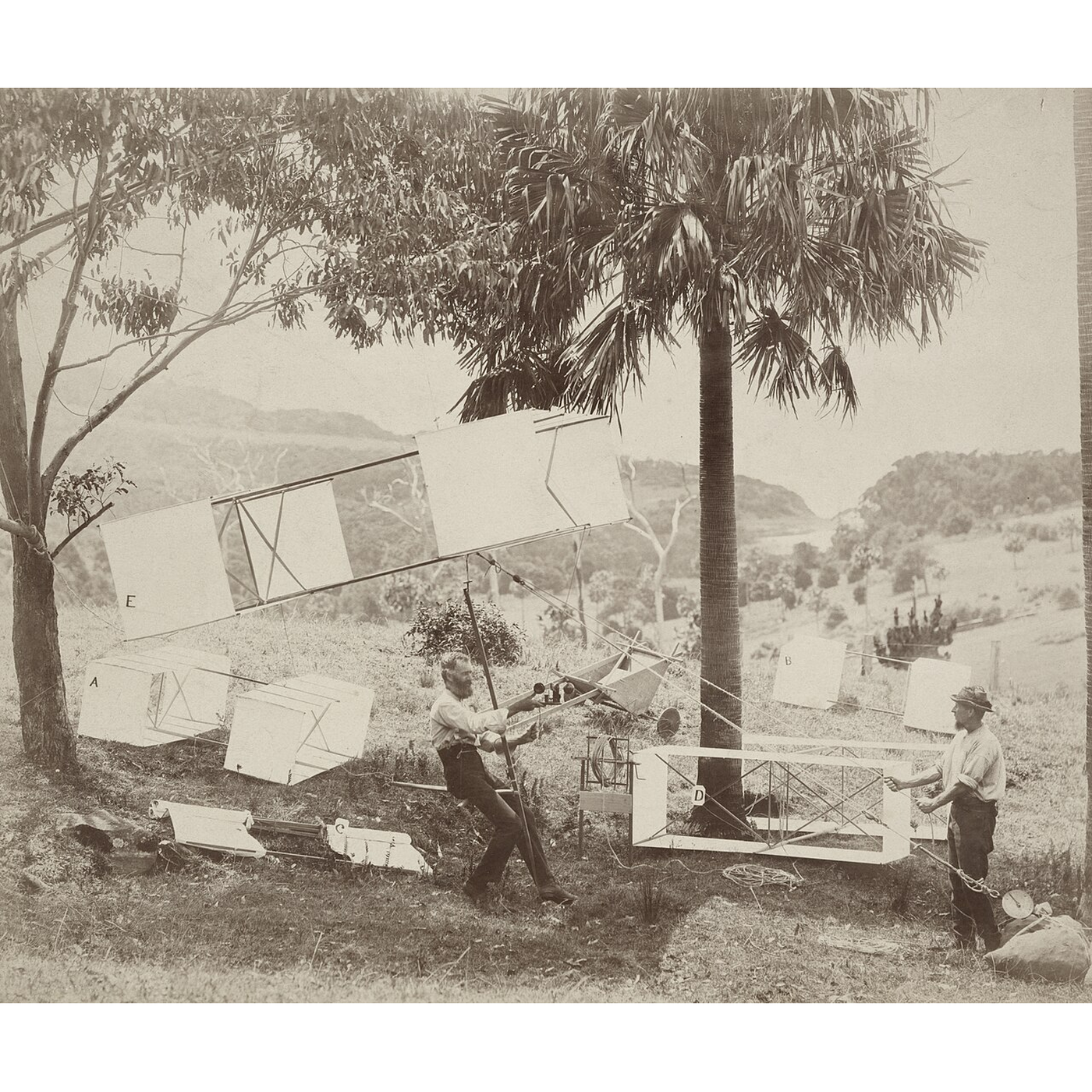


The Box Kite: Two Cells of Cloth That Hold Themselves Steady
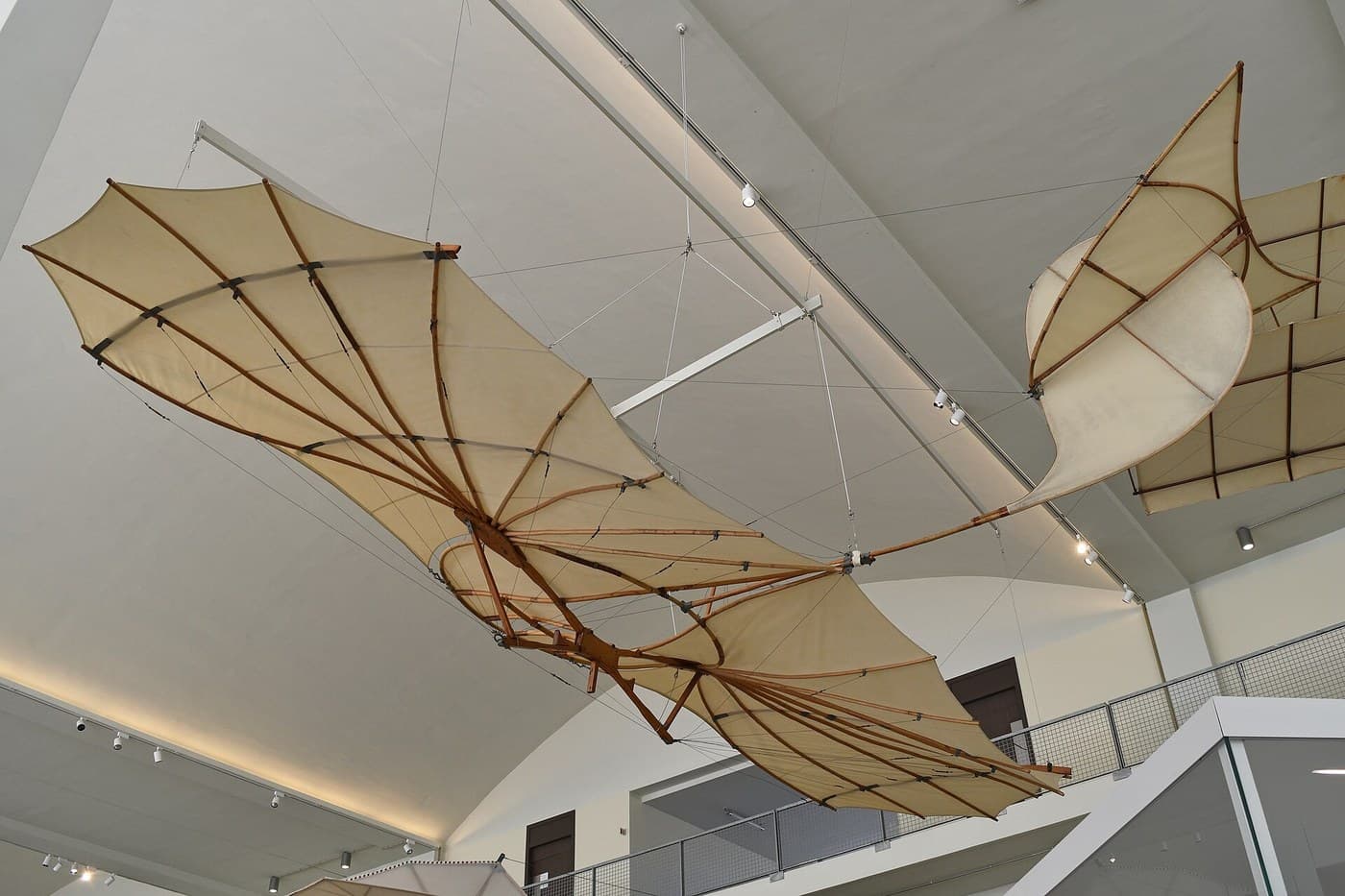
Flat kites need a tail to stay steady and fly only in a narrow range of wind. Lawrence Hargrave, an English-born engineer working in Sydney on the problem of flight, built kites of two open boxes of cloth on a light frame in 1893. The horizontal faces lift, the vertical faces keep the kite facing the wind like a weathervane, and it flies steady without a tail.
On 12 November 1894, at Stanwell Park beach, he lifted himself off the ground under a train of four box kites. He published his work freely and took out no patents, believing discoveries should be shared. The box-kite cell shaped the early biplanes.
This rung works out a box kite's lift and the wind it needs, and builds one.
Olùbẹ̀rẹ̀
About 4 hours
Ìlànà
1
1
Lift, weight and the wind it needs
Lift, weight and the wind it needs
Ń ṣí ìwé Jupyter…
2
2
Where lift was first measured
Where lift was first measured
Cayley measured the lift of inclined surfaces on a whirling arm. The embedded blueprint repeats it; a kite is the same surface held on a line.
3
3
Build a Hargrave box kite
Build a Hargrave box kite
Cut four 900 mm pine dowels as longerons and eight 400 mm dowels as cross-spars. Sew two bands of ripstop nylon, each 1600 mm round and 300 mm wide, with a pocket at each corner for a longeron: these are the two cells, set 300 mm apart on the longerons.
Slide the longerons into the corner pockets so the bands form two square tubes. Fit two pairs of cross-spars inside each cell, diagonally, notched at the ends to grip the longerons and tension the cloth.
Tie a bridle to one longeron at the front of the front cell and the front of the rear cell, and tie the flying line to it about a third of the way back from the front. Fly it in open ground well away from power lines and roads.
Àwọn ohun èlò fún ìgbésẹ̀ yìí:
 Ìdìpọ̀ ọ̀pá igi pine1 ẹyọ
 Nailọ́nù ripstop1 ẹyọ
 Okùn Òwú Ilé-ìdáná1 ẹyọ
 Okùn ìpẹja (okùn kan ṣoṣo)1 ẹyọ
Àwọn irinṣẹ́ tí a nílò:
 Ẹ̀rọ ìránṣọ
 Ìdíwọ̀n
 Okùn Ìdíwọ̀n
 Ìbọn ìlẹ̀mọ́ gbígbóná
4
4
Measure the line pull against the wind
Measure the line pull against the wind
Tie a spring scale into the line near the ground anchor and read the pull at steady flight. At the same time measure the wind speed at head height with a handheld anemometer. Repeat on several days.
Plot line pull against wind speed squared: roughly a straight line, as lift goes with $v^2$. Fit it and work out your kite's $C_L$ from the notebook's formula, using the area of its horizontal faces.
Àwọn irinṣẹ́ tí a nílò:
 Òǹwọ̀n atẹ́gùn olówọ́
 Ẹ̀rọ Ìwọ̀n Agbára (Òṣùwọ̀n Ìsúnkì)
 Aago Ìdúró
5
5
A box kite that will not fly well
A box kite that will not fly well
Box kite problems.
Flow
Loading...
6
6
History and honest limits
History and honest limits
**Lawrence Hargrave** (1850–1915) developed the box kite in Sydney in 1893 and lifted himself under four of them at Stanwell Park on 12 November 1894. He shared his results openly and did not patent them. Early aircraft makers, including those building the first European biplanes, took up the box-kite cell.
**Honest limits.** The lift coefficient in the notebook is an illustrative value; your measurements give your kite's. Man-lifting kites are dangerous and are not something to try.
Àwọn ohun-èlò
4- 1 ẹyọÀyè
- 1 ẹyọÀyè
- 1 ẹyọÀyè
- Àyè
Àwọn irinṣẹ́ tó nílò
7- Àyè
- Àyè
- 1 vendor sell this, none ship to you yetÀyè
- Àyè
Blueprint tó jọra
Àwọn blueprint wọ̀nyí pín ìmọ̀ — ọ̀nà, ohun-èlò tàbí ìlànà
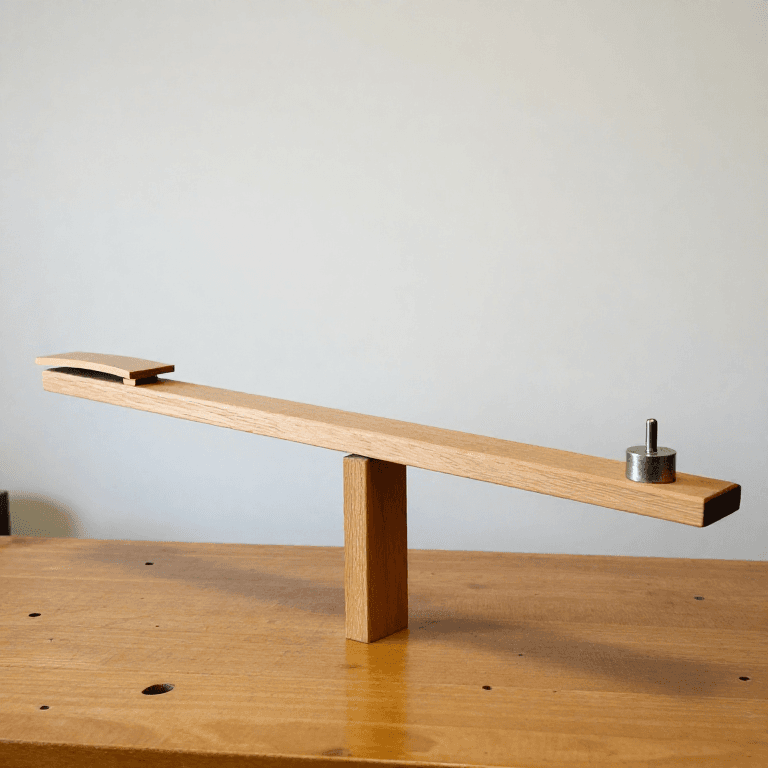


CC0 Àgbègbè Gbogbogbò
Blueprint yìí ti jáde lábẹ́ CC0. O lè ṣe àdàkọ, yí padà, pín, àti lò láìsí ìyọ̀ǹda.
Ṣàtìlẹ́yìn Olùṣẹ́dá nípa rírà àwọn ọjà nipasẹ̀ Blueprint wọn Ẹ̀san Olùṣẹ́dá tí àwọn Olùtajà gbé kalẹ̀, tàbí ṣẹ̀dá àtúnṣe tuntun ti Blueprint yìí kí o sì fi sínú Blueprint rẹ gẹ́gẹ́ bí ìsopọ̀ láti pín owó-wíwọlé.