IṢẸ́ ỌNÀ
ẸWÀ ÀTI ÌLERA
IṢẸ́ ỌWỌ́
ÀṢÀ ÀTI ÌTÀN
ÌṢERÉ
ÀYÍKÁ
OÚNJẸ ÀTI OHUN MÍMU
REVERSE ENGINEERING
SÁYẸ́ǸSÌ
ERÉ ÌDÁRAYÁ
ÌMỌ̀-Ẹ̀RỌ
ÀWỌN OHUN WÍWỌ̀
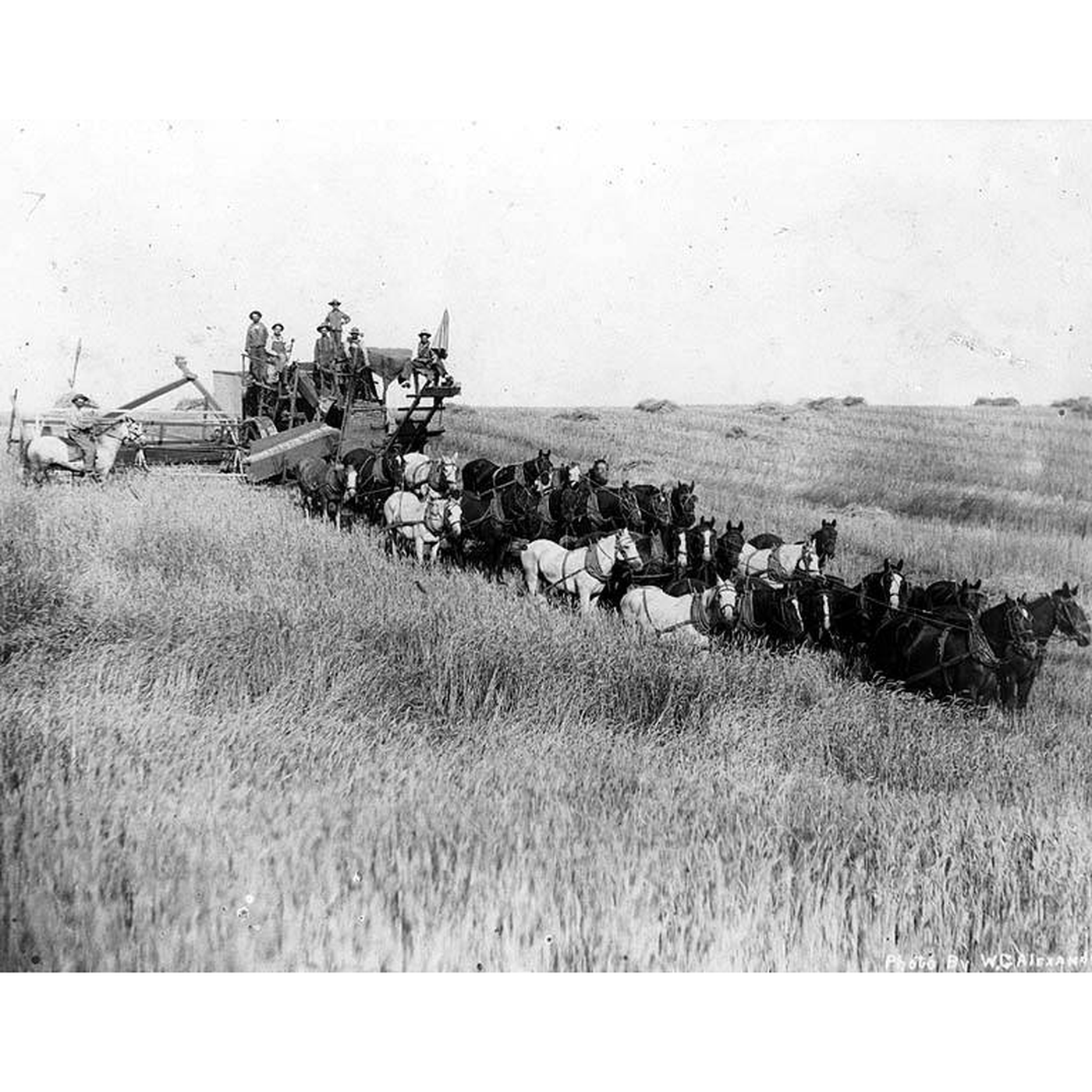

The Combine Harvester: Cut, Thresh, Separate and Clean in One Pass
Grain harvest was once a chain of separate jobs: cut with the reaper, bind and stook the sheaves, carry them to the threshing machine, winnow what it gave. The combine joins them: it cuts the standing crop, threshes the grain out, separates it from the straw, cleans off the chaff and carries the grain to a tank, while the straw goes out of the back.
Hiram Moore of Kalamazoo County, Michigan, backed by his neighbour John Hascall, built a working combined harvester in the mid-1830s and patented it in 1836. In California, Benjamin Holt's combines of 1886 drove their mechanisms by link belts rather than gears, so a jolt broke a belt instead of stripping a gear; the machine cut, threshed, cleaned and bagged the grain.
This rung works out the threshing impact and the air speed that cleans, and separates grain from straw and chaff with a fan on the bench.
Àárín
About 4 hours
Ìlànà
1
1
Threshing speed and cleaning air
Threshing speed and cleaning air
Ń ṣí ìwé Jupyter…
2
2
What happens to one handful of crop
What happens to one handful of crop
Ààyè Iṣẹ́ Blockly
Loading Blockly workspace...
3
3
Cleaning by air, before the combine
Cleaning by air, before the combine
The combine's cleaning shoe is a winnowing machine built in. The embedded blueprint shows the fan-and-riddle cleaner it descends from.
4
4
Separate grain from straw and chaff by air
Separate grain from straw and chaff by air
Mix 200 g of wheat berries with 20 g of chopped straw and 10 g of wheat bran, which stands in here for chaff (both are light, flat husk). Stand a variable-speed box fan on its back so it blows straight up, and fit a 300 mm cardboard chimney on top so the air rises evenly. Measure the air speed at the top of the chimney with the anemometer at each fan setting.
Hold a sieve over the chimney and trickle the mix slowly into the rising air from 200 mm above it. Catch what falls onto the sieve and what blows away on a sheet of paper downwind. Weigh each fraction at each fan speed.
Plot the percentage of grain lost and of chaff left against air speed. Find the band where the chaff goes and the grain stays, and compare it with the notebook's terminal velocities.
Àwọn ohun èlò fún ìgbésẹ̀ yìí:
 Hóró àlìkámà kíkún1 kilogram
 Koríko Gbígbẹ Gígé1 ẹyọ
 Èpò àlìkámà1 ẹyọ
 Àwọn Pẹlẹbẹ Káàdíbóòdù Onílọ́nà1 ẹyọ
Àwọn irinṣẹ́ tí a nílò:
 Àbẹ̀bẹ̀ àpótí (ìwọ̀n tí ó ń yípadà)
 Òǹwọ̀n atẹ́gùn olówọ́
 Òṣùwọ̀n Díjítà Ilé Ìdáná
 Ìṣẹ́ mesh 60
 Ìdíwọ̀n
5
5
A combine losing grain
A combine losing grain
Where the grain goes when it is not in the tank.
Flow
Loading...
6
6
History and honest limits
History and honest limits
**Hiram Moore** and **John Hascall** of Michigan built a combined harvester in the mid-1830s, patented in 1836; the Smithsonian holds Moore's papers. **Benjamin Holt**'s combine of 1886 used link belts instead of gears; Holt went on to build the crawler tractor. Horse-drawn combines needed large teams; tractor-drawn and then self-propelled combines made them a machine for every grain farm.
**Honest limits.** The notebook's particle masses and shapes are illustrative — real chaff, straw and grain vary widely, and the fan is set by watching losses, not by calculation. A combine is the most dangerous machine on many farms: never clear a blockage with the machine running.
Àwọn ohun-èlò
4- 1 kilogramÀyè
- 1 ẹyọÀyè
- 1 ẹyọÀyè
- Àyè
Àwọn irinṣẹ́ tó nílò
5- Àyè
- Àyè
Blueprint tó jọra
Àwọn blueprint wọ̀nyí pín ìmọ̀ — ọ̀nà, ohun-èlò tàbí ìlànà
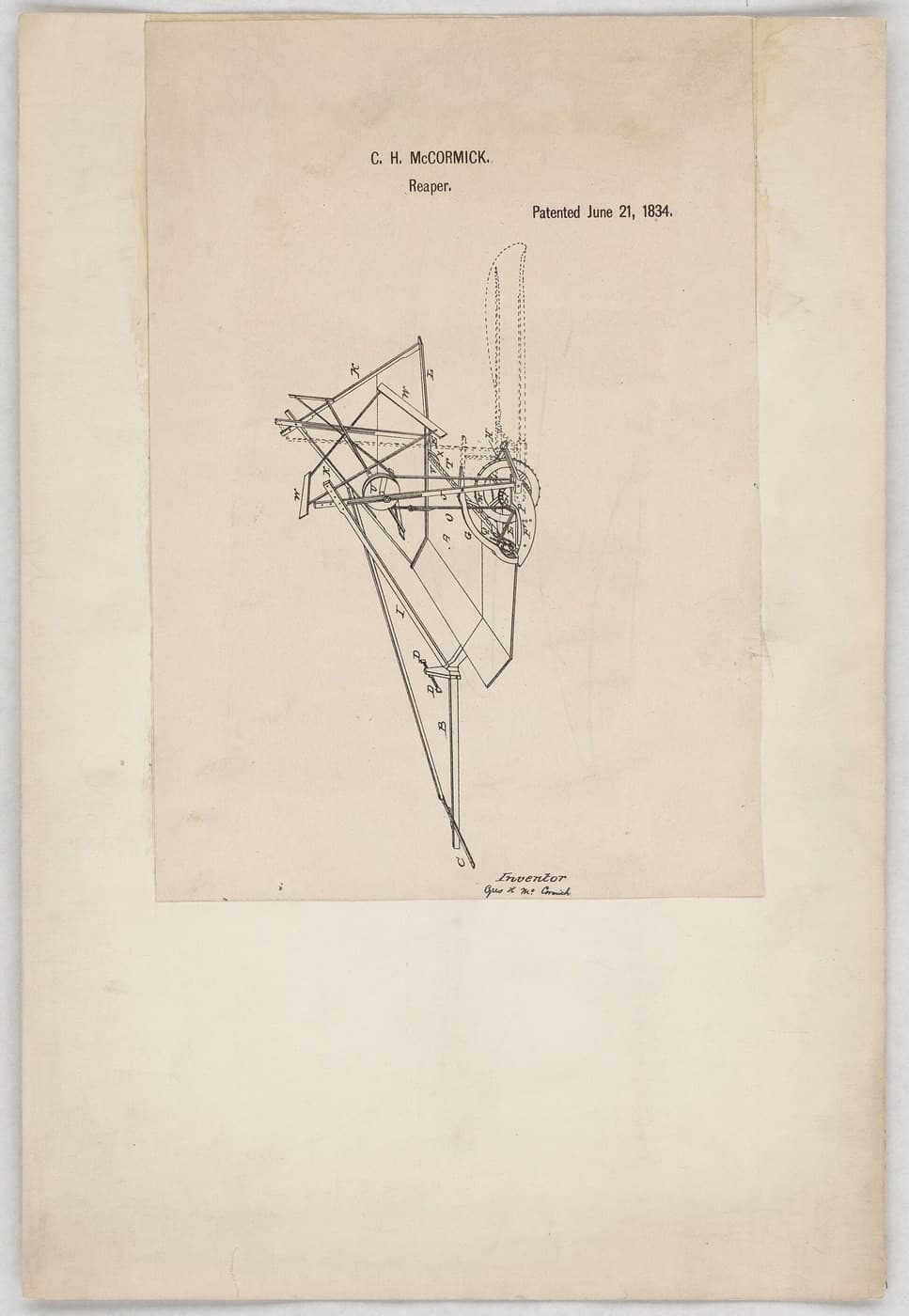
McCormick Reaper
láti ọwọ́ Martin
ÀYÍKÁ
42
0
0
0
0
0
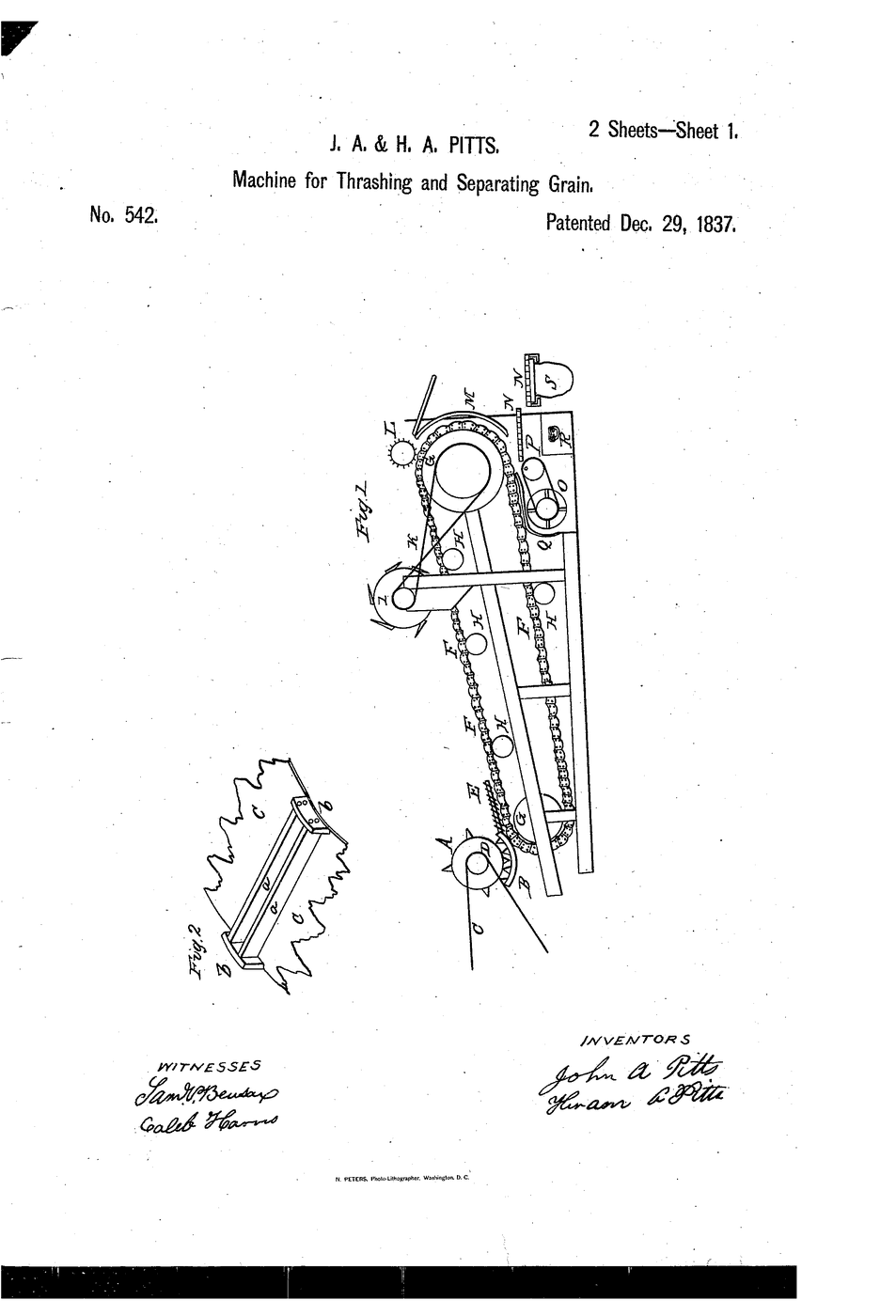
Threshing Machine
láti ọwọ́ Martin
Ìmọ̀ Ẹ̀rọ
29
0
0
0
0
0
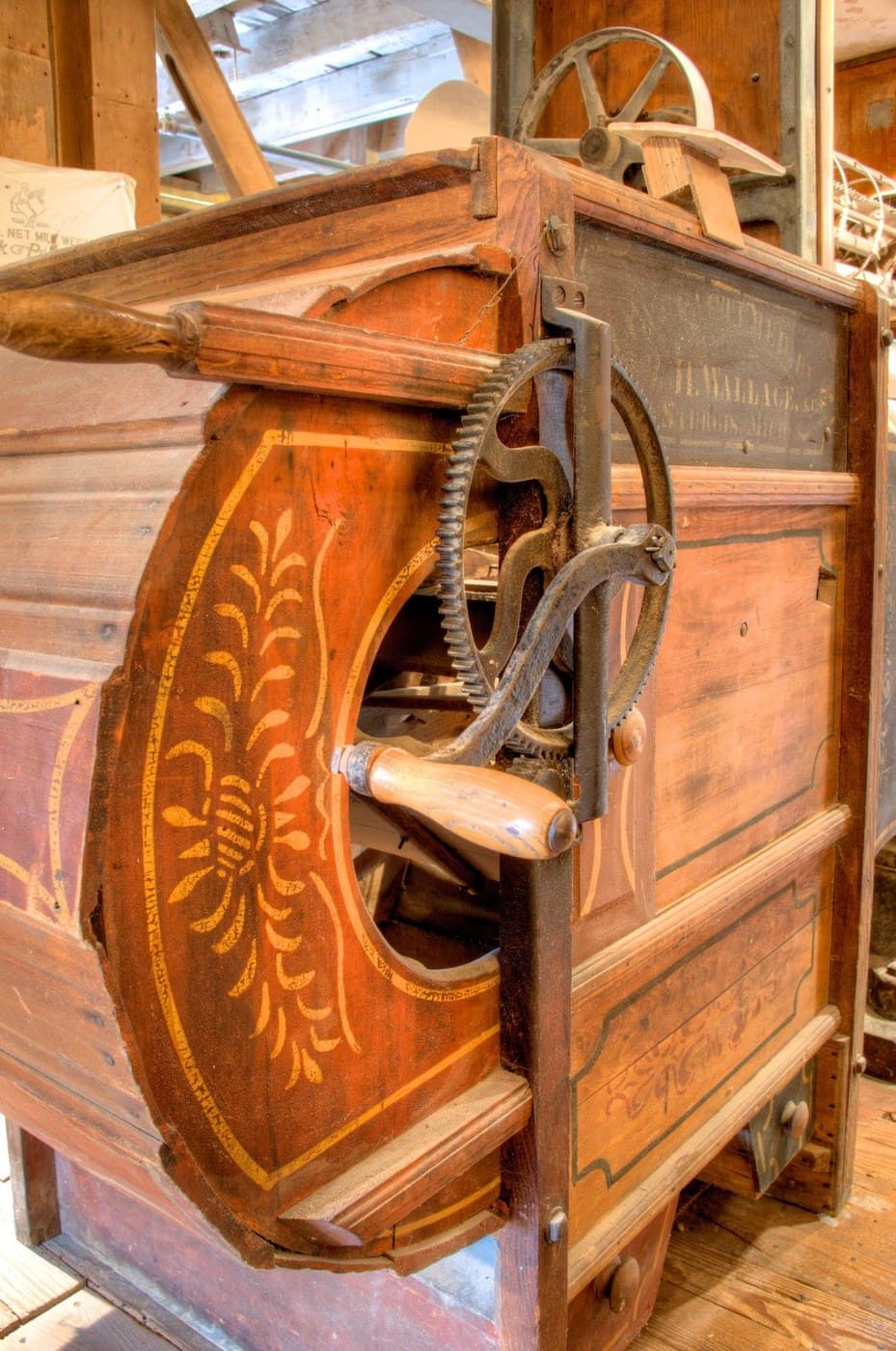
Winnowing Machine
láti ọwọ́ Karen
ÀYÍKÁ
46
0
0
0
0
0
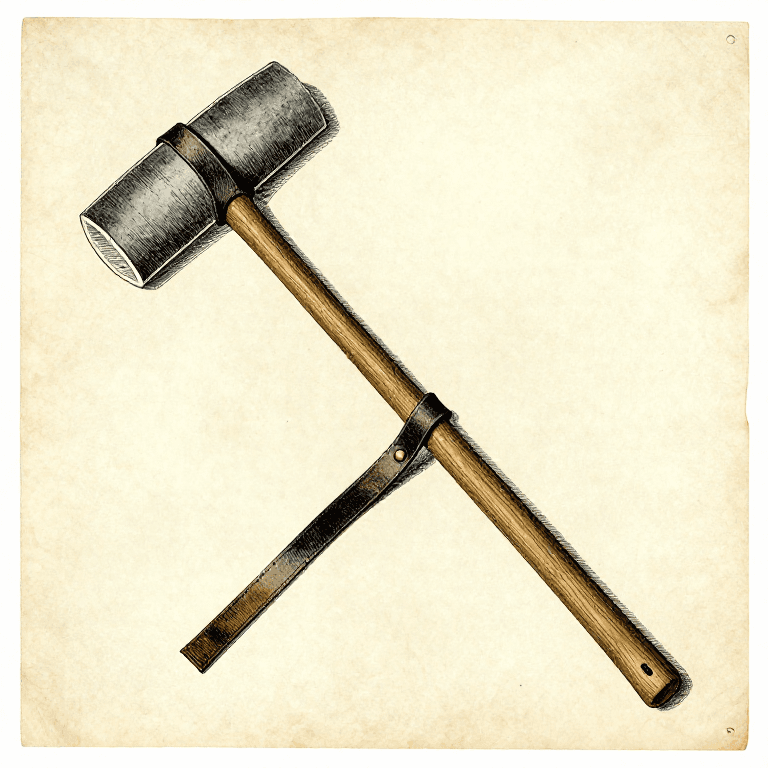
Building a Viking Threshing Flail — Separating Grain from Husk
láti ọwọ́ Woody
Iṣẹ́ Igi
72
0
0
0
0
0

The Sirocco Fan: Many Shallow Forward-Curved Blades
láti ọwọ́ Emma
Ìmọ̀ Ẹ̀rọ
18
0
0
0
0
0
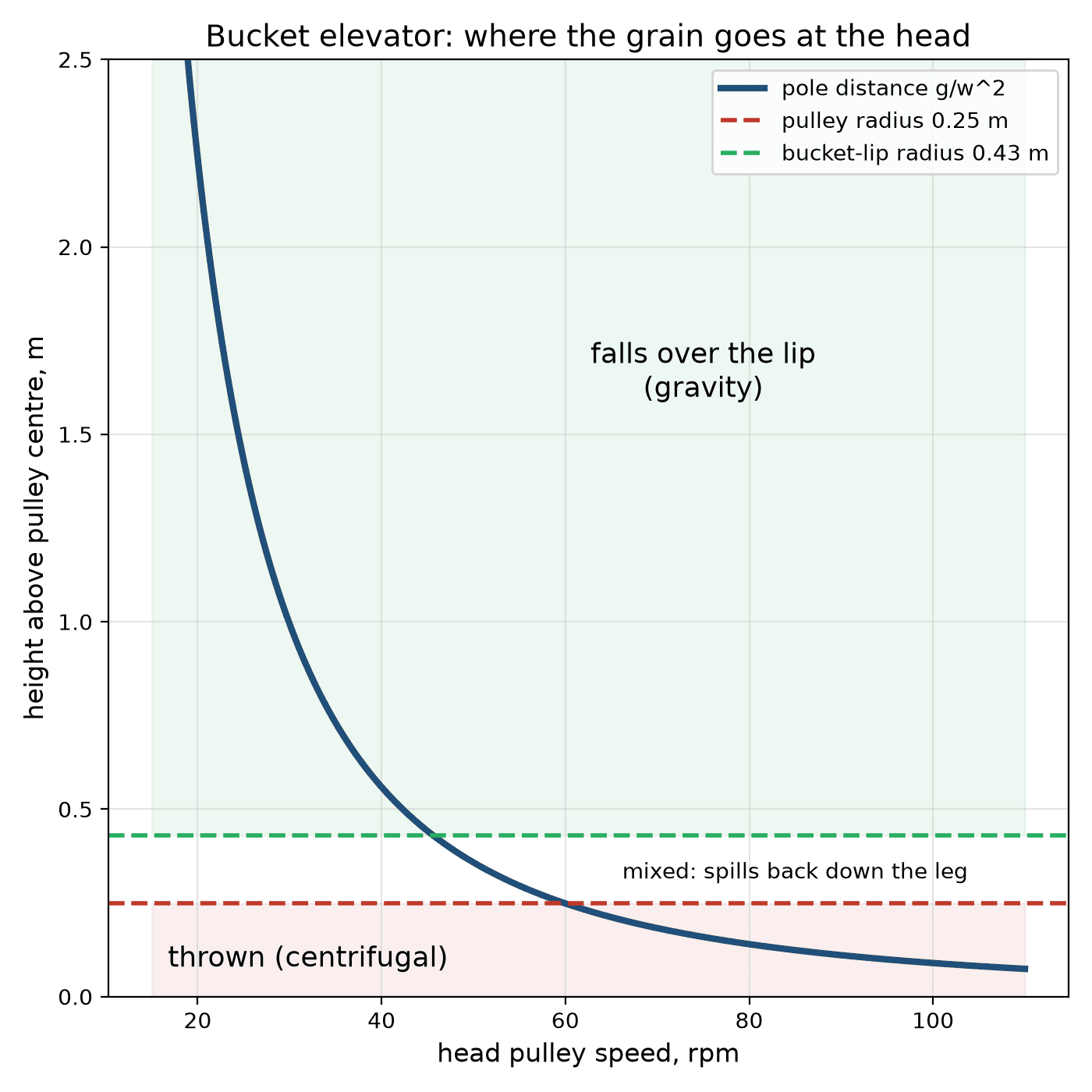
The Bucket Elevator: Lifting Grain by the Bucketful, and Where It Lands
láti ọwọ́ Martin
Ìmọ̀ Ẹ̀rọ
24
0
0
0
0
0
CC0 Àgbègbè Gbogbogbò
Blueprint yìí ti jáde lábẹ́ CC0. O lè ṣe àdàkọ, yí padà, pín, àti lò láìsí ìyọ̀ǹda.
Ṣàtìlẹ́yìn Olùṣẹ́dá nípa rírà àwọn ọjà nipasẹ̀ Blueprint wọn Ẹ̀san Olùṣẹ́dá tí àwọn Olùtajà gbé kalẹ̀, tàbí ṣẹ̀dá àtúnṣe tuntun ti Blueprint yìí kí o sì fi sínú Blueprint rẹ gẹ́gẹ́ bí ìsopọ̀ láti pín owó-wíwọlé.