IṢẸ́ ỌNÀ
ẸWÀ ÀTI ÌLERA
IṢẸ́ ỌWỌ́
ÀṢÀ ÀTI ÌTÀN
ÌṢERÉ
ÀYÍKÁ
OÚNJẸ ÀTI OHUN MÍMU
REVERSE ENGINEERING
SÁYẸ́ǸSÌ
ERÉ ÌDÁRAYÁ
ÌMỌ̀-Ẹ̀RỌ
ÀWỌN OHUN WÍWỌ̀
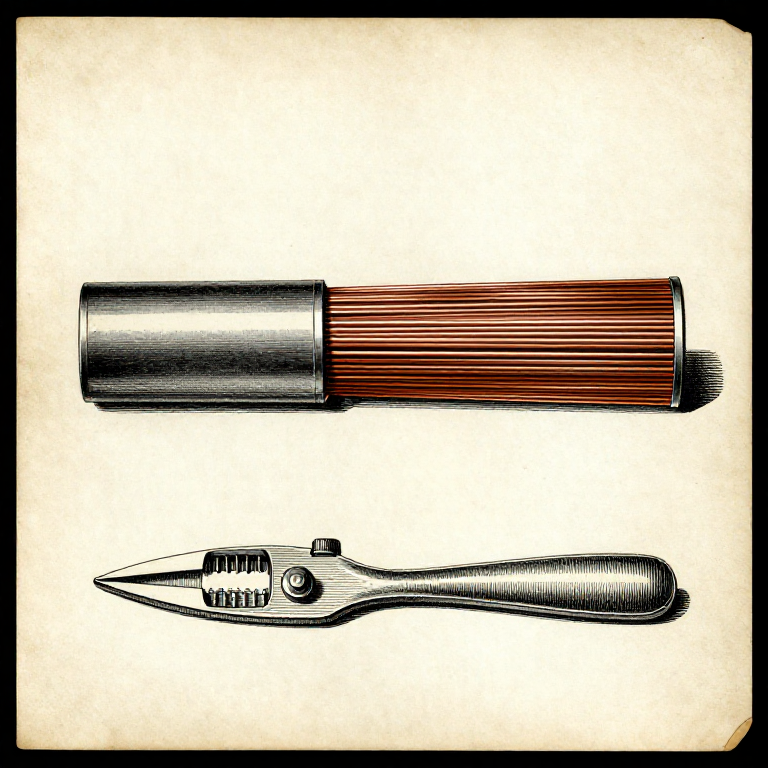


The Crimp: A Good One Is a Cold Weld, Not a Squeeze
A proper crimp deforms the terminal and the wire together so hard that the metals flow into each other and the boundary between them effectively disappears. There is no air left in the joint, so there is nothing for corrosion to attack.
Done properly it outlasts solder and survives vibration that would crack a soldered joint. Done with pliers it is two pieces of metal touching, and it will work perfectly on the bench and fail in the field.
The difference is entirely the tool. A real crimper closes to a fixed profile and will not release until it has, and that ratchet is what makes the joint repeatable.
Àárín
3 hours
Ìlànà
1
1
Why gas-tight matters
Why gas-tight matters
In a correct crimp the pressure is high enough that the copper and the terminal metal cold-weld: the oxide layers break up, clean metal meets clean metal, and no gap remains.
That is what GAS-TIGHT means, and it is the whole reason a crimp is a permanent electrical connection rather than a mechanical one. Air in the joint means oxygen and moisture, which means a growing oxide layer, which means rising resistance, heat, and eventually failure.
A joint squeezed with pliers has metal touching in a few places and air everywhere else. It reads as a good connection on a meter for months — which is exactly why people believe it is fine.
Àwọn ohun èlò fún ìgbésẹ̀ yìí:
 Orí ìsopọ̀ olóyìnbó1 ẹyọ
 Okun waya ìsopọ̀1 ẹyọ
Àwọn irinṣẹ́ tí a nílò:
 Ohun èlò ìtẹ̀mọ́
 Òǹwọ̀n iná mànàmáná onírúurú
 Lúpù Ìgbéga
2
2
Match the terminal to the wire, and the die to both
Match the terminal to the wire, and the die to both
Crimp terminals are colour-coded by the wire range they accept: red for the smallest, blue for the middle, yellow for the largest. The crimper's dies carry the same colours.
Use the matching die. A yellow terminal in a red die is crushed and cracked; a red terminal in a yellow die is barely compressed and pulls straight off. Both look approximately right afterwards, which is the problem.
Check the wire is inside the RANGE printed on the terminal packet, not merely that it fits in the hole. A thin wire rattling inside a large barrel cannot be cold-welded however hard it is squeezed, and the usual bodge — doubling the wire back on itself to fill the barrel — is a legitimate fix for exactly one gauge step, not three.
Àwọn ohun èlò fún ìgbésẹ̀ yìí:
Orí ìsopọ̀ olóyìnbó1 ẹyọ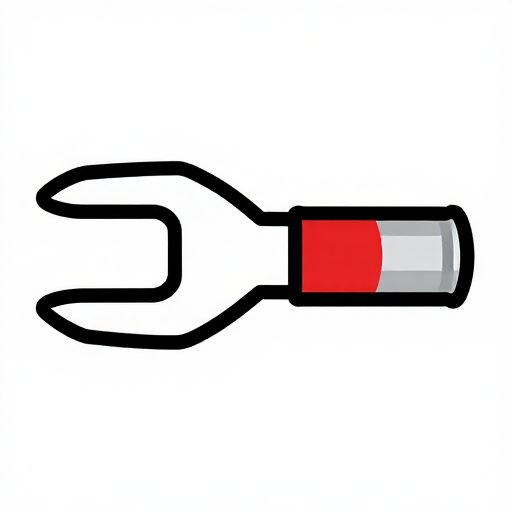 Orí ìsopọ̀ oníṣọ́nṣọ́1 ẹyọ
Àwọn irinṣẹ́ tí a nílò:
Ohun èlò ìtẹ̀mọ́ Ẹ̀mú ìtẹ̀mọ́lẹ̀ okùnLúpù Ìgbéga
3
3
Insulation in the back grip, conductor in the front
Insulation in the back grip, conductor in the front
An insulated crimp terminal has one barrel doing two jobs: the front part grips the bare conductor and makes the electrical connection, the back part grips the INSULATION and takes all the mechanical strain.
Position the wire so the insulation ends just inside the back of the barrel and the conductor fills the front. Too far in and the insulation is under the electrical crimp, which makes no connection at all. Too far out and the bare conductor takes the strain and fatigues.
You should be able to see a whisker of bare conductor at the front of the barrel after crimping, and no bare conductor at all behind it. That is the inspection, and it takes a second.
Àwọn ohun èlò fún ìgbésẹ̀ yìí:
Orí ìsopọ̀ olóyìnbó1 ẹyọOrí ìsopọ̀ oníṣọ́nṣọ́1 ẹyọOkun waya ìsopọ̀1 ẹyọÀwọn irinṣẹ́ tí a nílò:
Ohun èlò ìtẹ̀mọ́Lúpù Ìgbéga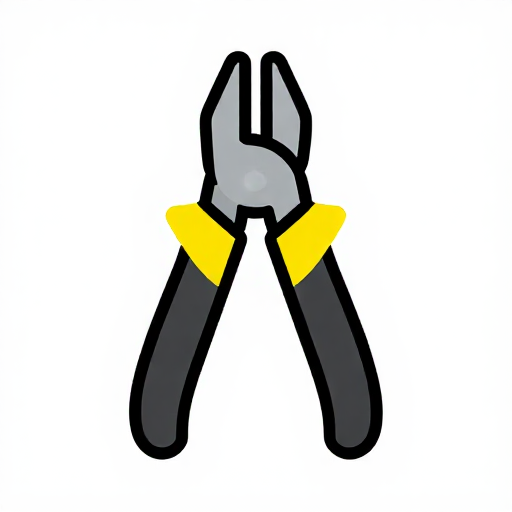 Ẹ̀mú ìbóhun
4
4
Pull-test every crimp, and never solder one
Pull-test every crimp, and never solder one
Pull the wire firmly. A good crimp will not move; a bad one slides off and has just saved you a fault that would have appeared in service. Test every crimp on anything that matters — it costs two seconds each.
Do not solder a crimp 'to be sure'. Solder wicks up the wire past the crimp and turns the flexible stranded conductor rigid at exactly the point where it leaves the terminal, which is the point of maximum flexing. The wire then breaks there, and it breaks sooner than it would have without the solder.
Finish with heat shrink over the joint if it needs insulating or strain relief. Slide it on BEFORE crimping — everyone forgets this once, and there is no way to fit it afterwards.
Àwọn ohun èlò fún ìgbésẹ̀ yìí:
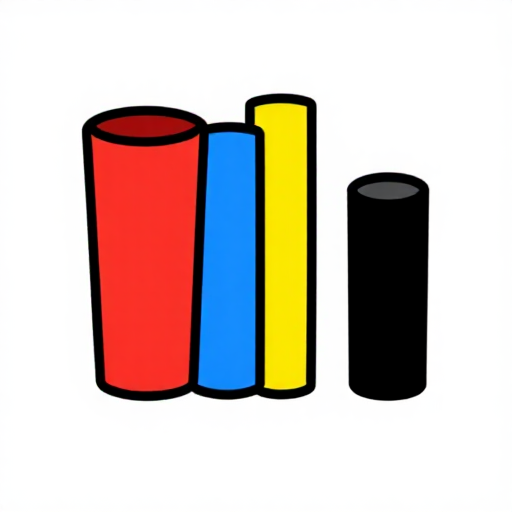 Tube tí ń hó pẹ̀lú ooru1 ẹyọOrí ìsopọ̀ olóyìnbó1 ẹyọ
Àwọn irinṣẹ́ tí a nílò:
Ohun èlò ìtẹ̀mọ́Òǹwọ̀n iná mànàmáná onírúurúÀwọn ohun-èlò
4- 1 ẹyọÀyè
- 2 ẹyọÀyè
- Àyè
- Àyè
Blueprint tó jọra
Àwọn blueprint wọ̀nyí pín ìmọ̀ — ọ̀nà, ohun-èlò tàbí ìlànà


CC0 Àgbègbè Gbogbogbò
Blueprint yìí ti jáde lábẹ́ CC0. O lè ṣe àdàkọ, yí padà, pín, àti lò láìsí ìyọ̀ǹda.
Ṣàtìlẹ́yìn Olùṣẹ́dá nípa rírà àwọn ọjà nipasẹ̀ Blueprint wọn Ẹ̀san Olùṣẹ́dá tí àwọn Olùtajà gbé kalẹ̀, tàbí ṣẹ̀dá àtúnṣe tuntun ti Blueprint yìí kí o sì fi sínú Blueprint rẹ gẹ́gẹ́ bí ìsopọ̀ láti pín owó-wíwọlé.