IṢẸ́ ỌNÀ
ẸWÀ ÀTI ÌLERA
IṢẸ́ ỌWỌ́
ÀṢÀ ÀTI ÌTÀN
ÌṢERÉ
ÀYÍKÁ
OÚNJẸ ÀTI OHUN MÍMU
REVERSE ENGINEERING
SÁYẸ́ǸSÌ
ERÉ ÌDÁRAYÁ
ÌMỌ̀-Ẹ̀RỌ
ÀWỌN OHUN WÍWỌ̀


The Flexible Shaft: Turning a Tool Round a Corner
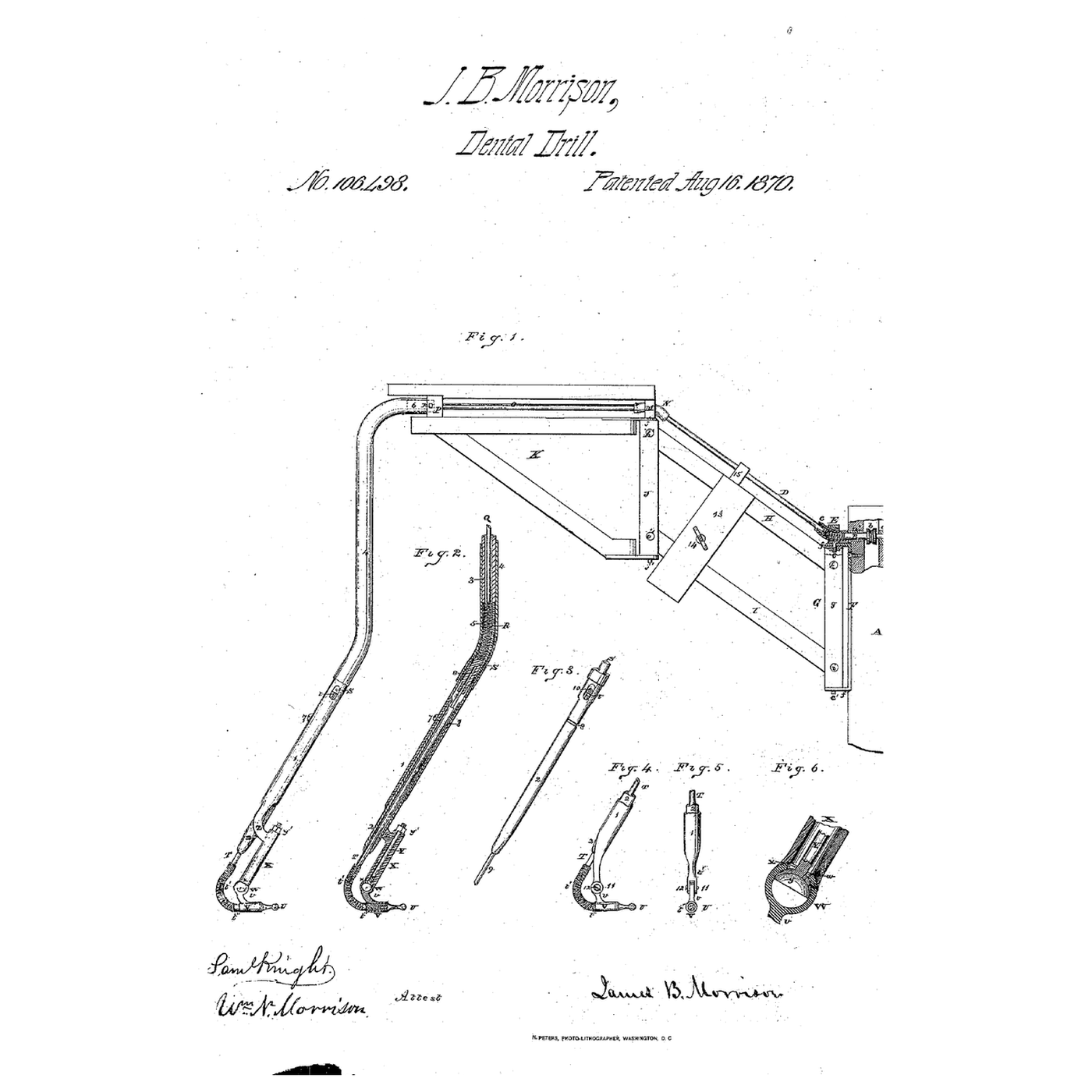
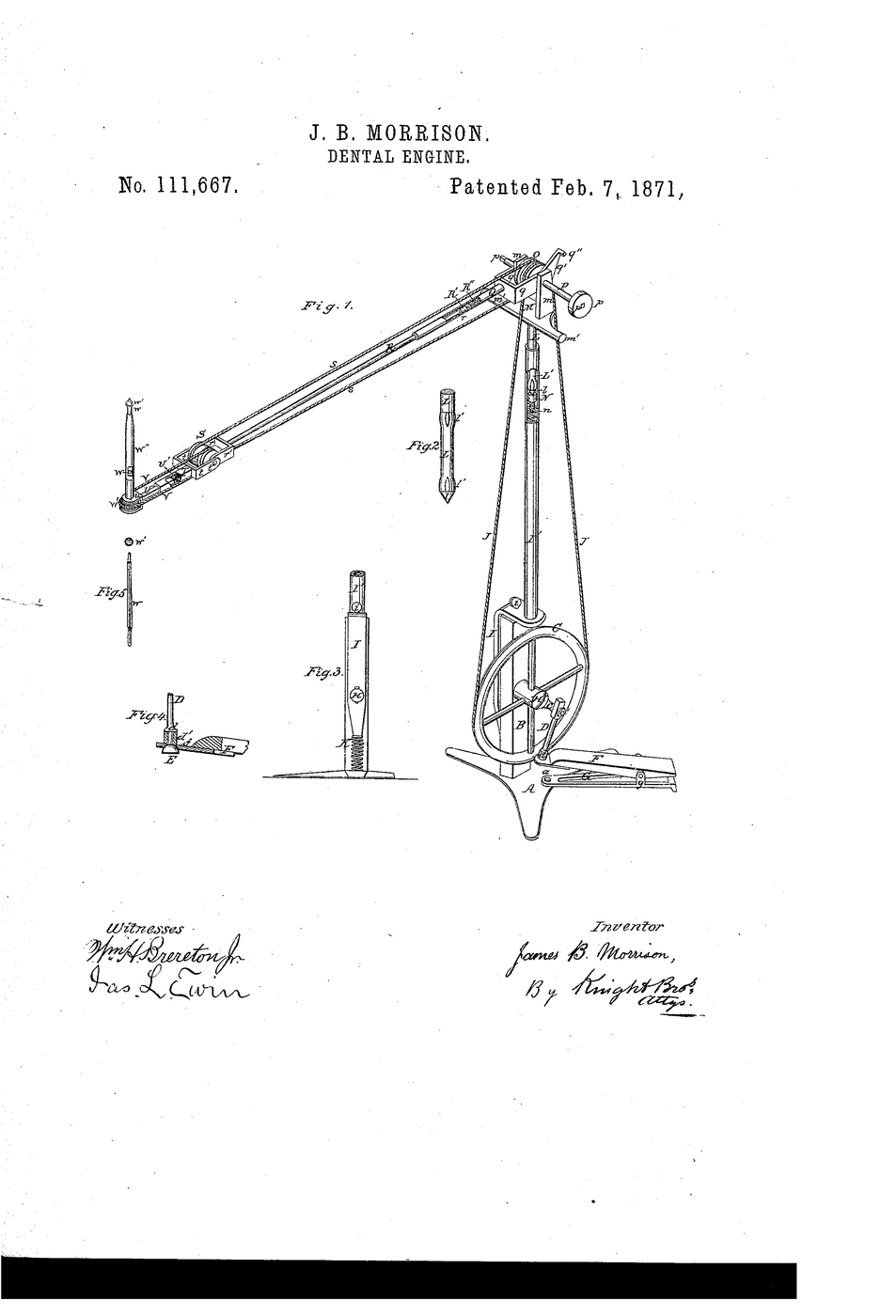
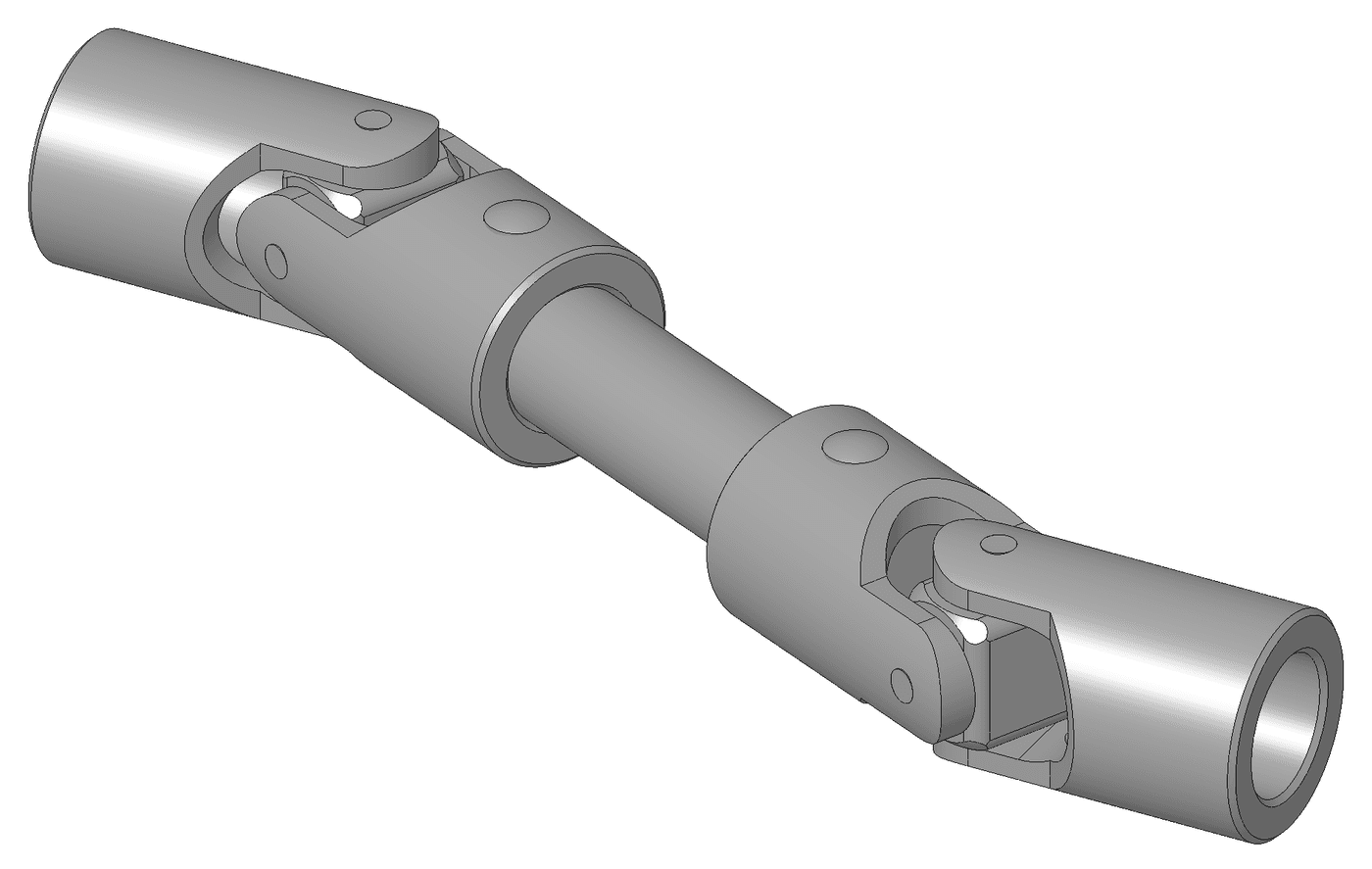
A dentist's drill must reach any tooth at any angle while it spins. A rigid shaft cannot follow the hand; universal joints give a few fixed bends. James B. Morrison of St. Louis tried two answers. His dental engine of 1871 carried the drive by a belt over pivoted, sprung arms. A year earlier his US 106,498, *Improvement in Flexible Shafts*, dated 16 August 1870, carried it through "a wire spiral or helix … enveloped in a short piece of india-rubber pipe, which allows the free flexure of the helix", in sleeves that act as bearings, with an adjustable head holding the bur and a parallel bracket for the instrument tray.
The flexible shaft outlived the dental use: it drives rotary tools, speedometers and hedge trimmers today. This rung works out why only thin wires can bend and keep turning, and makes a flexible shaft from wound spring wire.
Olùbẹ̀rẹ̀
About 3 hours
Ìlànà
1
1
Bending stress, fatigue and torque
Bending stress, fatigue and torque
Ń ṣí ìwé Jupyter…
2
2
The sibling: belt over sprung arms
The sibling: belt over sprung arms
Morrison's other answer to the same problem carries the drive by a belt over pivoted arms. The embedded blueprint builds it; compare the two ways of reaching round a corner.
3
3
Read the 1870 flexible power-conveyer
Read the 1870 flexible power-conveyer
Fig. 1 of US 106,498 shows the apparatus on a stand: a pulley shaft B, joined by a wire helix C in a rubber pipe c to a shaft section D, turning in a swivel-eye E; a double hinged parallel bracket H, I carrying the instrument tray L, which stays level however the bracket swings; and further helix sections R and t′ leading through a sleeve to the socket-head holding the burr U.
The patent's three claims, in order: the flexible shaft with its enveloping sleeve, which gives journal-bearing to the enclosed shaft and the tool; an adjustable head joined to the sleeve by a hinge, so the tool can be set at any angle; and the combination with a parallel bracket that swings, rises and extends.
4
4
Wind a flexible shaft and drive it
Wind a flexible shaft and drive it
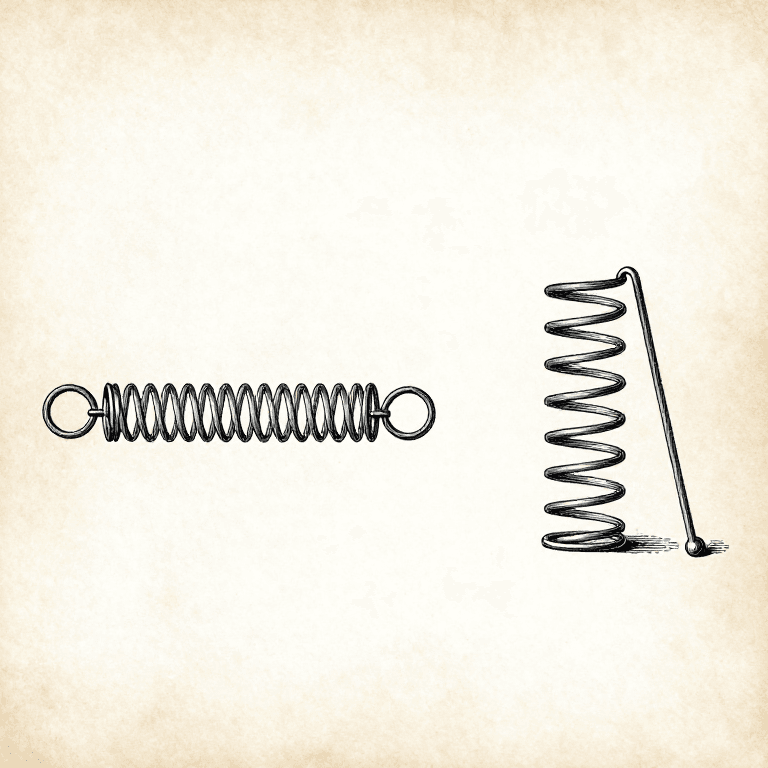
Clamp a 3 mm steel rod in a cordless drill as a mandrel. Clamp one end of a length of 0.8 mm spring steel wire to the rod and, turning the drill slowly, wind a close helix about 400 mm long, every turn touching the last. Slide it off: that is the core.
Push a short length of steel rod into each end and secure it with a dab of solder or a crimped sleeve. Chuck one end in the drill; put a small drill bit in a pin chuck on the other end, held in a length of aluminium tube as the sleeve-bearing.
Bend the core round a 100 mm radius and run the drill in the direction that tightens the coil: the bit turns and will drill soft wood. Reverse the drill: the coil opens, winds up and barely turns the bit. Compare with a commercial rotary-tool flex shaft.
Àwọn ohun èlò fún ìgbésẹ̀ yìí:
 Okùn irin kámánì1 ẹyọ
 Ọ̀pá irin aise1 ẹyọ
 Páìpù aluminium1 ẹyọ
 Wẹ́là tìnì-lédì1 ẹyọ
 Ọ̀pá rírọ̀ fún ohun èlò oníyípo1 ẹyọ
Àwọn irinṣẹ́ tí a nílò:
 Ẹ̀rọ Ìlùkòkò Aláìlókùn
 Àkójọ Orí Ìlùkòkò
 Ìdìmú Tábìlì
 Irin ìsúdì
 Ìbọ̀wọ́ Iṣẹ́ Awọ
 Gíláàsì ààbò
5
5
A flexible shaft that fails
A flexible shaft that fails
Flexible shaft faults.
Flow
Loading...
6
6
History and honest limits
History and honest limits
**James B. Morrison** of St. Louis was granted **US 106,498**, dated 16 August 1870, for his flexible power-conveyer "for dental and other purposes"; his treadle dental engine with sprung arms followed in 1871 (US 111,667). Flexible shafts with multi-layer wire cores now drive rotary tools, instrument cables and garden tools.
**Honest limits.** The bending-stress figures are the simple beam formula for one wire; a real core's stresses depend on its winding. A hand-wound single helix is a demonstration, not a tool shaft — it will not last.
Àwọn ohun-èlò
5- 1 ẹyọÀyè
- 1 ẹyọÀyè
- 1 ẹyọÀyè
- 1 ẹyọÀyè
- Àyè
Àwọn irinṣẹ́ tó nílò
6- 1 vendor sell this, none ship to you yetÀyè
- Àyè
- 2 vendors sell this, none ship to you yetÀyè
- Àyè
Blueprint tó jọra
Àwọn blueprint wọ̀nyí pín ìmọ̀ — ọ̀nà, ohun-èlò tàbí ìlànà


CC0 Àgbègbè Gbogbogbò
Blueprint yìí ti jáde lábẹ́ CC0. O lè ṣe àdàkọ, yí padà, pín, àti lò láìsí ìyọ̀ǹda.
Ṣàtìlẹ́yìn Olùṣẹ́dá nípa rírà àwọn ọjà nipasẹ̀ Blueprint wọn Ẹ̀san Olùṣẹ́dá tí àwọn Olùtajà gbé kalẹ̀, tàbí ṣẹ̀dá àtúnṣe tuntun ti Blueprint yìí kí o sì fi sínú Blueprint rẹ gẹ́gẹ́ bí ìsopọ̀ láti pín owó-wíwọlé.