IṢẸ́ ỌNÀ
ẸWÀ ÀTI ÌLERA
IṢẸ́ ỌWỌ́
ÀṢÀ ÀTI ÌTÀN
ÌṢERÉ
ÀYÍKÁ
OÚNJẸ ÀTI OHUN MÍMU
REVERSE ENGINEERING
SÁYẸ́ǸSÌ
ERÉ ÌDÁRAYÁ
ÌMỌ̀-Ẹ̀RỌ
ÀWỌN OHUN WÍWỌ̀
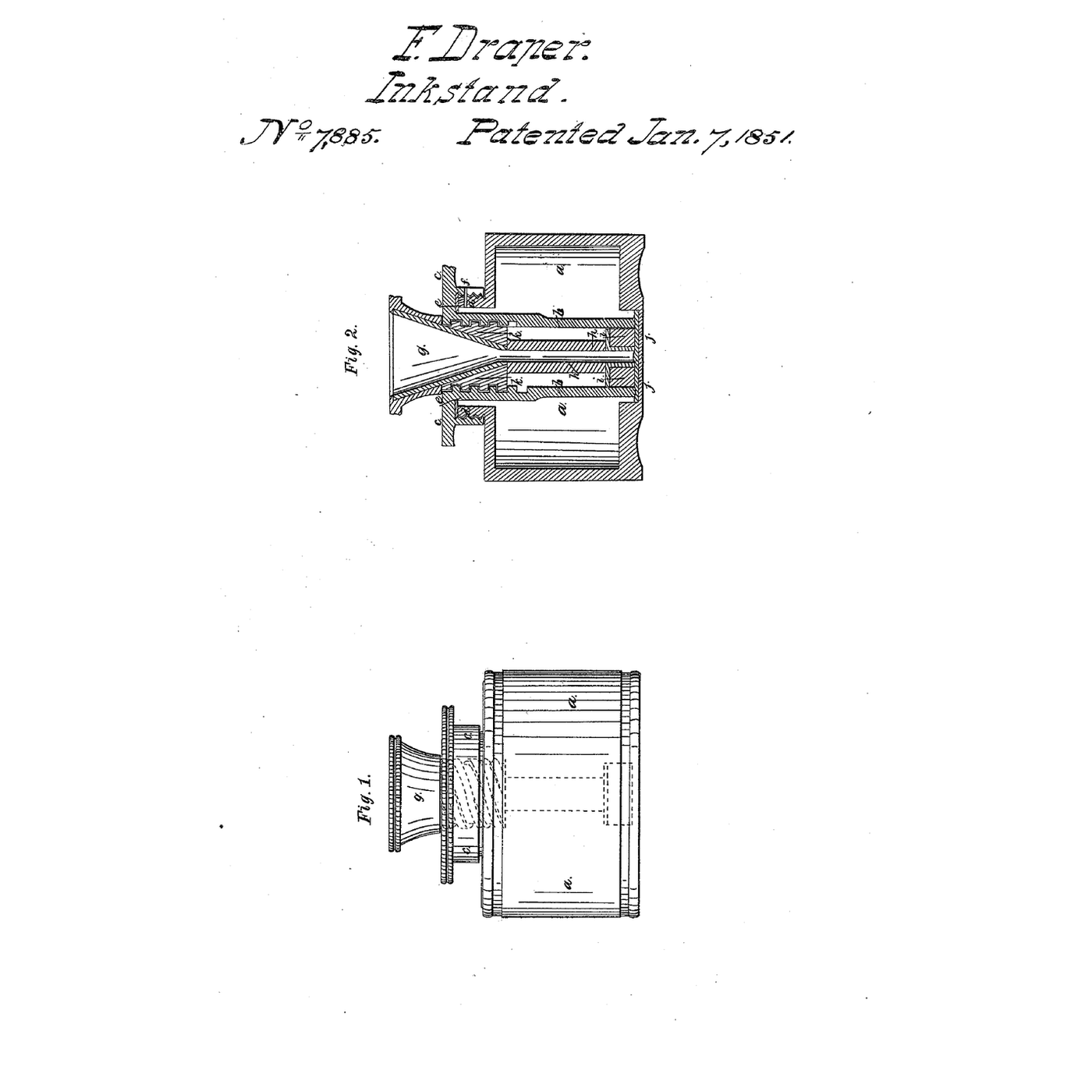


The Fountain Inkstand: A Cork That Cuts the Cup Off From the Fountain
A fountain inkstand keeps most of its ink sealed away and feeds a small cup, but when the room warms the cup overflows onto the desk.
Francis Draper of East Cambridge, Massachusetts, received US 7,885, dated 7 January 1851, for a fountain inkstand in which the tube of the cup carries a piece of cork on its end, which "bears against a similar piece of cork fitted in the bottom of the inkstand" when the cup is screwed down, so "the main body of ink in the fountain is entirely cut off from that in the tube." Then "the heat of the room or from the sun will not cause the ink in the cup to overflow as in all other cases it does."
This rung works out how much ink warming air pushes up, then builds the inkstand in a jar and warms it with the cork open and shut.
Olùbẹ̀rẹ̀
About 2 hours
Ìlànà
1
1
Warm air and the cup
Warm air and the cup
Ń ṣí ìwé Jupyter…
2
2
The float before it
The float before it
The embedded blueprint floats a cork to cover the ink. Draper uses cork to seal instead: pressed shut, it cuts the cup off from the fountain.
3
3
Read US 7,885
Read US 7,885
"In the construction of modern inkstands, various devices have been used to keep the air from the large body of ink in the fountain, so as to prevent the evaporation of the acid ingredients, which evaporation makes the ink too thick for use; also to prevent the liability of the ink in the cup to overflow by reason of the expansion of the air in the fountain when the inkstand is left exposed to the sun or the atmosphere of a very warm room."
"The tunnel shaped cup g has the tube h h extending from its bottom to the bottom of the inkstand, and the lower end of said tube is fitted with the cork i i which bears against the layer of cork j j fitted in the bottom of the inkstand as above described; and this cork i i operates as a piston in the cylinder b b."
4
4
Build the inkstand and warm it
Build the inkstand and warm it
**Fountain.** Glue a disc of cork sheet in the bottom of a glass jar with a metal lid. Drill a hole in the lid for a piece of PVC pipe, push it through so it stands 2 cm above the bottom, and seal it: the cylinder.
**Cup and piston.** Cut a length of clear vinyl tubing to reach from 3 cm above the lid to the cork layer, and push a cork plug into its lower end with a small side hole cut just above the cork. Fit a PVC reducer from the assortment on its top as the cup. Slide it into the cylinder and clamp it there with a hose clamp at the height that keeps the cork just off the layer.
**Test.** Fill the jar half with ink, screw the lid on and press the tube down once to fill the cup, leaving about 0.5 ml of room. Stand the inkstand in a bowl of water at 35 °C, read with the thermometer, for 20 minutes with the tube raised (cup open to the fountain) and watch the cup. Refill, press the tube down so the cork seals on the layer, clamp it, and warm it again. Compare with the notebook.
Àwọn ohun èlò fún ìgbésẹ̀ yìí:
 Ìgò Gílásì Onídìí1 ẹyọ
 Àwo koki1 ẹyọ
 Páìpù PVC0.1 mítà
 Ọ̀pá vinyl tí ó mọ́0.15 mítà
 Àwọn kọ́ọ̀kì1 ẹyọ
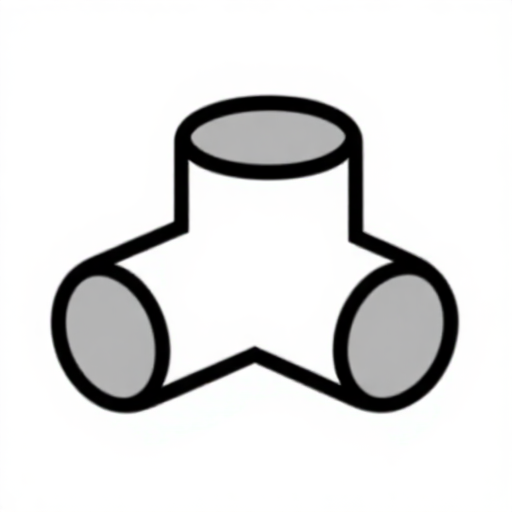 Àkójọpọ̀ Ìsopọ̀ Páìpù PVC1 ẹyọ
 Àkójọpọ̀ ìdìmú okùn omi1 ẹyọ
 Ìdílẹ̀ Silikoni5 ml
 Tintà ìkọ̀wé150 ml
 Omi1 lítà
Àwọn irinṣẹ́ tí a nílò:
 Ẹ̀rọ Ìlùkòkò Aláìlókùn
 Àkójọ Orí Ìlùkòkò
 Ayùn Irin
 Ọ̀bẹ Iṣẹ́ Ọwọ́
 Ìṣù àwọn ohun ìyí skurú
 Òǹwọ̀n ooru ilé ìdáná
 Kẹ́tùlù iná dígí
 Ìdíwọ̀n
 Ìdìpọ̀ kálámù ìkọ̀wé ẹlẹ́wà
5
5
An inkstand that overflows, leaks or will not fill
An inkstand that overflows, leaks or will not fill
Fountain inkstand troubleshooting.
Flow
Loading...
6
6
History and honest limits
History and honest limits
**Francis Draper** of East Cambridge, Middlesex County, Massachusetts, received US 7,885, dated 7 January 1851 and reissued on 2 April 1861 as No. 1,164. His inner cylinder was cast in one piece with the screw cap, and the cup had a double-threaded screw working in the cylinder, so that turning it lowered the cork piston and pressed ink up into the cup. He also wrote that the cylinder could be left out, or the cork put straight on the cup's tube.
**Honest limits.** A jar, a PVC pipe, a vinyl tube and a hose clamp stand in for his cast cylinder and screwed cup. The notebook treats the trapped air as an ideal gas at constant pressure; its volumes and temperatures are examples. Your warm-water test is the result.
Àwọn ohun-èlò
10- 1 ẹyọÀyè
- 1 ẹyọÀyè
- 0.1 mítàÀyè
- 0.15 mítàÀyè
- 1 ẹyọÀyè
- Àyè
- Àyè
- 5 mlÀyè
- 150 mlÀyè
- 1 lítàÀyè
Àwọn irinṣẹ́ tó nílò
9- 1 vendor sell this, none ship to you yetÀyè
- Àyè
- Àyè
Blueprint tó jọra
Àwọn blueprint wọ̀nyí pín ìmọ̀ — ọ̀nà, ohun-èlò tàbí ìlànà





CC0 Àgbègbè Gbogbogbò
Blueprint yìí ti jáde lábẹ́ CC0. O lè ṣe àdàkọ, yí padà, pín, àti lò láìsí ìyọ̀ǹda.
Ṣàtìlẹ́yìn Olùṣẹ́dá nípa rírà àwọn ọjà nipasẹ̀ Blueprint wọn Ẹ̀san Olùṣẹ́dá tí àwọn Olùtajà gbé kalẹ̀, tàbí ṣẹ̀dá àtúnṣe tuntun ti Blueprint yìí kí o sì fi sínú Blueprint rẹ gẹ́gẹ́ bí ìsopọ̀ láti pín owó-wíwọlé.