IṢẸ́ ỌNÀ
ẸWÀ ÀTI ÌLERA
IṢẸ́ ỌWỌ́
ÀṢÀ ÀTI ÌTÀN
ÌṢERÉ
ÀYÍKÁ
OÚNJẸ ÀTI OHUN MÍMU
REVERSE ENGINEERING
SÁYẸ́ǸSÌ
ERÉ ÌDÁRAYÁ
ÌMỌ̀-Ẹ̀RỌ
ÀWỌN OHUN WÍWỌ̀
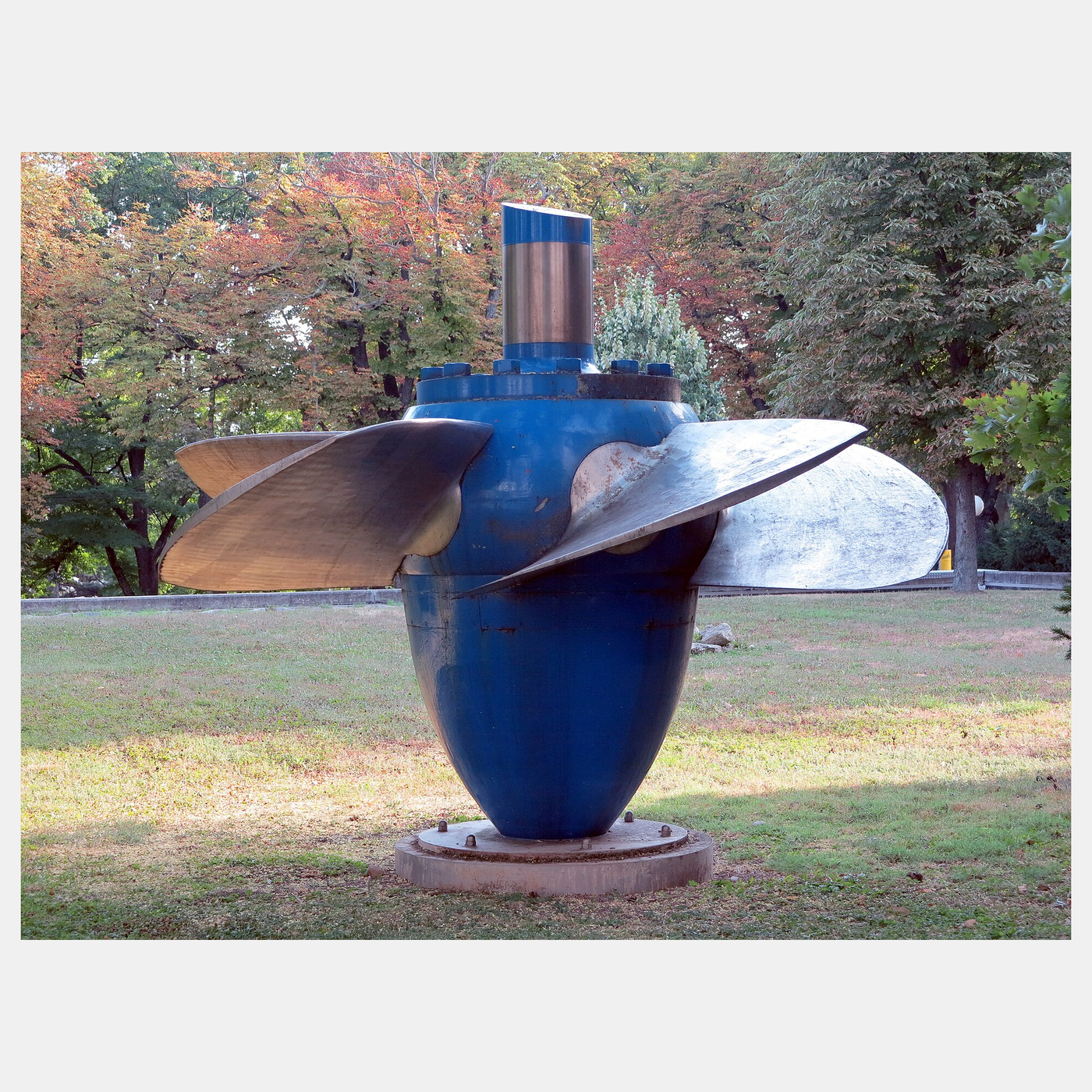

The Kaplan Turbine: A Propeller in a Pipe, With Blades That Turn
The Pelton wheel suits high heads and small flows, the Francis turbine the middle. At low heads — a river weir, a tidal barrage, a few metres of fall — the water must pass in enormous volume, and the right runner is a propeller in a pipe.
A fixed propeller only works well at one flow. Viktor Kaplan, in Brno, made the blades turn in the hub, patented in Austria from 1912–13, so that the blade angle follows the flow and the efficiency stays high as the river rises and falls. The first commercial installation ran in 1918.
This rung works out why the blades must turn, and builds a small pipe turbine whose blade pitch you can set.
Àárín
About 5 hours
Ìlànà
1
1
Why the blades must turn
Why the blades must turn
Ń ṣí ìwé Jupyter…
2
2
Build a pipe turbine with settable blades
Build a pipe turbine with settable blades
Print a four-bladed runner 70 mm across whose blades are separate parts, each on a short pin in the hub, with a set screw so each blade's angle can be fixed at 15°, 25° or 35°. The runner fits inside a 75 mm PVC pipe on a shaft carried by a printed spider bearing, and drives a hobby motor used as a generator, sealed outside the pipe through an O-ring gland.
Upstream of the runner, fit a ring of fixed guide vanes printed to give the water a little swirl — the wicket gate of a real Kaplan.
Àwọn ohun èlò fún ìgbésẹ̀ yìí:
 Páìpù PVC1 ẹyọ
 Àkójọpọ̀ Ìsopọ̀ Páìpù PVC1 ìtò
 Okùn PETG120 g
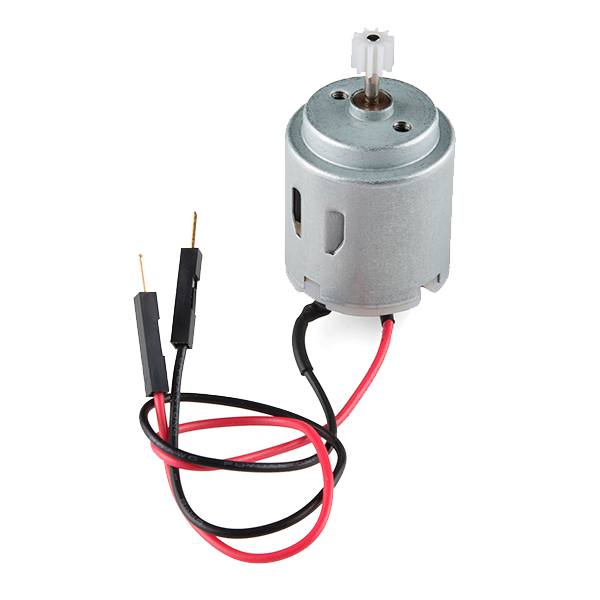 Hobby Motor - Gear1 ẹyọ
 Àkójọpọ̀ Òrùka O1 ohun èlò
 Ọ̀pá irin aise1 ẹyọ
 Ìdílẹ̀ Silikoni1 ẹyọ
Àwọn irinṣẹ́ tí a nílò:
 Ẹ̀rọ ìtẹ̀ 3D oníwàyà (FDM)
 Ohun ìgé páìpù
 Ìdìpọ̀ kọ́kọ́rọ́ igun mẹ́fà
 Òṣùwọ̀n Kálípà Díjítà Ìnṣì 6
3
3
Find the best blade angle at two flows
Find the best blade angle at two flows
Feed the pipe from the submersible pump in a bucket, with a ball valve to set the flow; time a measuring jug at the outlet to know the flow. Load the generator with a 330 Ω resistor and read the voltage; power is V² ÷ R.
At full flow, try each blade angle and note the power. Then close the valve to about half flow and try each again. The best angle at half flow is flatter than at full flow — exactly what a Kaplan runner's blade-turning gear does automatically.
Àwọn ohun èlò fún ìgbésẹ̀ yìí:
 Omi20 lítà
 Fáàlù bọ́ọ̀lù bàbà1 ẹyọ
 Rẹ́sístà 330 ohm1 ẹyọ
Àwọn irinṣẹ́ tí a nílò:
 Ẹ̀rọ ìfàmi tí a ń rì sínú omi
 Bàkẹ́ẹ̀tì
 Ìgò ìwọ̀n
 Aago Ìdúró
 Òǹwọ̀n iná mànàmáná onírúurú
 Ìwọ̀n Ìyípo Dígítà
4
4
History and context
History and context
**Viktor Kaplan**, professor at the German Technical University in Brno, patented the propeller turbine with adjustable runner blades in Austria in 1912–13; the first installation went into service in 1918. His US patent number is not asserted here — it could not be read from a primary source — and the mechanism is fully documented.
Kaplan turbines and their fixed-blade relatives run most low-head hydro plants, and the bulb turbine — a Kaplan runner with the generator in a pod inside the water passage — runs tidal barrages.
**Honest limits.** At low head the machine is large and slow for its power. Kaplan runners are prone to cavitation (the NPSH problem of the centrifugal pump rung, in reverse). And the blade-turning mechanism inside the hub must stay watertight for decades.
Àwọn ohun-èlò
10- 1 ẹyọÀyè
- Àyè
- 120 gÀyè
- Hobby Motor - Gearìdá 10%1 ẹyọ$2.51
- 1 ohun èlòÀyè
- 1 ẹyọÀyè
- 1 ẹyọÀyè
- 20 lítàÀyè
- 1 ẹyọÀyè
- 1 ẹyọÀyè
Àwọn irinṣẹ́ tó nílò
10- Ohun ìgé páìpùìdá 10%Àyè
- Àyè
- Àyè
- Àyè
Àpapọ̀ Ìfojúsùn
Ohun tí ẹni tó ṣe é rà. Àwọn ohun èlò tí kò ní iye owó ni o máa rà níbi tí o bá ti rà á.
Blueprint tó jọra
Àwọn blueprint wọ̀nyí pín ìmọ̀ — ọ̀nà, ohun-èlò tàbí ìlànà
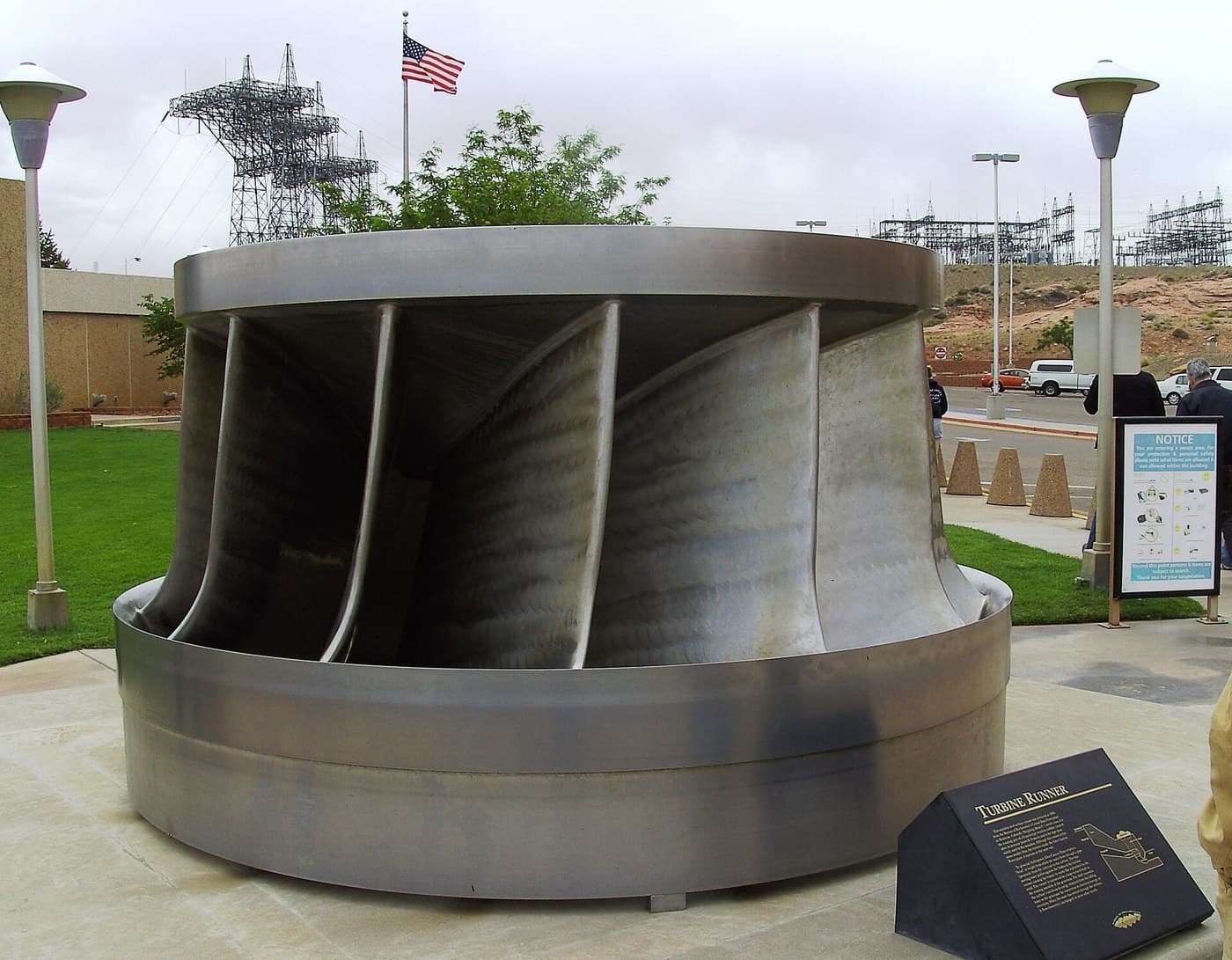
Francis Turbine
láti ọwọ́ Emma
ÀYÍKÁ
41
0
0
0
0
0
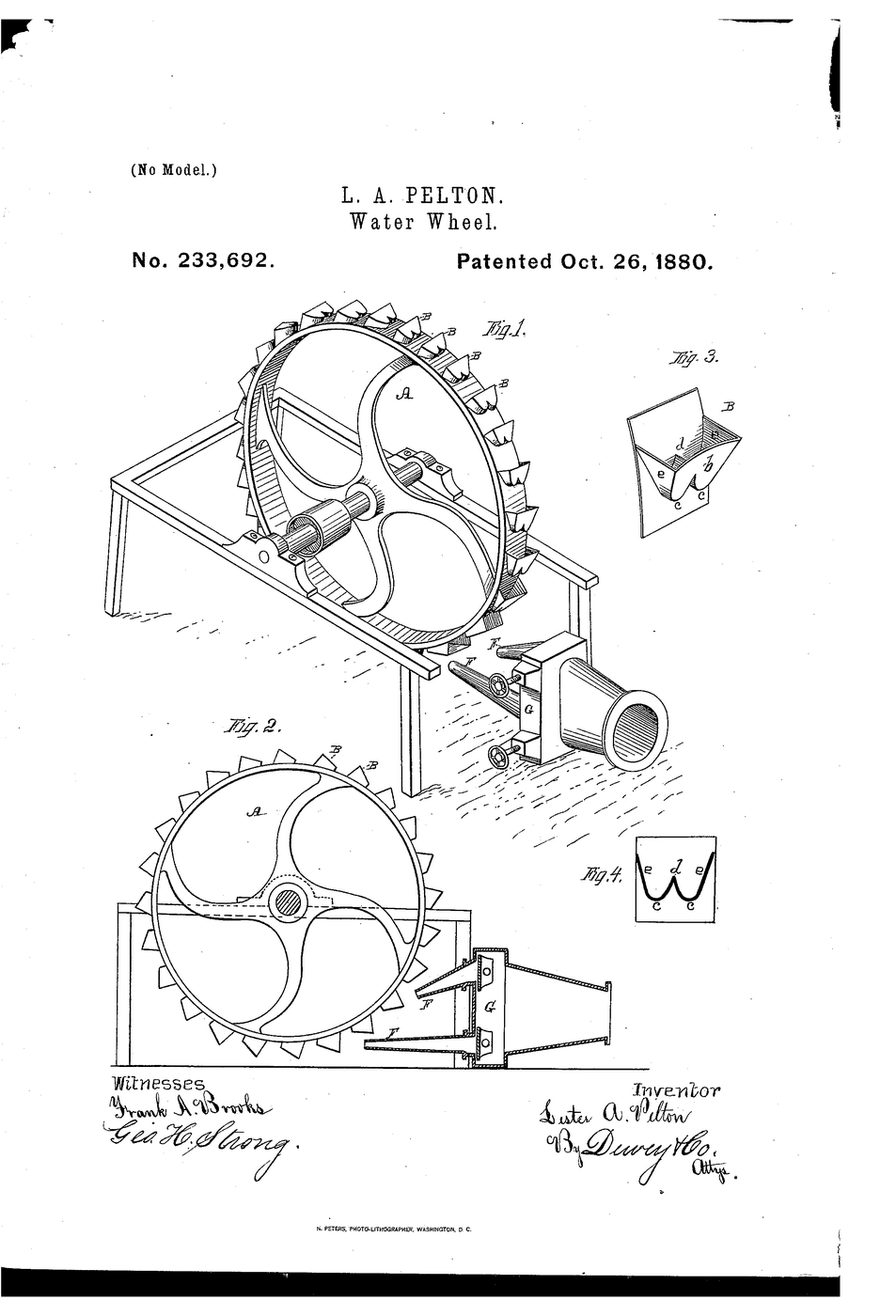
Pelton Wheel
láti ọwọ́ Martin
Ìmọ̀ Ẹ̀rọ
37
0
0
0
0
0
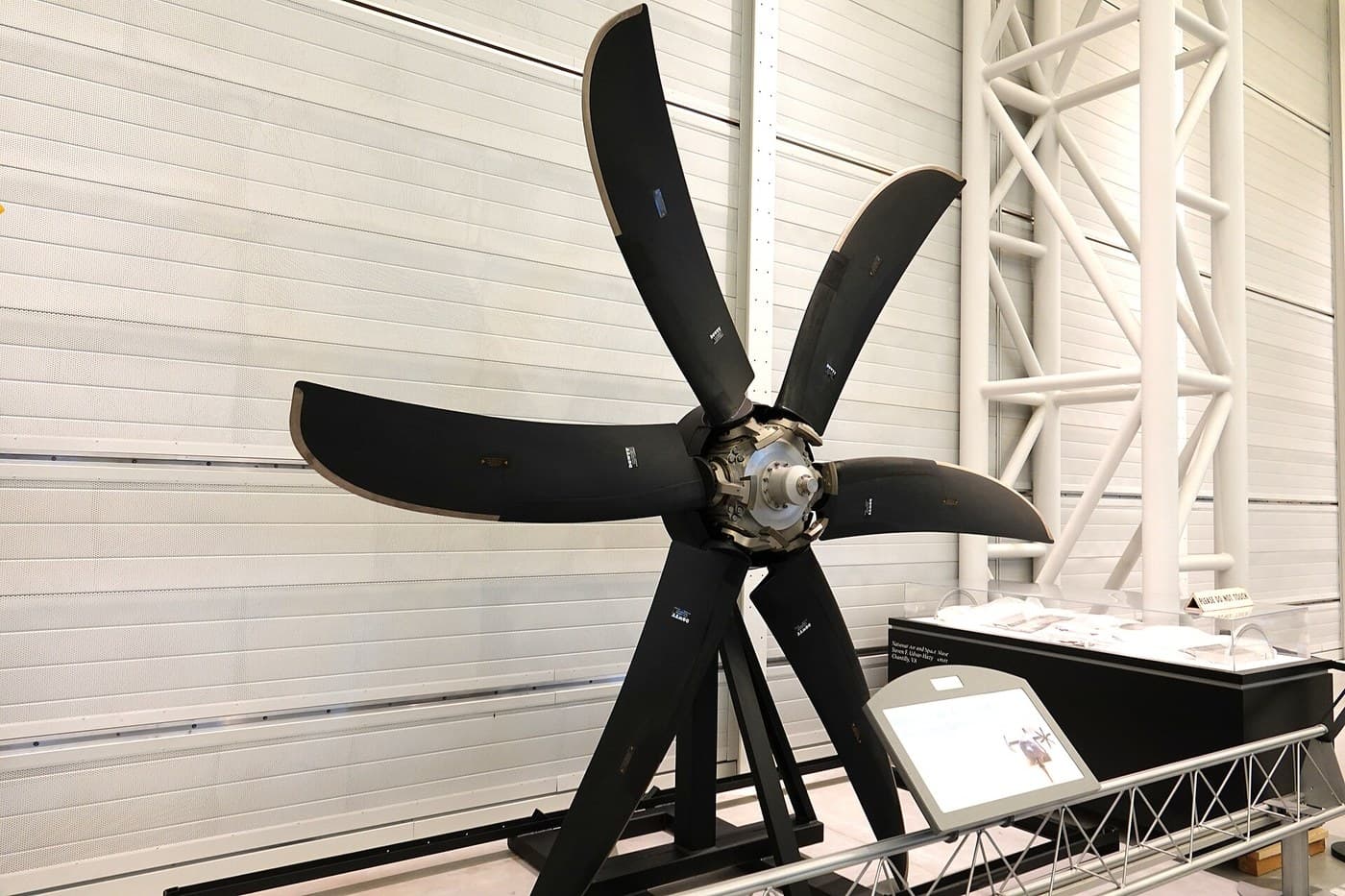
The Variable-Pitch Propeller
láti ọwọ́ Martin
Atẹ́gùn
53
0
0
0
0
0
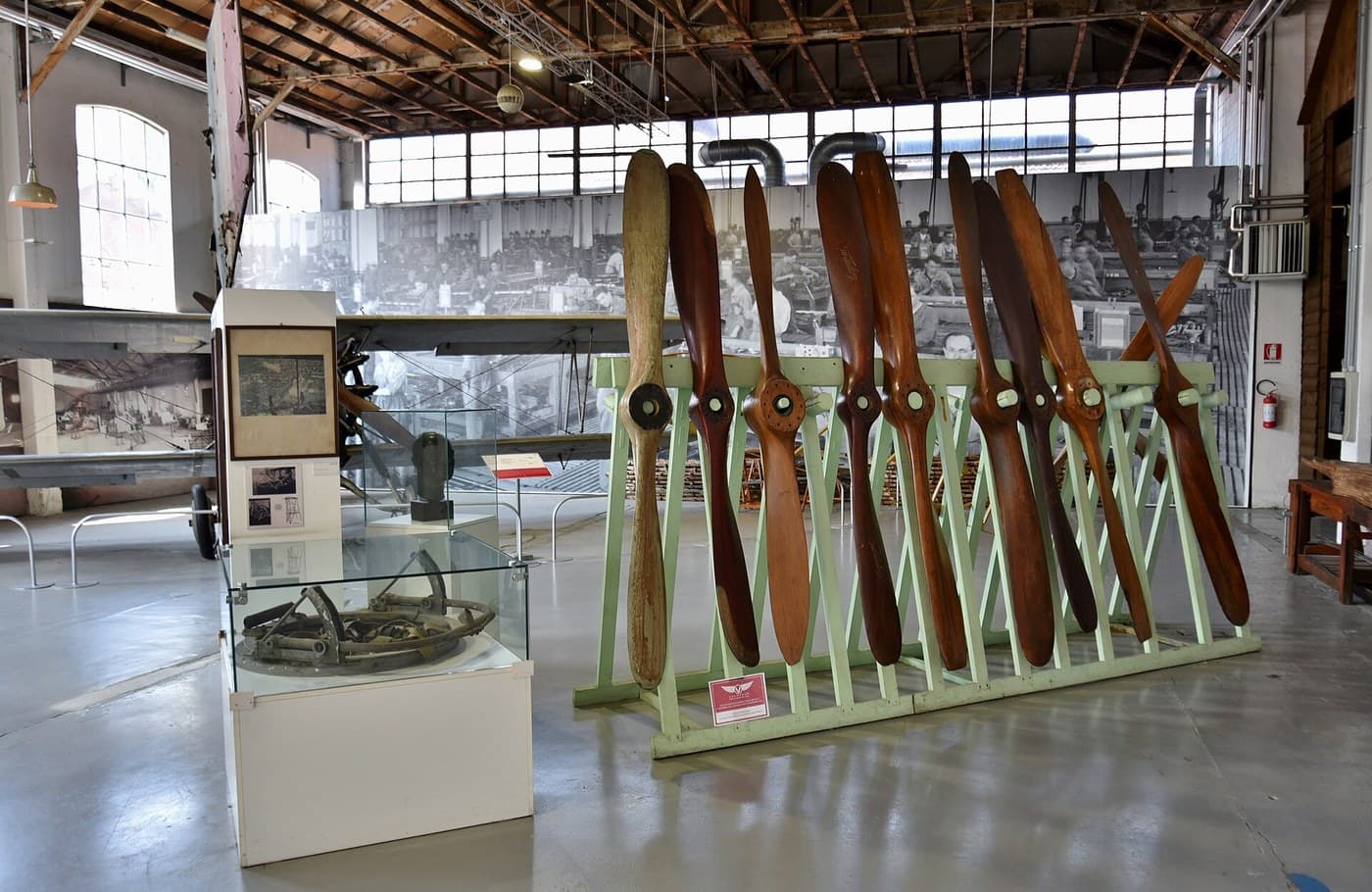
The Propeller as a Rotating Wing
láti ọwọ́ Martin
Ìmọ̀ Ẹ̀rọ
41
0
0
0
0
0
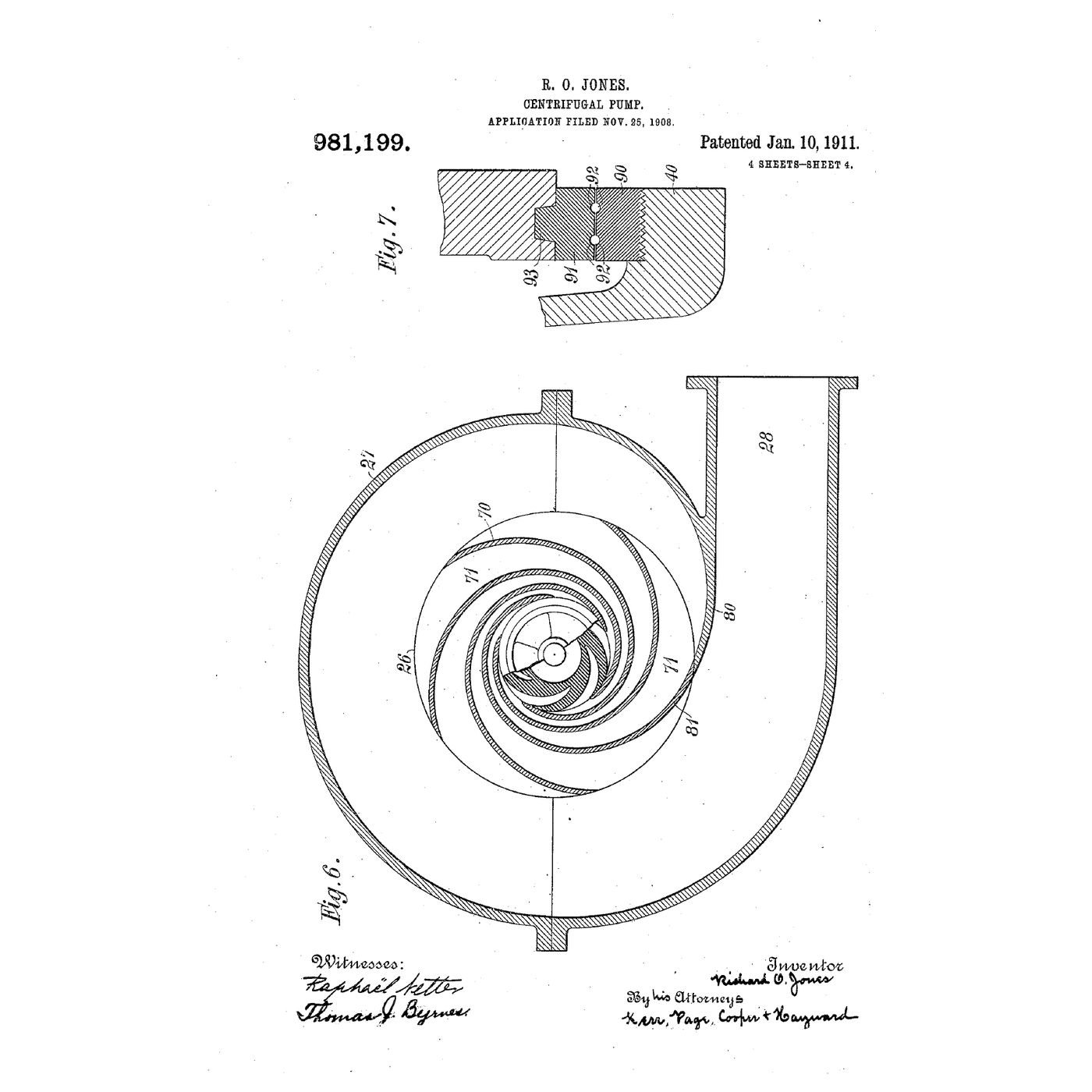
The Centrifugal Pump: Speed Squared, and Why It Cannot Lift Air
láti ọwọ́ Emma
Ìmọ̀ Ẹ̀rọ
25
0
0
0
0
0
CC0 Àgbègbè Gbogbogbò
Blueprint yìí ti jáde lábẹ́ CC0. O lè ṣe àdàkọ, yí padà, pín, àti lò láìsí ìyọ̀ǹda.
Ṣàtìlẹ́yìn Olùṣẹ́dá nípa rírà àwọn ọjà nipasẹ̀ Blueprint wọn Ẹ̀san Olùṣẹ́dá tí àwọn Olùtajà gbé kalẹ̀, tàbí ṣẹ̀dá àtúnṣe tuntun ti Blueprint yìí kí o sì fi sínú Blueprint rẹ gẹ́gẹ́ bí ìsopọ̀ láti pín owó-wíwọlé.