IṢẸ́ ỌNÀ
ẸWÀ ÀTI ÌLERA
IṢẸ́ ỌWỌ́
ÀṢÀ ÀTI ÌTÀN
ÌṢERÉ
ÀYÍKÁ
OÚNJẸ ÀTI OHUN MÍMU
REVERSE ENGINEERING
SÁYẸ́ǸSÌ
ERÉ ÌDÁRAYÁ
ÌMỌ̀-Ẹ̀RỌ
ÀWỌN OHUN WÍWỌ̀


The Lifting-Cutter Can Opener: A Diagonal Blade Cuts Under and Holds the Disk
A can opener's knife can slip out of its cut, and the cut disk drops into the can.
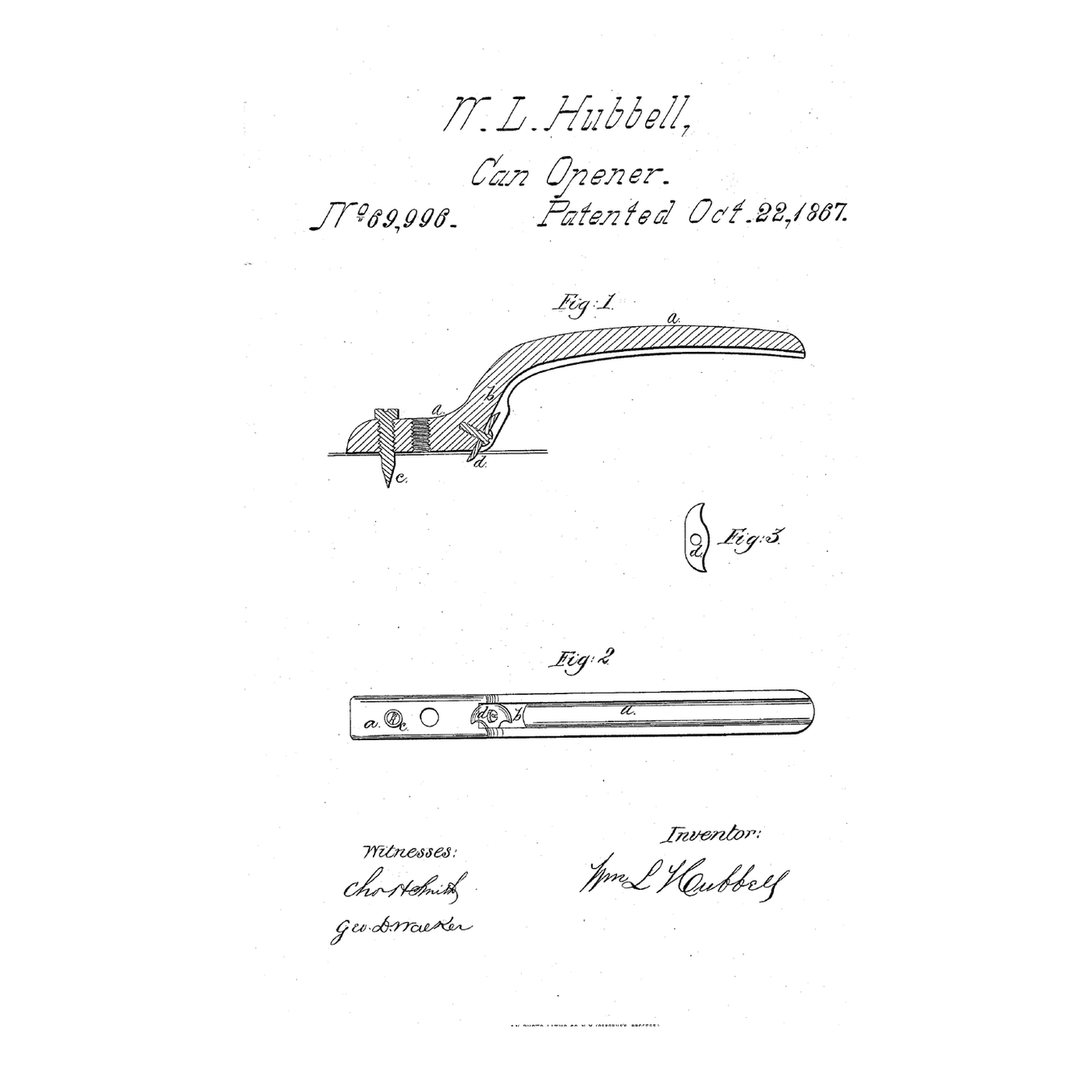
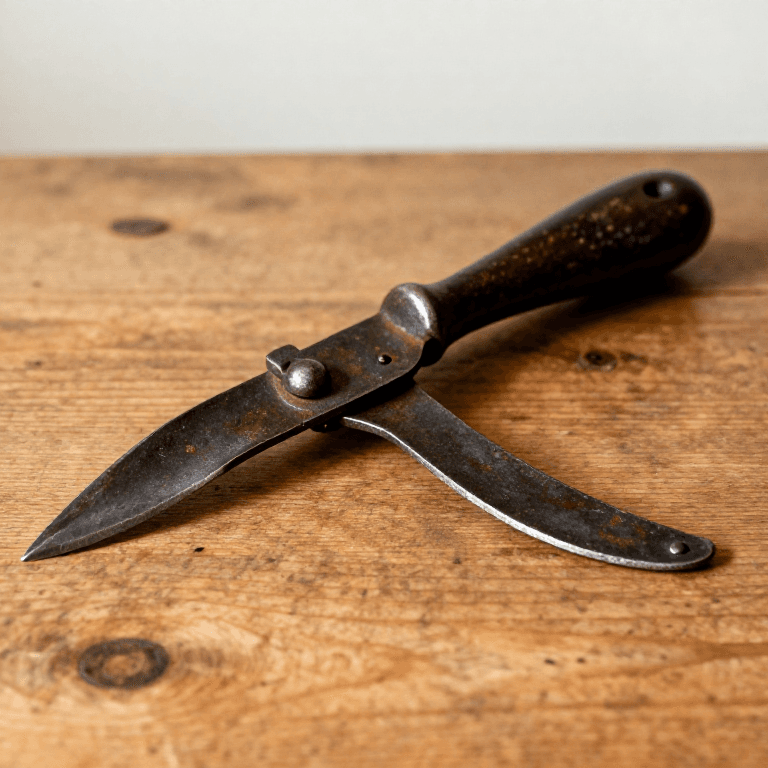
William L. Hubbell of Brooklyn, New York, received US 69,996, dated 22 October 1867, for a can opener made of a lever with a screw spike that fits any of several holes, to vary the size of the disk, and a cutter set diagonally "so as to cut under and lift up the said disk, and prevent the knife slipping out while in use," holding the disk until it is taken from the can.
This rung works out which hole suits which can, then builds the lever, spike and diagonal cutter and opens a can.
Àárín
About 3 hours
Ìlànà
1
1
Spike hole against can size
Spike hole against can size
Ń ṣí ìwé Jupyter…
2
2
A turning cutter before it
A turning cutter before it
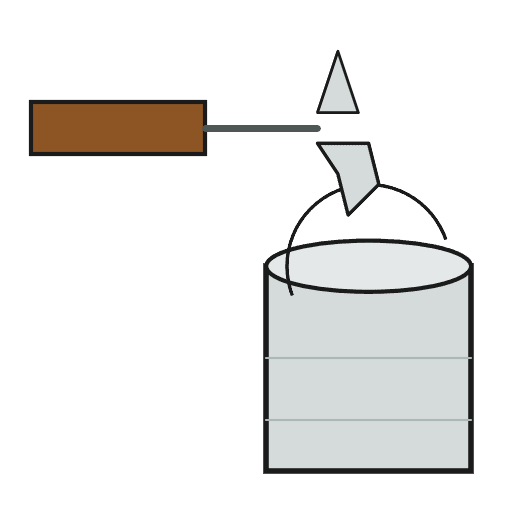
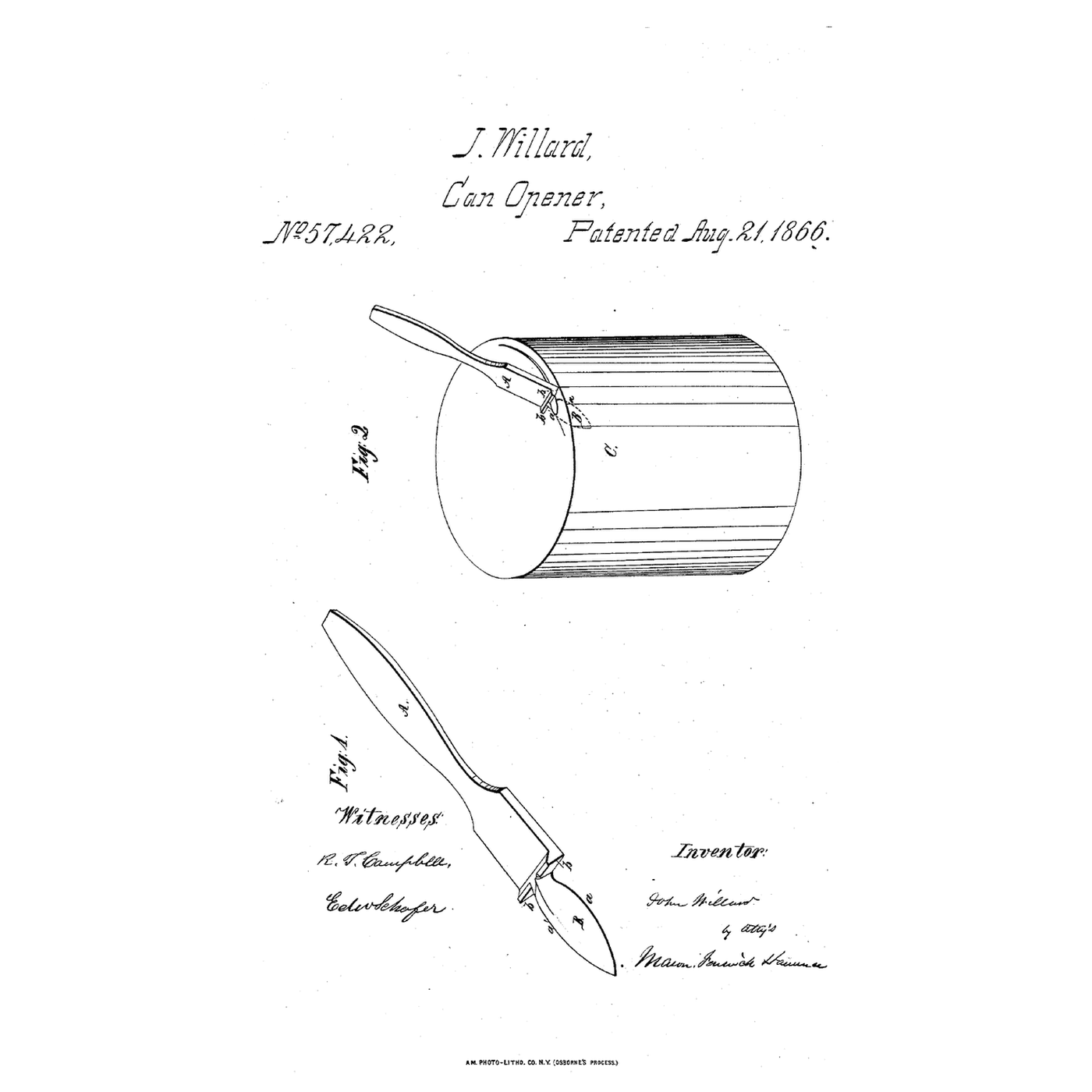
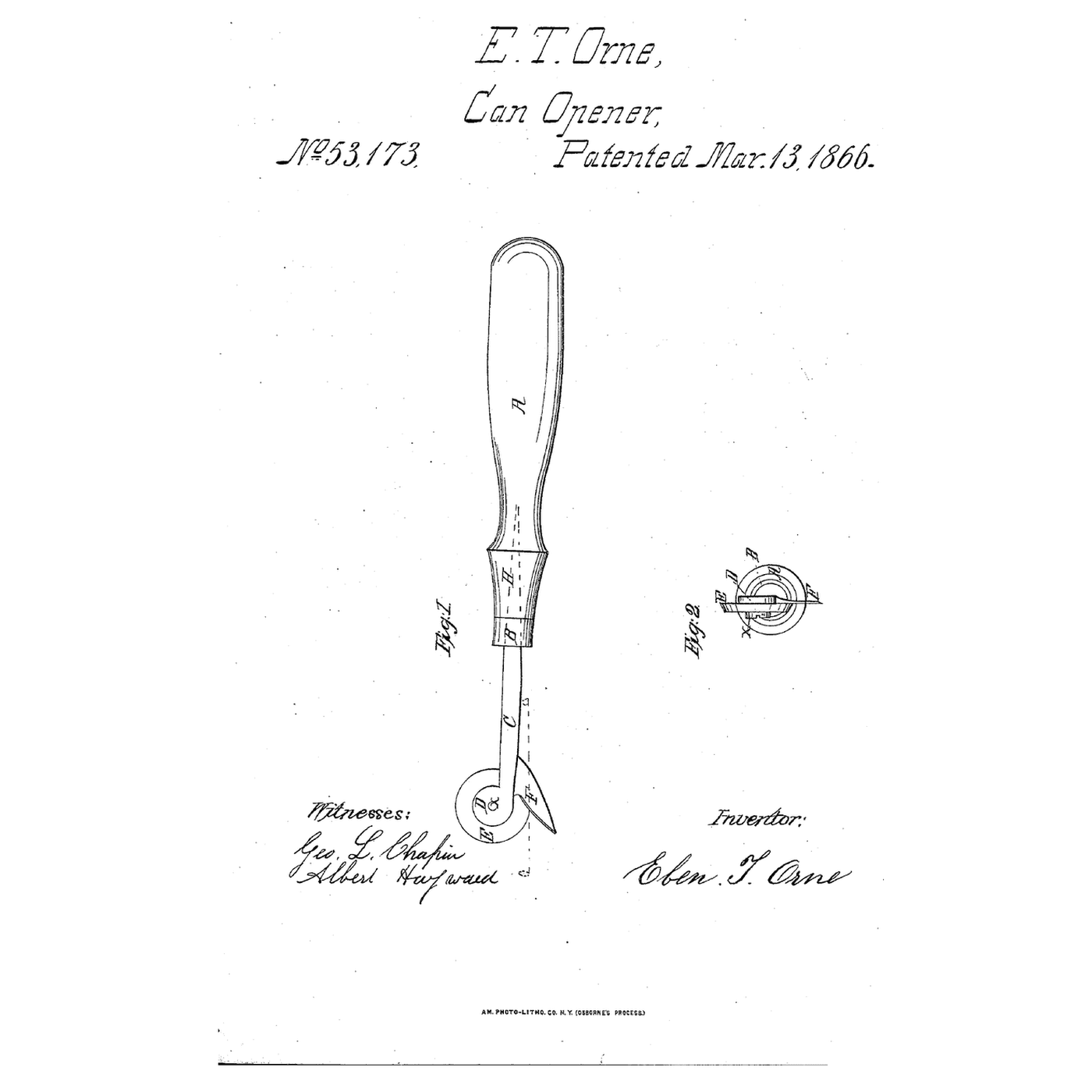
The embedded blueprint cuts round a can with a wheel and a fixed cutter. Hubbell turns a lever round a spike and inclines the cutter so it lifts what it cuts.
3
3
Read US 69,996
Read US 69,996
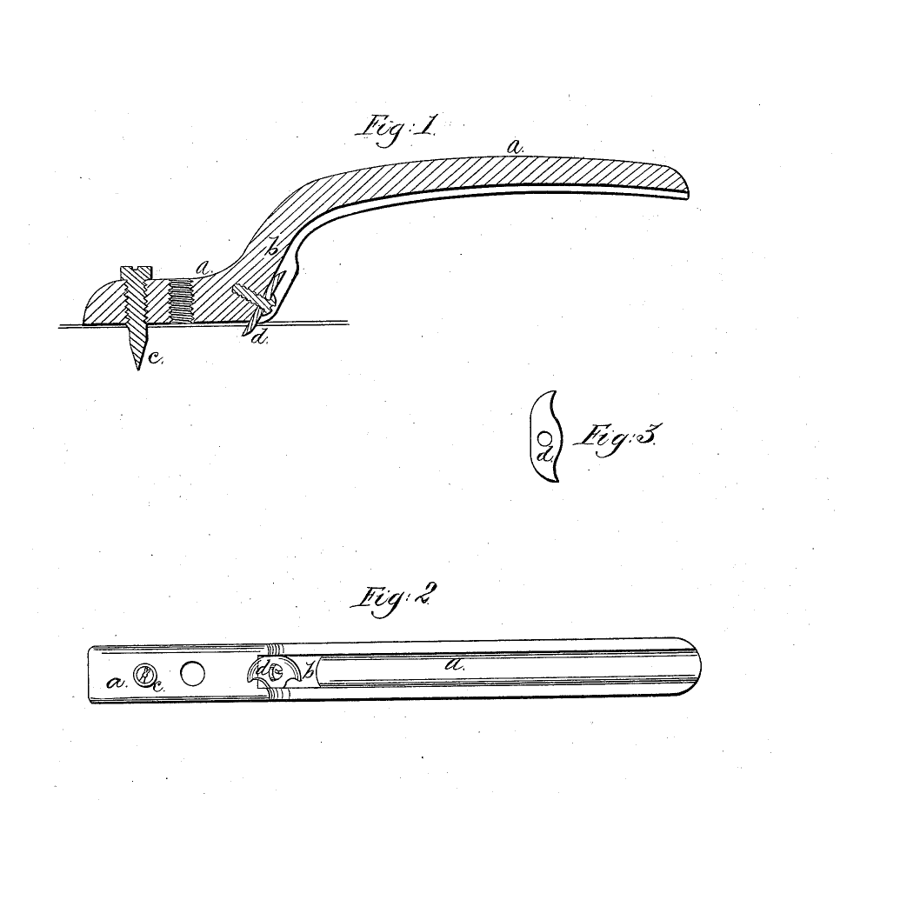
"The cutter d is set into a recess, formed by grooves, on the edges of the lever a, at the curved part b, so that one edge of the cutter projects below the under side of the lever at an inclination, as shown, so that the cutter is prevented from rising by its being below, and inclining inwards under the edge of the disk that is being cut out by revolving either the can or the opener."
4
4
Make the lever
Make the lever
Cut 180 mm of 25 × 3 mm flat bar and bend the last 20 mm down at about 40° in the vice. Drill and tap three M5 holes 25, 30 and 35 mm from the bend's foot.
Àwọn ohun èlò fún ìgbésẹ̀ yìí:
 Ọ̀pá Pẹrẹsẹ Irin Pẹ́lẹ́1 ẹyọ
Àwọn irinṣẹ́ tí a nílò:
 Ayùn Irin
 Ìdìmú Tábìlì
 Òòlù
Òòlù Igi Àmì Àárín
 Ẹ̀rọ Ìlùkòkò Aláìlókùn
 Àkójọ Orí Ìlùkòkò
 Ẹ̀rọ ìgé ihá ìdábùú
 Ìdíwọ̀n
5
5
Slot the bent end
Slot the bent end
Saw a slot 1 mm wide and 12 mm deep across the bent end at 25° to the bar with the hacksaw.
Àwọn irinṣẹ́ tí a nílò:
Ayùn IrinÌdìmú Tábìlì Àkójọ Ìfá Kékeré
6
6
Make and set the cutter
Make and set the cutter
Cut a 16 × 18 mm cutter from 1 mm steel sheet and file both short ends to rounded cutting edges. Set it in the slot with epoxy so one end projects 5 mm below the bar, inclined inward.
Àwọn ohun èlò fún ìgbésẹ̀ yìí:
 Ìwé Irin Pẹ́lẹ́1 ẹyọ
 Ẹpọ́ksì Ẹ̀yà Méjì1 ẹyọ
Àwọn irinṣẹ́ tí a nílò:
 Ìlàǹkàn irin
 Àwọn Ìfá (Ìfá Ọwọ́)
 Òkúta ìpọ́n
 Gílásì Ààbò Tí Ó Mọ́
7
7
Make the spike
Make the spike
File the end of an M5 screw to a long taper point. Screw it into the hole that suits the can.
Àwọn ohun èlò fún ìgbésẹ̀ yìí:
 Skurú ẹ̀rọ1 ẹyọ
Àwọn irinṣẹ́ tí a nílò:
Ìdìmú TábìlìÀwọn Ìfá (Ìfá Ọwọ́)8
8
The patent drawing
The patent drawing
US 69,996 drawing sheet, public domain (expired patent).
9
9
Open a can and lift the disk
Open a can and lift the disk
Stand a sealed can on the kitchen scale. Thrust the spike into the top's centre, press the cutter through and turn the lever round; read the peak load and time it. Lift the opener and see whether the disk comes with it.
Àwọn ohun èlò fún ìgbésẹ̀ yìí:
 Ìgò irin1 ẹyọ
Àwọn irinṣẹ́ tí a nílò:
 Òṣùwọ̀n Díjítà Ilé Ìdáná
 Aago Ìdúró
 Òṣùwọ̀n Kálípà Díjítà Ìnṣì 6
 Ìbọ̀wọ́ Iṣẹ́ Awọ
10
10
A cutter that rides up, slips or drops the disk
A cutter that rides up, slips or drops the disk
Lifting-cutter can opener troubleshooting.
Flow
Loading...
11
11
History and honest limits
History and honest limits
**William L. Hubbell** of Brooklyn, New York, signed his specification on 16 August 1867; US 69,996 is dated 22 October 1867. He wrote that earlier openers with semicircular knives, or tools to perforate and raise the edges, were costly and some were liable to slip. The cutter's edge is rounded outwardly so as not to draw the spike out, and both ends are shaped alike so it can be changed end for end.
**Honest limits.** Epoxy in a sawn slot stands in for his grooved recess, and the cutter is unhardened. Your loads and times are the result.
Àwọn ohun-èlò
5- Àyè
- 1 ẹyọÀyè
- 1 ẹyọÀyè
- 1 ẹyọÀyè
- 1 ẹyọÀyè
Àwọn irinṣẹ́ tó nílò
17- Àyè
- Àyè
- Àyè
- 1 vendor sell this, none ship to you yetÀyè
- Àyè
- Àyè
- Àyè
- Àyè
Ìtọ́nisọ́nà yìí ń ṣe
Blueprint tó jọra
Àwọn blueprint wọ̀nyí pín ìmọ̀ — ọ̀nà, ohun-èlò tàbí ìlànà
CC0 Àgbègbè Gbogbogbò
Blueprint yìí ti jáde lábẹ́ CC0. O lè ṣe àdàkọ, yí padà, pín, àti lò láìsí ìyọ̀ǹda.
Ṣàtìlẹ́yìn Olùṣẹ́dá nípa rírà àwọn ọjà nipasẹ̀ Blueprint wọn Ẹ̀san Olùṣẹ́dá tí àwọn Olùtajà gbé kalẹ̀, tàbí ṣẹ̀dá àtúnṣe tuntun ti Blueprint yìí kí o sì fi sínú Blueprint rẹ gẹ́gẹ́ bí ìsopọ̀ láti pín owó-wíwọlé.