IṢẸ́ ỌNÀ
ẸWÀ ÀTI ÌLERA
IṢẸ́ ỌWỌ́
ÀṢÀ ÀTI ÌTÀN
ÌṢERÉ
ÀYÍKÁ
OÚNJẸ ÀTI OHUN MÍMU
REVERSE ENGINEERING
SÁYẸ́ǸSÌ
ERÉ ÌDÁRAYÁ
ÌMỌ̀-Ẹ̀RỌ
ÀWỌN OHUN WÍWỌ̀
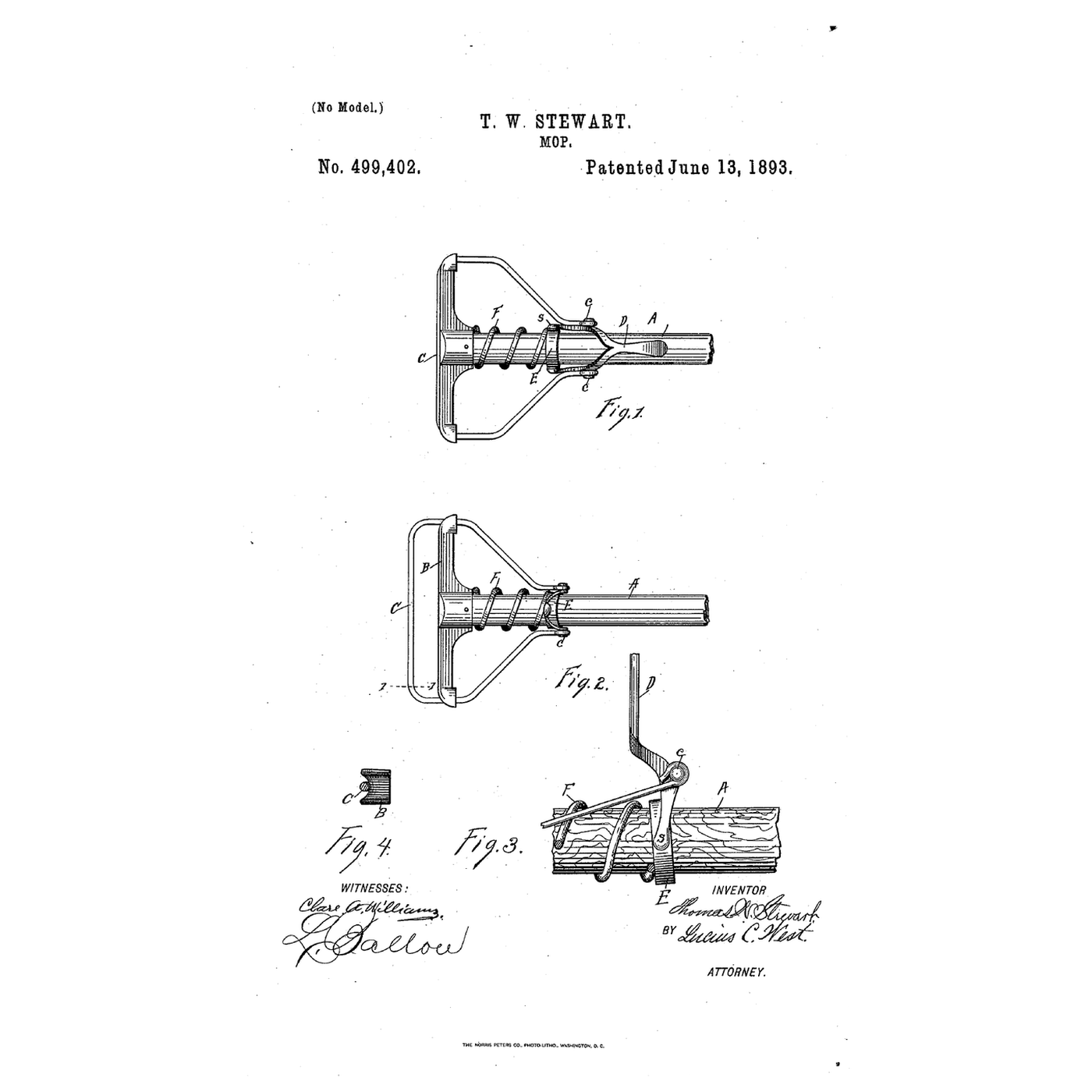


The Locking Mop Clamp: A Spring and an Over-Centre Lever
Mop rags tied or nailed to a stick are slow to change and fall off when wet and heavy.
Thomas W. Stewart of Detroit, Michigan, received US 499,402, dated 13 June 1893 (filed 26 September 1892), for a mop whose rags are held between a T-head and a rod, drawn tight by a lever against a spiral spring. When the lever is thrown back, its pivots pass "a little below the horizontal plane" of the others, "thus locking the clamp".
This rung works out why a lever just past centre holds itself shut, then builds the clamp on a mop stick and measures its grip.
Àárín
About 3 hours
Ìlànà
1
1
Hand force near dead centre
Hand force near dead centre
Ń ṣí ìwé Jupyter…
2
2
A lever that stays where it is left
A lever that stays where it is left
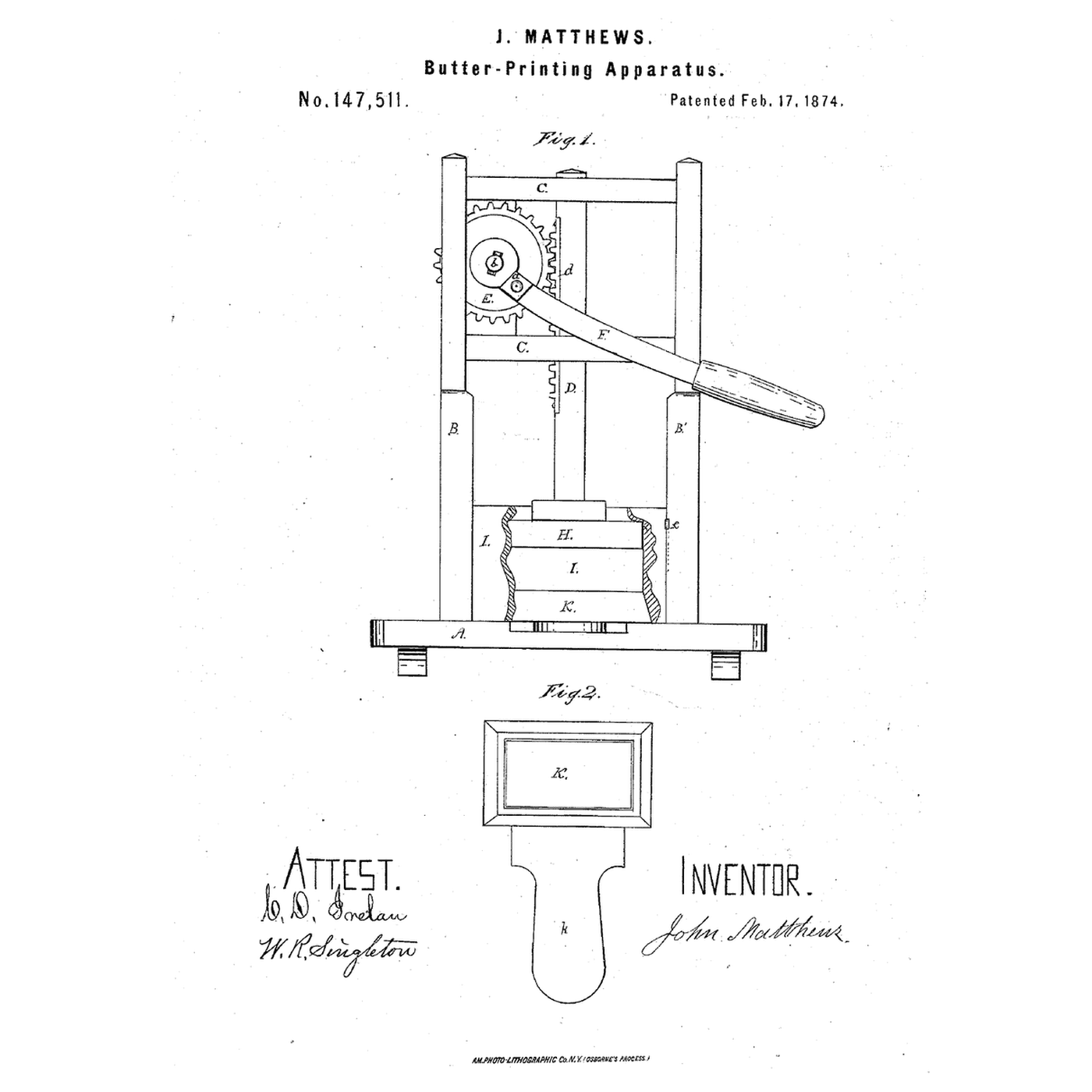
The embedded blueprint's lever holds the follower up once it passes the perpendicular. Stewart's lever uses the same dead centre to hold the clamp shut.
3
3
Read US 499,402
Read US 499,402
"Between the ring E and the T-head B, is a spiral spring, F, the expansive tendency of which holds the clamp firmly closed, as in the position shown in Fig. 1, when the lever D is thrown back."
"In the operation the rags, not here shown, are placed in the clamp, and since the ends of the rod C are pivoted between the ends of the lever D, the lever when carried back against the stick exerts a leverage on the rod C and compresses the spring F, thus firmly holding the rags, during which action the pivotal points c are carried a little below the horizontal plane of the pivoted ends s, of the lever D, thus locking the clamp."
4
4
Build the clamp and measure its grip
Build the clamp and measure its grip
Screw a hardwood cross-piece across the end of a broom handle as the T-head, with a groove in each end. Bend steel wire into the clamp rod: straight across the T-head, then back through the grooves to meet at the handle.
Slide a loose wooden ring or a short tube onto the handle, with a spring from the assortment between it and the T-head. Make a small lever from hardwood, pivot its forked end to the ring, and pin the rod's ends to it a little forward of that pivot.
Lay rags in the clamp and throw the lever back until it snaps past centre. Pull the rags with the force meter to measure the grip, then mop a floor. Compare with the notebook.
Àwọn ohun èlò fún ìgbésẹ̀ yìí:
 Pátákó Igi Líle1 ẹyọ
 Okun waya irin1 ẹyọ
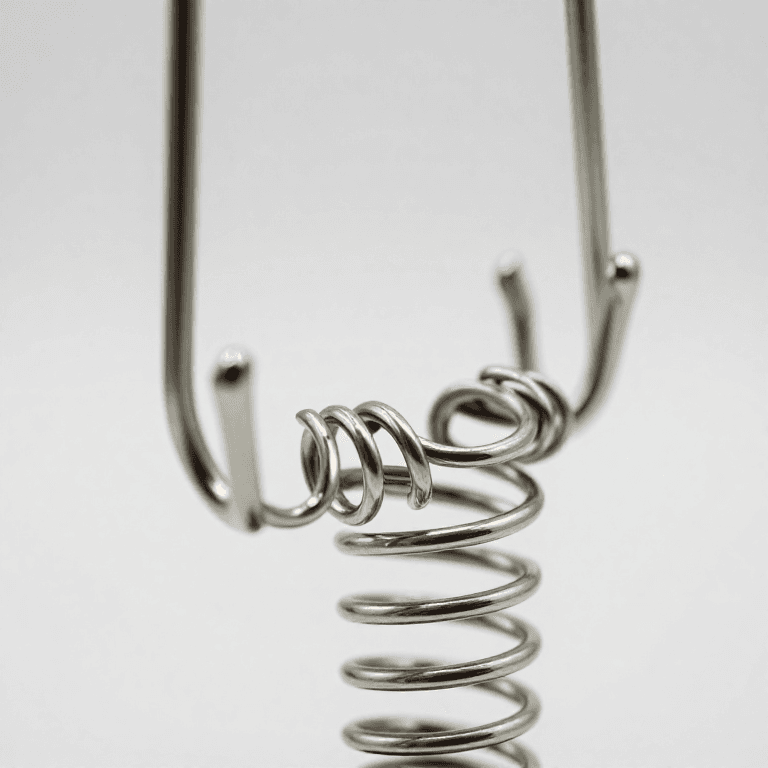
 Àkójọpọ̀ orísun ìtẹ̀mọ́lẹ̀1 ẹyọ
 Ìṣó igi6 ẹyọ
 Àwọn àkísà òwú1 ẹyọ
Àwọn irinṣẹ́ tí a nílò:
 Mọ́ọ̀pù
 Ìgbálẹ̀
 Ẹ̀mú imú gígùn
 Ẹ̀rọ Ìlùkòkò Aláìlókùn
 Ayùn Ọwọ́
 Ẹ̀rọ Ìwọ̀n Agbára (Òṣùwọ̀n Ìsúnkì)
 Bàkẹ́ẹ̀tì
5
5
A mop clamp that springs open, slips or will not close
A mop clamp that springs open, slips or will not close
Mop clamp troubleshooting.
Flow
Loading...
6
6
History and honest limits
History and honest limits
**Thomas W. Stewart** of Detroit, Wayne County, Michigan, filed US 499,402 on 26 September 1892; it is dated 13 June 1893. The patent is a clamp for holding the rags; it describes no wringer.
**Honest limits.** The notebook treats the linkage as an ideal toggle and the spring force as constant near centre, and ignores friction. Spring rate, compression and sizes are examples. Your force-meter reading is the measurement.
Àwọn ohun-èlò
5- 1 ẹyọÀyè
- 1 ẹyọÀyè
- Àyè
- 6 ẹyọÀyè
- 1 ẹyọÀyè
Blueprint tó jọra
Àwọn blueprint wọ̀nyí pín ìmọ̀ — ọ̀nà, ohun-èlò tàbí ìlànà


CC0 Àgbègbè Gbogbogbò
Blueprint yìí ti jáde lábẹ́ CC0. O lè ṣe àdàkọ, yí padà, pín, àti lò láìsí ìyọ̀ǹda.
Ṣàtìlẹ́yìn Olùṣẹ́dá nípa rírà àwọn ọjà nipasẹ̀ Blueprint wọn Ẹ̀san Olùṣẹ́dá tí àwọn Olùtajà gbé kalẹ̀, tàbí ṣẹ̀dá àtúnṣe tuntun ti Blueprint yìí kí o sì fi sínú Blueprint rẹ gẹ́gẹ́ bí ìsopọ̀ láti pín owó-wíwọlé.