IṢẸ́ ỌNÀ
ẸWÀ ÀTI ÌLERA
IṢẸ́ ỌWỌ́
ÀṢÀ ÀTI ÌTÀN
ÌṢERÉ
ÀYÍKÁ
OÚNJẸ ÀTI OHUN MÍMU
REVERSE ENGINEERING
SÁYẸ́ǸSÌ
ERÉ ÌDÁRAYÁ
ÌMỌ̀-Ẹ̀RỌ
ÀWỌN OHUN WÍWỌ̀
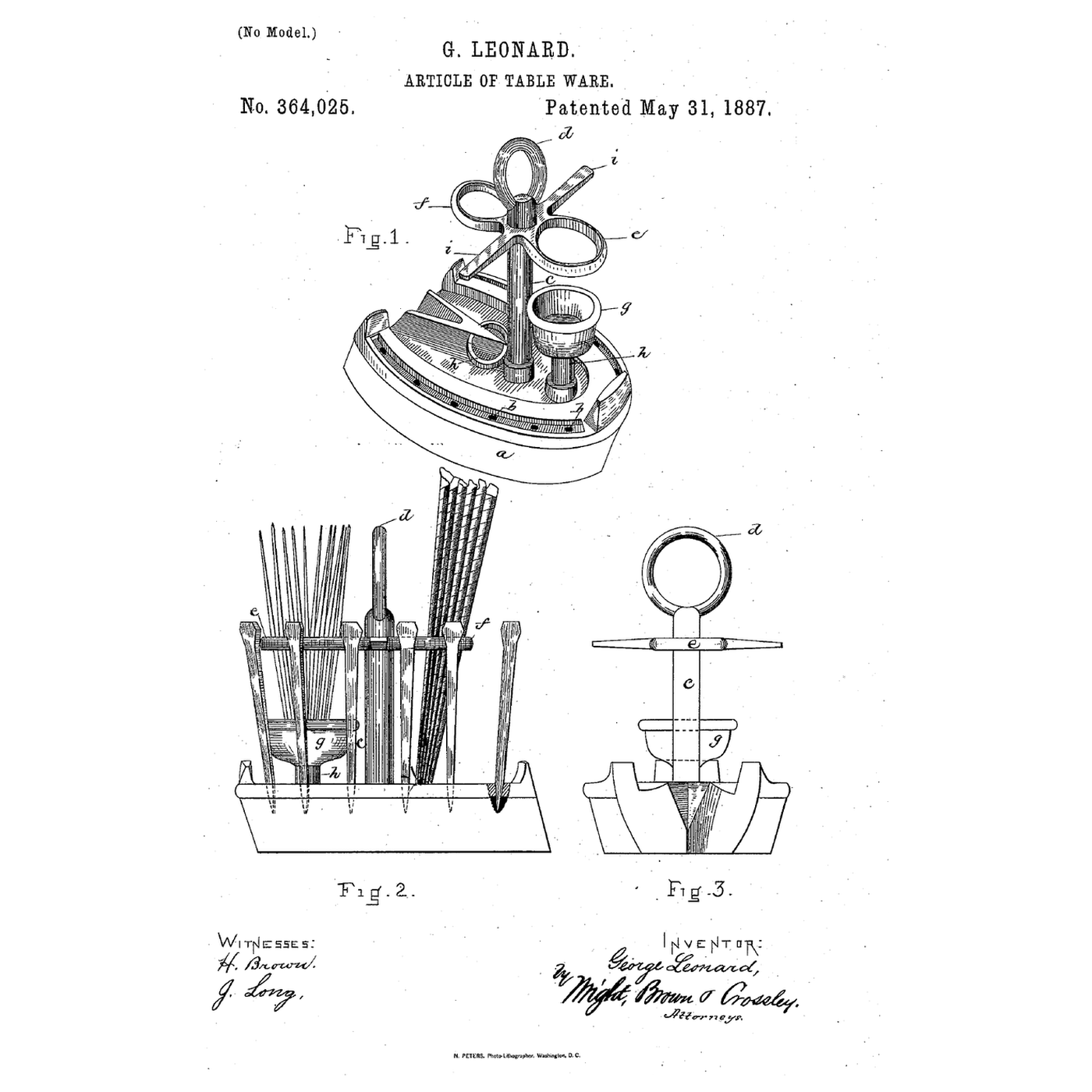


The Nut-Pick Stand: A Base Pierced for Picks, a Standard With a Toothpick Cup and a Taper Holder
When nuts are served, the picks lie loose on the table, and toothpicks and lighting tapers have no place of their own.
George Leonard of Newton, Massachusetts, received US 364,025, dated 31 May 1887, for an article of table-ware which, "instead of being designed as a cruet-stand, its purpose is to hold nut-picks, tooth-picks, cigar or gas lighting tapers, &c.": a base with a rim and a row of holes near its margin that hold the picks upright, a standard rising from within the circle of holes with a ring for carrying it, a ring and cup for toothpicks, a cup-shaped holder for tapers, and arms that support a nut-cracker or knife. He made the base as a horse's hoof inverted, with a shoe, as a matter of ornament.
This rung works out how many picks the margin holds, then makes the stand in hardwood with a dowel standard, a toothpick cup and a taper cup, and sets it for nuts.
Olùbẹ̀rẹ̀
About 3 hours
Ìlànà
1
1
Holes round the rim
Holes round the rim
Ń ṣí ìwé Jupyter…
2
2
A server with pick holders before it
A server with pick holders before it
The embedded blueprint carries receptacles for nut-picks round its stem. Leonard makes a stand whose whole purpose is to hold the picks and their companions.
3
3
Read US 364,025
Read US 364,025
"In the upper face of the base, near the margin thereof, are formed a series of holes or perforations, b, designed to receive the points of a number of nut-picks and hold the same in a substantially upright position."
"I have shown the base or body of my invention as constructed in the form of a horse's hoof inverted, with a shoe thereon, for the simple reason that the design is pleasing to the eye and is such as to make the rim j a matter of ornament. Any other design may, however, be employed, since the structure, and not the form, is the essence of the invention"
4
4
Make the stand and set it for nuts
Make the stand and set it for nuts
**Base.** Cut a hardwood base in any shape you like, with a raised rim glued round it. Drill a row of 4 mm holes near the margin, spaced as the notebook shows, 15 mm deep.
**Standard.** Glue a dowel upright in the base within the circle of holes and fix a ring on its top for carrying.
**Toothpick cup and taper holder.** Glue a short wooden cup to a ring round the standard for toothpicks, and a second, deeper cup on a stud on the base for tapers.
**Arms.** Fix two short dowel arms across the standard to rest a nutcracker or knife on.
**Test.** Stand nut-picks in the holes, toothpicks in the cup and matches in the holder, and serve nuts with the stand.
Àwọn ohun èlò fún ìgbésẹ̀ yìí:
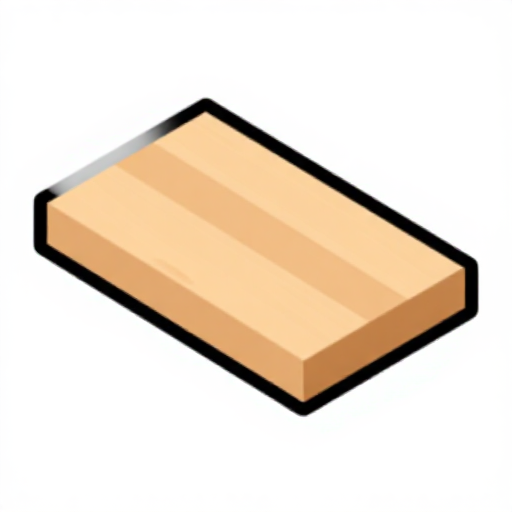 Pátákó Igi Líle1 ẹyọ
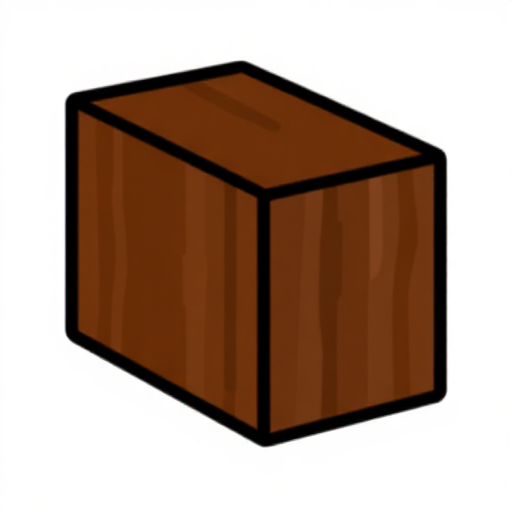 Ìṣù Igi Líle1 ẹyọ
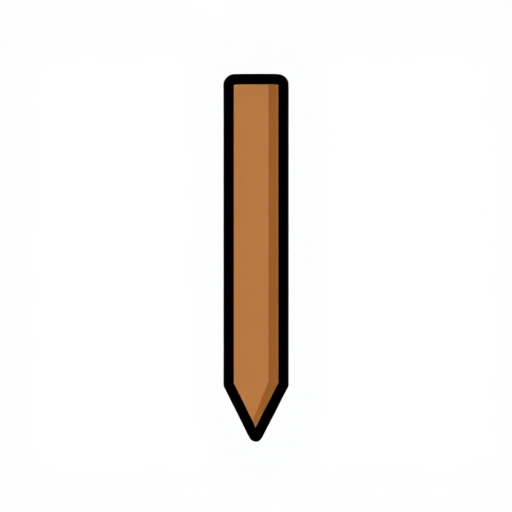 Òpó Igi Dòwẹ̀lì0.4 mítà
 Ìdìpọ̀ Igi1 ẹyọ
 Ohun èlò ìyọ inú èso líle6 ẹyọ
 Iṣáná1 ẹyọ
 Wọ́lnọ́ọ̀tì6 ẹyọ
Àwọn irinṣẹ́ tí a nílò:
 Ayùn Ọwọ́
 Ẹ̀rọ Ìlùkòkò Aláìlókùn
 Àkójọ Orí Ìlùkòkò
 Ayùn
Ayùn Bébà Ìfá
 Àwọn clamp
 Ohun èlò ìfọ́ èso líle
5
5
A stand whose picks lean, fall or crowd
A stand whose picks lean, fall or crowd
Nut-pick stand troubleshooting.
Flow
Loading...
6
6
History and honest limits
History and honest limits
**George Leonard** of Newton, Middlesex County, Massachusetts, filed US 364,025 on 7 August 1886; it is dated 31 May 1887. His nut-picks were made in the form of horseshoe nails, the standard c carried rings d, e and f, the cup g stood on a stud h, and a cup-shaped contrivance on the base held tapers; the arms i supported a nut-cracker, knife or similar article. His claim is the base with a rim and a series of holes for nut-picks, with the standard, toothpick holder and taper receptacle.
**Honest limits.** A hardwood stand stands in for his cast one, and its shape is yours to choose, as he allowed. The notebook's count is simple spacing; its sizes are examples. Your set stand is the result.
Àwọn ohun-èlò
7- 1 ẹyọÀyè
- 1 ẹyọÀyè
- 0.4 mítàÀyè
- 1 ẹyọÀyè
- Àyè
- 1 ẹyọÀyè
- 6 ẹyọÀyè
Blueprint tó jọra
Àwọn blueprint wọ̀nyí pín ìmọ̀ — ọ̀nà, ohun-èlò tàbí ìlànà




CC0 Àgbègbè Gbogbogbò
Blueprint yìí ti jáde lábẹ́ CC0. O lè ṣe àdàkọ, yí padà, pín, àti lò láìsí ìyọ̀ǹda.
Ṣàtìlẹ́yìn Olùṣẹ́dá nípa rírà àwọn ọjà nipasẹ̀ Blueprint wọn Ẹ̀san Olùṣẹ́dá tí àwọn Olùtajà gbé kalẹ̀, tàbí ṣẹ̀dá àtúnṣe tuntun ti Blueprint yìí kí o sì fi sínú Blueprint rẹ gẹ́gẹ́ bí ìsopọ̀ láti pín owó-wíwọlé.