IṢẸ́ ỌNÀ
ẸWÀ ÀTI ÌLERA
IṢẸ́ ỌWỌ́
ÀṢÀ ÀTI ÌTÀN
ÌṢERÉ
ÀYÍKÁ
OÚNJẸ ÀTI OHUN MÍMU
REVERSE ENGINEERING
SÁYẸ́ǸSÌ
ERÉ ÌDÁRAYÁ
ÌMỌ̀-Ẹ̀RỌ
ÀWỌN OHUN WÍWỌ̀
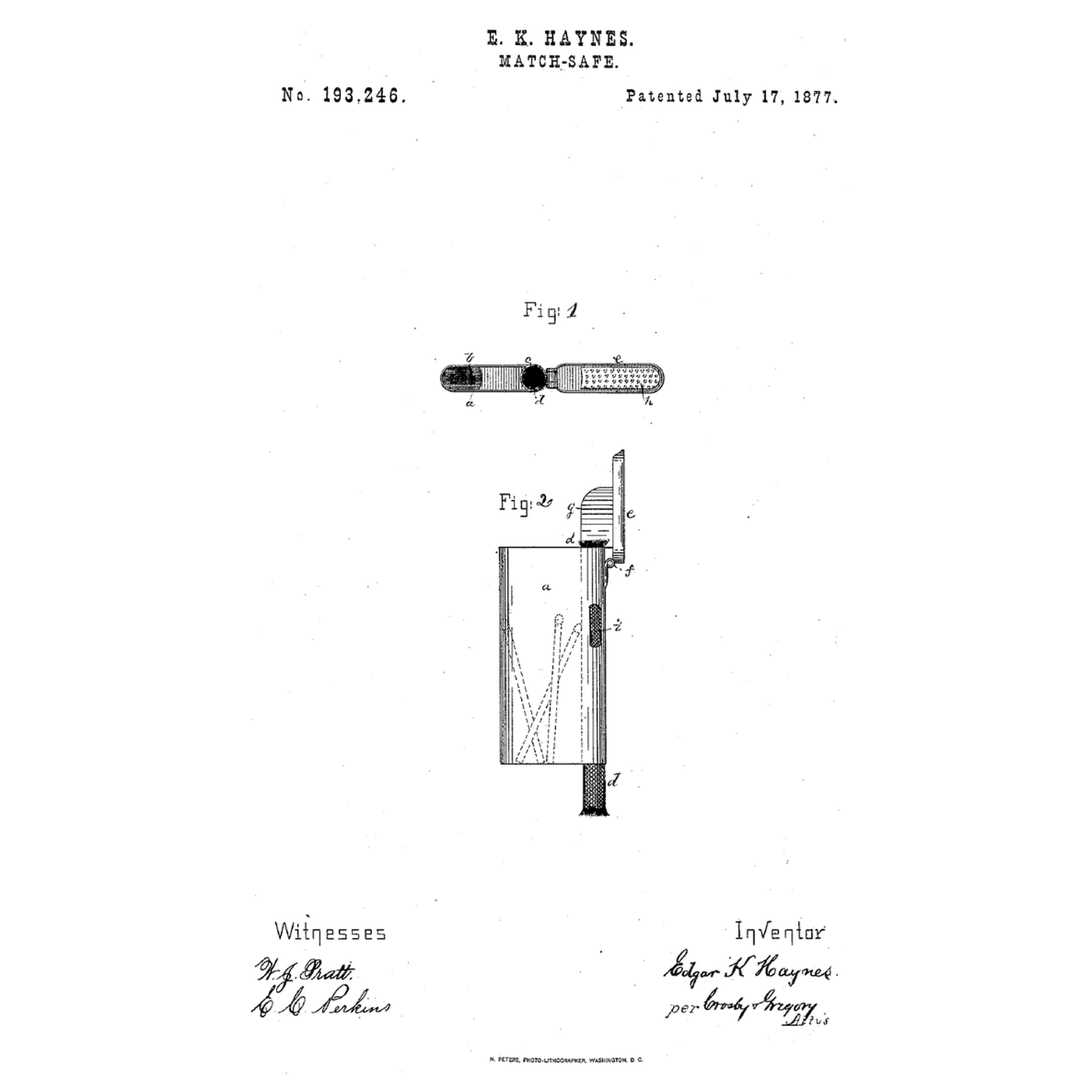


The Pocket Match-Safe: A Wick, a Striker and a Wind Guard
Striking a common wooden match outdoors, the wind blows it out before it is used, and matches carried loose in a pocket get damp or strike by accident.
Edgar K. Haynes of Boston received US 193,246, dated 17 July 1877 (filed 20 June 1877), for a pocket match-safe "provided with a wick, and the cover which is hinged to the body of the safe is provided with a guard to shield the match and wick from wind". The inside of the lid is roughened for striking, and closing the lid puts out the wick.
This rung counts the matches the wick and guard save, then makes a two-compartment tin match-safe.
Olùbẹ̀rẹ̀
About 2 hours
Ìlànà
1
1
Matches saved by the wick and guard
Matches saved by the wick and guard
Ń ṣí ìwé Jupyter…
2
2
What goes in the box
What goes in the box
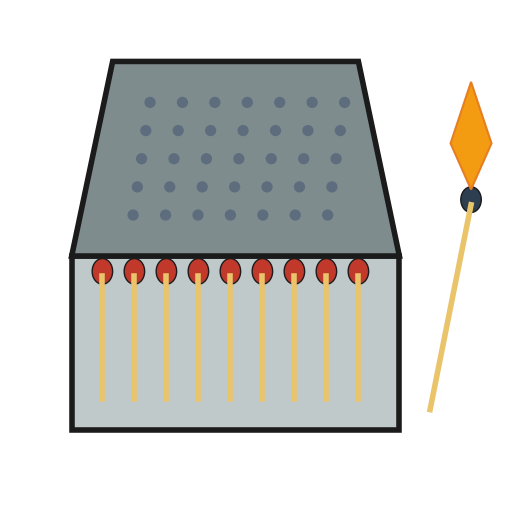
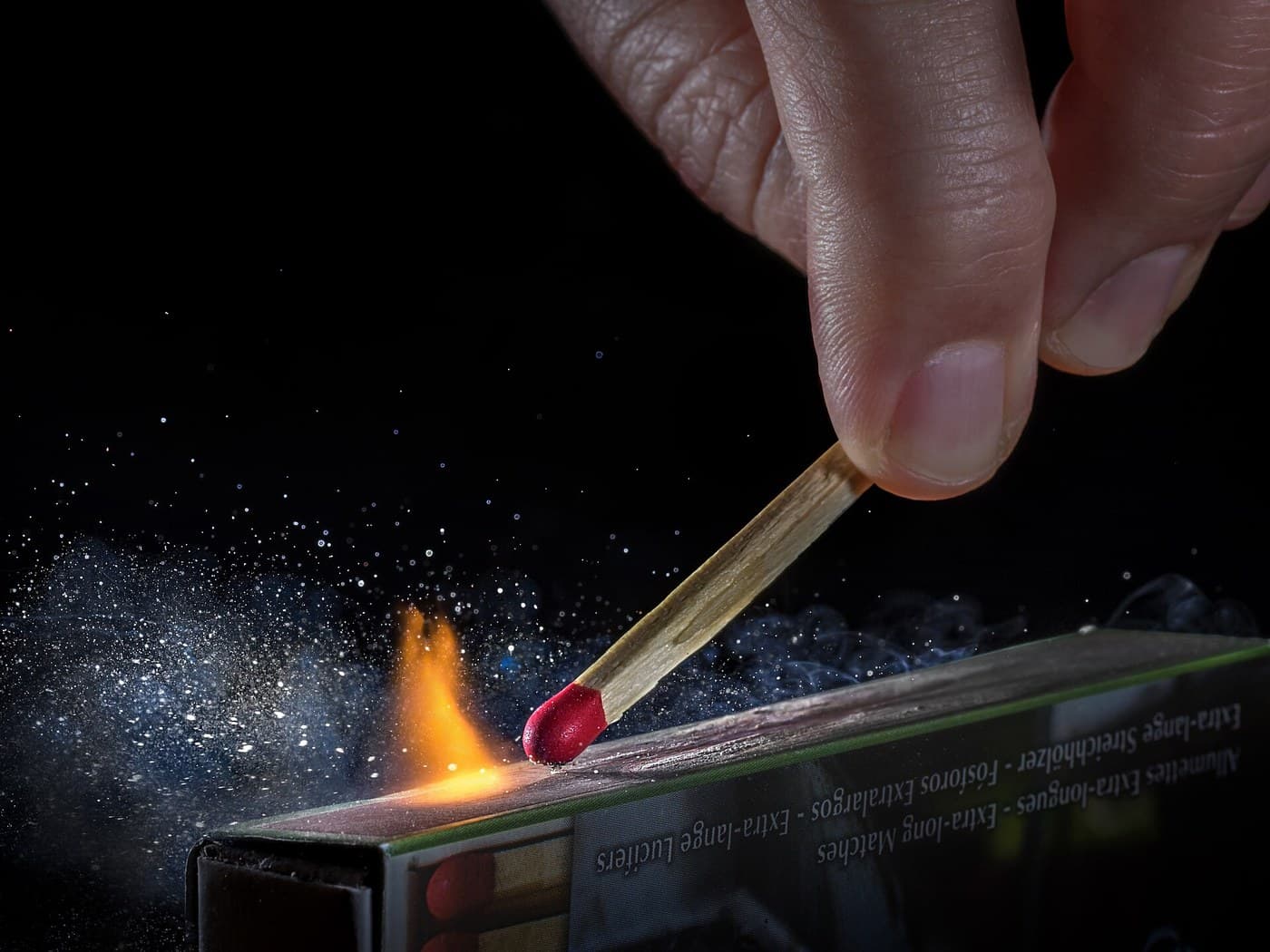
The embedded blueprint makes the safety match, lit only on its striking strip. Haynes's lid carries its own rough striking surface.
3
3
Read US 193,246
Read US 193,246
"The invention relates to an improvement in pocket match-safe for cigar-lighting purposes. The match-safe is provided with a wick, and the cover which is hinged to the body of the safe is provided with a guard to shield the match and wick from wind."
"By means of the guard to protect the match flame, I am enabled to use the common wood match under all ordinary circumstances, whereas, if it were not for such guard, I should have to supply and use the parlor or wax matches."
"The cover, when closed, extinguishes the wick."
4
4
Make a two-compartment match-safe
Make a two-compartment match-safe
Cut a small box and a hinged lid from aluminium sheet with the tin snips, and rivet in a divider to make two compartments. Cut a slot in the top of one for the wick. Glue a strip of fine emery cloth inside the lid as the striker, and bend up a small tab on the lid as the wind guard beside the wick.
Outdoors, on a calm day and then a breezy one, count how many bare matches it takes to get a flame, and how many with the guard. Keep water to hand. Compare with the notebook.
Àwọn ohun èlò fún ìgbésẹ̀ yìí:
 Àwo aluminiọ̀mù1 ẹyọ
 Àwọn pop rivet4 ẹyọ
 Aṣọ emery1 ẹyọ
 Ìdìpọ̀ Igi1 ẹyọ
 Òwú fìtílà1 ẹyọ
 Iṣáná1 ẹyọ
Àwọn irinṣẹ́ tí a nílò:
 Àpótí ìṣáná àpò
 Ìlàǹkàn irin
 Ìfá Irin
 Ẹ̀rọ Ìlùkòkò Aláìlókùn
 Bàkẹ́ẹ̀tì
5
5
A match-safe that won't strike, blows out or lights in the pocket
A match-safe that won't strike, blows out or lights in the pocket
Match-safe troubleshooting.
Flow
Loading...
6
6
History and honest limits
History and honest limits
**Edgar K. Haynes** of Boston, Suffolk County, Massachusetts, filed US 193,246 on 20 June 1877; it is dated 17 July 1877. He does not claim a match-box with a wick in general, only this arrangement.
**Honest limits.** The notebook is simple counting with example rates; wind, match quality and the wick decide the real numbers. Your counted matches are the measurement.
Àwọn ohun-èlò
6- 1 ẹyọÀyè
- 4 ẹyọÀyè
- 1 ẹyọÀyè
- 1 ẹyọÀyè
- 1 ẹyọÀyè
- 1 ẹyọÀyè
Àwọn irinṣẹ́ tó nílò
5- Àyè
- Àyè
- 1 vendor sell this, none ship to you yetÀyè
- Àyè
Blueprint tó jọra
Àwọn blueprint wọ̀nyí pín ìmọ̀ — ọ̀nà, ohun-èlò tàbí ìlànà




CC0 Àgbègbè Gbogbogbò
Blueprint yìí ti jáde lábẹ́ CC0. O lè ṣe àdàkọ, yí padà, pín, àti lò láìsí ìyọ̀ǹda.
Ṣàtìlẹ́yìn Olùṣẹ́dá nípa rírà àwọn ọjà nipasẹ̀ Blueprint wọn Ẹ̀san Olùṣẹ́dá tí àwọn Olùtajà gbé kalẹ̀, tàbí ṣẹ̀dá àtúnṣe tuntun ti Blueprint yìí kí o sì fi sínú Blueprint rẹ gẹ́gẹ́ bí ìsopọ̀ láti pín owó-wíwọlé.