IṢẸ́ ỌNÀ
ẸWÀ ÀTI ÌLERA
IṢẸ́ ỌWỌ́
ÀṢÀ ÀTI ÌTÀN
ÌṢERÉ
ÀYÍKÁ
OÚNJẸ ÀTI OHUN MÍMU
REVERSE ENGINEERING
SÁYẸ́ǸSÌ
ERÉ ÌDÁRAYÁ
ÌMỌ̀-Ẹ̀RỌ
ÀWỌN OHUN WÍWỌ̀
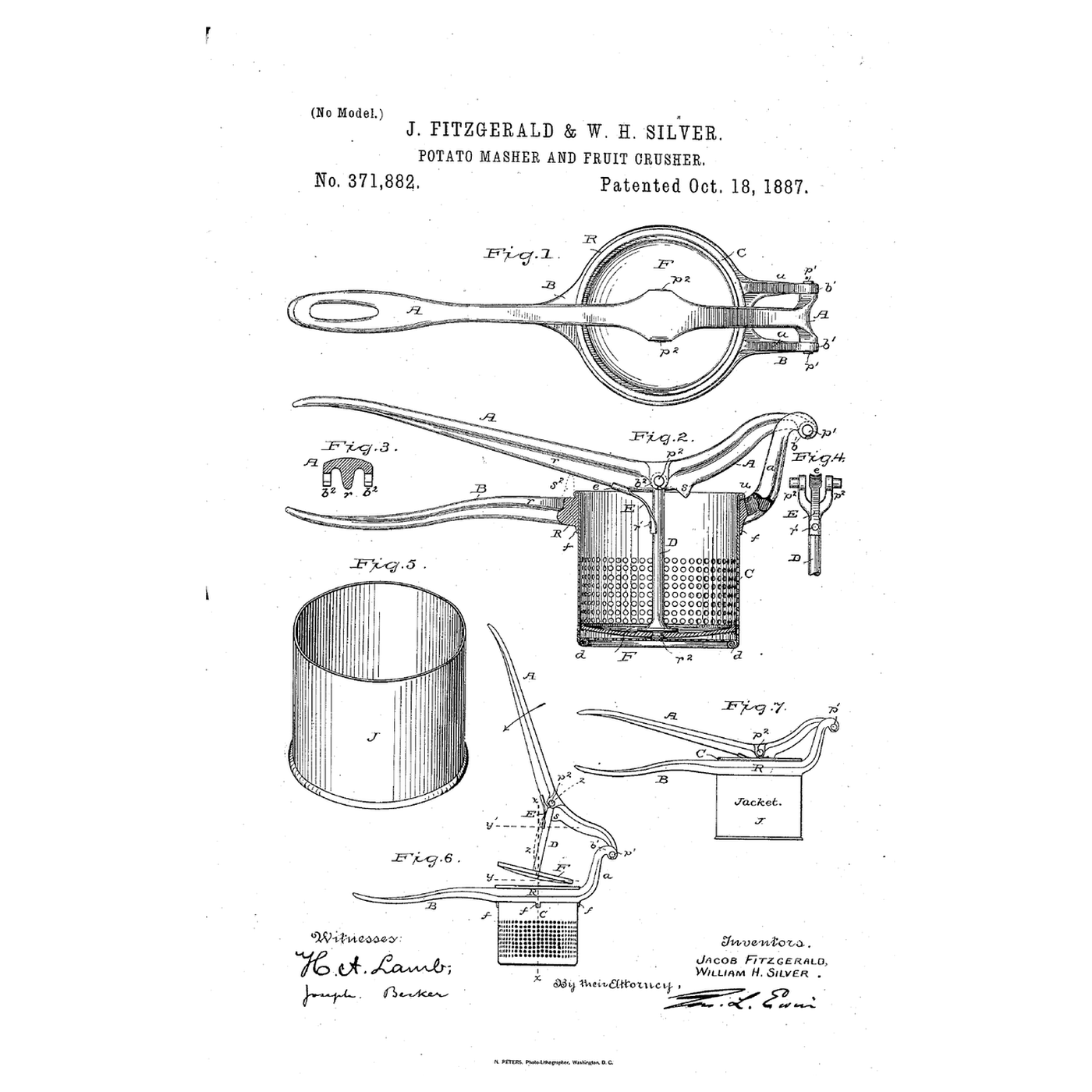


The Potato Ricer: A Perforated Cup and a Lever-Worked Follower
Mashing potatoes with a fork leaves lumps and works them gluey. Pressing them through small holes leaves them light and fine.
Jacob Fitzgerald of Newark, New Jersey, and William H. Silver of New York filed US 371,882 on 29 June 1887; it is dated 18 October 1887 and names it a "Potato-Masher and Fruit-Crusher". A perforated cup hangs between two lever-handles; a follower disk on a single stem, guided by a spring and a stop, is pivoted so it stays nearly parallel to the cup's bottom as it presses down. A removable jacket catches the juice that squirts sideways when berries are crushed.
This rung works out the pressure a ricer makes and compares riced and mashed potato.
Olùbẹ̀rẹ̀
About 2 hours
Ìlànà
1
1
Lever, pressure and holes
Lever, pressure and holes
Ń ṣí ìwé Jupyter…
2
2
A lever pressing through a strainer
A lever pressing through a strainer
The olive press used a long lever to squeeze fruit and let the liquid through. The embedded blueprint shows the older machine.
3
3
Read US 371,882
Read US 371,882
Such devices comprise "a perforated cup and a lever-worked follower, the latter serving to express the mashed or crushed vegetable or fruit through the perforations of the cup, while the cup holds the vegetable or fruit preliminarily and retains the refuse, such as skins and seeds." The pulp comes out "strained", and potatoes are "light, mealy, and of 'appetizing' appearance."
Their improvements: the follower is connected to its lever-handle "by a single stem, and controlled by a spring and a stop, so as to enter the cup correctly"; the handle's fulcrum is fixed behind and above the cup, with the stem pivoted so the follower works "substantially parallel with the bottom of the cup"; and a removable jacket J directs the juice of berries downward "so as to be readily saved." The lever-handles A B and the stem D are malleable-iron castings, united by closing cast bearings over pivots and heading rivet-studs, "without other fastenings".
4
4
Rice and mash, side by side
Rice and mash, side by side
Boil two equal lots of floury potatoes until tender. Press one lot through the potato ricer and mash the other with a potato masher, working each for the same time. Compare texture, lumps and how much skin the ricer held back; weigh the skins.
Hook the spring scale to the ricer's handle end and read the squeeze it takes with hot potato and again after it has cooled; cooled potato is firmer and needs more.
Àwọn ohun èlò fún ìgbésẹ̀ yìí:
 Ọ̀dùnkún1 ẹyọ
Àwọn irinṣẹ́ tí a nílò:
 Ohun èlò ìfúnpọ̀ pọ́tétò
 Ohun ìgúnmọ́ ọ̀dùnkún
 Ẹ̀rọ Ìwọ̀n Agbára (Òṣùwọ̀n Ìsúnkì)
 Òṣùwọ̀n Díjítà Ilé Ìdáná
5
5
A ricer that is hard to squeeze
A ricer that is hard to squeeze
Potato ricer troubleshooting.
Flow
Loading...
6
6
History and honest limits
History and honest limits
**Jacob Fitzgerald** of Newark and **William H. Silver** of New York, assignors to Silver & Co., filed US 371,882 on 29 June 1887; it is dated 18 October 1887.
**Honest limits.** Hand force, lever ratio and hole sizes in the notebook are examples.
Àwọn irinṣẹ́ tó nílò
4Blueprint tó jọra
Àwọn blueprint wọ̀nyí pín ìmọ̀ — ọ̀nà, ohun-èlò tàbí ìlànà
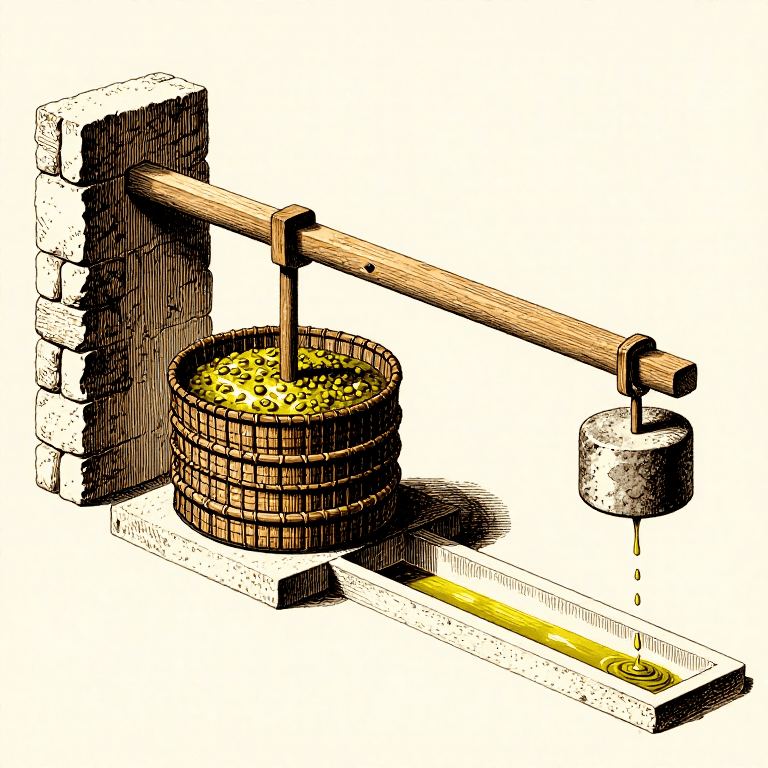
Building a Lever-and-Weight Olive Press — Mechanical Extraction
láti ọwọ́ Emma
Ìmọ̀ Ẹ̀rọ
124
0
0
0
1
0

The Law of the Lever — Archimedes' Balance of Weight and Distance
láti ọwọ́ Martin
Físíkì
54
0
0
0
1
0
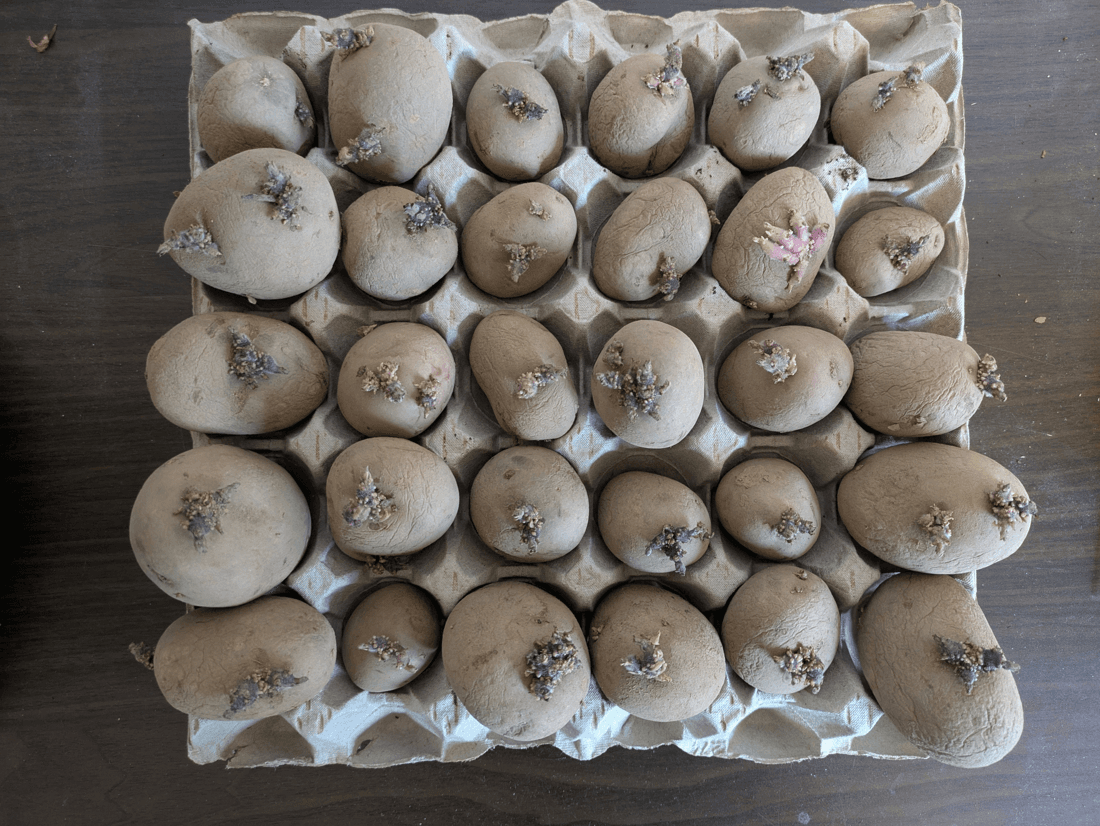
Growing Potatoes from Tubers — Planting the Eyes
láti ọwọ́ Bob
Ẹ̀kọ́ Irúgbìn
45
0
0
0
0
0
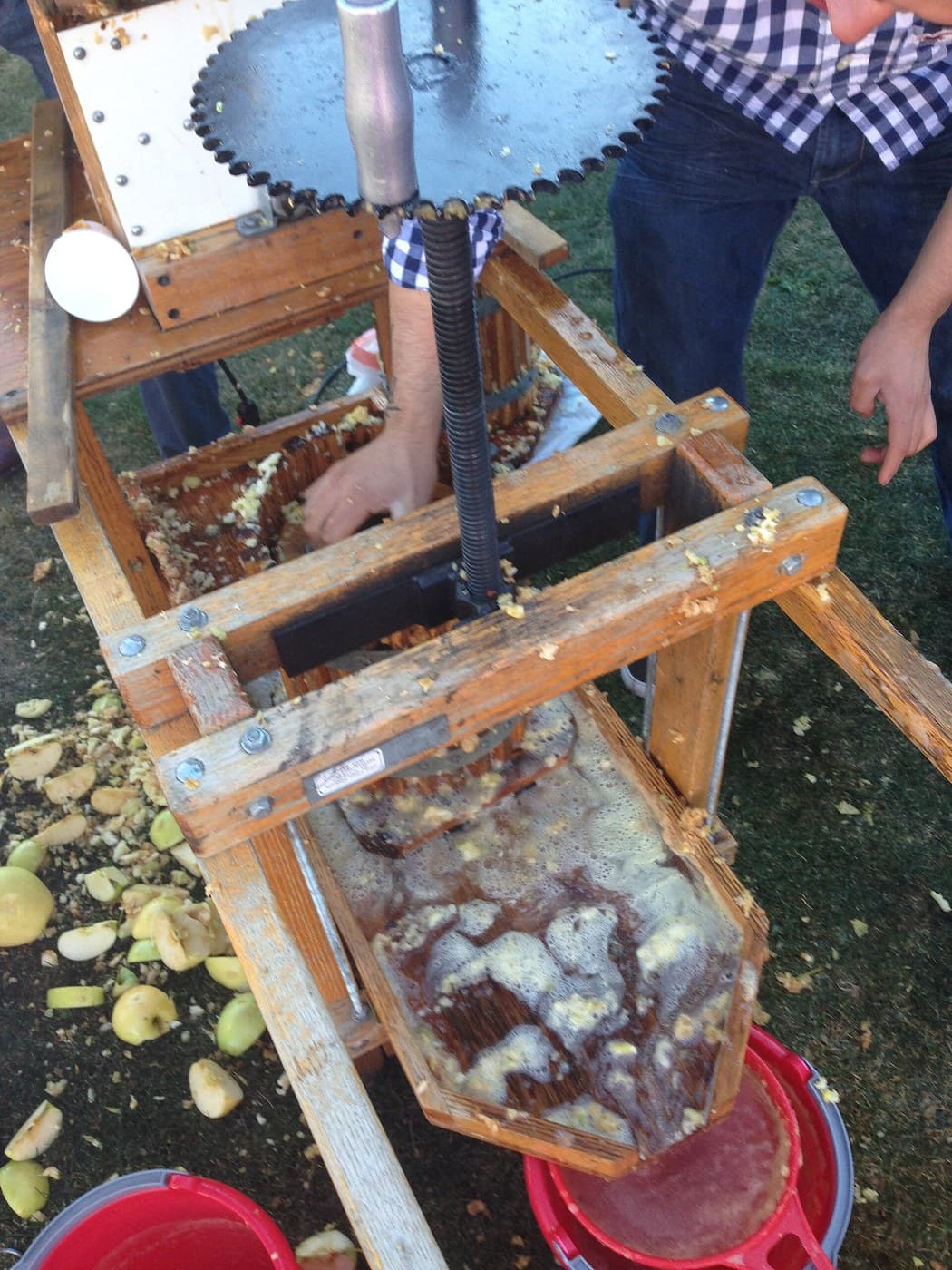
Apple Cider Pressing
láti ọwọ́ Alchometer
OÚNJẸ ÀTI OHUN MÍMU
29
0
0
0
0
0
CC0 Àgbègbè Gbogbogbò
Blueprint yìí ti jáde lábẹ́ CC0. O lè ṣe àdàkọ, yí padà, pín, àti lò láìsí ìyọ̀ǹda.
Ṣàtìlẹ́yìn Olùṣẹ́dá nípa rírà àwọn ọjà nipasẹ̀ Blueprint wọn Ẹ̀san Olùṣẹ́dá tí àwọn Olùtajà gbé kalẹ̀, tàbí ṣẹ̀dá àtúnṣe tuntun ti Blueprint yìí kí o sì fi sínú Blueprint rẹ gẹ́gẹ́ bí ìsopọ̀ láti pín owó-wíwọlé.