IṢẸ́ ỌNÀ
ẸWÀ ÀTI ÌLERA
IṢẸ́ ỌWỌ́
ÀṢÀ ÀTI ÌTÀN
ÌṢERÉ
ÀYÍKÁ
OÚNJẸ ÀTI OHUN MÍMU
REVERSE ENGINEERING
SÁYẸ́ǸSÌ
ERÉ ÌDÁRAYÁ
ÌMỌ̀-Ẹ̀RỌ
ÀWỌN OHUN WÍWỌ̀


The Reusable Can Opener: A Stop on the Knife and a Rim Left to Use Again
A can hacked open is fit only to be thrown away.
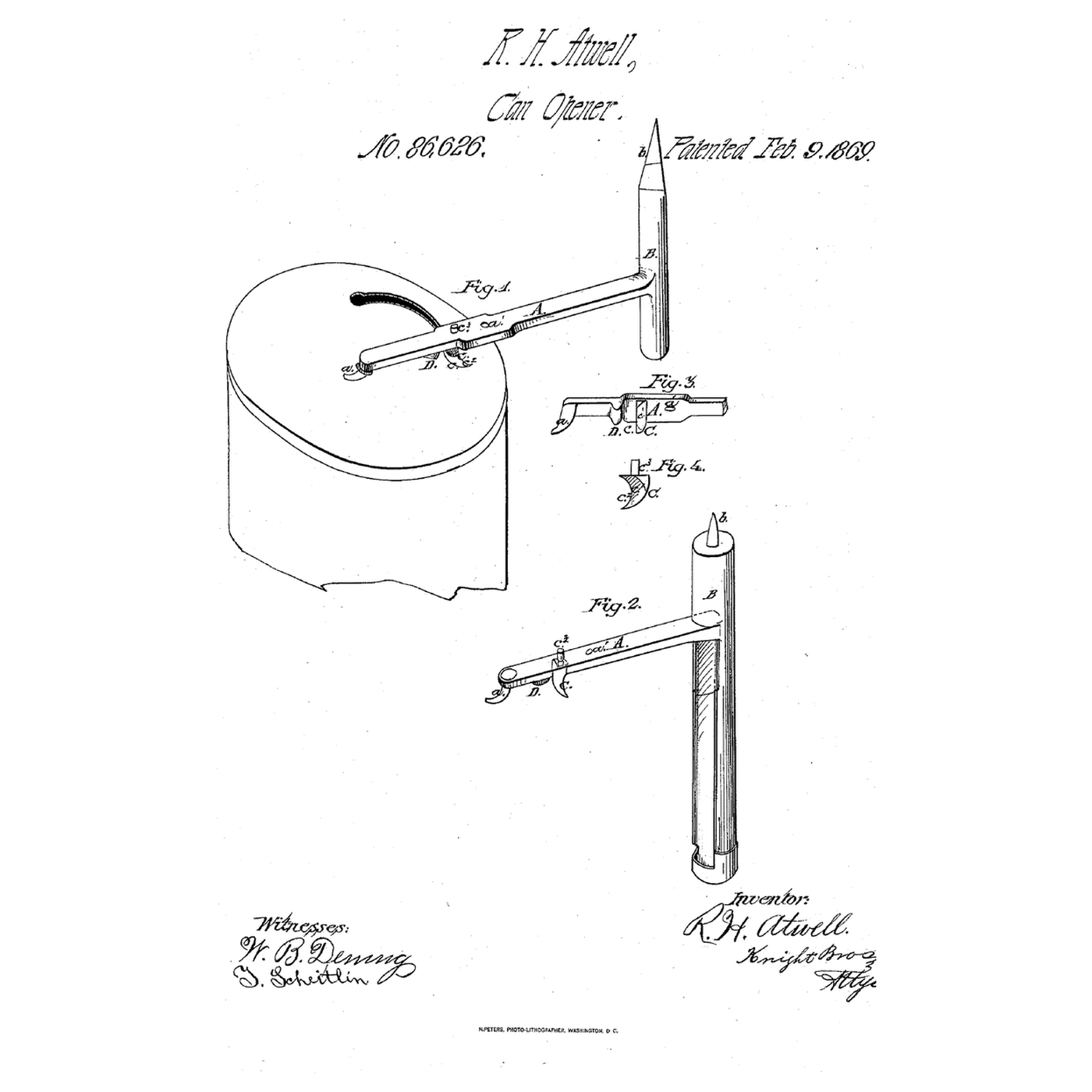
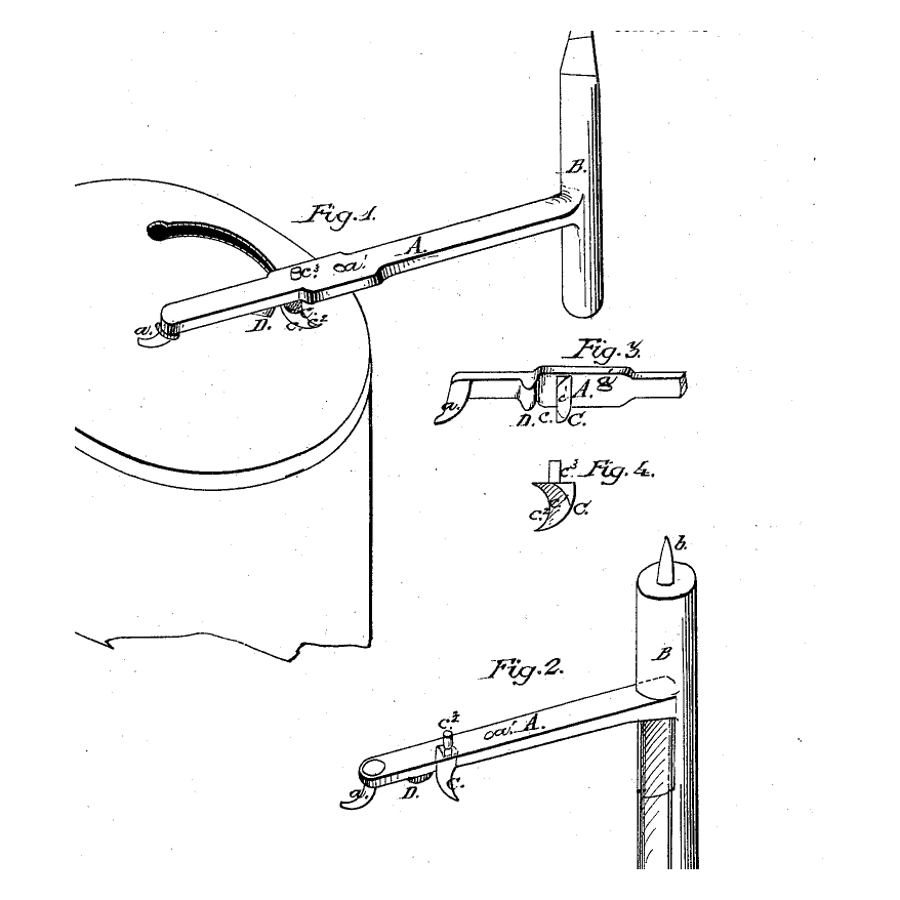
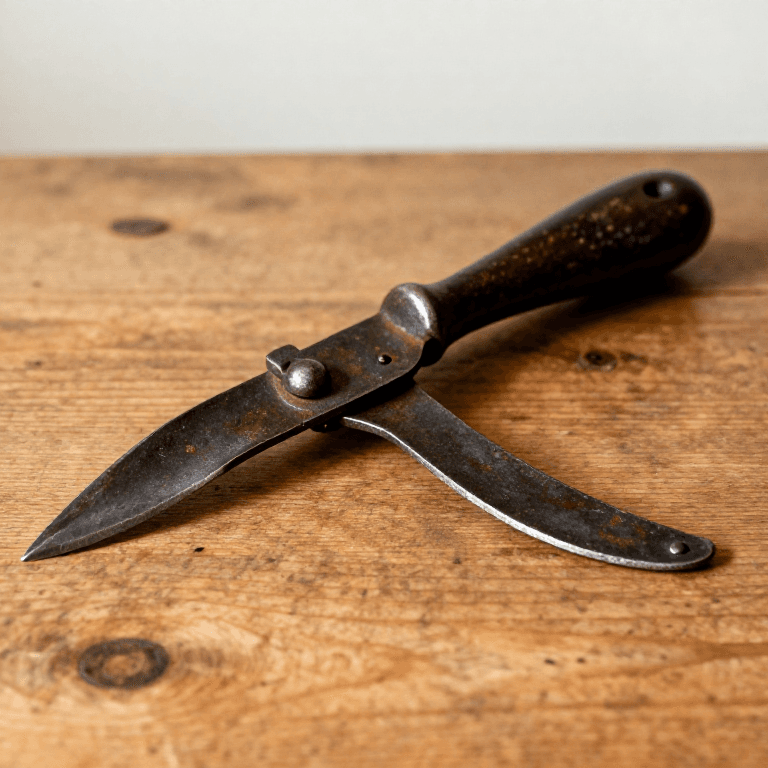
Richard H. Atwell of Baltimore, Maryland, received US 86,626, dated 9 February 1869, for a can opener: a bar at right angles to a handle that carries a piercer, a hook-shaped fulcrum pin in a hole made at the centre of the piece to be removed, a concave knife in one of several holes, and a stop that limits how far the knife goes in; the edges of the opening are so turned "as to adapt the can to be again used."
This rung works out which hole leaves a usable rim, then builds the bar, pin, knife and stop and opens a can cleanly enough to refill.
Àárín
About 3 hours
Ìlànà
1
1
Which hole leaves a rim
Which hole leaves a rim
Ń ṣí ìwé Jupyter…
2
2
A centre-pivot cutter before it
A centre-pivot cutter before it
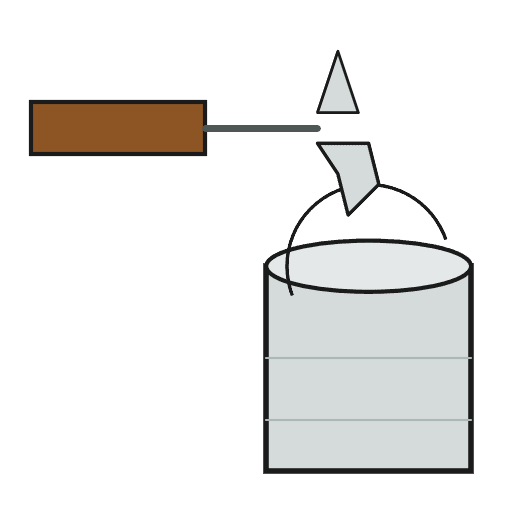
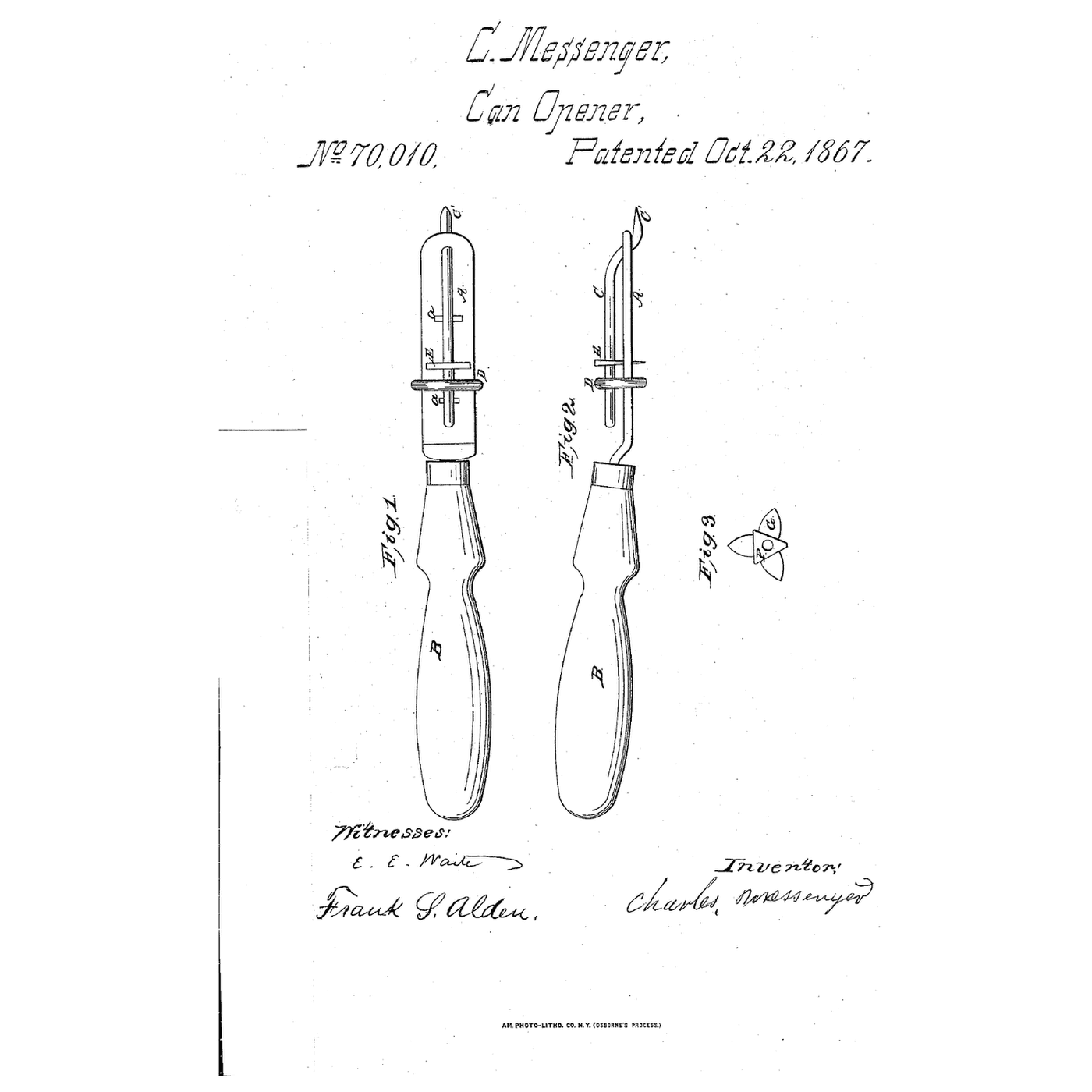
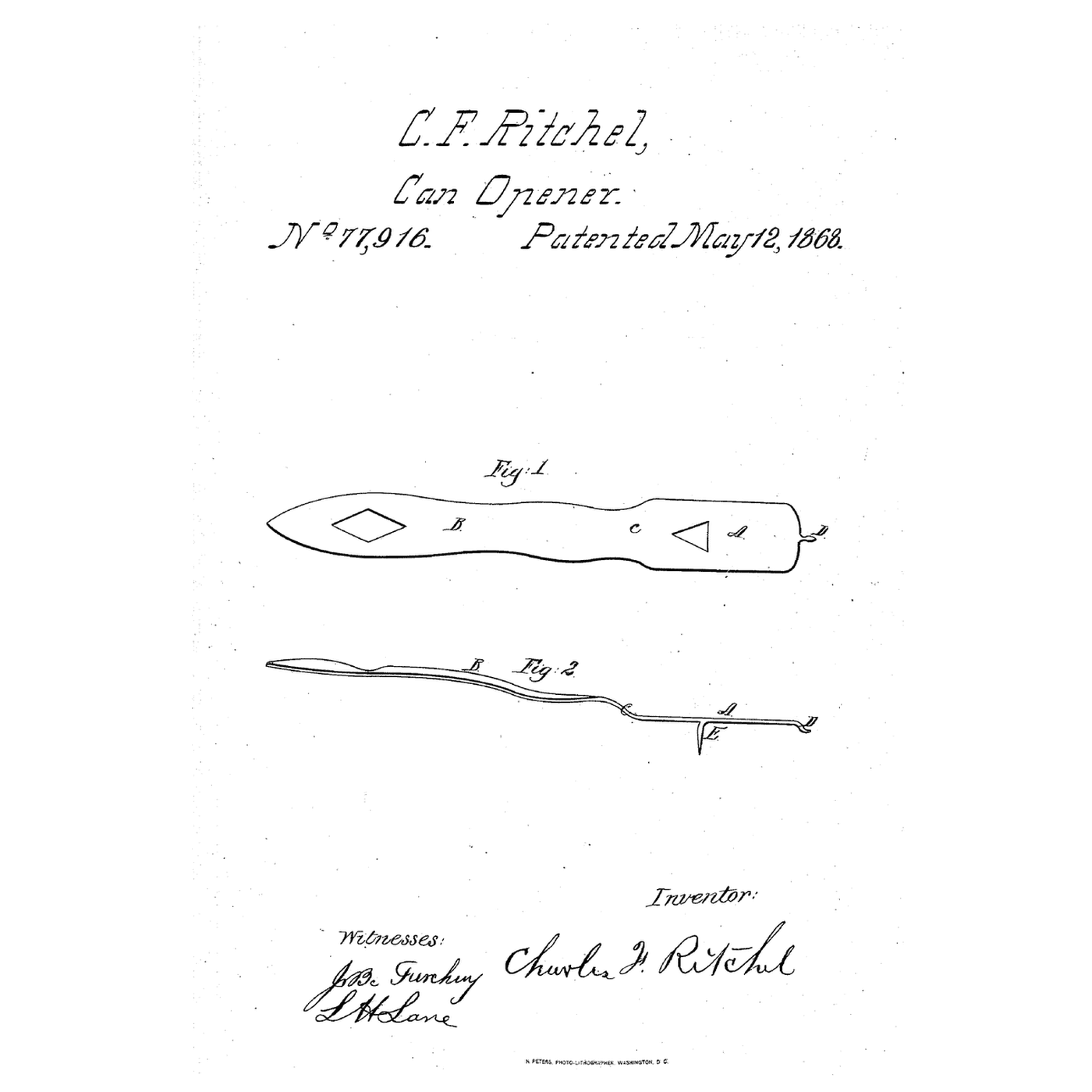
The embedded blueprint cuts a round hole round a spike. Atwell adds a stop on the knife and turns the edge so the can is fit to use again.
3
3
Read US 86,626
Read US 86,626
"The edges of the opening made in the can are so turned, by this construction of knife, as to adapt the can to be again used."
"A rest or stop, D, preferably cast on the bar, and arranged between the fulcrum a and knife C, limits the insertion of the knife, and thus prevents its hanging in the tin at its shank."
4
4
Make the bar and handle
Make the bar and handle
Cut 90 mm of 25 × 3 mm flat bar and drill 5 mm holes 20, 28 and 36 mm from one end. Fix its other end at right angles into a hardwood handle with epoxy, and file a point on the handle's far end as the piercer.
Àwọn ohun èlò fún ìgbésẹ̀ yìí:
 Ọ̀pá Pẹrẹsẹ Irin Pẹ́lẹ́1 ẹyọ
 Àwọn dowel igi líle1 ẹyọ
 Ẹpọ́ksì Ẹ̀yà Méjì1 ẹyọ
Àwọn irinṣẹ́ tí a nílò:
 Ayùn Irin
 Igi Àmì Àárín
 Ẹ̀rọ Ìlùkòkò Aláìlókùn
 Àkójọ Orí Ìlùkòkò
 Àwọn Ìfá (Ìfá Ọwọ́)
5
5
Make the hook pin and stop
Make the hook pin and stop
Bend 4 mm steel rod into a hook and fix it through the bar's end as the fulcrum pin. Epoxy a hardwood stop under the bar between the pin and the first hole, 4 mm deep.
Àwọn ohun èlò fún ìgbésẹ̀ yìí:
 Ọ̀pá Róbótó Irin Rírọ̀1 ẹyọ
 Ìṣù Igi Líle1 ẹyọẸpọ́ksì Ẹ̀yà Méjì1 ẹyọ
Àwọn irinṣẹ́ tí a nílò:
 Ìdìmú Tábìlì
 ÒòlùAyùn IrinẸ̀rọ Ìlùkòkò AláìlókùnÀkójọ Orí Ìlùkòkò
6
6
Make the knife
Make the knife
Cut a knife from 1 mm steel sheet with a 5 mm shank, file its cutting edge concave and its flat side toward the pin. Fit the shank through a hole and nut it on top.
Àwọn ohun èlò fún ìgbésẹ̀ yìí:
 Ìwé Irin Pẹ́lẹ́1 ẹyọ
 Nọ́ọ̀tì Onígun Mẹ́fà1 ẹyọ
 Skurú ẹ̀rọ1 ẹyọ
Àwọn irinṣẹ́ tí a nílò:
 Ìlàǹkàn irinÀwọn Ìfá (Ìfá Ọwọ́)
 Òkúta ìpọ́n
 Kọ́kọ́rọ́ tí a lè ṣàtúnṣe
 Gílásì Ààbò Tí Ó Mọ́
7
7
The patent drawing
The patent drawing
US 86,626 drawing sheet, public domain (expired patent).
8
8
Open a can for reuse
Open a can for reuse
Pierce the centre of a sealed can's top with the handle's point and hook the pin in. Press the knife through to the stop and turn the bar round once. Measure the rim left and run a finger-safe check along it with a rag.
Àwọn ohun èlò fún ìgbésẹ̀ yìí:
 Ìgò irin1 ẹyọ
Àwọn irinṣẹ́ tí a nílò:
 Òṣùwọ̀n Kálípà Díjítà Ìnṣì 6
 Aago Ìdúró
 Ìbọ̀wọ́ Iṣẹ́ Awọ
9
9
A knife that hangs, wanders or leaves a ragged rim
A knife that hangs, wanders or leaves a ragged rim
Reusable can opener troubleshooting.
Flow
Loading...
10
10
History and honest limits
History and honest limits
**Richard H. Atwell** of Baltimore, Maryland, received US 86,626, dated 9 February 1869. His bar may be cast in one piece with the handle or hinged to it; the knife is held from lateral pressure and bending, its edge preferably concave so it need not be pressed down to its work. When the can is not to be refilled, part of the circle may be cut and the piece bent up.
**Honest limits.** Epoxy and a hardwood stop stand in for his casting, and the knife is unhardened sheet. Your rim measurements are the result.
Àwọn ohun-èlò
9- Àyè
- 1 ẹyọÀyè
- 2 ẹyọÀyè
- Àyè
- 1 ẹyọÀyè
- 1 ẹyọÀyè
- 1 ẹyọÀyè
- 1 ẹyọÀyè
- 1 ẹyọÀyè
Àwọn irinṣẹ́ tó nílò
14- Àyè
- 1 vendor sell this, none ship to you yetÀyè
- Àyè
- Àyè
- Àyè
- Àyè
- Àyè
Ìtọ́nisọ́nà yìí ń ṣe
Blueprint tó jọra
Àwọn blueprint wọ̀nyí pín ìmọ̀ — ọ̀nà, ohun-èlò tàbí ìlànà


CC0 Àgbègbè Gbogbogbò
Blueprint yìí ti jáde lábẹ́ CC0. O lè ṣe àdàkọ, yí padà, pín, àti lò láìsí ìyọ̀ǹda.
Ṣàtìlẹ́yìn Olùṣẹ́dá nípa rírà àwọn ọjà nipasẹ̀ Blueprint wọn Ẹ̀san Olùṣẹ́dá tí àwọn Olùtajà gbé kalẹ̀, tàbí ṣẹ̀dá àtúnṣe tuntun ti Blueprint yìí kí o sì fi sínú Blueprint rẹ gẹ́gẹ́ bí ìsopọ̀ láti pín owó-wíwọlé.